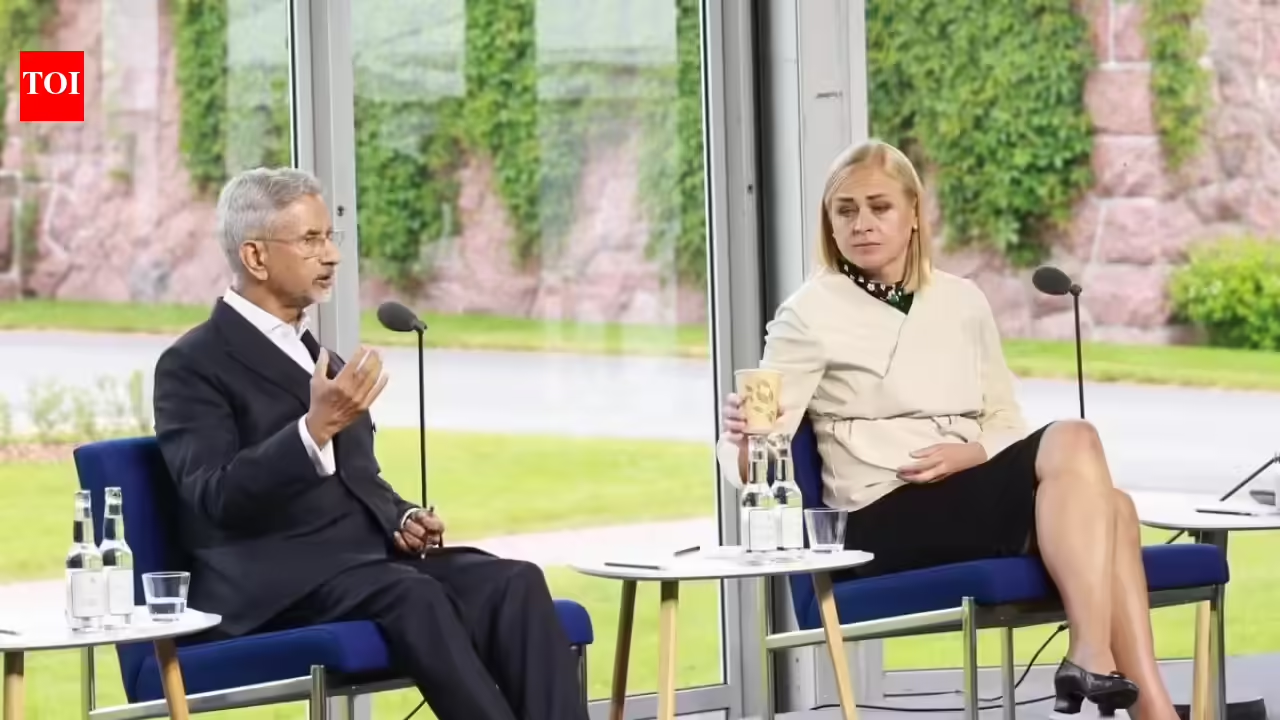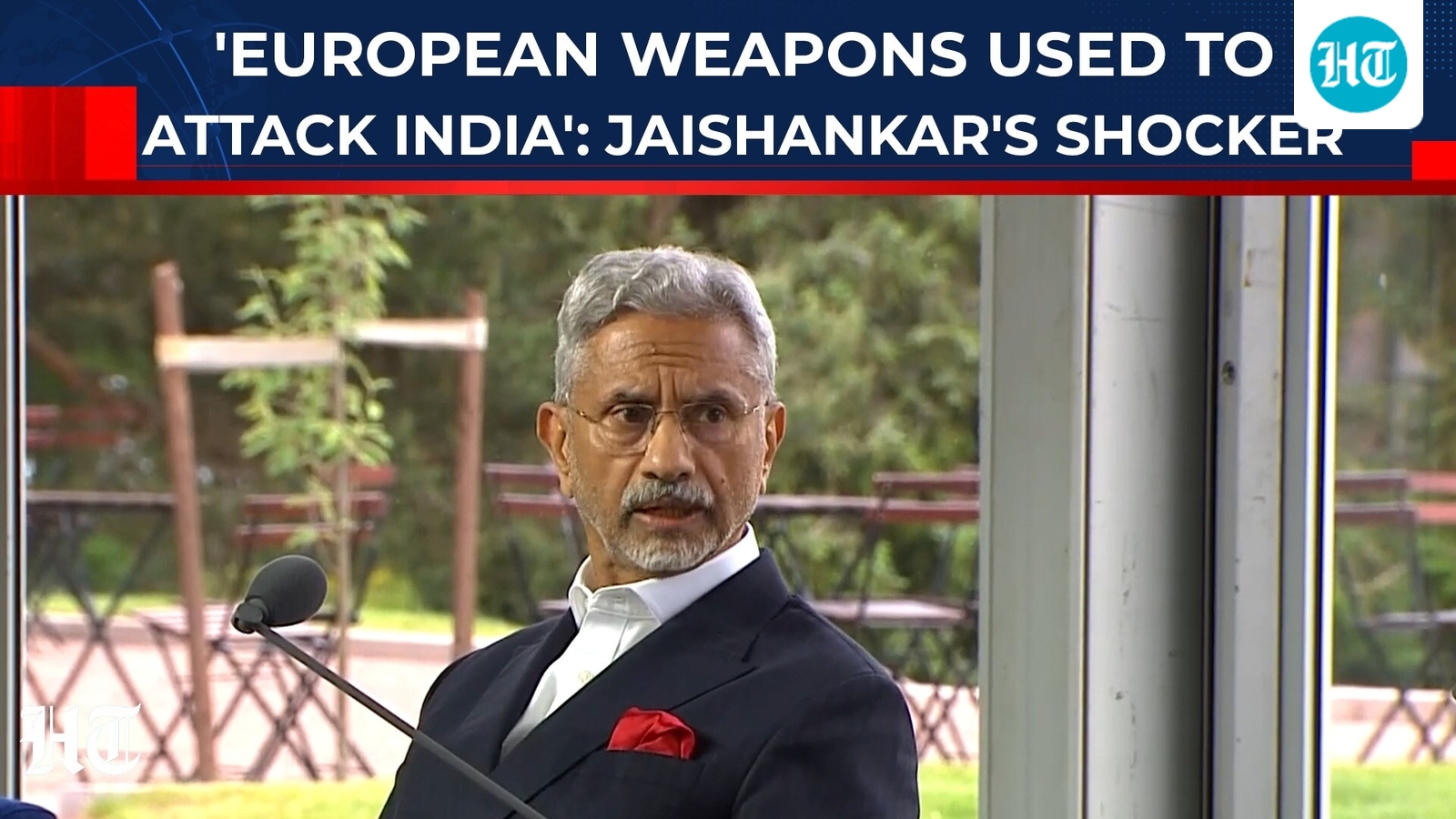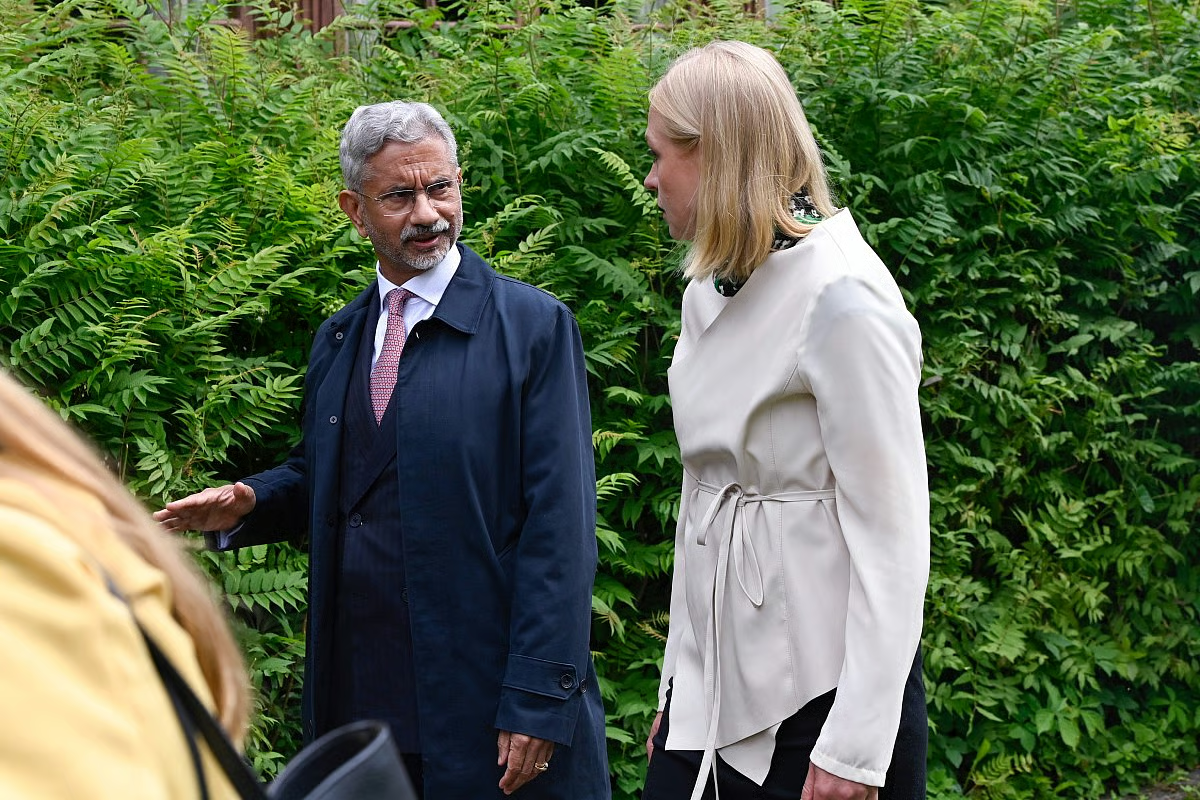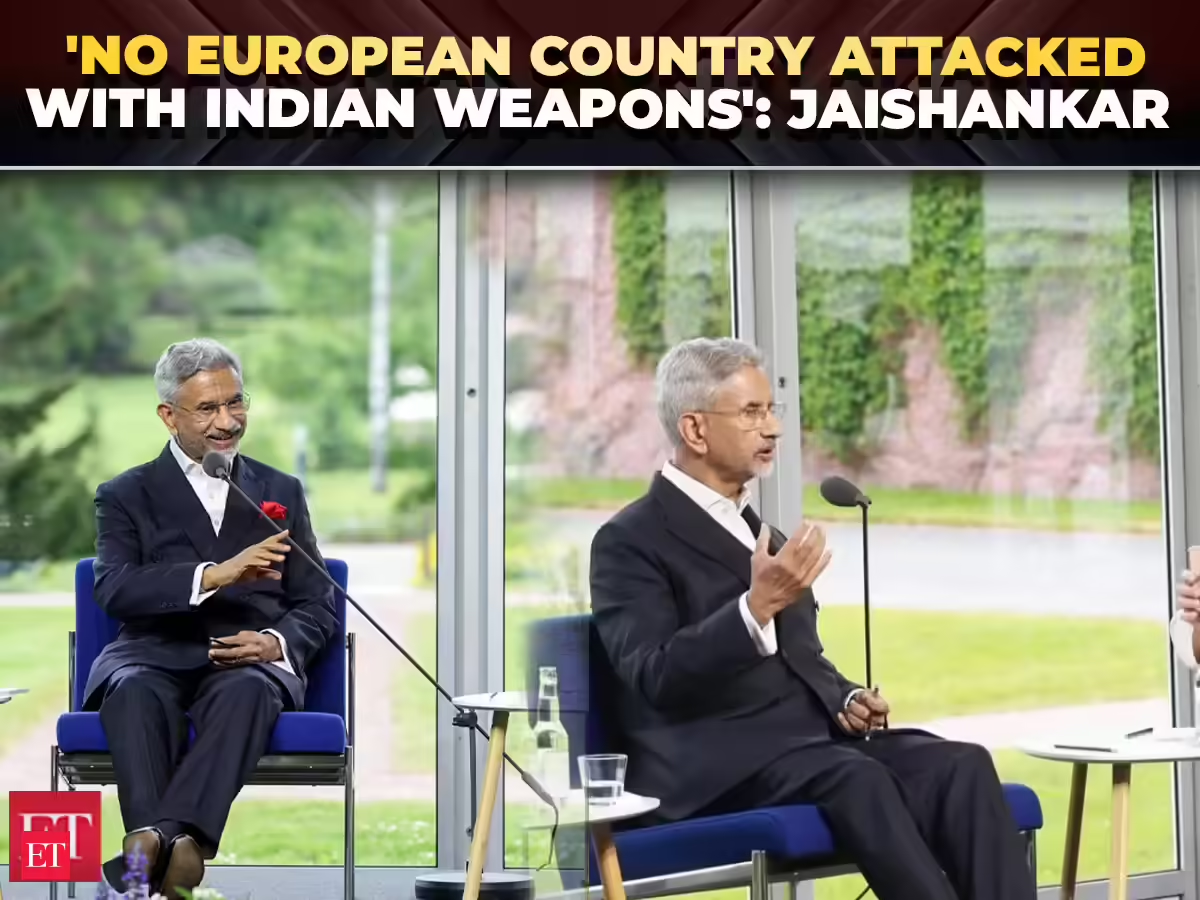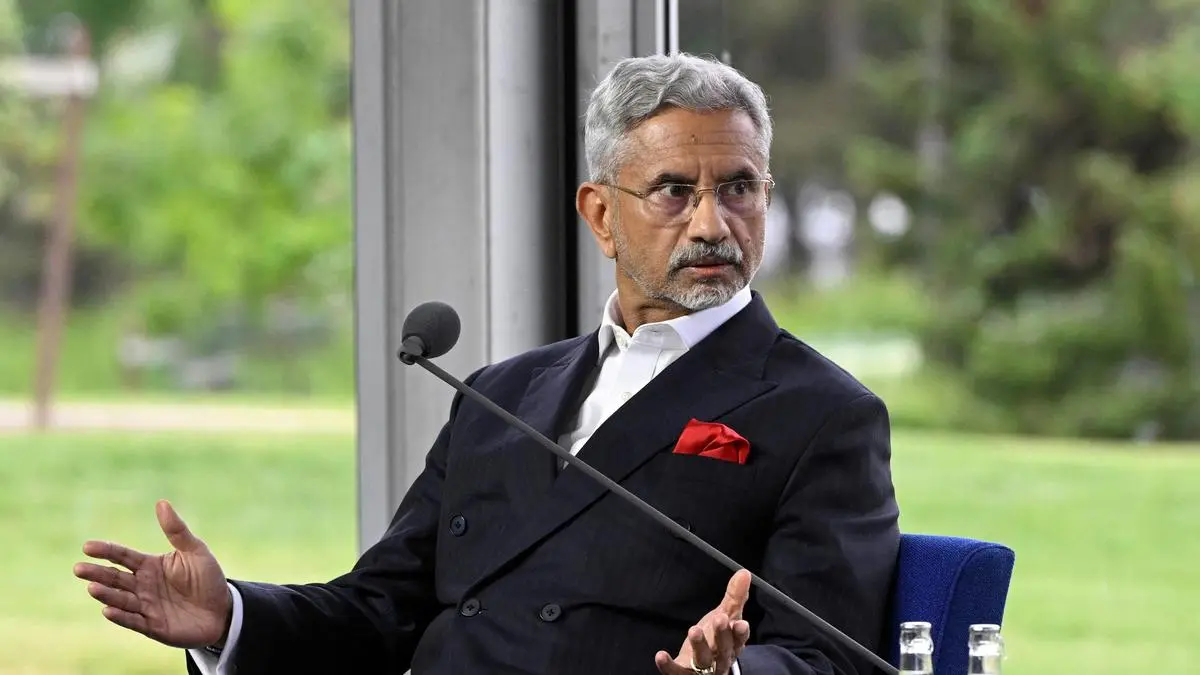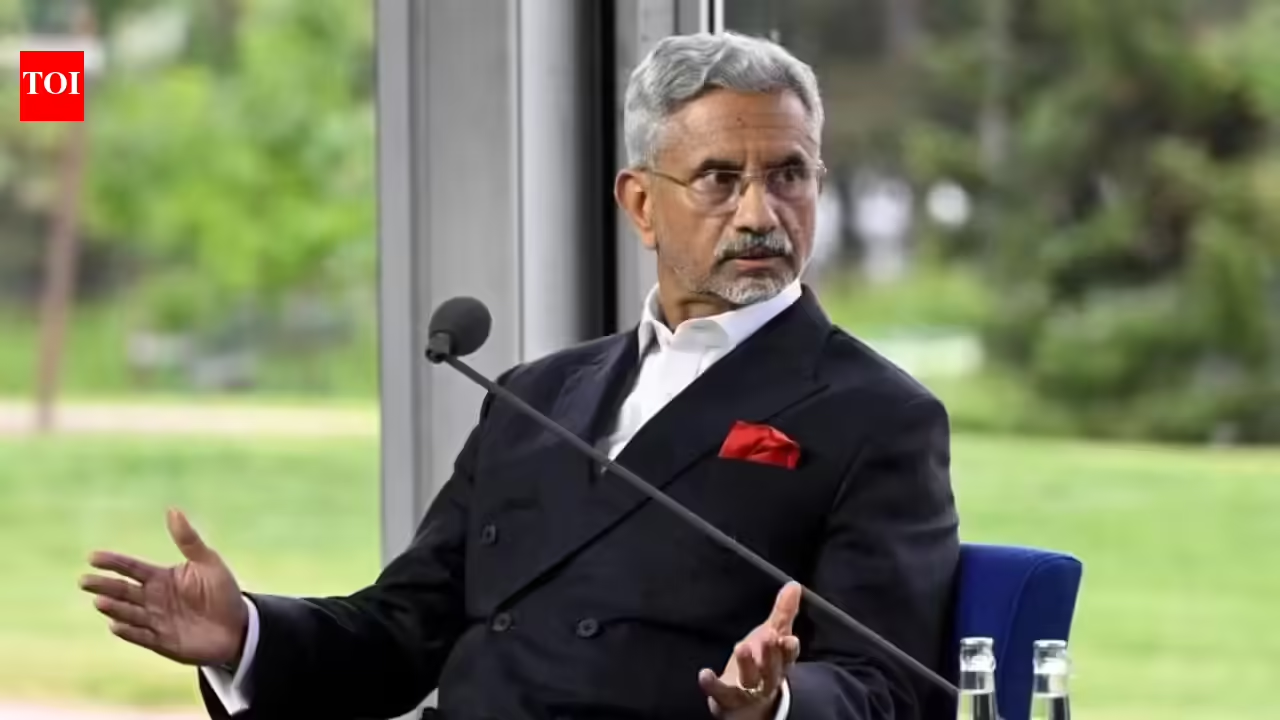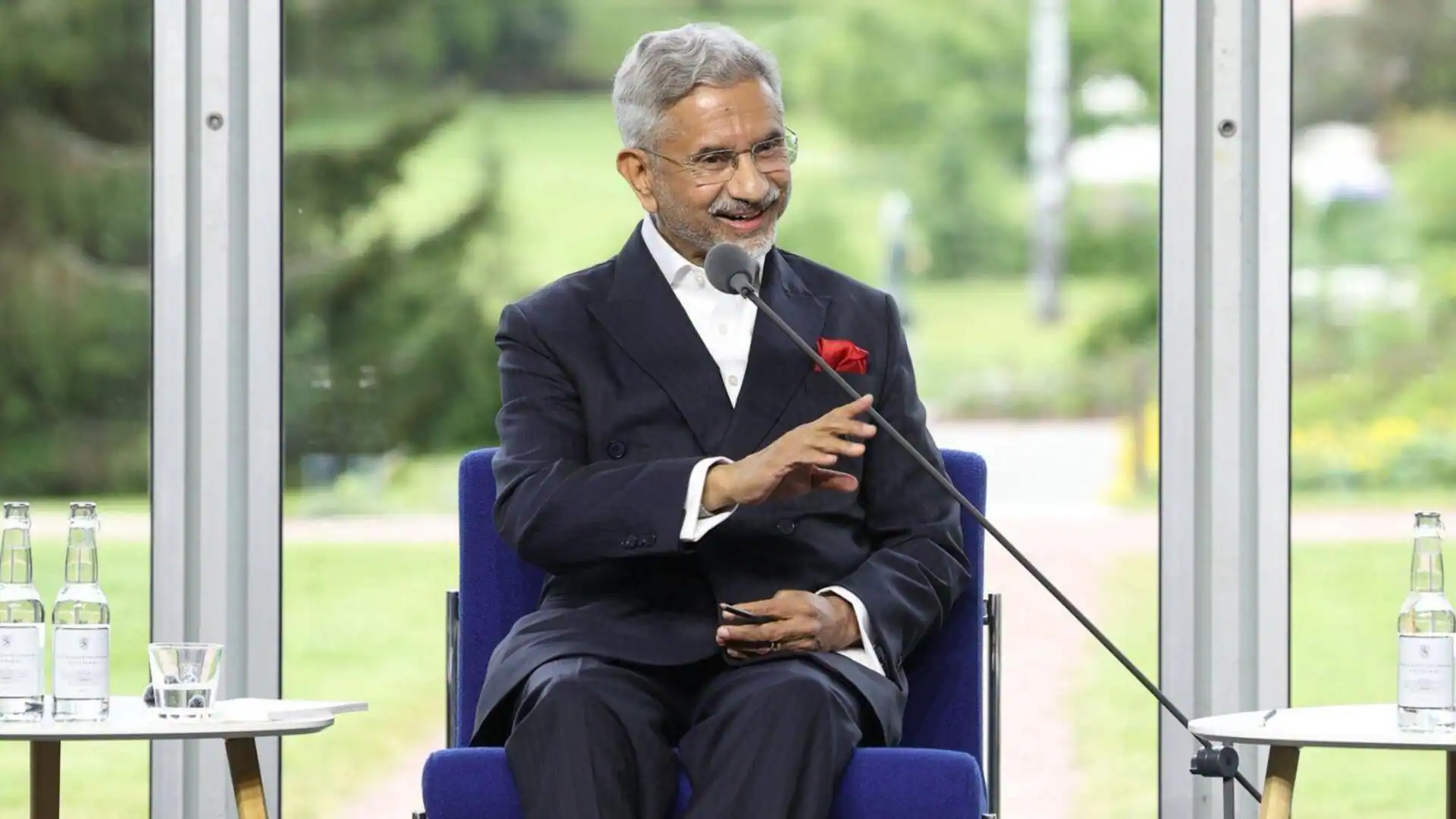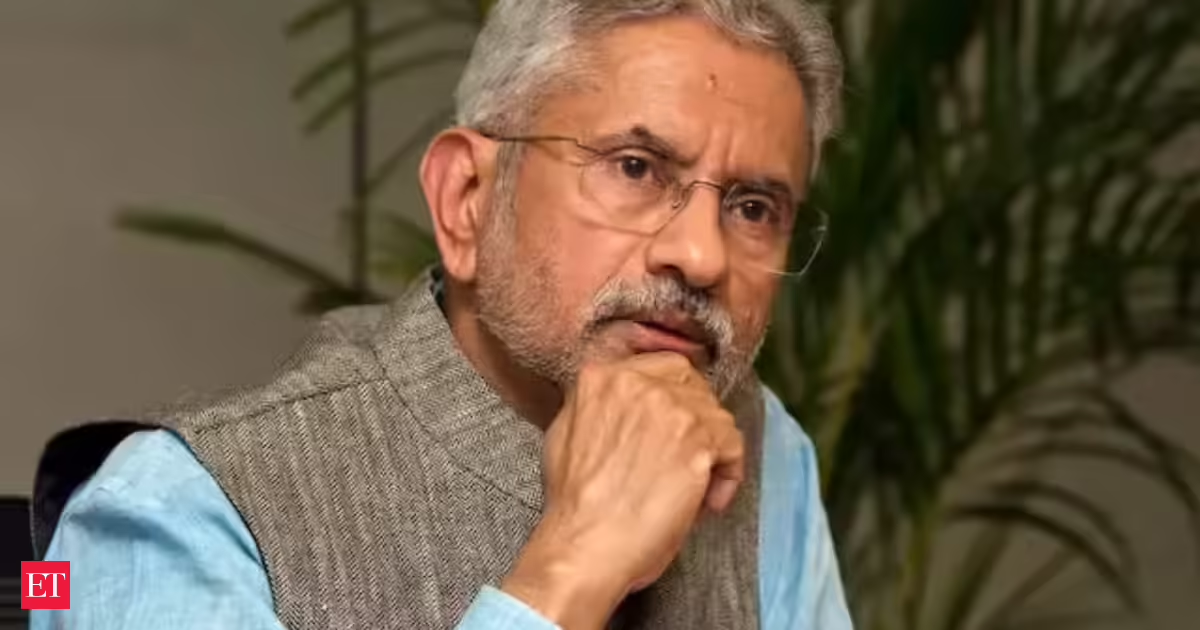
External Affairs Minister S. Jaishankar defended India's decision to buy Russian oil following the outbreak of the Ukraine conflict, arguing that New Delhi's purchases were guided by cost and availability considerations while taking a swipe at European countries over their arms exports, according to ANI report.Speaking at the Kultaranta Talks in Finland, Jaishankar was responding to a journalist who said there was a perception in Europe that India had adopted a position of "moral equivalence" on the Ukraine war and had been too willing to continue buying Russian oil despite the conflict.Rejecting the criticism, Jaishankar said market conditions at the time had pushed India towards Russian crude as traditional supplies from the Middle East were being diverted to Europe."I buy oil based on cost and availability," Jaishankar said. "At that point of time, much of the oil available on the market was Russian because Europeans were essentially buying up Middle East oil, which was a traditional supply. So circumstances pushed us in a certain direction."Drawing a comparison between India's oil purchases and Europe's defence exports, Jaishankar suggested there was a contradiction in European criticism of New Delhi's choices."Since you spoke about moral ambiguity, I would say this: no European country has been attacked with Indian weapons. I wish I could say that for European weapons," he said.Jaishankar added that "Europeans sell weapons, which are used to attack India," arguing that India had never engaged in similar actions against European nations.
'Europeans sell weapons, which are used to attack India': Jaishankar raises arms exports issue
India's External Affairs Minister S. Jaishankar defended the country's decision to buy Russian oil. He stated that cost and availability guided these purchases. Jaishankar also pointed out that European nations sell weapons used in attacks. He highlighted that India's actions did not involve attacking European countries with its weapons. This statement was made at the Kultaranta Talks in Finland.
TL;DRAI
India justified Russian oil purchases by cost and availability after Europe diverted Middle East supplies, while criticizing European arms sales to adversaries. The dispute shows supply chain realities and Western contradictions on vendor procurement strategy.
240 words~1 min read