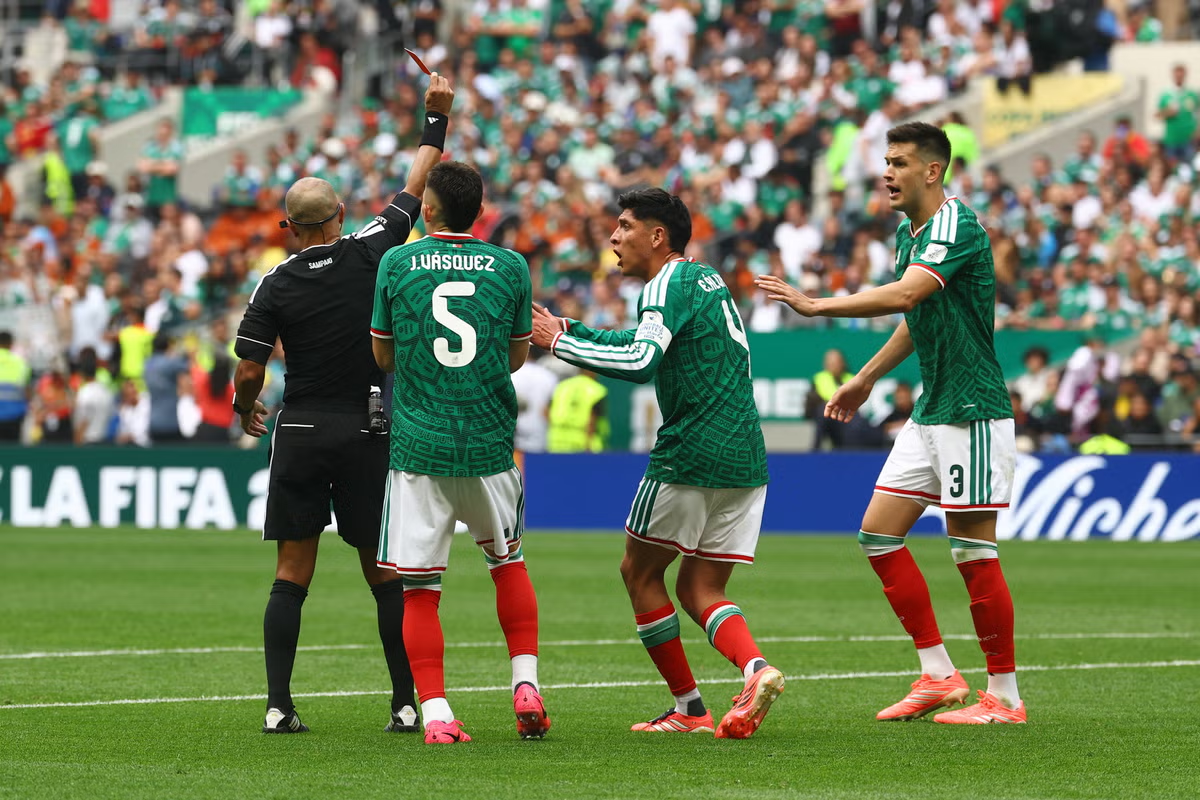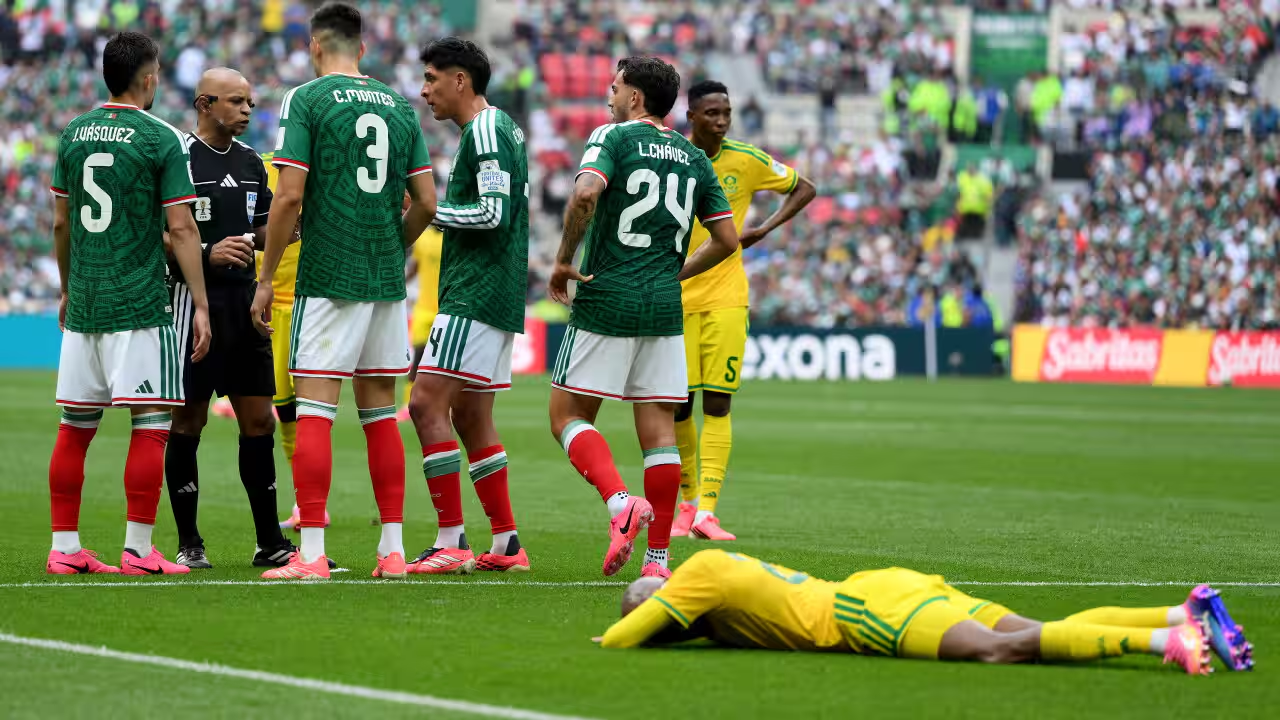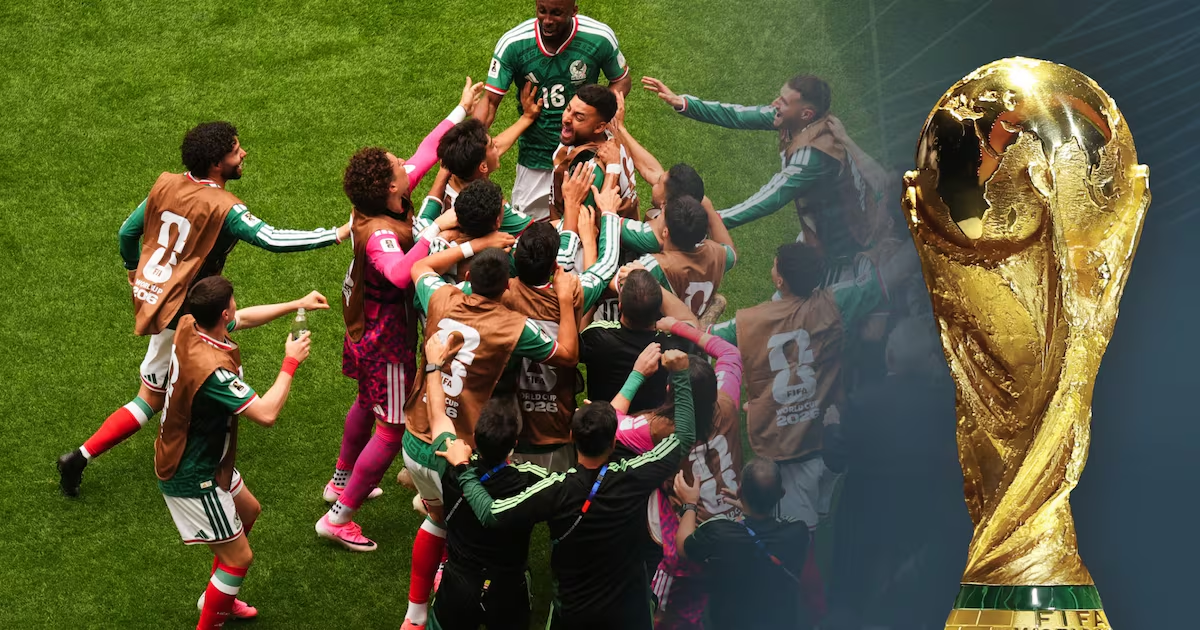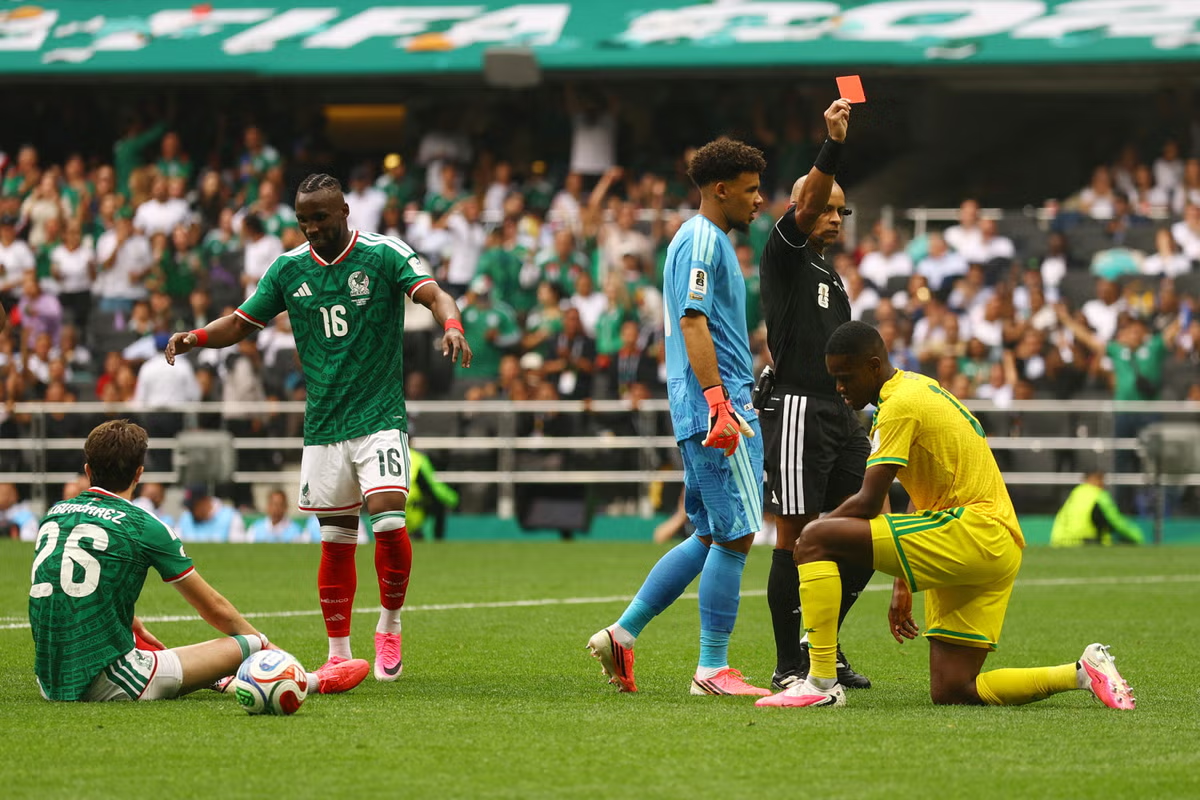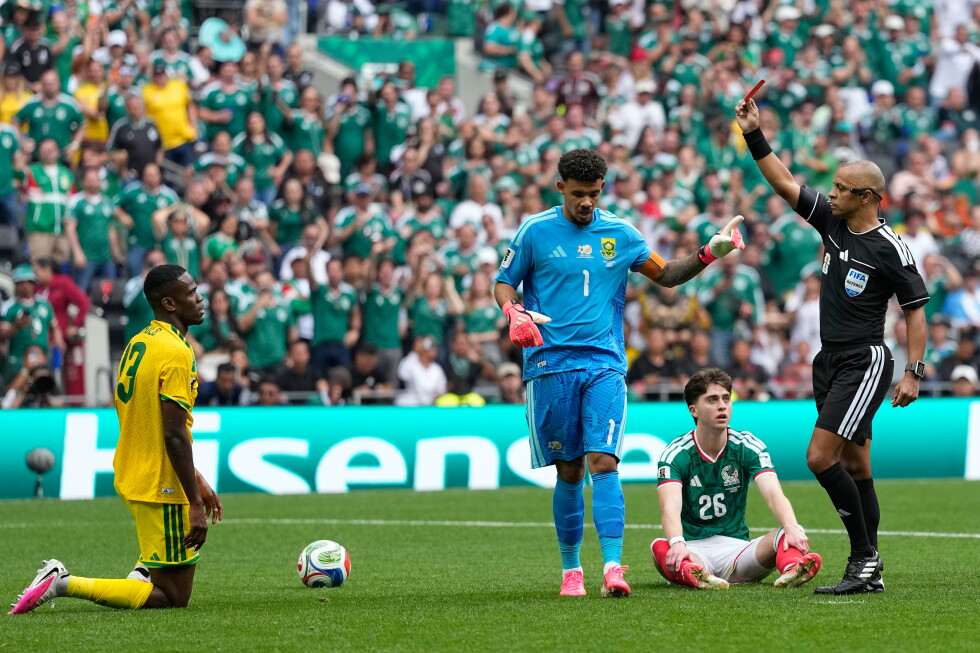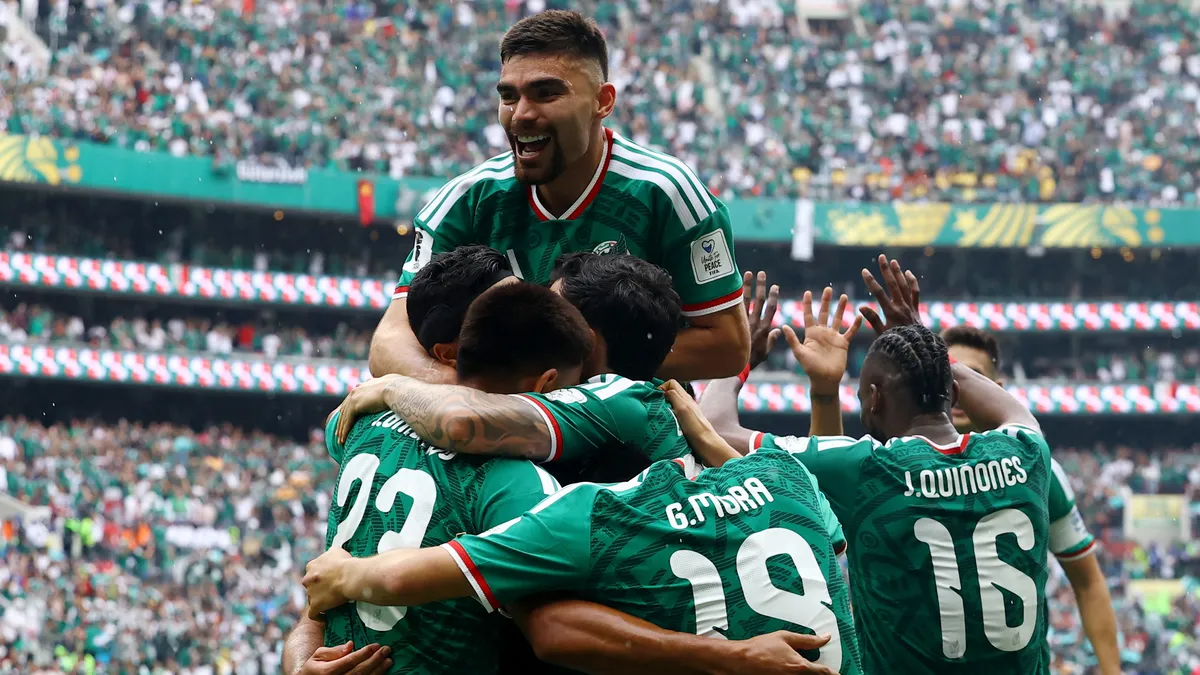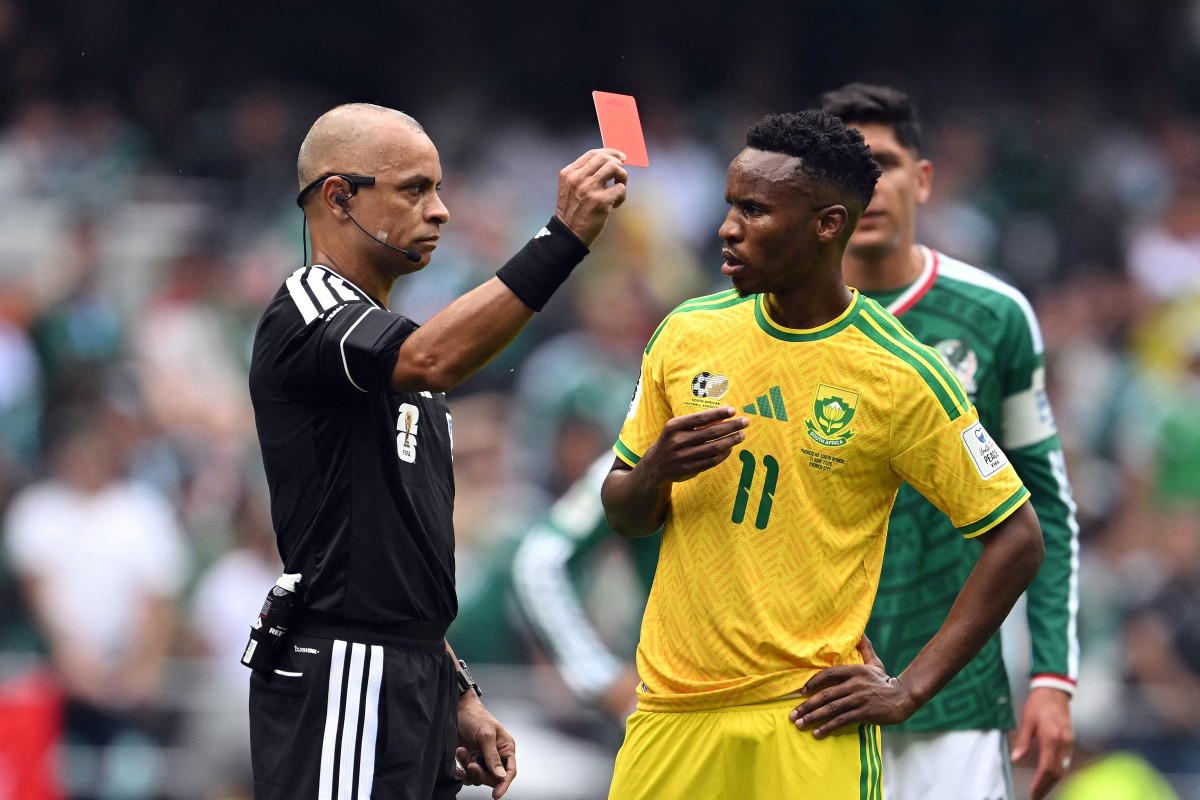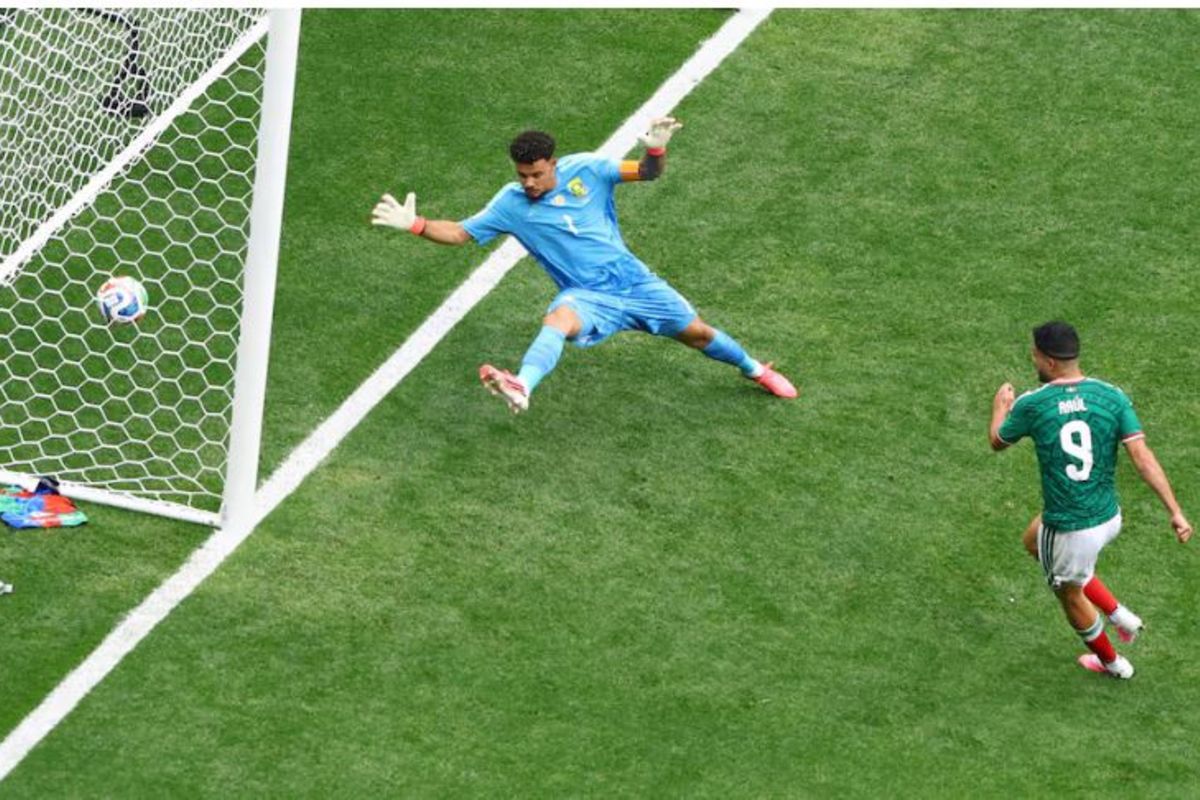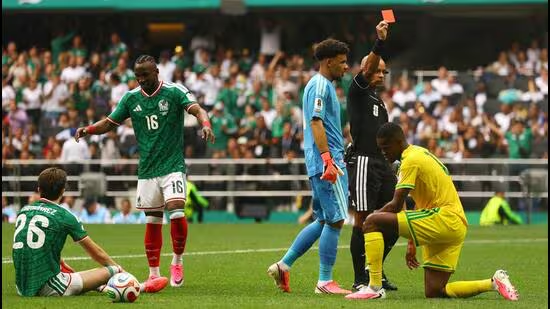
On any other day, the conversation would have centred around Oh Hyeon-gyu’s winner for South Korea against Czechia or even the World Cup’s opening goal by Julián Quinones for Mexico which had the majority of the Azteca stadium in raptures. It is the start of the World Cup — everyone wants a celebration of goals and lovely little touches. It just makes for a great atmosphere.South Africa's Sphephelo Sithole is shown a red card by referee Wilton Sampaio during the opening match against Mexico. (Reuters)But by the time the Mexico vs South Africa game ended with the hosts winning 2-0, the focus was on the red cards. South Africa’s Yaya Sithole and Themba Zwane were sent off, and then Mexico’s Cesar Montes was dismissed in stoppage time.Referee Wilton Sampaio’s performance in the game has become a global talking point. Reason? This was the first red card brandished in a World Cup opening match since Marco Etcheverry for Bolivia against Germany in 1994 and it had been 20 years since three players were sent off in one match.Since then the referees have been stricter or maybe the players have perhaps been a little kinder. Both the World Cups in Russia (2018) and Qatar (2022) saw just four red cards in the whole tournament. The 2026 tournament has nearly matched that already.Sithole card in the 49th minute was for a clear foul. He was sent off for bringing down Brian Gutiérrez as the Mexican was racing through on goal.The second red wasn’t as clear a decision. Themba Zwane was sent off following a VAR review just 23 minutes after coming on as a substitute for violent conduct.It was the first time a team has received two red cards in a World Cup match since Portugal and Netherlands both had two players dismissed in a 2006 round-of-16 meetingReferee Sampaio’s final red card, which he issued after deeming César Montes’ challenge on Khuliso Mudau a last-man tackle, was arguably harsh, brandishing a third card in added time.Pierluigi Collina has been at the helm as FIFA’s Chief Refereeing Officer and Chairman of the FIFA Referees Committee for nearly a decade and in his time, there has been a crack down on foul play in a bid to protect players from injury.Ahead of the Qatar World Cup, the Italian had spoken about the approach he wanted the referees to take.“The World Cup is the most important tournament on earth in our sport with the best players in the world,” Collina said. “It would be a shame if some of these players wouldn’t be able to play due to an injury caused by an opponent. So the first message to our referees is to protect the players safety,” the Italian had saidHe had added: “We don’t want to have some challenges that may really endanger the safety of the player. Whenever there is something that may endanger the safety of players, coaches should expect the strongest disciplinary sanction which is a red card.”Perhaps, these were just first game nerves. South Africa, wanting to make an impression in their first game, pushed too hard. There were a few reckless challenges before the first red card too. But the reaction of the referee should put other teams on alert too.A line has been drawn — one that teams have now been warned not to cross. This crachdown by the referees came after a whopping 28 red cards at the 2006 World Cup in Germany. A total of 17 red cards were shown at the 2010 finals in South Africa and 10 at the 2014 tournament in Brazil.With 48 teams participating in the World Cup, the net has been cast wider than ever. There will be a gap in class that has not always been on display before and that may lead to some desperate tackles too.Leagues in South America are generally known to be a little crazier than those in Europe. The highest reported number of players sent off in a single football match is 36 in the Argentine Primera D (fifth tier) game between Club Atlético Claypole and Victoriano Arenas on 27 February 2011. All 18 players on each side (11 on-field players and seven substitutes) were sent off following a no-holds-barred brawl.And then there was an incident in Brazil in March 2026, where a mass brawl led to red cards for 23 players from Cruzeiro and their fierce local rivals Atlético Mineiro after clashes at the Campeonato Mineiro final.“It’s regrettable, I have never seen violence like that in any football game,” Atlético’s former Brazil forward Hulk had then said. “We cannot set that example because it ends up having repercussions all around the world. We have a responsibility to safeguard our image and the image of the institution.”So maybe the three red cards are not a bad thing. The ground rules have been established and it hopefully sets the tone for a tournament where the only winner will be football.
A ‘red’ start to the FIFA World Cup
It was the first time a team has received two red cards in a World Cup match since Portugal and Netherlands both had two players dismissed in a 2006 round-of-16 meeting. | Football News
823 words~4 min read