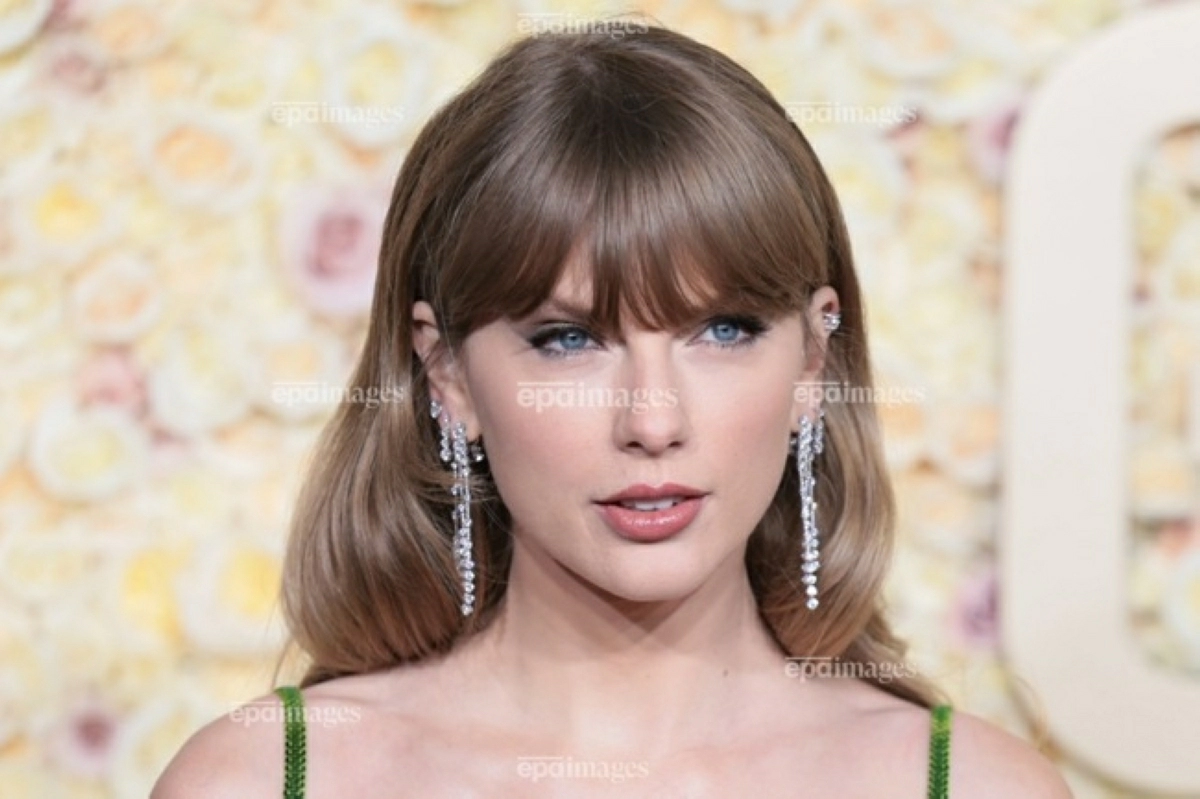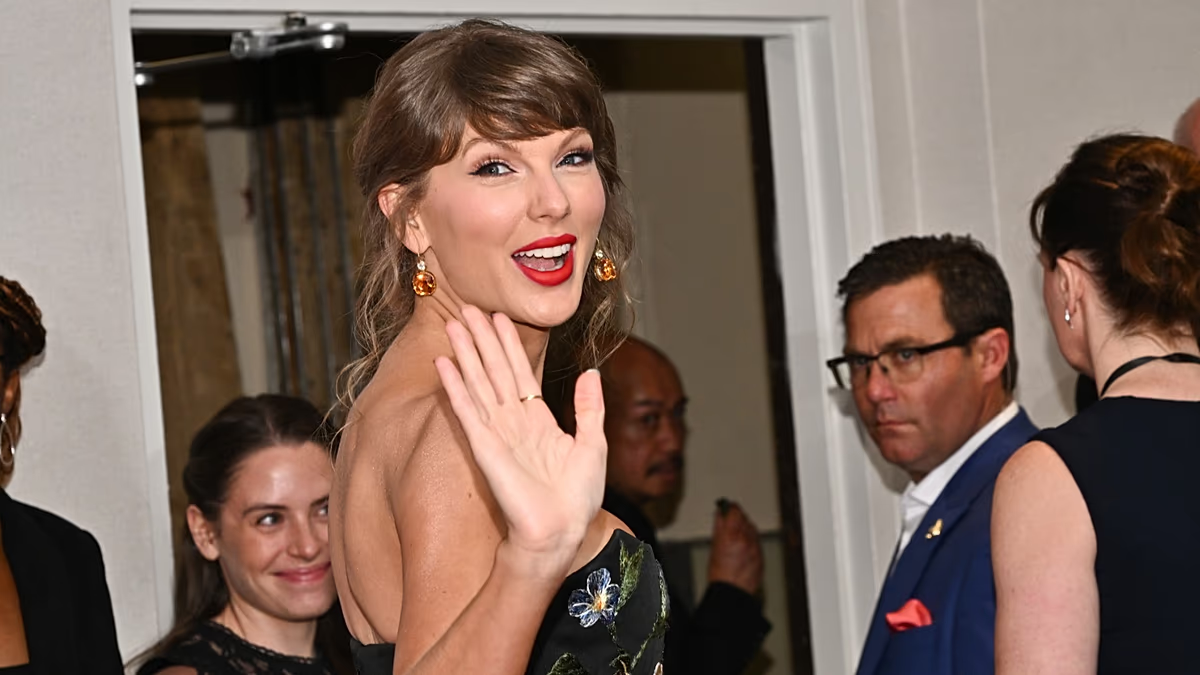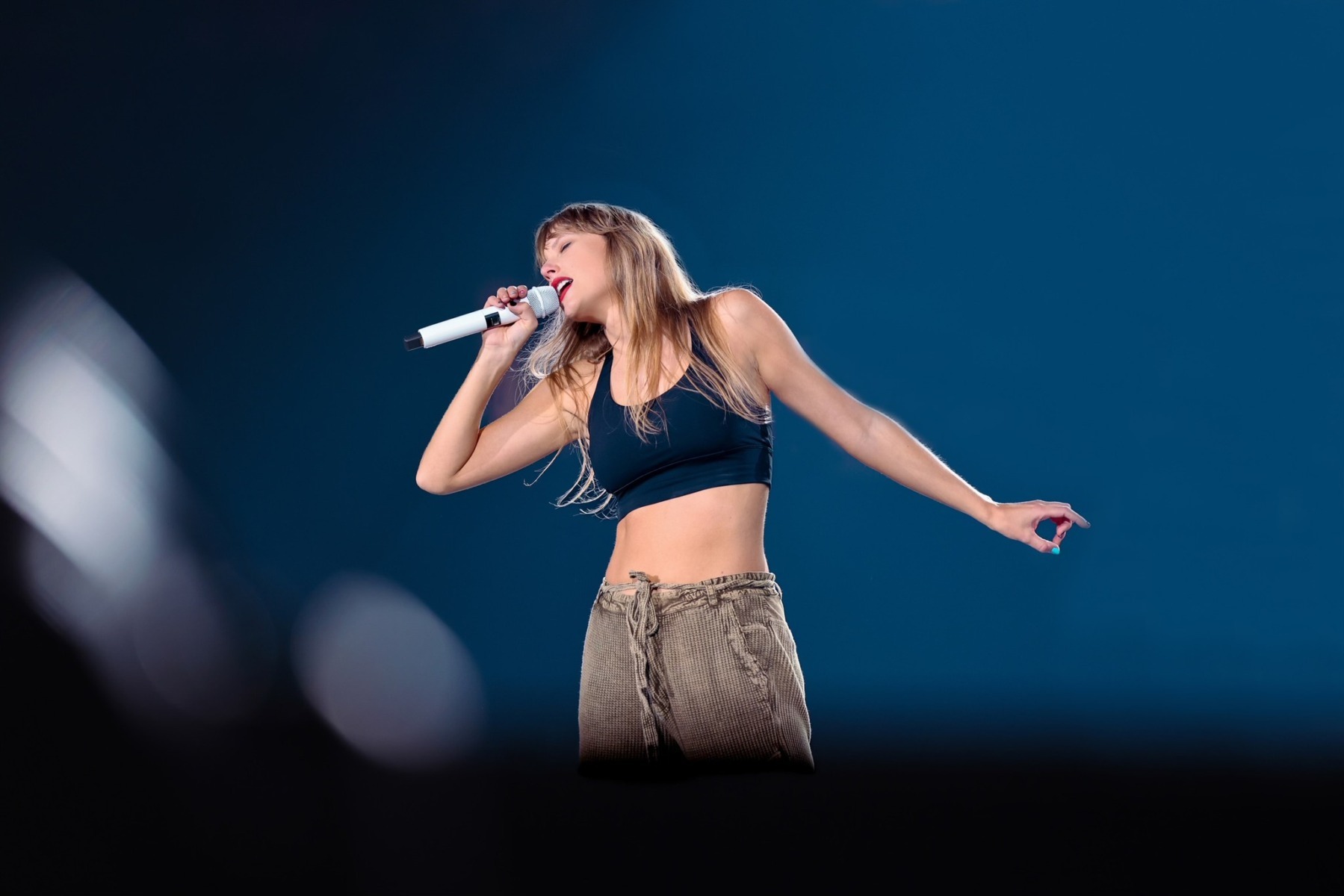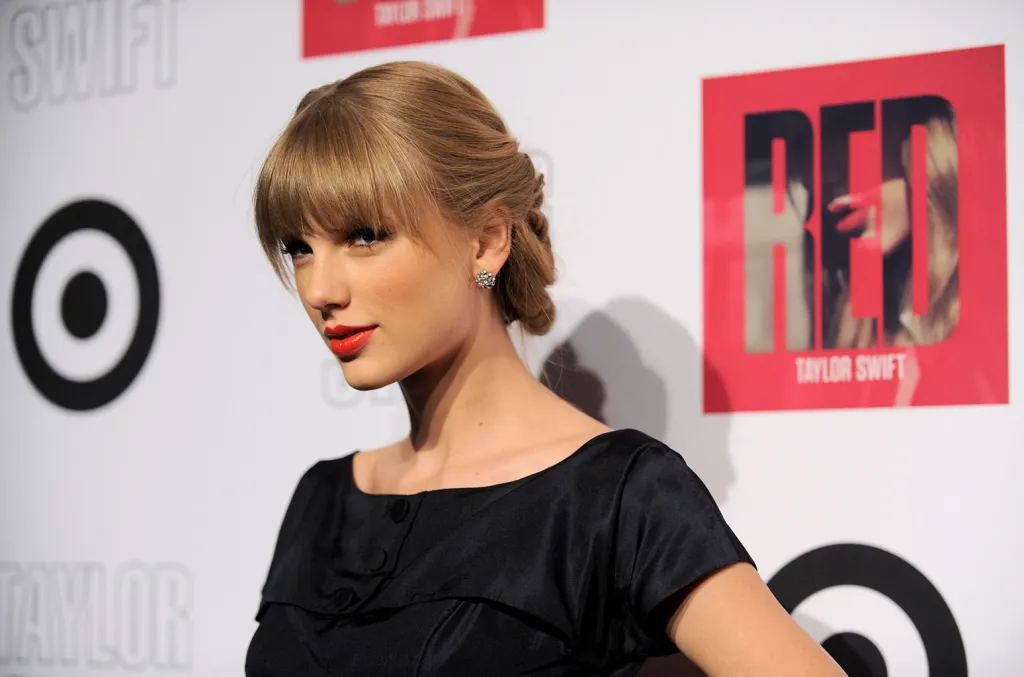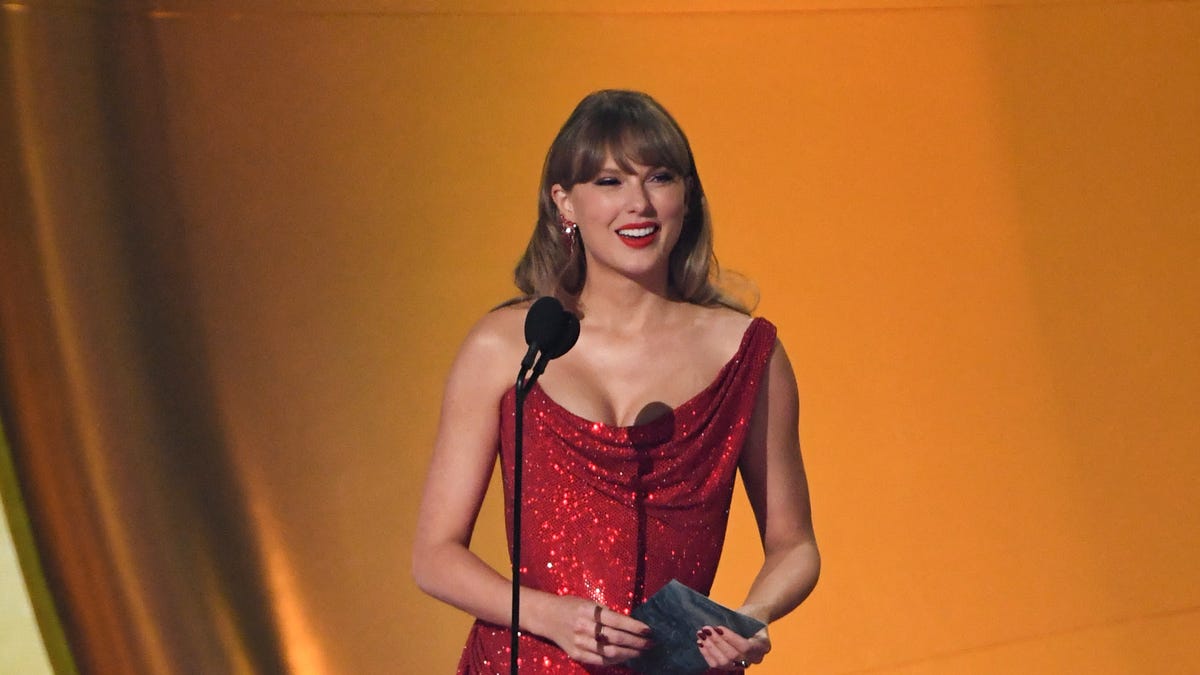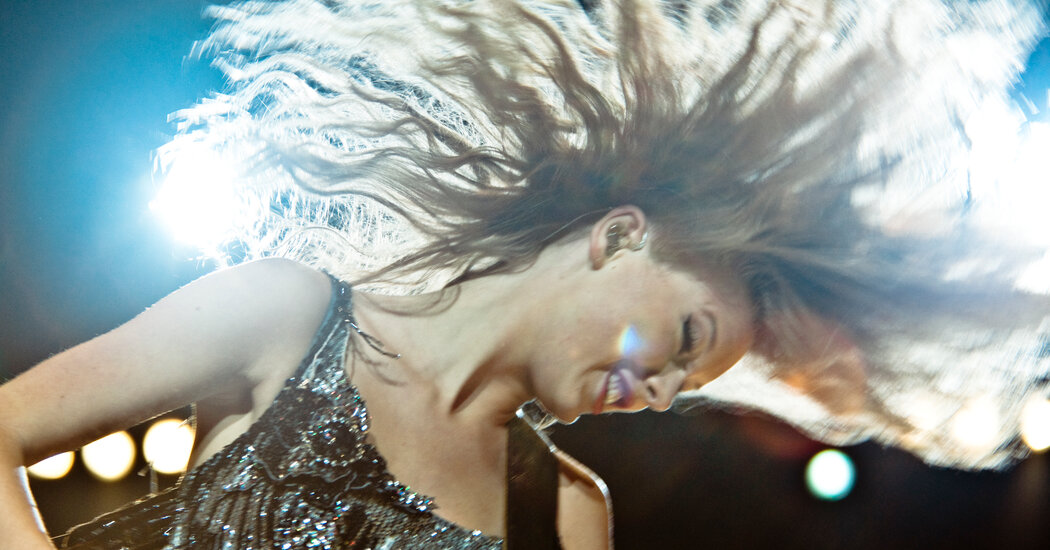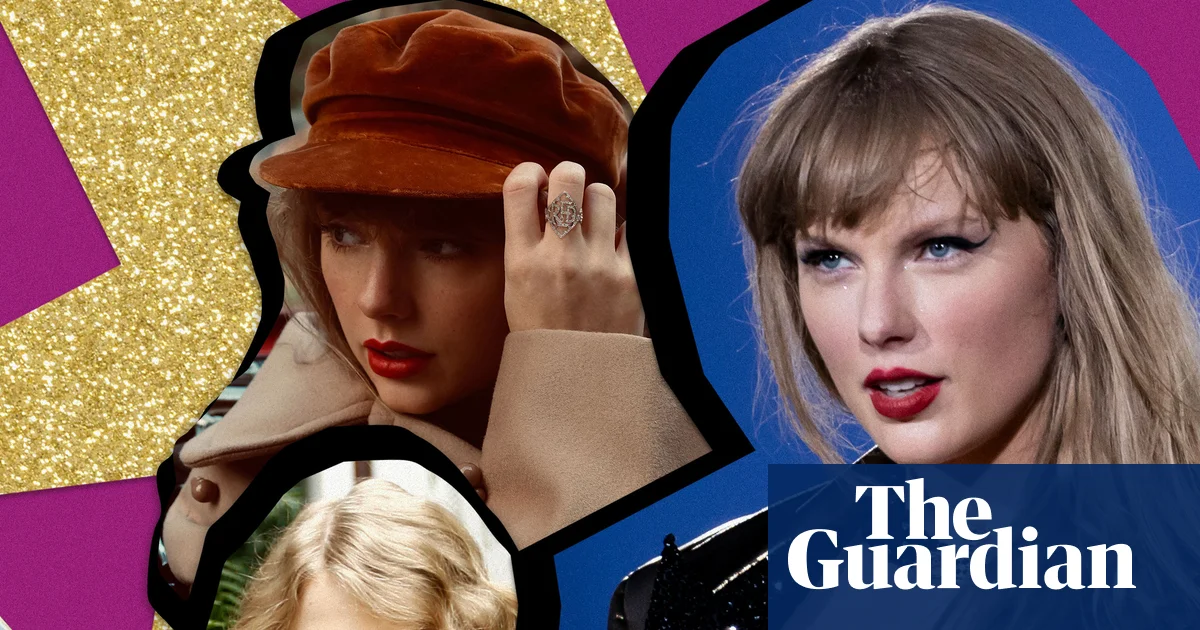
Where it all beganHow Taylor Swift’s debut single has defined 20 years of her pop stardom – videoReleased 20 years ago, Taylor Swift’s debut single is, on the surface, a tribute to the power of music, and about how hearing a song by your favourite artist can send you back to the memories associated with first hearing it. She named Tim McGraw after one of her favourite country singers, with a sentiment aimed at a former boyfriend who had left her behind: “When you think Tim McGraw,” she sang, “I hope you think of me.” The power of Swift’s songwriting and the immediate force of her presence as a pop star mean that that is what most of us think when we think Tim McGraw. From day one, we could see Swift’s power to remake culture in her own image, a talent that has – two decades on – made her one of history’s biggest pop stars.The sleek 36-year-old showgirl we know today may seem a million miles from that country teen with her corkscrew curls and cowboy boots. But if you look past the slightly hokey southern twang on her debut single, that song contains almost everything we know about Swift as an artist today. The fundamentals are there: no 21st-century pop star has written about romance better, and she conjures her setting with what would become her trademark intimate detail – the “little black dress” that would make way for that scarf she left at an ex’s sister’s house; the moon on the lake that foreshadowed all the kissing in the rain; the cars parked down back roads where the young couple had secret trysts lit the way for hitting the brakes too soon. But we can also see her assured sense of rewriting tired narratives. From the first line, when she recalls her lover telling her “the way my blue eyes shined put those Georgia stars to shame”, she tells him: “That’s a lie.”Swift knows she tells better stories than everyone else. From day one, she also knew the power of being the person who gets to tell the story. Here she rewrote small-town southern romance; years later she undid the man-eater archetype on Blank Space and gave life to the spectre of the “mad” woman on The Last Great American Dynasty. In Tim McGraw, once the guy has left, she writes him a letter that tells him how he should think about their time together, and leaves it on his doorstep – the bold author of her own fate. He may have gone, but in extremely Swiftian form, it’s her who is having the last word: the foes who would later inspire songs such as Mean, Bad Blood and Look What You Made Me Do never stood a chance. She also knows how to make time work for her, backflipping around the chronology of their relationship – from past memories to present pain to future nostalgia – to take complete narrative control of a situation. You might hear a song from your past and get a vague warm, fuzzy feeling. Swift is a beautiful freak who remembers it from every angle, all too well.From the beginning, Swift showed us exactly who she was, revealing the innate focus that helped create the defining pop songs of our time – as well as a career that wrote her into legend, making her the lens through which we understand so much of pop, pop culture, womanhood, the music industry, and much, much more. Here are the 20 ways she remade the world in her own image. Laura Snapes Image credits: Jeff Kravitz/FilmMagic; Big Machine RecordsShe escaped growing painsGrowing pains have always been a rite of passage for teen-girl pop stars – as much as the No 1 singles and big-budget videos. In a more manufactured era, obsolescence was built in: inevitably you would rebel against the system that controlled you, and, inevitably, it would spit you out.Swift understood that maintaining control would protect her. She knew that writing her own songs would create an authentic personal relationship with fans – one that she assiduously deepened IRL – that no label would dare mess with. From 2008, when she released her second album, Fearless, her management became a family business. Being the flagship success of a small label, Big Machine, also gave her the agency to grow on her own terms; label head Scott Borchetta even encouraged it, suggesting that 2010’s biting Speak Now shouldn’t be named Enchanted, after a lovestruck song of the same name, because she was no longer writing about “fairytales and high school”. Every corkscrew curl, princess dress and bowler hat was her own choice; she marked her growth in her genre evolution, from country to emo to sleek pop. As she said in 2015: “As far as the need to rebel against the idea of you, or the image of you: like, I feel no need to burn down the house I built by hand. I can make additions to it. I can redecorate. But I built this.”You could argue it came at a cost. Interviews with the teenage Swift reveal someone acutely aware of the price of stepping out of line: in high school, she characterised her refusal to party as a choice “between being popular or not messing my life up”; she didn’t drink until she turned 21 (“I knew I couldn’t get away with it until then”) and knew that after you mess up once, “people are going to be waiting for you to mess up again”. In 2009, one profile writer noted: “Self-preservation is one of Swift’s favourite phrases.” Several of the older, unreleased songs she resurfaced as the bonus “From the Vault” tracks on her Taylor’s Version re-recordings dwelled on her anxiety about being replaced by younger models. That level of control and perfection is just as unsustainable as, say, pretences over Britney’s virginity; you could see how it may have contributed to the disordered eating Swift experienced in the mid-2010s, and how unbearable it would have been when she lost control of the narrative for a few years around then.Yet, Swift made it to young adulthood without directly creating scandal or revolt. You suspect her unmatched polish may have sent the press, as her ingenue status faded, searching for any stick to beat her with and coming up with … her very normal boyfriend count. The pathetic nature of those charges underscored a rigged game no amount of perfection could beat – but Swift got further than most, and opened up a slipstream for her successors to self-define. LS
20 ways Taylor Swift remade pop culture in her image
It has been 20 years since Swift released her debut single, setting in motion a career so extraordinary, it permanently redefined the concept of pop stardom. This is how she did it
7,184 words~33 min read