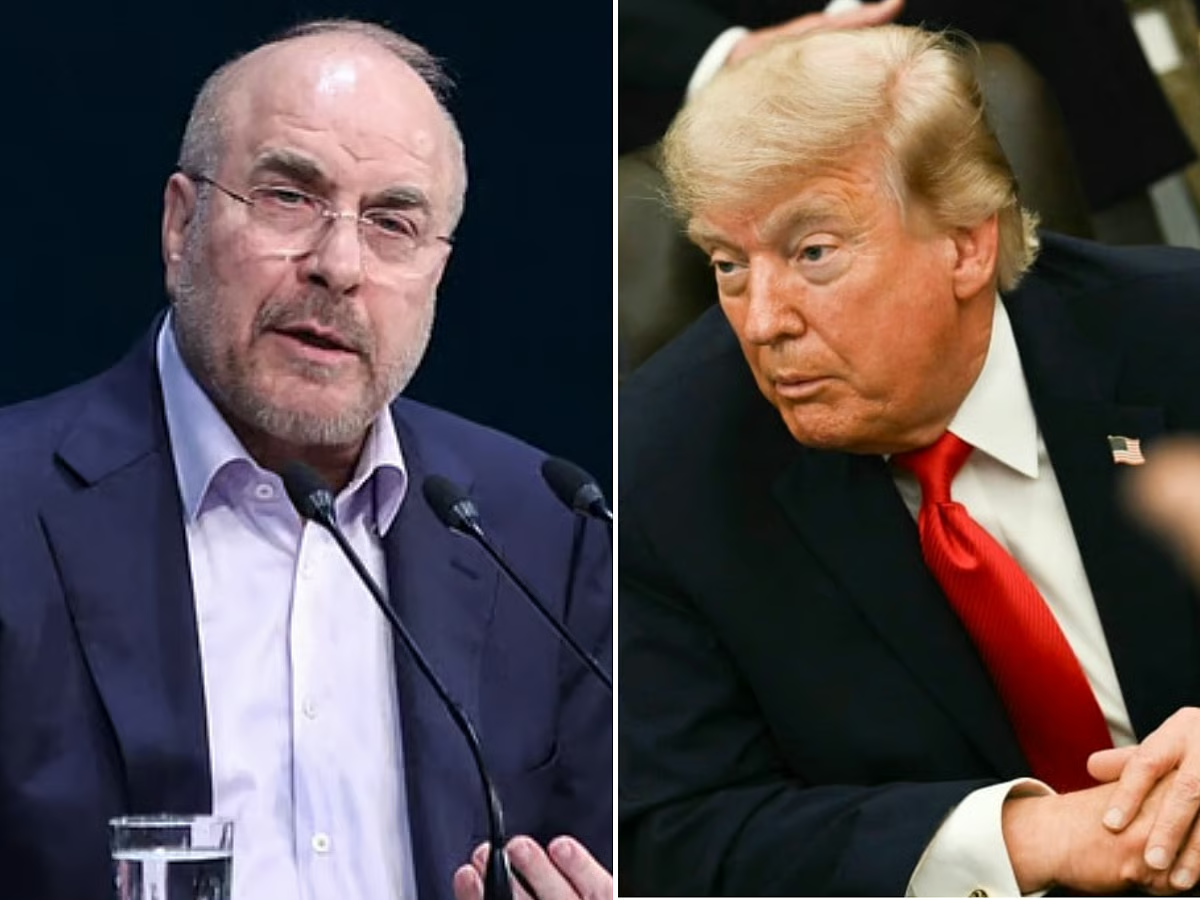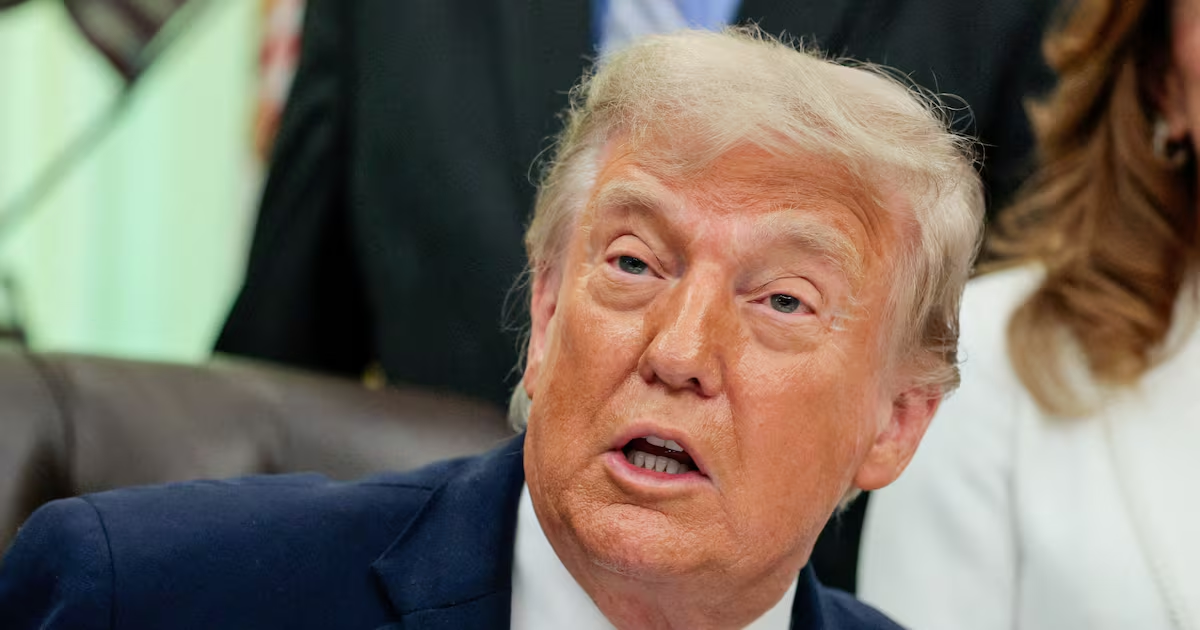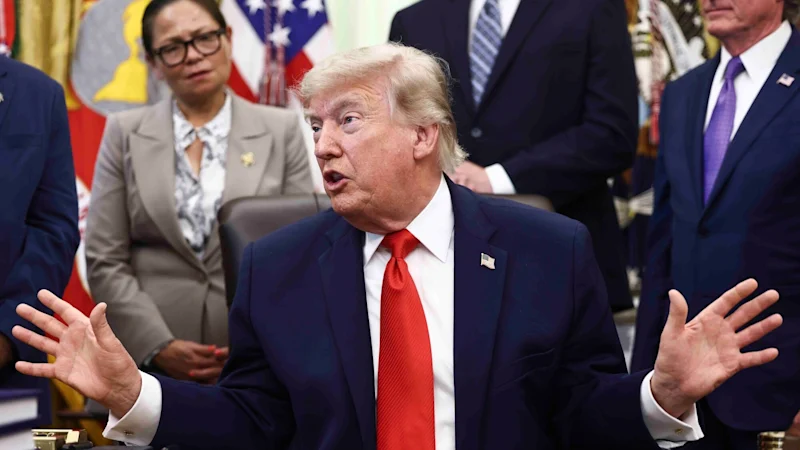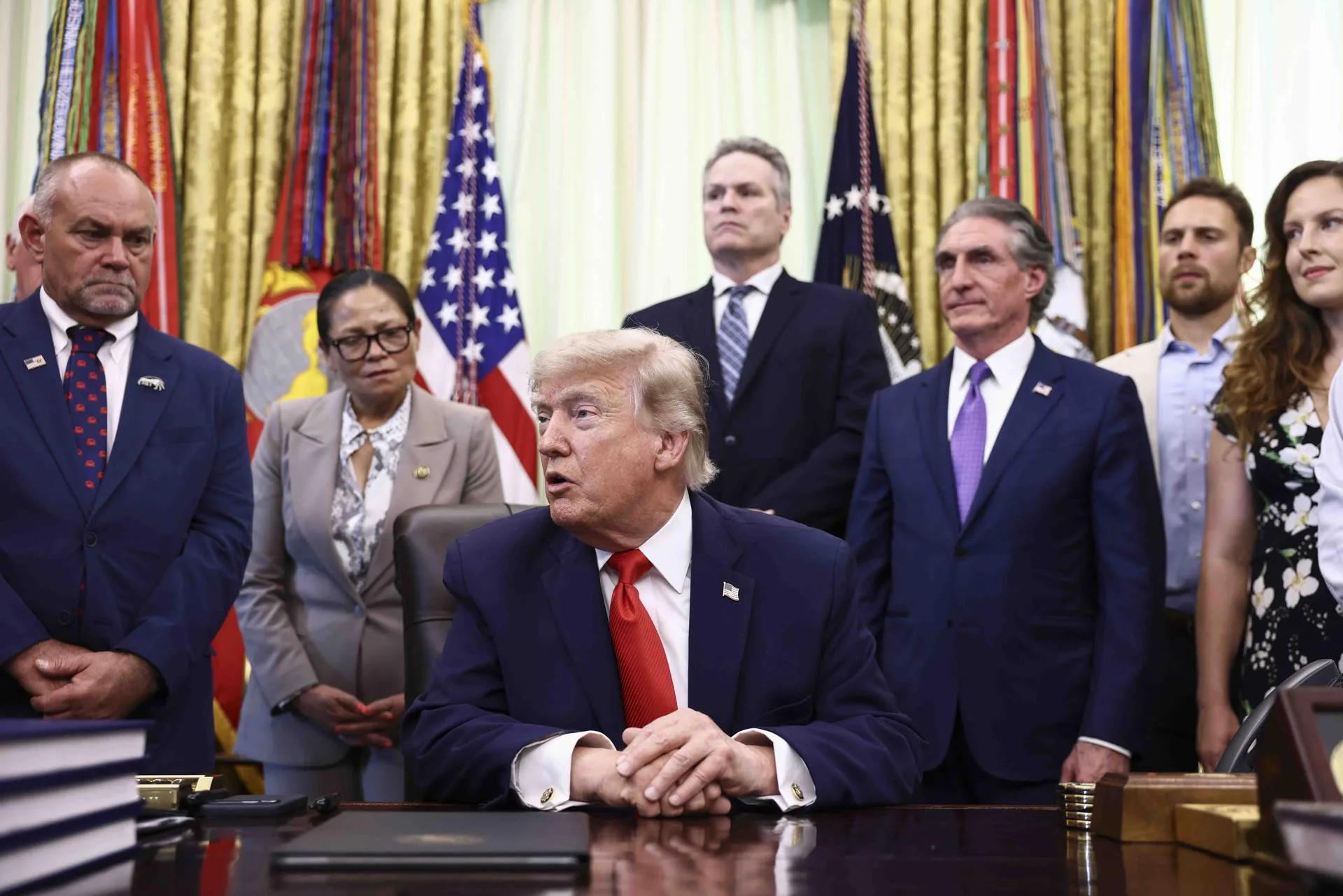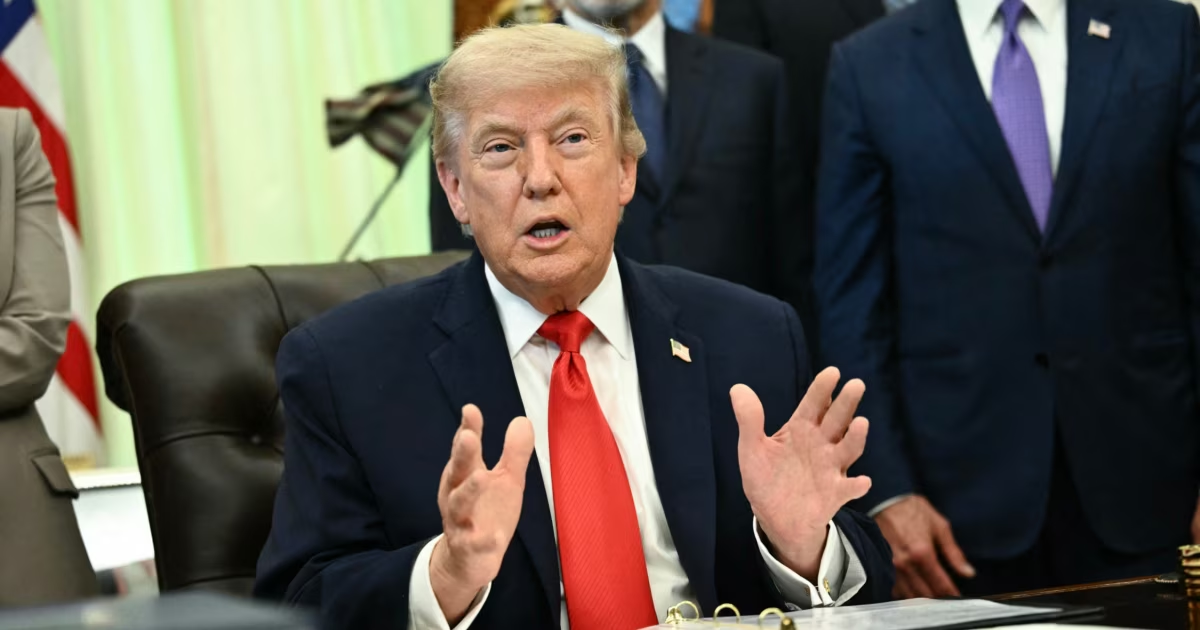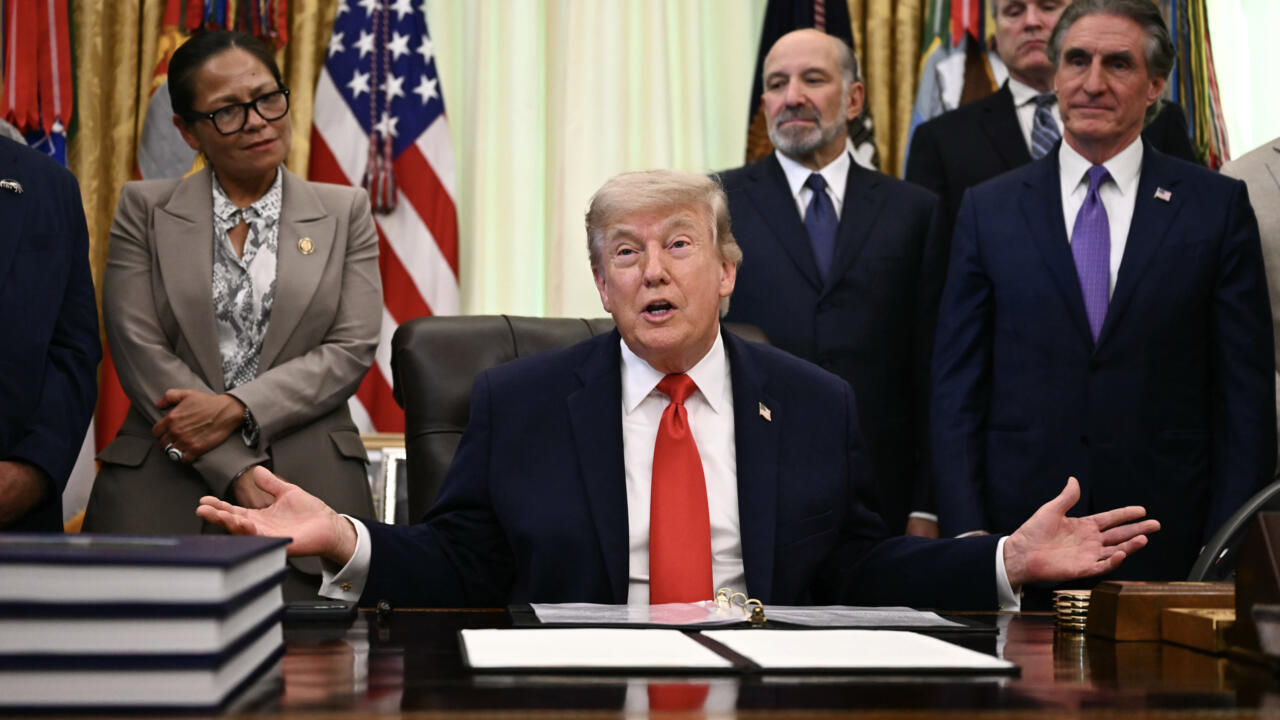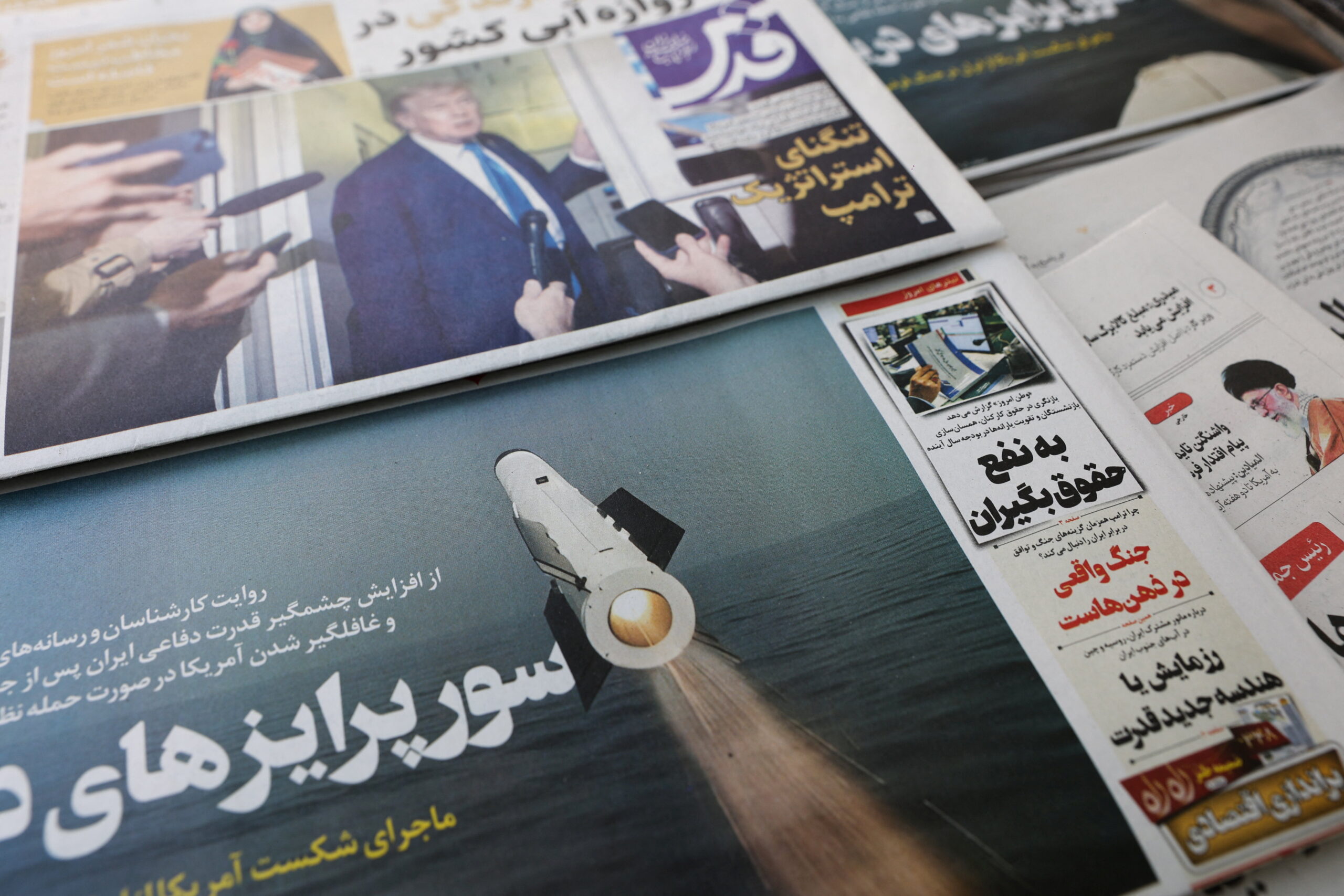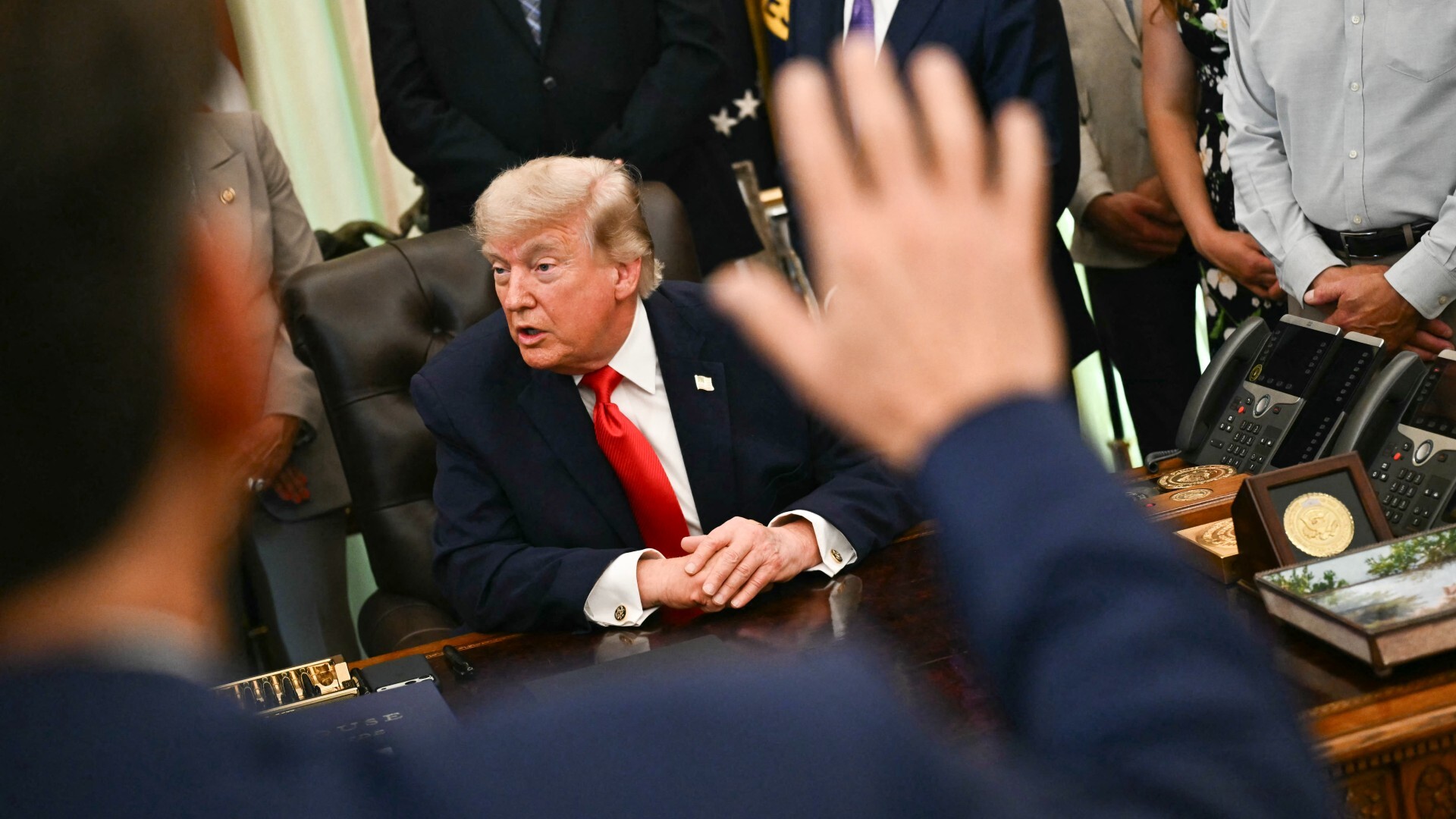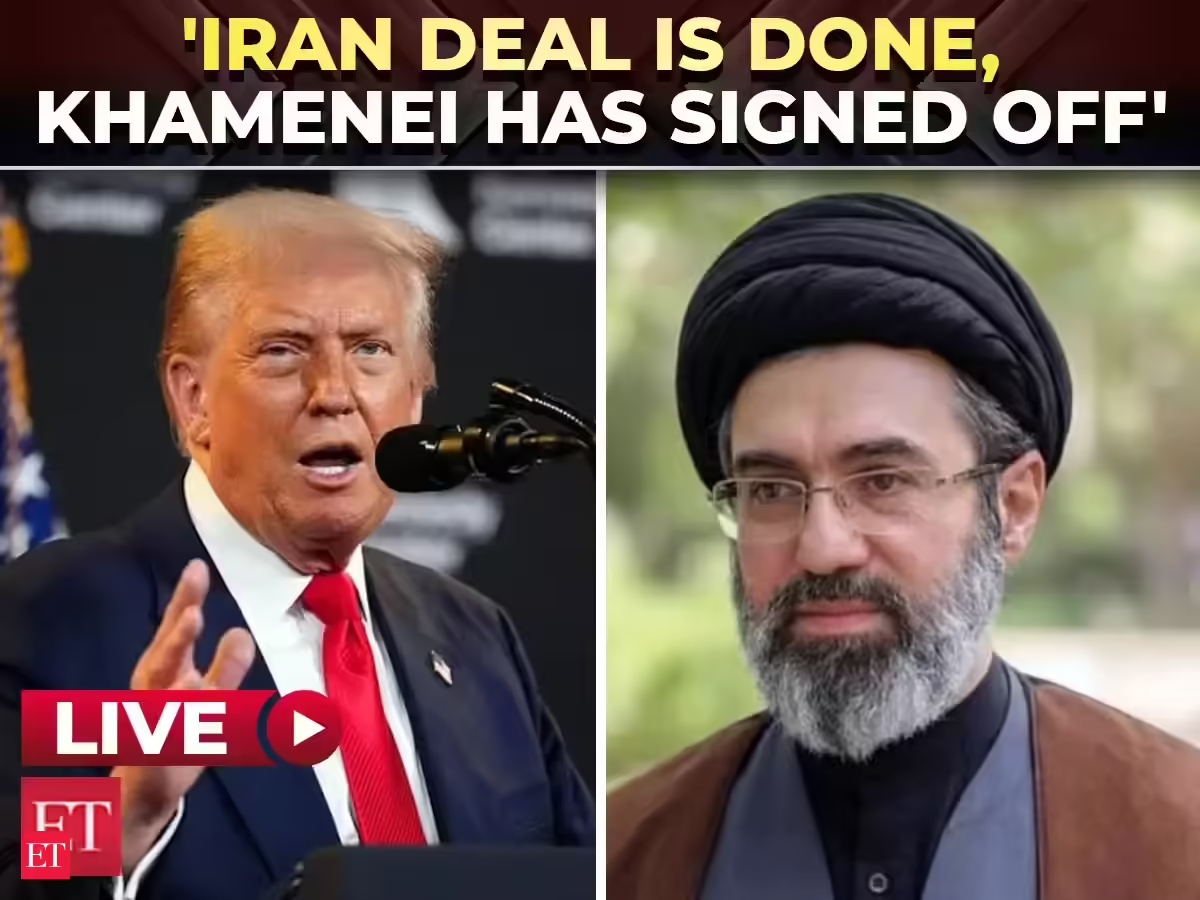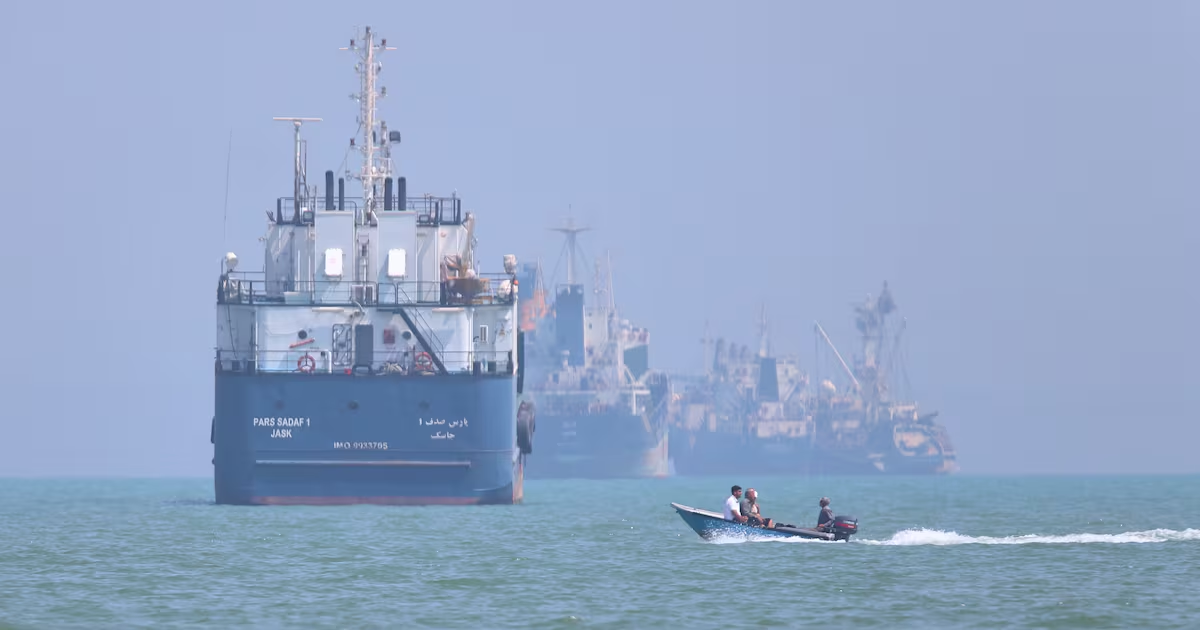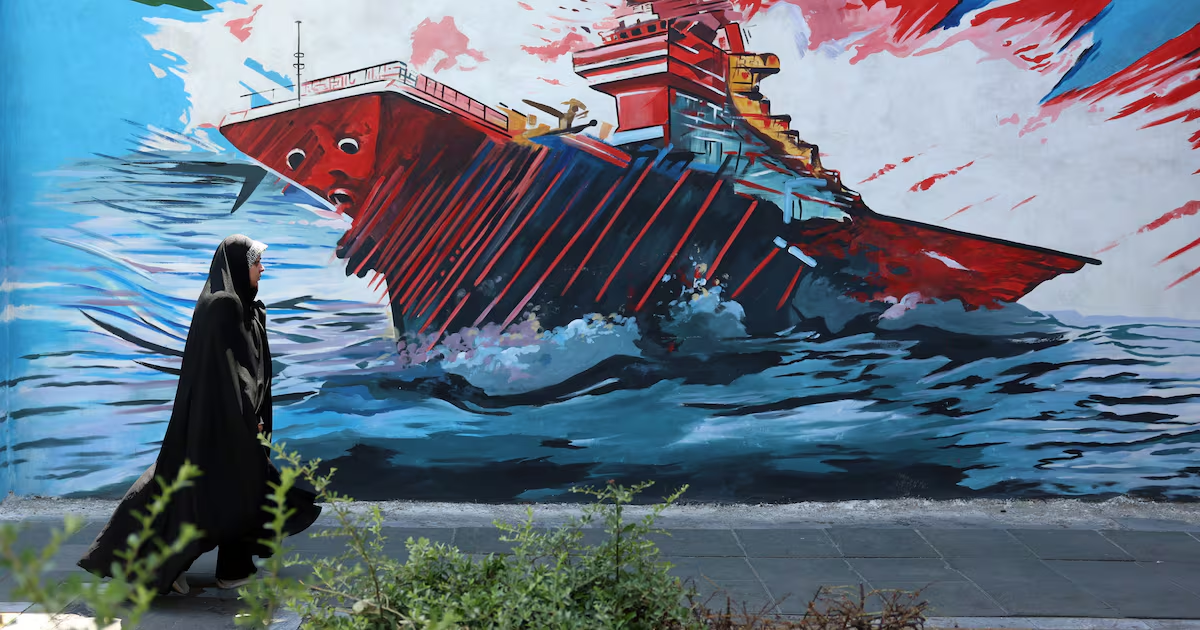
President Donald Trump says the US and Iran are close to signing a “great settlement” that could end months of regional conflict and reopen the Strait of Hormuz to unrestricted shipping.The announcement has been met with caution in Tehran and received coolly in Israel, where Prime Minister Benjamin Netanyahu has sought to distance himself from the emerging agreement.Here is what we know so far:What's in the deal?The Strait of Hormuz would reopen immediately after the agreement is signed, without tolls.A return to pre-war shipping volumes within 30 days.The US blockade would also be lifted.Iran will "never" have a nuclear weapon.Down-blending Iran's highly enriched uranium inside the country under the supervision of UN inspectors, US media reported.Sanctions relief tied to the implementation of the deal.Limits on missile production and support for proxies in the region.The deal will be called the "Islamabad agreement", according to Axios.The logisticsThe deal will be signed in Europe.It is a memorandum of understanding thought to be valid for 60 days, during which a final deal should be negotiated and agreed to.Mr Trump said the signing will happen this weekend or next week.US Vice President JD Vance is likely to represent the US.Iran has not yet announced a final commitment to signing.Qatar and Pakistan are currently acting as intermediaries to finalise the details, according to Tehran.Key players react“We just made a great settlement of the war with Iran and we’re going to be subject to finalisation of documents,” Mr Trump told reporters in the Oval Office.“Even though Israel is not a party to the memorandum of understanding, the Prime Minister expressed his appreciation for President Trump’s commitment that the final agreement,” Mr Netanyahu's office said.“Iran has proven that it does not compromise on what it has defined as red lines,” a representative for Iran's Ministry of Foreign Affairs said.“His Majesty expressed appreciation to President Trump for his continued efforts to support peace and stability in the region and for his supportive positions towards the kingdom of Bahrain,” Bahrain said in a statement after a phone call between King Hamad and Mr Trump."The Emir welcomed efforts to resolve disputes through dialogue and peaceful means, reaffirming the state of Qatar's support for initiatives aimed at strengthening regional and international security and stability and promoting peace and co-operation among countries in the region,” Qatar said after a call between Sheikh Tamim and Mr Trump.Rocky roadIn recent days, Mr Trump repeatedly threatened further military action against Iran, including strikes on additional targets and even the seizure of Kharg Island, Tehran's main oil export terminal.The diplomatic push unfolded against the backdrop of continued fighting. The US carried out strikes on Iranian targets, while Tehran responded with attacks on US military sites in the region. Although Washington and Tehran agreed to a ceasefire in April, repeated breaches and flare-ups involving Israel, Iran and Tehran's regional allies repeatedly threatened to collapse the truce.Iranian officials identified Qatar and Pakistan as key intermediaries helping bridge gaps between the two sides. Doha, in particular, maintained open channels with both Washington and Tehran, while regional governments worked behind the scenes to keep negotiations alive.The diplomatic push comes as the US hosts the 2026 World Cup alongside Canada and Mexico. Mr Trump has been keen to project an image of stability and international leadership. What we don't knowThe extent of the dismantlement of Iran's nuclear programme and whether Tehran will be allowed to retain any enrichment capabilities.How much Iran will receive in sanctions relief and access to frozen assets, and on what timeline those funds would be released.Whether the agreement includes guarantees against a return to war and commitments by Iran not to attack its neighbours or target international shipping routes.The future of Iran's regional allies and proxy groups, including whether the deal requires any form of disarmament or restrictions on their military activities.Whether the agreement places limits on Israeli military operations in the region, including assassinations and strikes in countries such as Lebanon, Syria and Yemen.Whether the deal covers all regional fronts, including Lebanon and Yemen, as Iran has long sought, or is limited to US-Iran issues and maritime security.How compliance will be monitored and what enforcement mechanisms would be triggered if either side breaches the agreement.
What we know: Inside the US-Iran 'great settlement' | The National
Trump's announcement met with caution in Tehran and was received coolly in Israel
698 words~3 min read