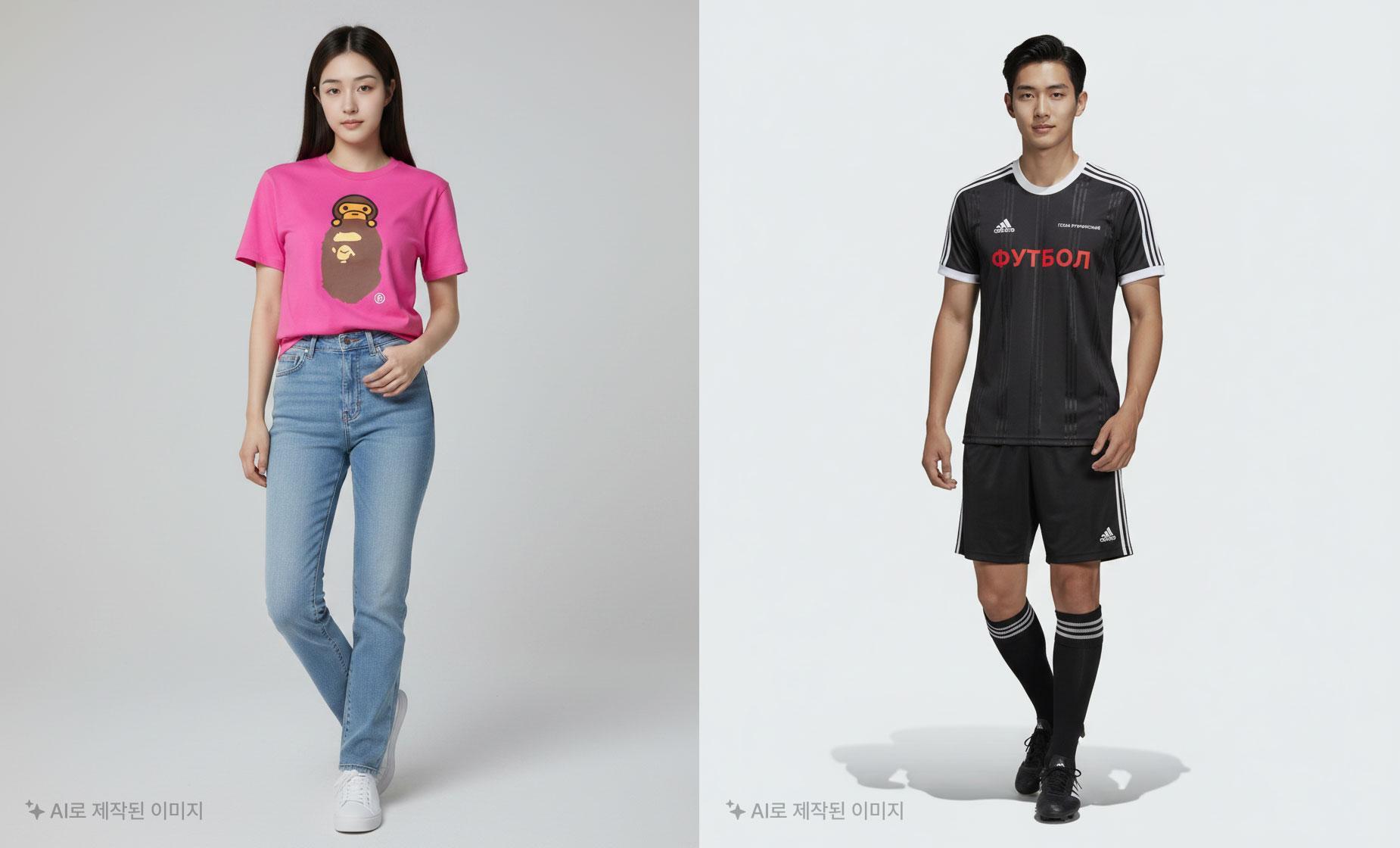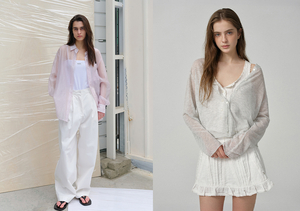
Korean brands' Levar (left) and The Barnenet (right) (29CM) Korea's fashion industry is showing signs of recovery after a prolonged downturn, and the rebound is taking a different shape from past cycles: Rather than a single dominant trend lifting the market, growth is flowing to designer brands and platforms that cater to increasingly segmented consumer tastes.Samsung C&T's fashion division, FnC Kolon Corp., Shinsegae International, LF and Handsome all reported higher sales and operating profit in the first quarter, according to industry sources. Samsung C&T's fashion division and Shinsegae International each posted double-digit revenue growth from a year earlier, while FnC Kolon Corp. swung to a profit. Industry watchers attribute the improvement to recovering consumer sentiment and a base effect from last year's weak results.Government data points in the same direction. Online shopping transactions reached 24.13 trillion won ($17.6 billion) in April, up 10 percent from a year earlier, while fashion and apparel transactions rose 8.5 percent to 2.06 trillion won, according to the Korea Statistical Information Service.The clearest beneficiaries have been women's fashion platforms built on homegrown designer brands."In the past, a single style like long padded jackets dominated the market. Now that consumers' individual tastes have become more segmented, emerging designer brands and fashion-focused platforms are seeing notable growth," an official from W Concept told The Korea Herald.The numbers from the two leading platforms bear this out.29CM, a fashion and lifestyle platform operated by Musinsa, said Friday that its annual shopping event, 29 Week, surpassed 18.9 billion won in transactions within 24 hours of its June 1 start, with more than 300,000 items sold. The platform, whose core customers are women in their mid-20s to late 30s, recorded 1.3 trillion won in annual transactions last year, up from 275 billion won when Musinsa acquired it in 2021. Its first-quarter fashion transactions grew more than 33 percent on-year.W Concept, the Shinsegae-owned platform that pioneered the designer brand category, said its first-quarter sales also rose from a year earlier, though it declined to disclose figures. During its W Week event from May 31 to June 7, sales of sleeveless tops climbed 20 percent on-year, summer shoes 80 percent, and vacation items such as suitcases and swimwear 15 percent.The growth is notable because it has come without the European luxury houses that anchor Korea's top department stores."In the department store industry, securing major luxury brands is considered the key competitive edge for stores with annual sales above 1 trillion won. Korean fashion platforms are different in that they have built a transaction volume comparable to leading department stores on a platform model centered on homegrown designer brands," an official from the retail industry said.Both platforms are now testing how far taste-based curation can stretch beyond clothing.29CM has moved into home, kids and beauty categories, a path that echoes Anthropologie. This Urban Outfitters brand expanded from women's apparel to home decor, furniture, and beauty in the US. Since last year, it has opened lifestyle stores 29 Home and 29 Kids in the Seongsu-dong area of Seoul to connect its online customer base with physical brand experiences.W Concept is extending its designer brand sensibility into kids' fashion, beauty and lifestyle products, and says it uses AI-based recommendations and merchandiser curation to help customers discover their tastes rather than simply sell them products.
Korean fashion rebounds as shoppers spend on personal taste
Korea's fashion industry is showing signs of recovery after a prolonged downturn, and the rebound is taking a different shape from past cycles: Rather than a si
549 words~2 min read