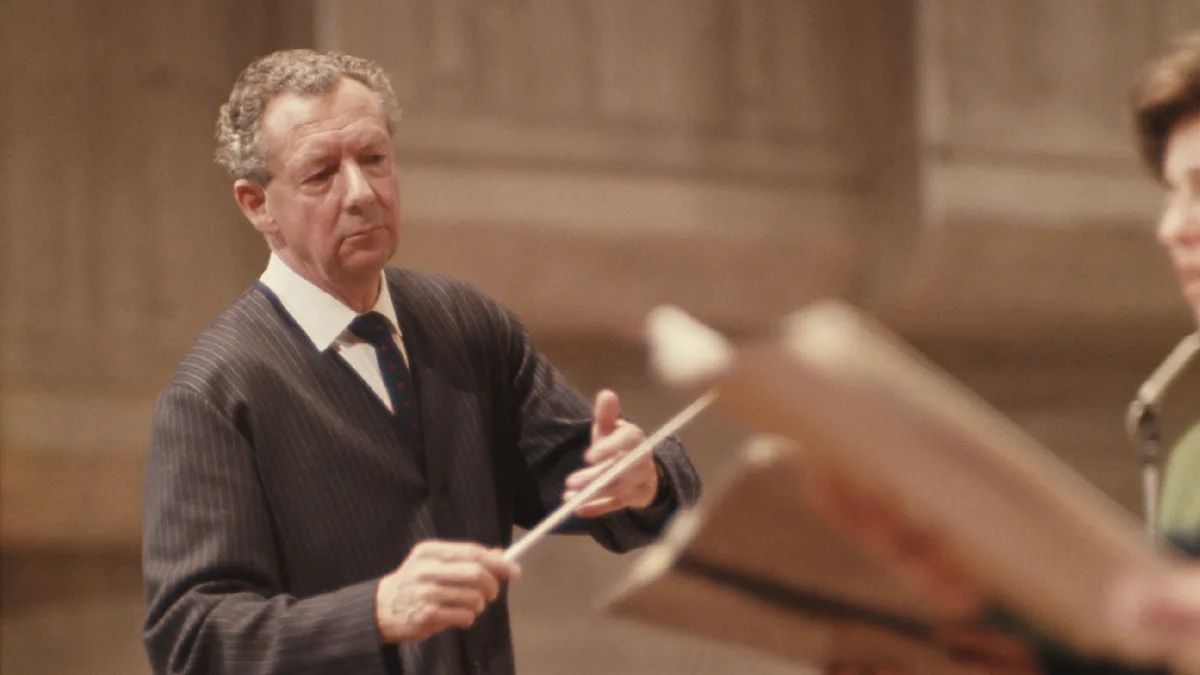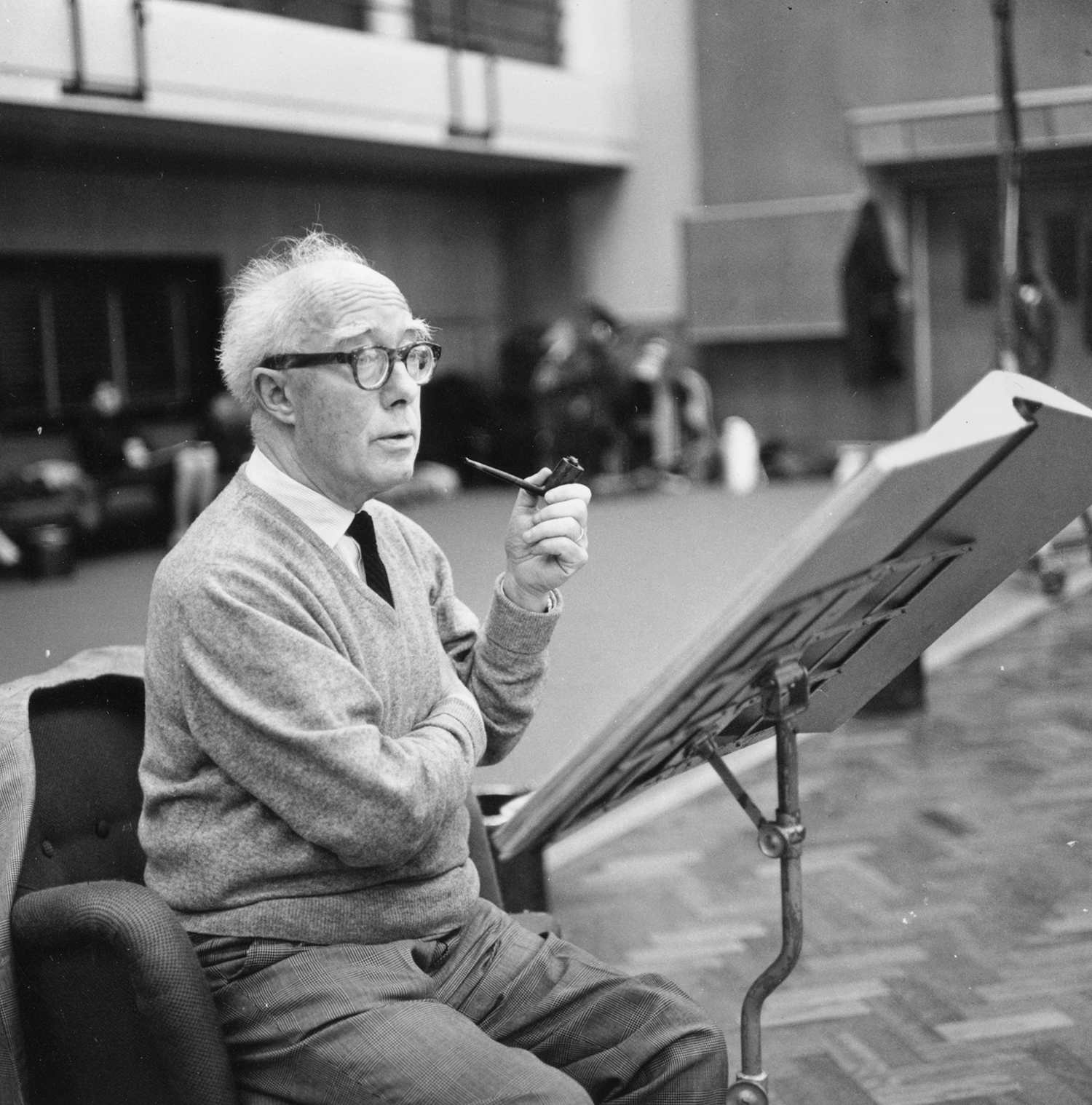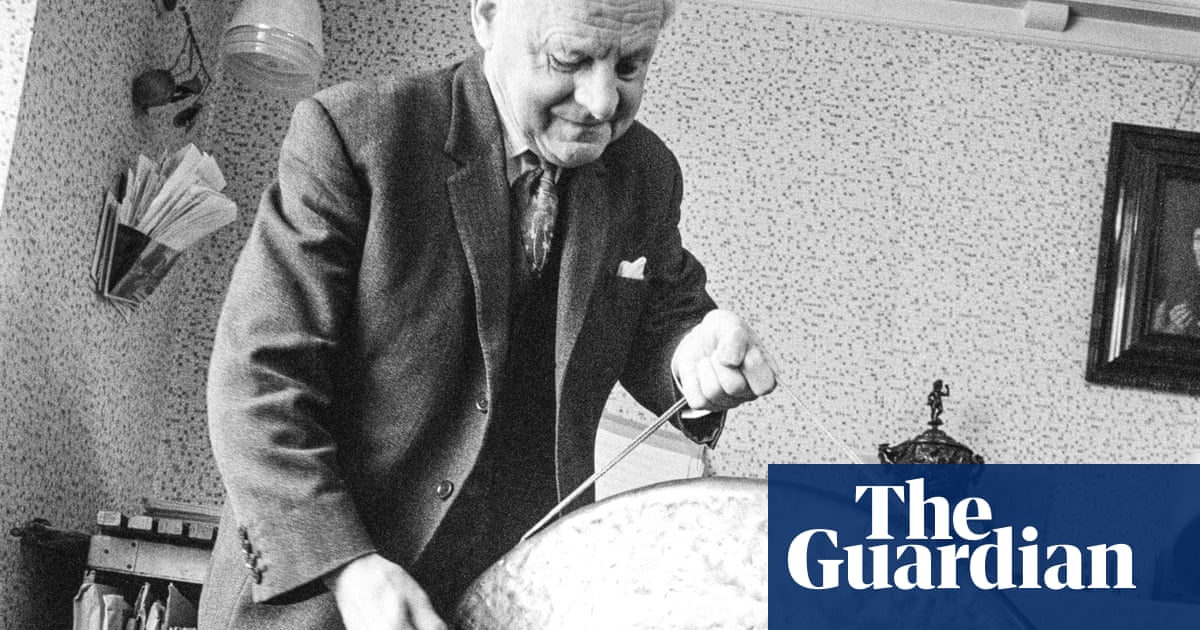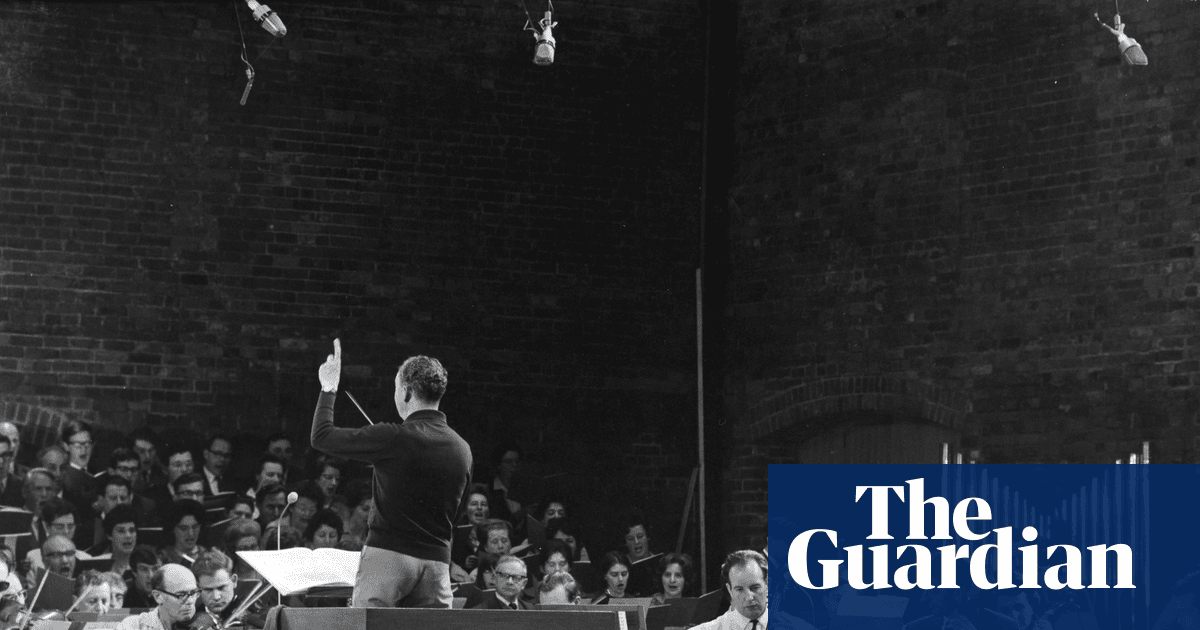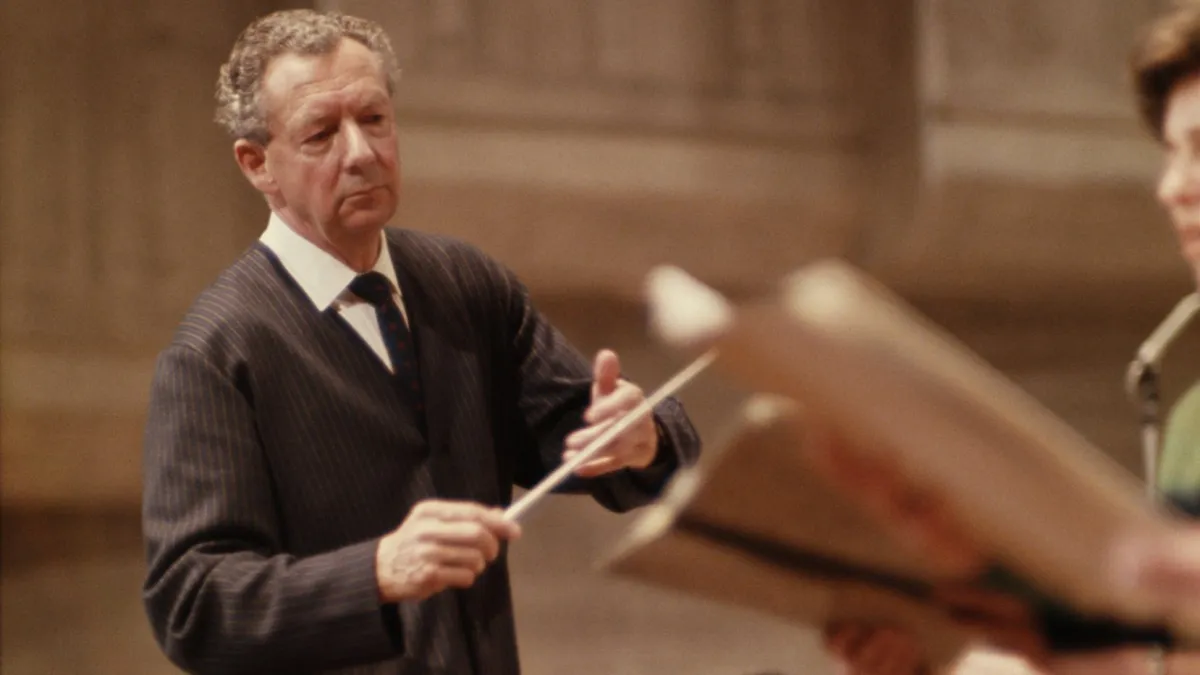
This year marks the 50th anniversary of the death of Benjamin Britten, regarded today as probably the UK’s greatest composer, and commemorations are well under way. It’s a well-deserved celebration: Britten’s music is the heartland of 20th-century British classical composition. His opera Peter Grimes has been packing the Royal Opera House, while Glyndebourne is reviving Billy Budd; the Proms has programmed some of his finest orchestral works; and the London Philharmonic Orchestra launches its autumn season with the War Requiem. The Aldeburgh Festival, founded in 1948 by Britten himself, opens today and offers a veritable feast of his music.
Such anniversaries are always a chance to reassess a composer’s works, life and significance. In Britten’s case, the significance is generally unquestioned. The life, and its relation to his music, is another matter. The facts have not changed. What is different is the wider cultural climate from which it is viewed. Beyond the protective dome of the music world, it has grown considerably colder.
It is no secret that Britten liked young boys. He had a series of friendships with lads that typically began when they were 13; once they grew up, he would lose interest and move on. Periodically, this issue makes the headlines, before vanishing again behind the shield of his “greatness”. This is not news, but it has become more and more uncomfortable that classical music’s local hero displayed such tendencies.