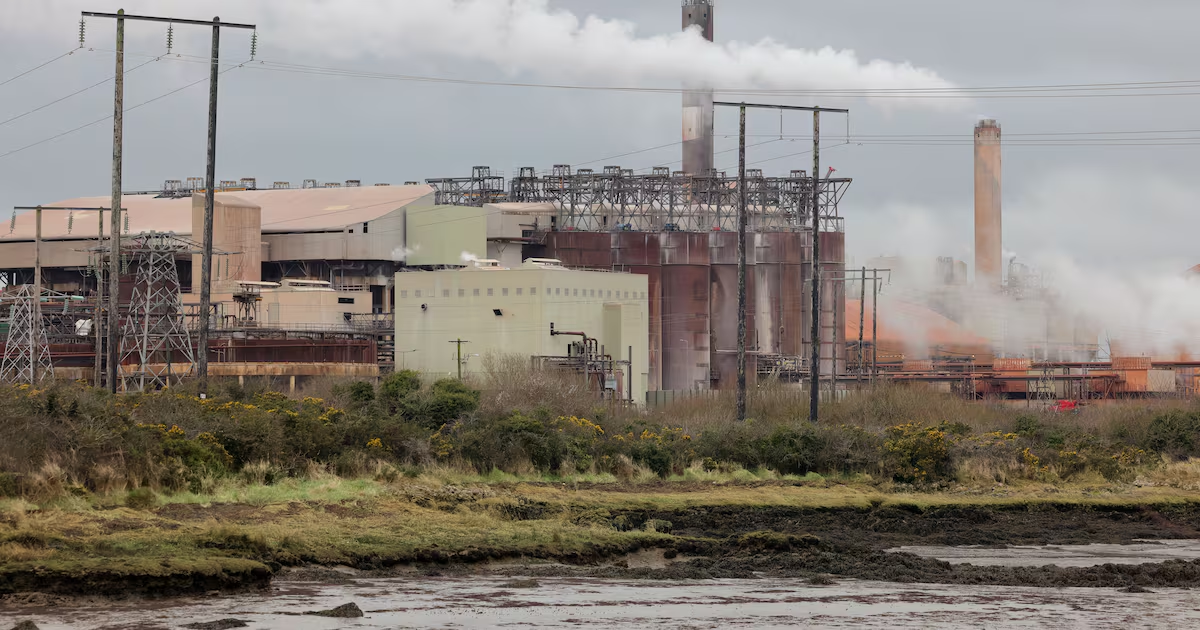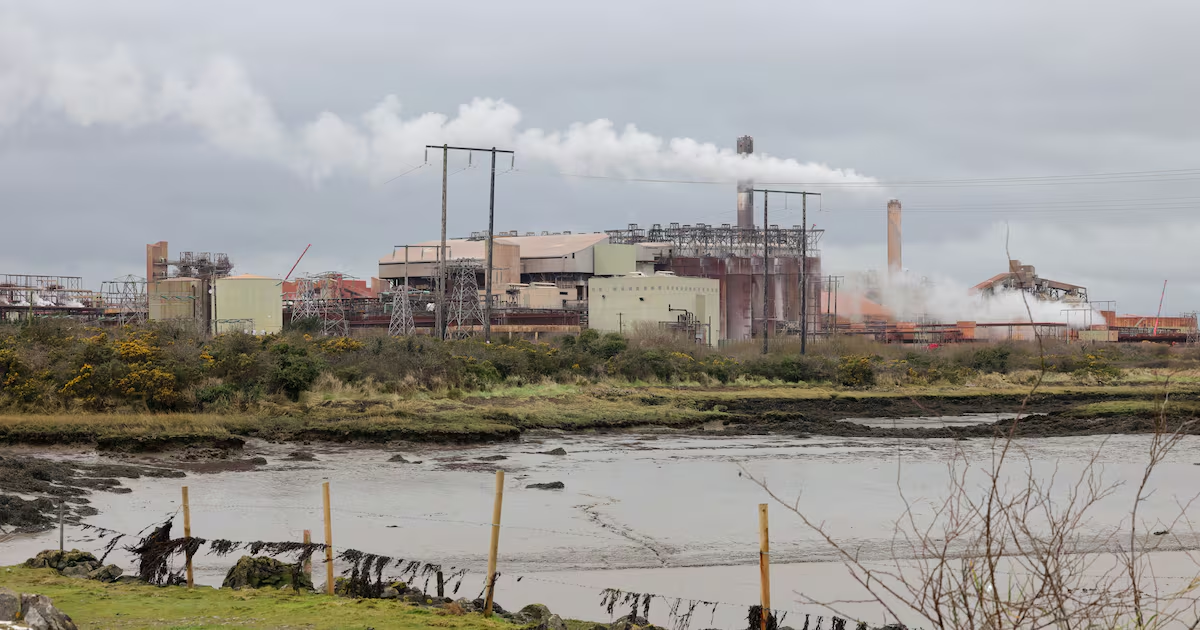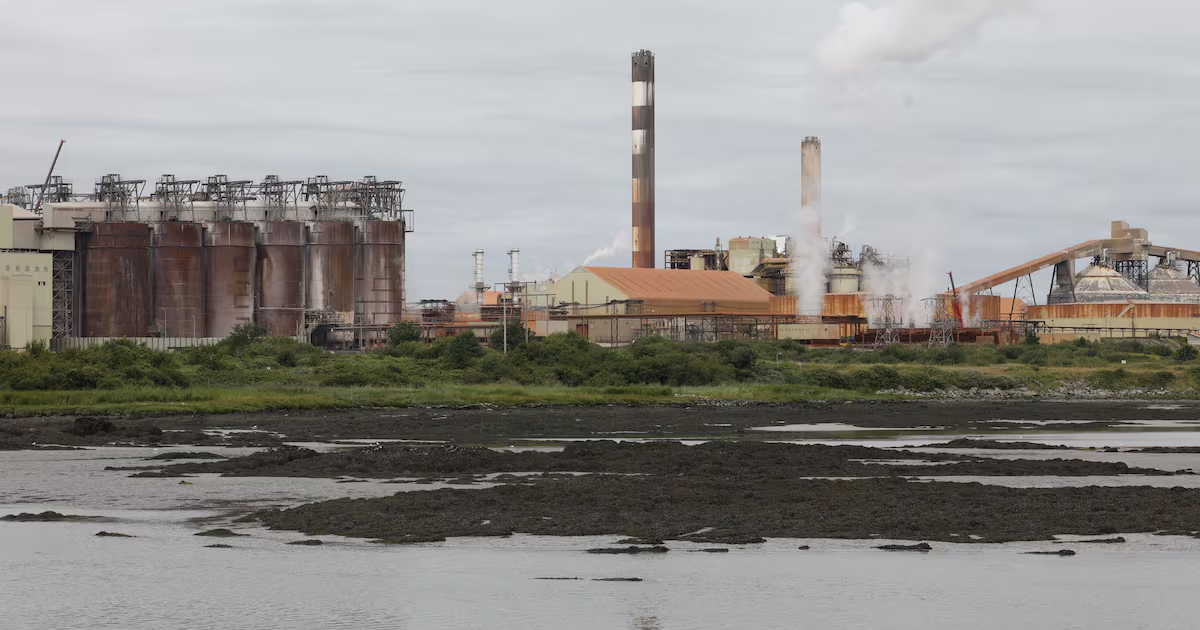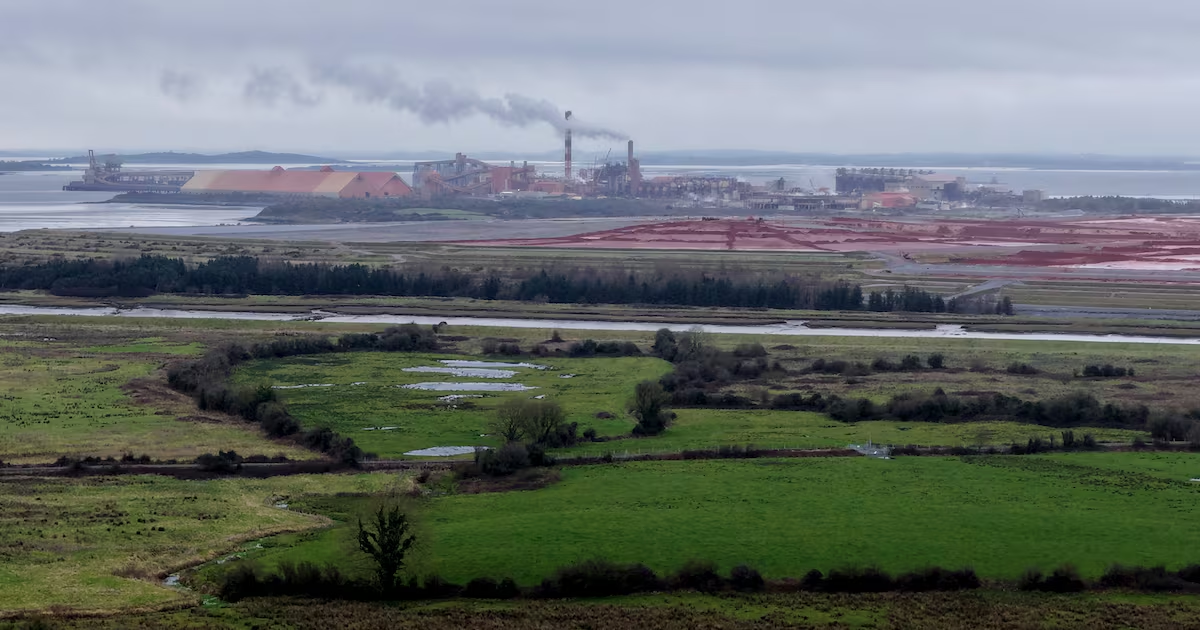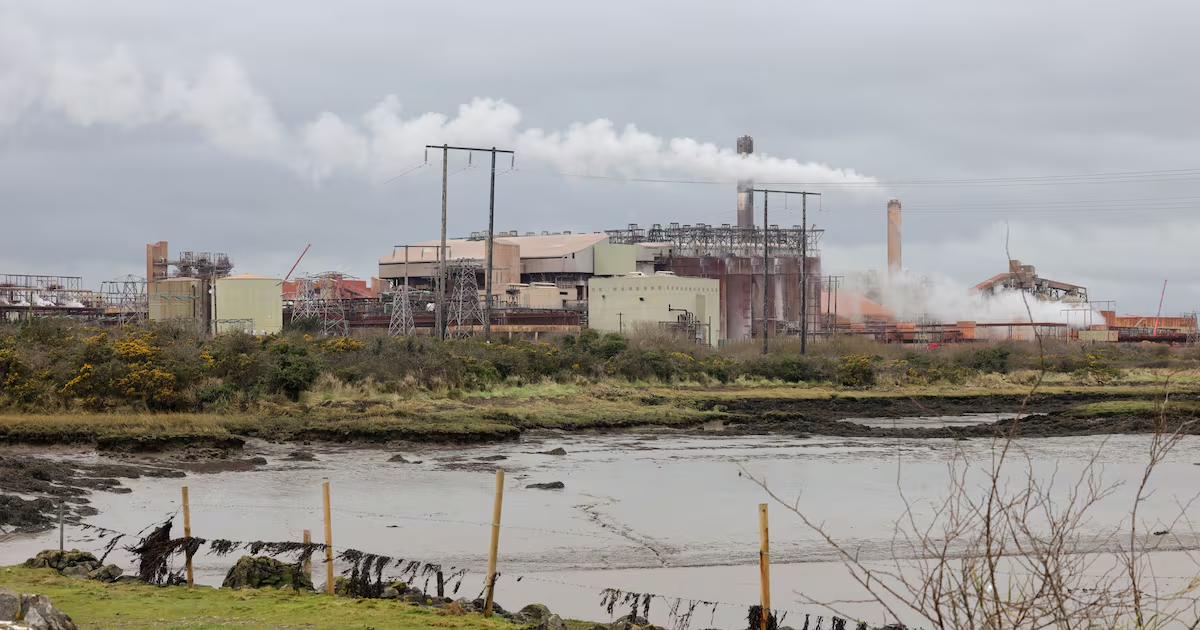
Aughinish Alumina complained to the European Commission about difficulties the Co Limerick alumina refinery faced shifting away from fossil fuels last year, due to a “lack of access to public funds”, notes of private discussions show. Documents detailing lobbying by the company in Brussels show the Russian-owned industrial plant pressed EU officials about the absence of any public funding it could tap, to help the company transition from fossil fuels as part of Europe’s drive to become carbon neutral over the coming decades. Representatives from Aughinish Alumina last year met an official from the European Commission, the EU’s executive arm that proposes laws, to discuss efforts by the alumina plant to decarbonise. Minutes of the meeting, seen by The Irish Times, note a presentation from the company outlined how the plant produced 1.8 million tonnes of alumina each year, “half sold to EU-based customers and half to Russia”. The company told the EU executive body that its climate transition plan had seen it switch to using natural gas as a fuel source. “The company explained the difficulties to advance further due to lack of business case for electrification, and lack of access to public funds,” notes of the May 20th, 2025, meeting stated. Aughinish Alumina made its appeal to Joan Canton, a mid-ranking official in the commission working on industrial policy, who previously served as an adviser to former French commissioner for the internal market Thierry Breton. An Irish Times investigation in March, carried out in co-operation with the Organised Crime and Corruption Reporting Project, detailed the downstream role Aughinish Alumina plays in the supply chain of the Russian military effort.The reporting revealed Aughinish Alumina is shipping vast amounts of alumina to smelters in Russia, where the raw material is used to make aluminium later supplied to dozens of Russian arms manufacturers.[ Ireland fights rearguard action in EU amid push for Aughinish Alumina sanctionsOpens in new window ]The Government has been under pressure, both domestically and in Brussels, to respond to charges the Co Limerick plant is helping supply Russia’s invasion of Ukraine. The Estonian government has called for EU-level sanctions to prohibit the plant, which is owned by Russian metals giant Rusal, from exporting alumina to Russia. The Irish Government has argued that Aughinish also supplies vast amounts of material to European industry and economic sanctions would harm European countries. The commission did not include Aughinish or exports of alumina in a new round of sanctions it has proposed to levy on Moscow. Sanctions need to be unanimously approved by all 27 member states. Notes of the May 2025 meeting show Aughinish Alumina pitched “initial ideas” to the commission about the potential for the Irish plant to start producing gallium, another critical raw material used to make semiconductor chips. Gallium metal can be produced during the process of making aluminium and the vast majority of the world’s supply of the material is controlled by China, which has prompted Europe to look for ways to reduce its dependency on Beijing.Earlier this year the European Investment Bank approved a €90 million loan to a Greek company that runs a large aluminium plant in Greece, to help develop a European supply of gallium.[ Aughinish Alumina blames ‘clerical error’ for incorrect statistics on exports to RussiaOpens in new window ]Records show Aughinish Alumina also lobbied the commission earlier this year for relief from EU rules charging companies for the amount of carbon emissions they produce, to incentivise industries to swap fossil fuels for climate-friendly energy. Minutes of a January 8th meeting state the company requested the EU administration introduce a “freeze” for “critical industries such as aluminium”. EU officials told Aughinish Alumina that would only be possible by revising the regulations underpinning the bloc’s emissions trading system.
Aughinish Alumina complained to EU about ‘lack of access to public funds’
Co Limerick plant told European Commission officials last year half of its alumina was exported to Russia, minutes show
624 words~3 min read