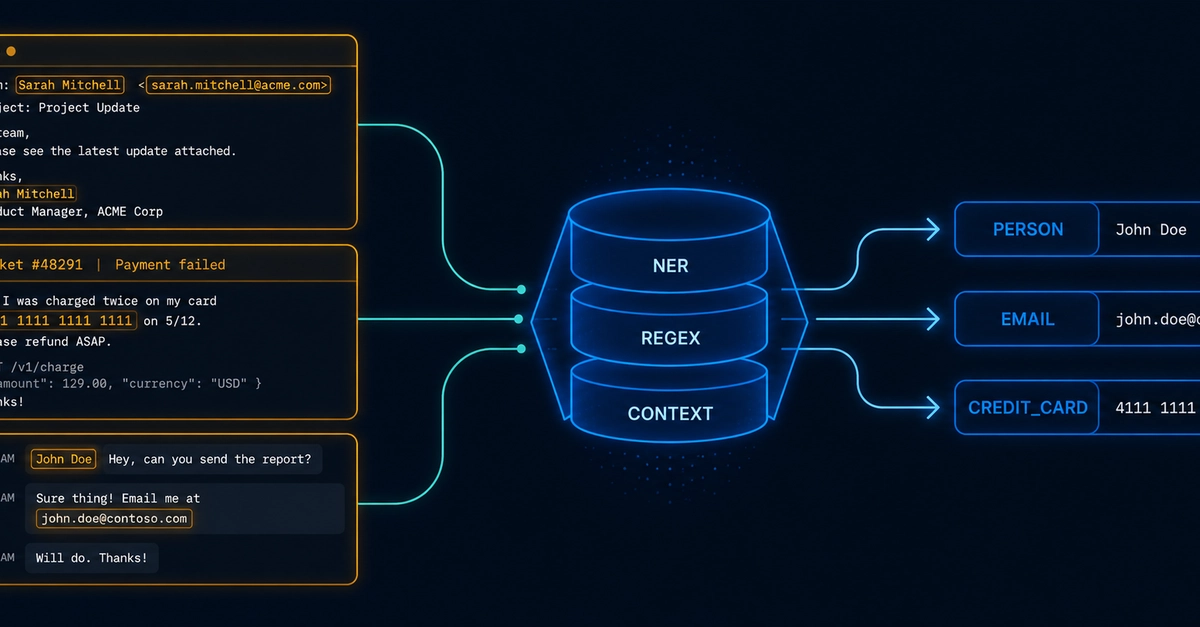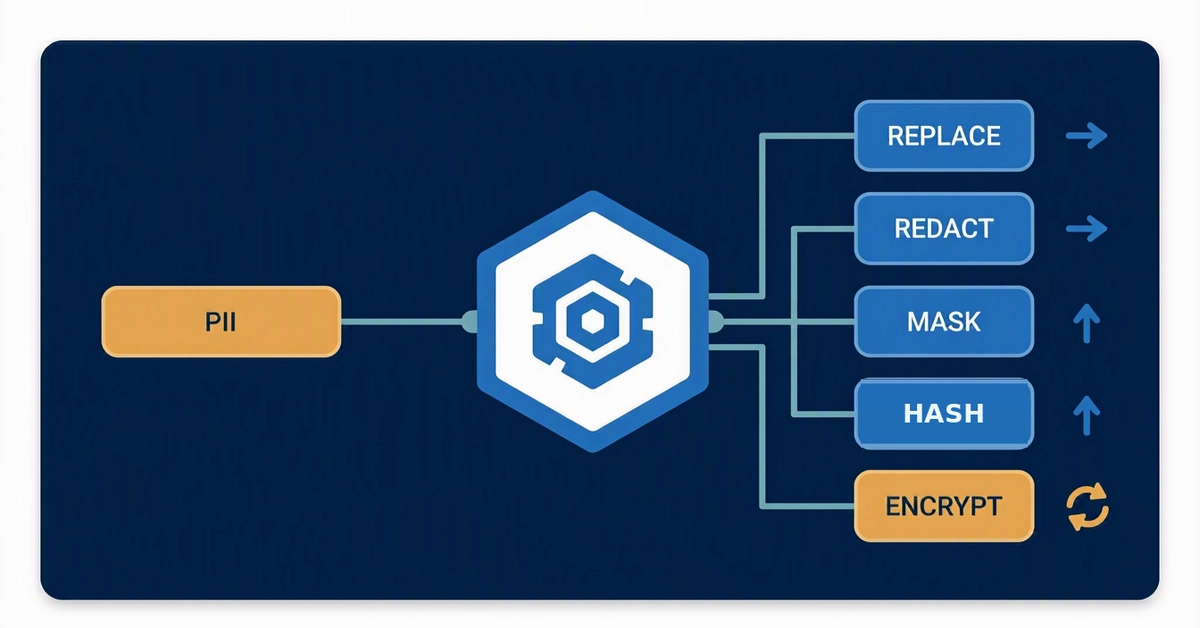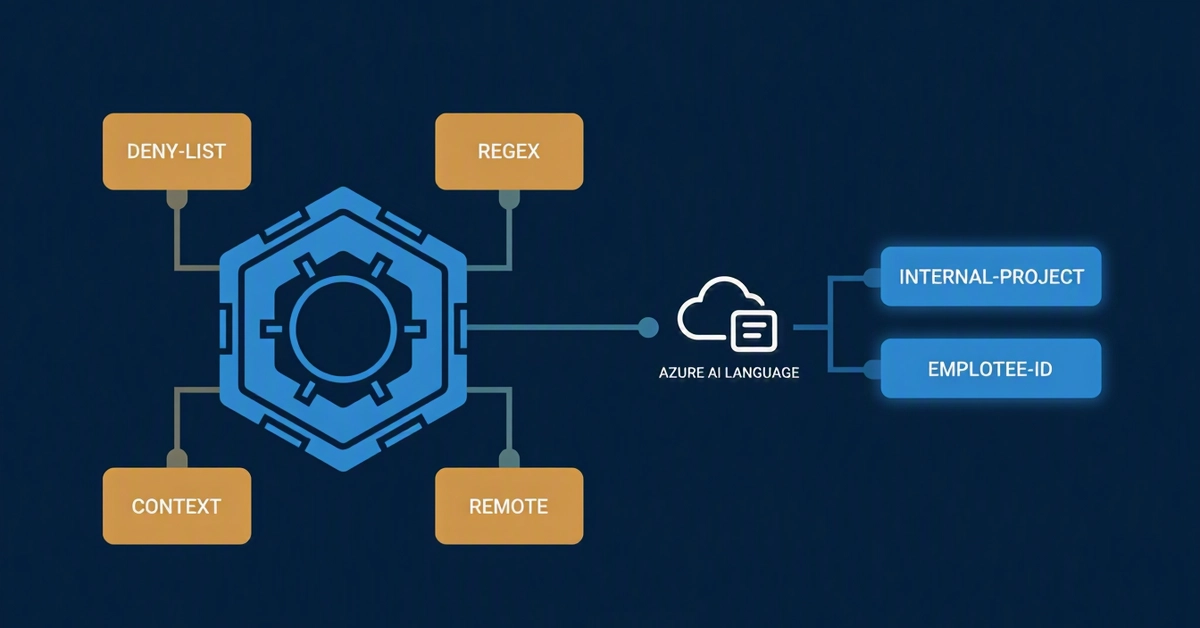
Every previous part of this series has been building toward this one. You can detect PII. You can anonymize it with the right operator for each entity type. You can build custom recognizers for your organization's specific data patterns. Now we put it all together into the architecture that matters most in 2026: a PII guardrail that sits between your users and your LLM.
The problem is straightforward. Users type personal information into prompts. Support agents paste customer records into chat interfaces. Developers pipe production data into debugging workflows. All of that PII flows to your model provider's API endpoint. Even if the provider says they don't train on your data, the information still transits their infrastructure. For regulated industries, that transit itself can be a compliance violation.
The PII Proxy Pattern
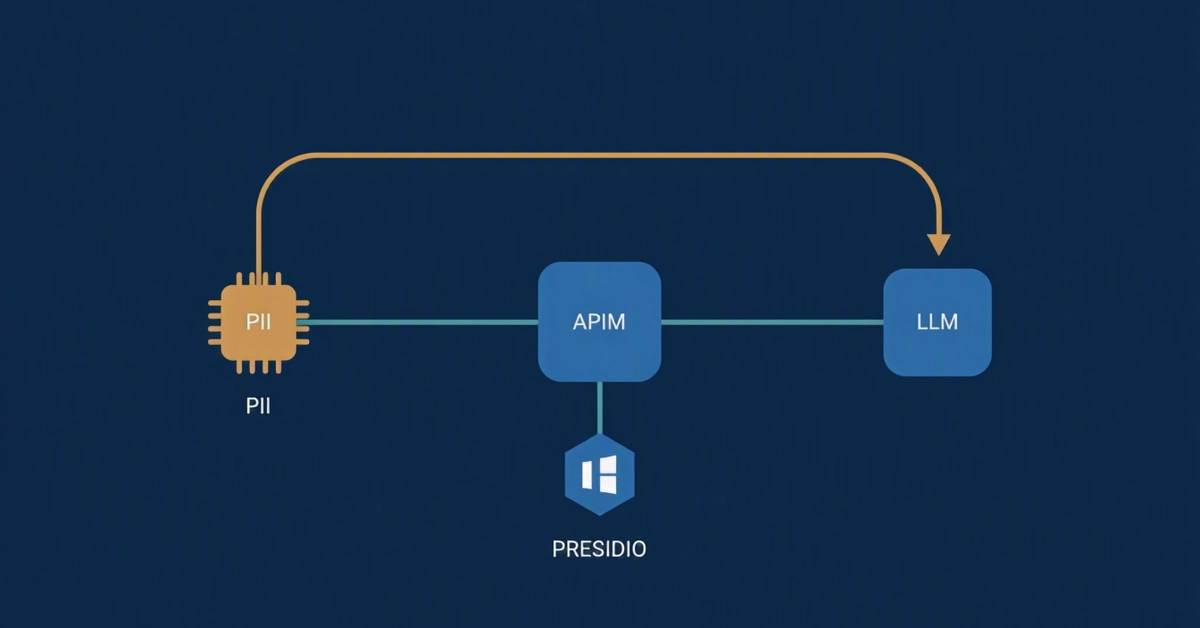
The solution is a proxy that intercepts every LLM request, scrubs PII from the prompt, forwards the clean version, and then restores the PII in the response.
The flow looks like this: