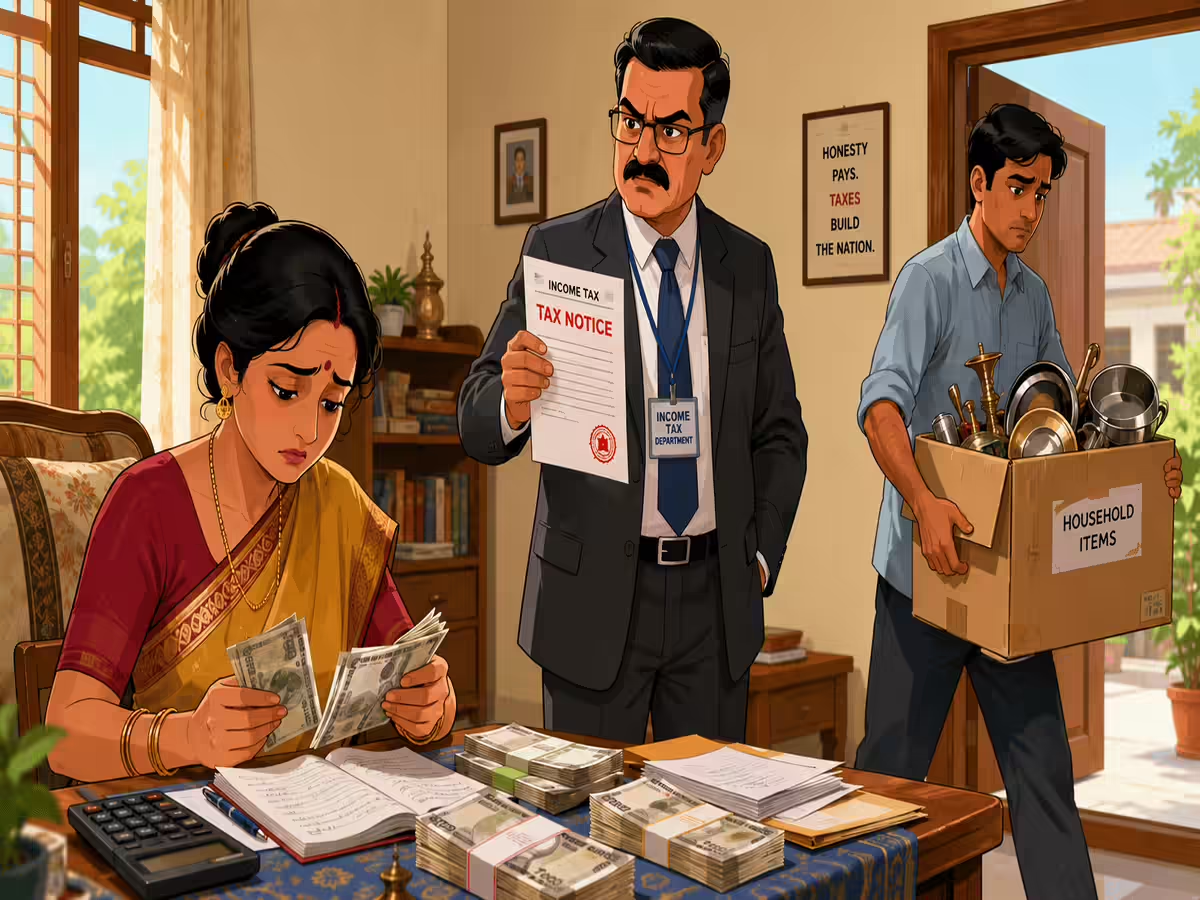
Recently there was a case in ITAT Chennai where a lady sold her residential flat for Rs 35.50 lakh. Out of this amount, she took Rs 2.5 lakh in cash and later sought a tax exemption under Section 54 of the Income-tax Act, 1961, by reinvesting the sale proceeds into another residential property. Additionally, she also sold some household utensils, electronic items, And more to several vendors for Rs 8.09 lakh, also in cash.She bought the new flat from her son-in-law's Power of Attorney (POA) holder, paying Rs 35 lakh for it. However, she spent more on interior, stamp duty and other charges. Her total cost for this flat thus came to Rs 49.8 lakh. When she went to the bank to deposit the cash from the sale of her old flat (Rs 2.5 lakh), Rs 8 lakh from sale of household items) and other gifts from family members, she got into trouble with the income tax department.Also read: Lady sold apartment, took Rs 2.5 lakh cash, bought new apartment from son-in-law, paid no tax, got income tax notice; she fights back and wins case in ITAT ChennaiShe claimed that this cash deposit represented cash received from the sale of the old property, sale of household items/electronic goods and gifts from family members and her existing cash balance.During the scrutiny proceedings, the AO observed that although the new flat was registered in January 2017, the cheques for the purchase consideration were encashed by the seller only in August 2017. Due to this timing discrepancy and some doubts about a lease agreement produced by the taxpayer to explain delayed encashment, the AO treated the investment in the new flat amounting to Rs. 49.80 lakh as unexplained money under Section 69A of the Act. Additionally, the AO also treated the cash deposits of Rs. 10.80 lakh as unexplained. The Commissioner of Income-tax (Appeals) ["CIT(A)"] upheld the additions made by the AO.Feeling aggrieved, the lady filed an appeal in ITAT Chennai and on April 17, 2026, she won the case. ITAT Chennai cancelled both the unexplained cash and Section 54 denial notice and gave her relief on merits of the case and the evidence presented.This raises a question about how much cash can someone take for such sales and then deposit it in a bank account?How much cash can someone take for such transactions?Chartered Accountant Suresh Surana says that in this case, the taxpayer had received cash of Rs. 2.5 lakh as part of the sale consideration for the residential property and further cash proceeds of approximately Rs 8.09 lakh came from the sale of household items, electronic gadgets and personal effects. Surana says that the Income Tax Appellate Tribunal (ITAT), Chennai accepted the explanation furnished by the taxpayer and deleted the additions made under Section 69A of the Income-tax Act, 1961, after observing that the receipts were supported by documentary evidence such as the registered sale deed, bills and invoices relating to the sale of household items.Surana says that it is pertinent to note that ITAT Chennai in the present case primarily examined the issue from the perspective of unexplained money under Section 69A of the Act and the genuineness/source of the cash deposits. Surana says: "The Tribunal did not specifically adjudicate upon the applicability of Section 269SS, Section 269ST or any penalty implications relating to receipt of cash."In the context of sale of immovable property, Section 269ST of the Act generally restricts receipt of Rs 2 lakh or more in cash from a person in respect of a single transaction. Surana says: "Accordingly, receipt of cash consideration of Rs 2.5 lakh towards sale of property may potentially attract implications under Section 269ST, subject to the specific facts and manner of receipt." On the other hand, sale proceeds from household items/personal effects aggregating Rs. 8.09 lakh were received from multiple parties in smaller amounts, each reportedly below Rs. 2 lakh. Surana says: "The Tribunal specifically noted that the individual transactions were below the prescribed threshold and therefore accepted the taxpayer's explanation in the given factual background."Accordingly, while the taxpayer succeeded in explaining the source and genuineness of the cash deposits in this case, the decision should not be construed to mean that unrestricted cash receipts are permissible under the Act. In this case, the permissibility of such cash receipts would continue to depend upon the applicability of provisions such as Section 269ST, the transaction-wise thresholds, and the specific facts of each case.
Can you sell household items worth more than Rs 2 lakh in cash?Check the tax rules - The Economic Times
Planning to sell jewellery, furniture or appliances? Check the Rs 2 lakh cash rule before accepting payment
740 words~3 min read