Kolhapuri footwear: Inspiring global brands
| Photo Credit:
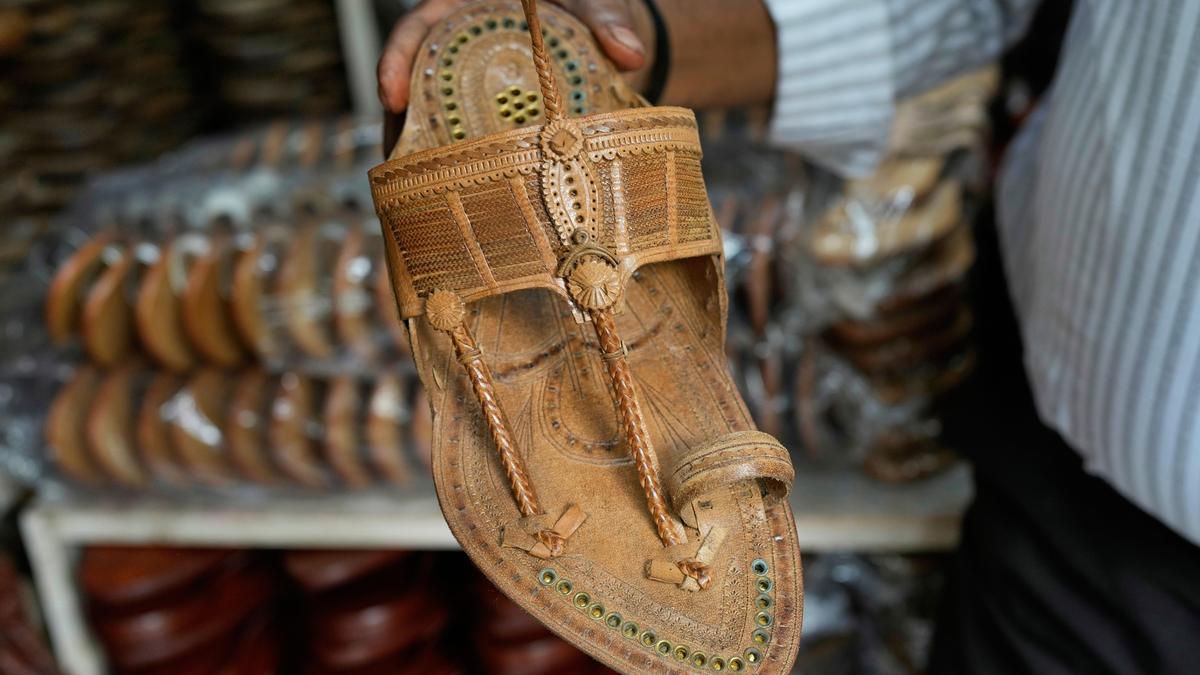
When luxury fashion brand Prada unveiled its Spring/Summer 2026 collection, a pair of leather sandals sparked controversy for their resemblance to India’s traditional Kolhapuri chappals. Social media users criticised the brand for drawing on a centuries-old craft without initially acknowledging its cultural origins.Rather than remaining silent, Prada responded by recognising the inspiration behind the design and announcing collaborations and training initiatives involving artisan communities associated with Kolhapuri craftsmanship. As a result, the conversation gradually shifted from criticism to cautious appreciation.The episode highlights a broader shift in consumer culture. Today’s consumers do not necessarily expect brands to be flawless; they expect them to be accountable. While the controversy initially damaged Prada’s image, its willingness to acknowledge concerns and engage with artisans strengthened perceptions of authenticity. Increasingly, brands earn trust not by avoiding mistakes, but by responding with transparency, humility, and meaningful action when mistakes occur.For decades, marketers sought to build flawless brand images through carefully controlled communication and polished advertising.Today, however, every campaign or product launch faces immediate public scrutiny online. Social media has empowered consumers to challenge brands in real time, while rising concerns about cultural sensitivity, sustainability, and ethics have raised expectations.As a result, accountability often feels more authentic than perfection. Consumers recognise that mistakes are inevitable; what matters is how brands respond. This aligns with the “Pratfall Effect,” a psychological principle suggesting that competent organisations can appear more relatable and trustworthy when they openly acknowledge and learn from their mistakes.Trust, an assetConsumers today are quick to identify performative apologies. A brief statement without meaningful action rarely rebuilds trust. Instead, audiences expect accountability to be supported by visible change and genuine engagement. The Prada episode was not simply about fashion; it was about recognising the communities and traditions behind creative inspiration.Consumers expect accountability to be supported by meaningful action. Advertising may create visibility, but accountability builds trust and loyalty. In an era where authenticity increasingly drives consumer choice, the brands most likely to succeed are not those that appear perfect, but those willing to listen, learn, and act responsibly when they fall short.This leaves brands with difficult but necessary questions. Are companies truly willing to learn from criticism, or are they only reacting to social media pressure? Are collaborations with communities meaningful and long term, or simply designed for positive headlines? In a marketplace increasingly shaped by authenticity, the brands that survive may not be those that appear perfect, but those that consistently act with honesty and responsibility.The writer is Professor (Marketing), IMT GhaziabadPublished on June 12, 2026