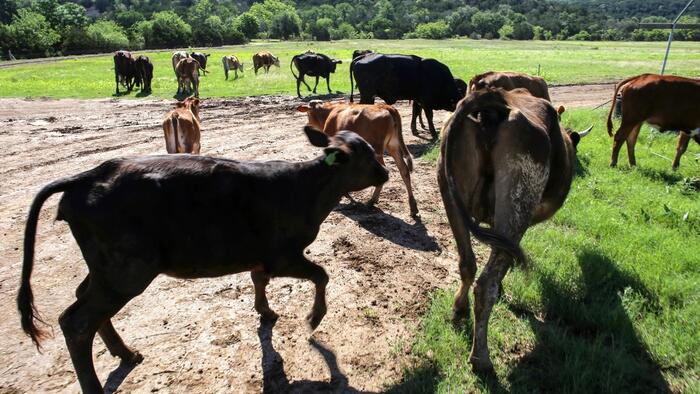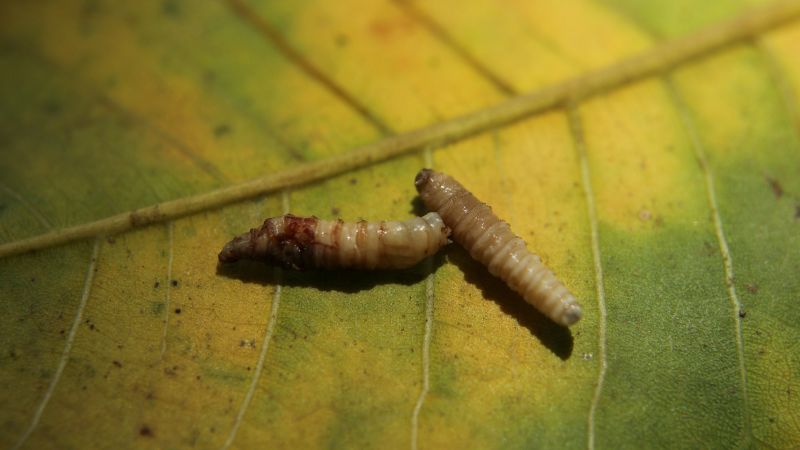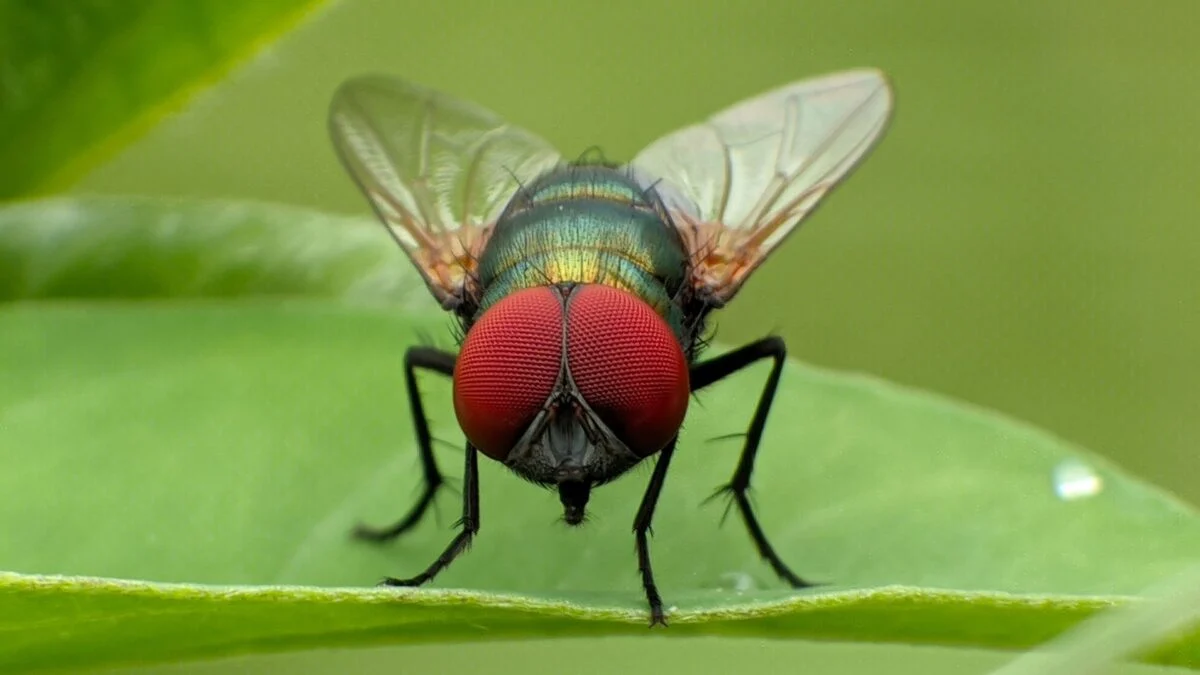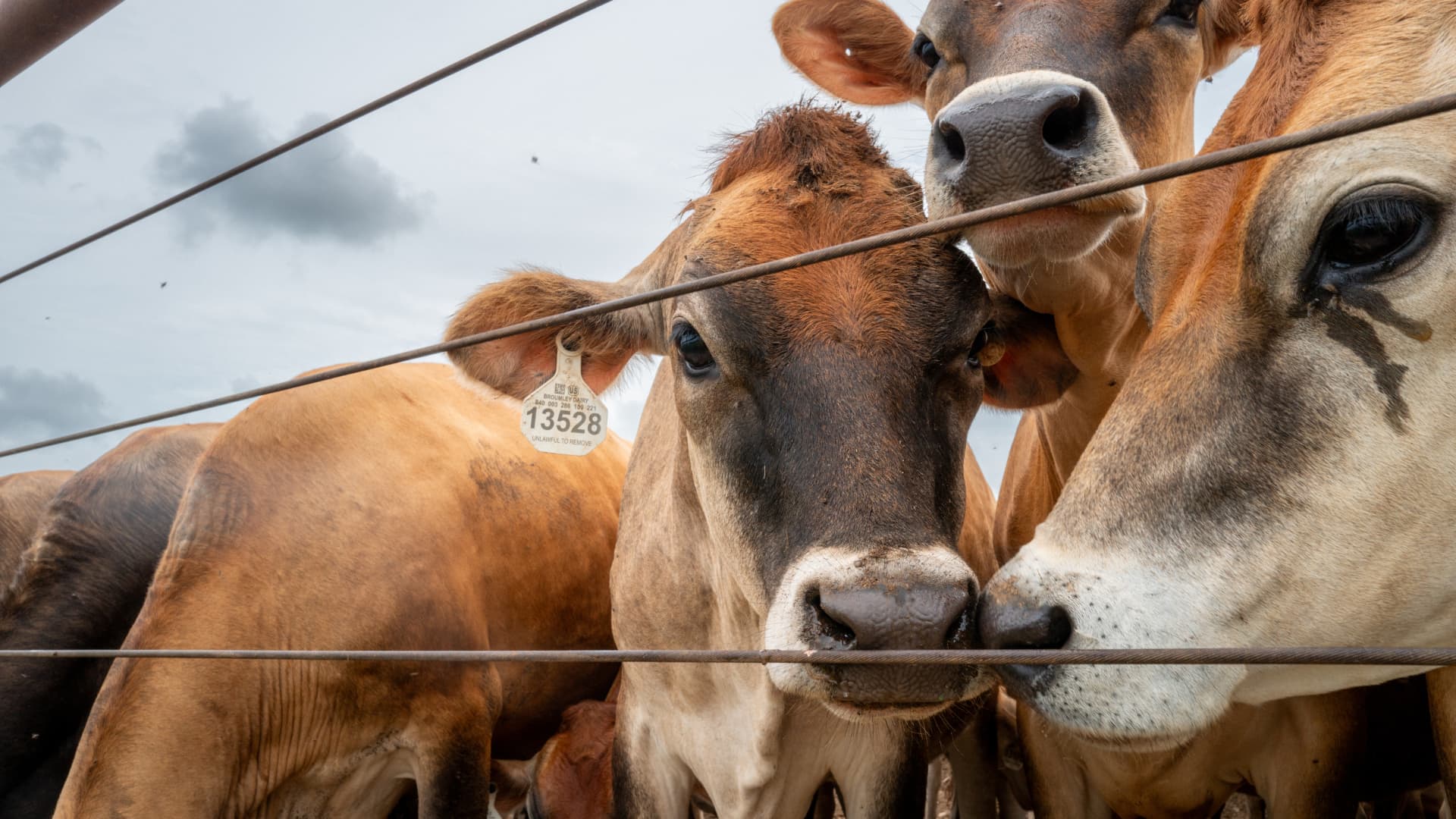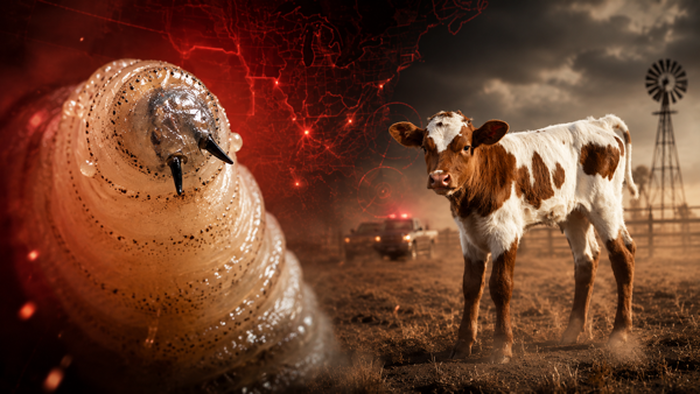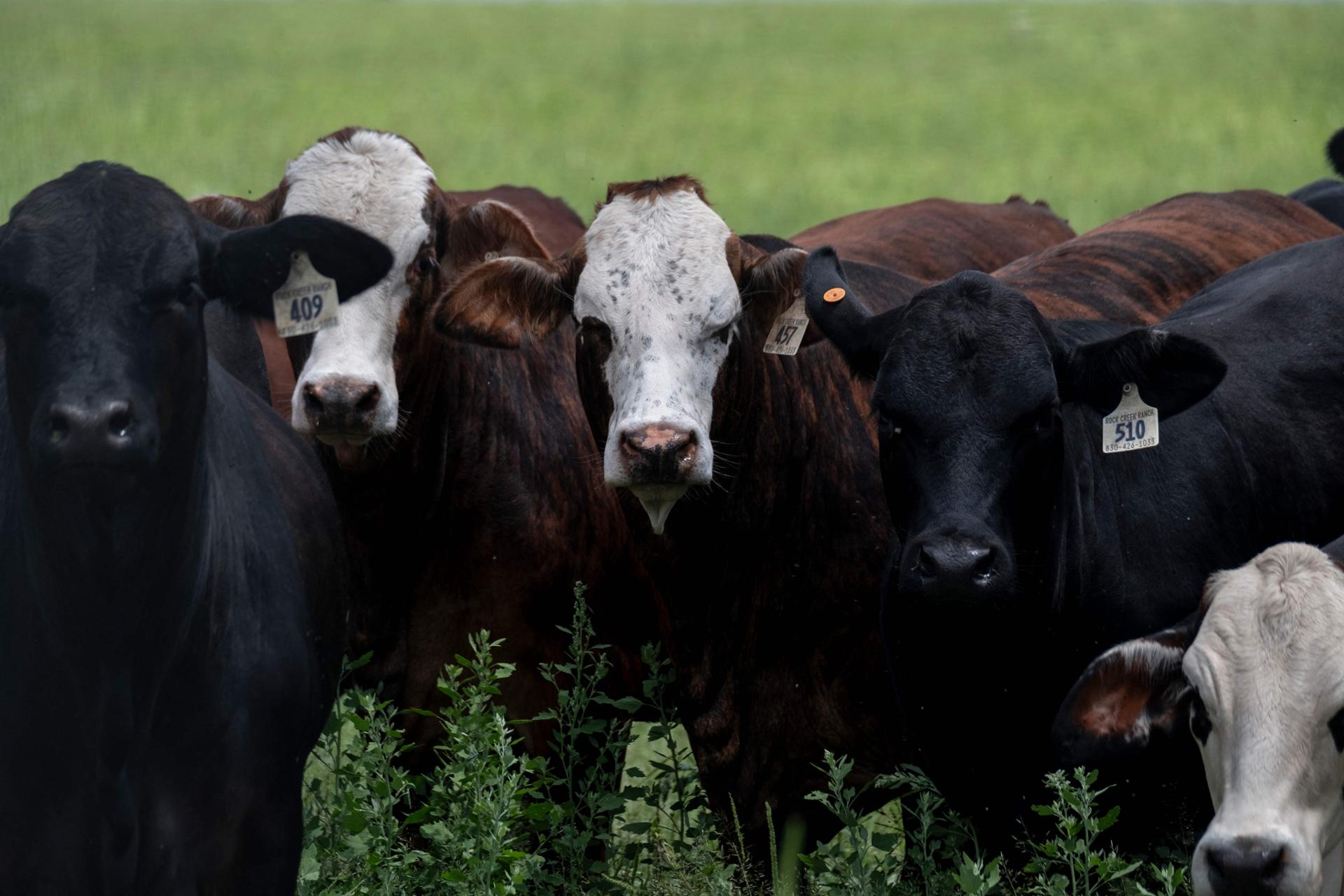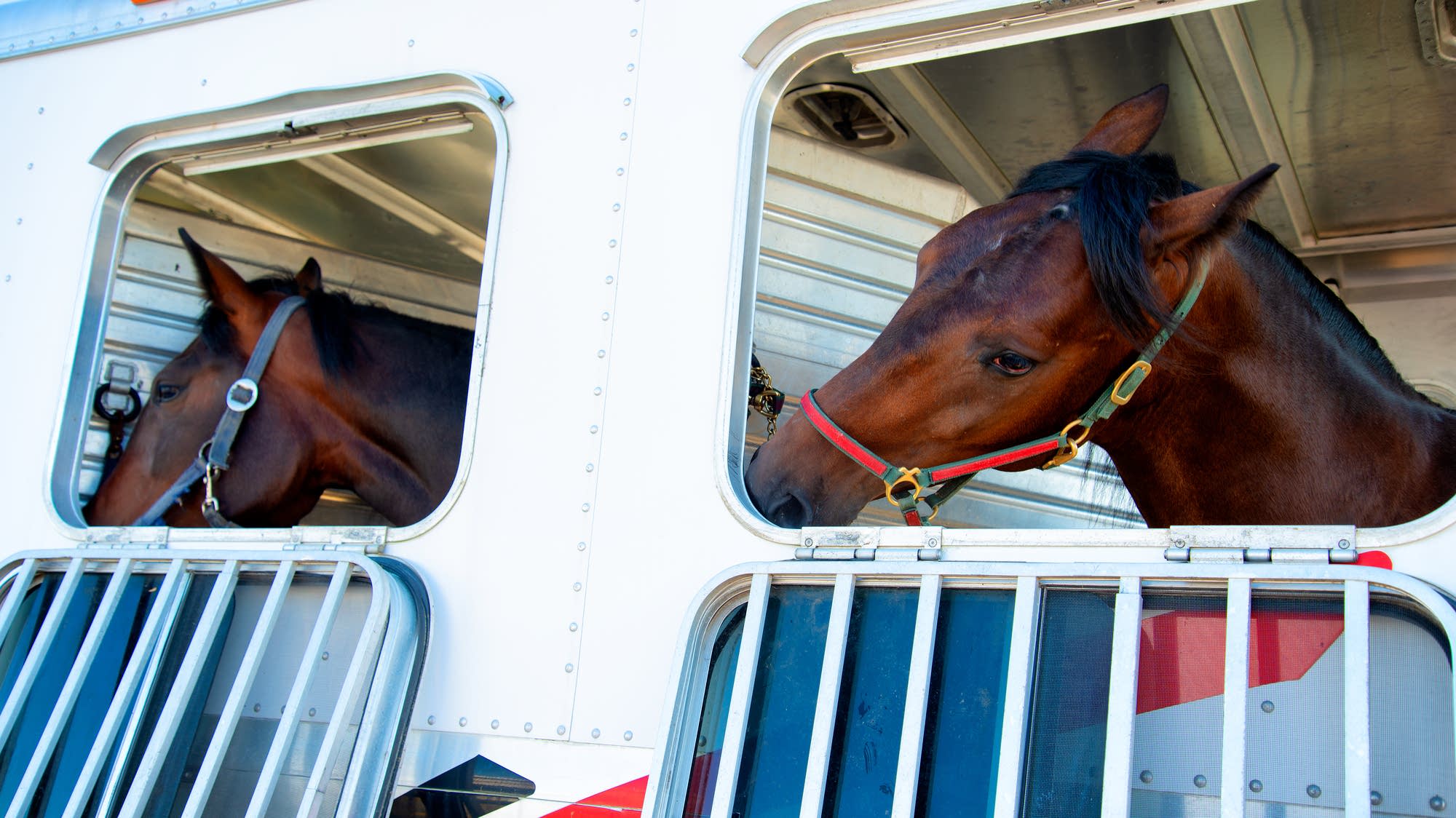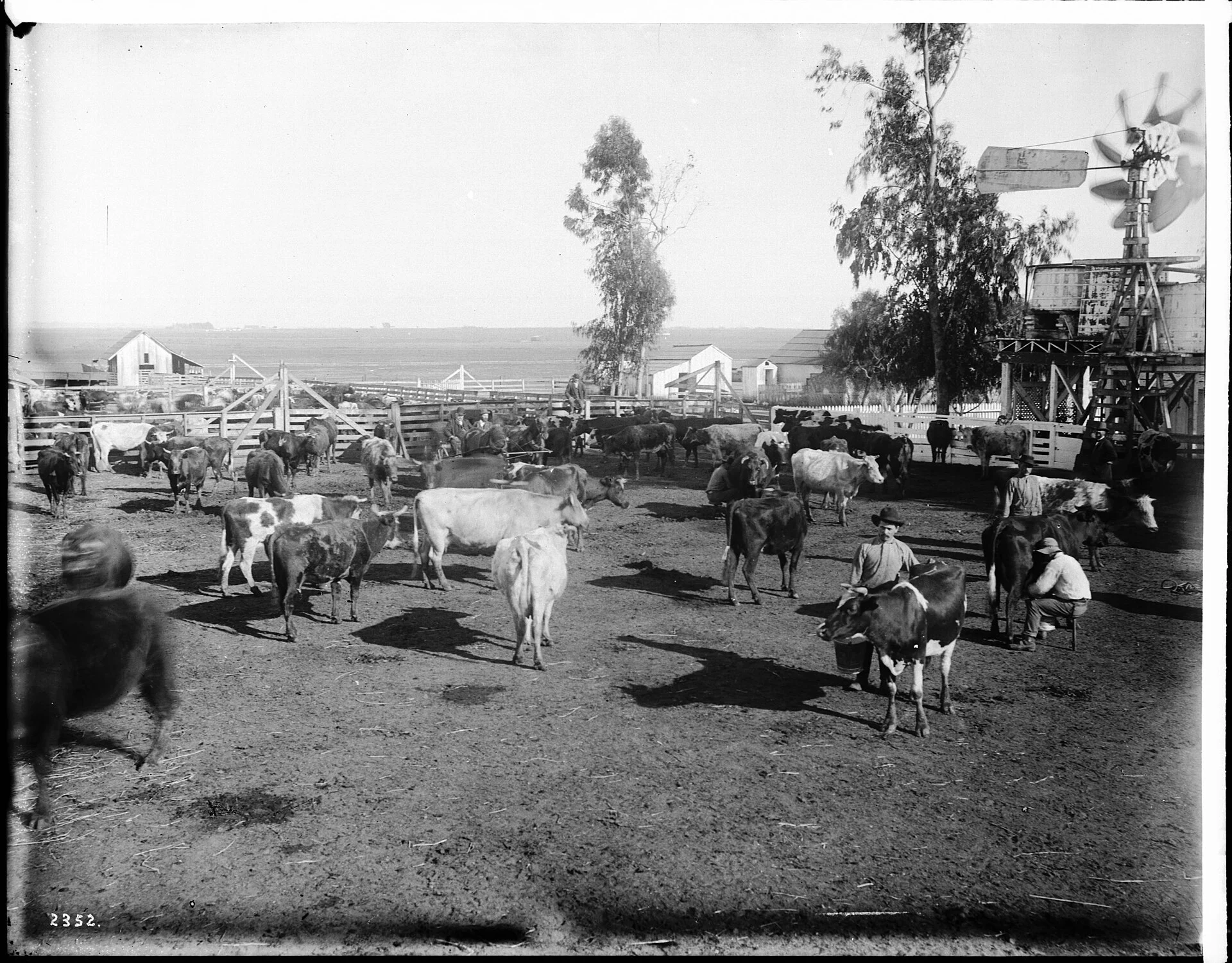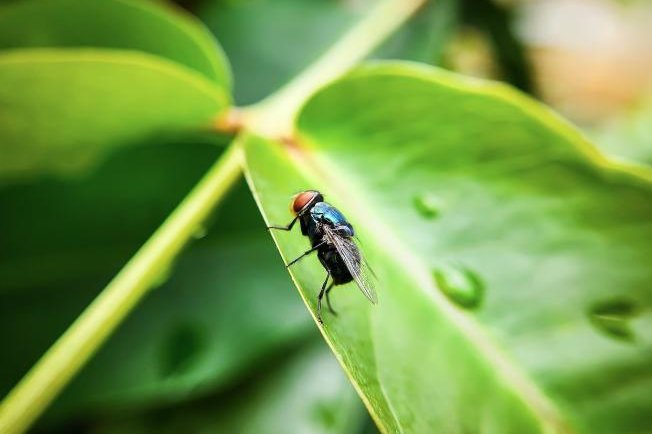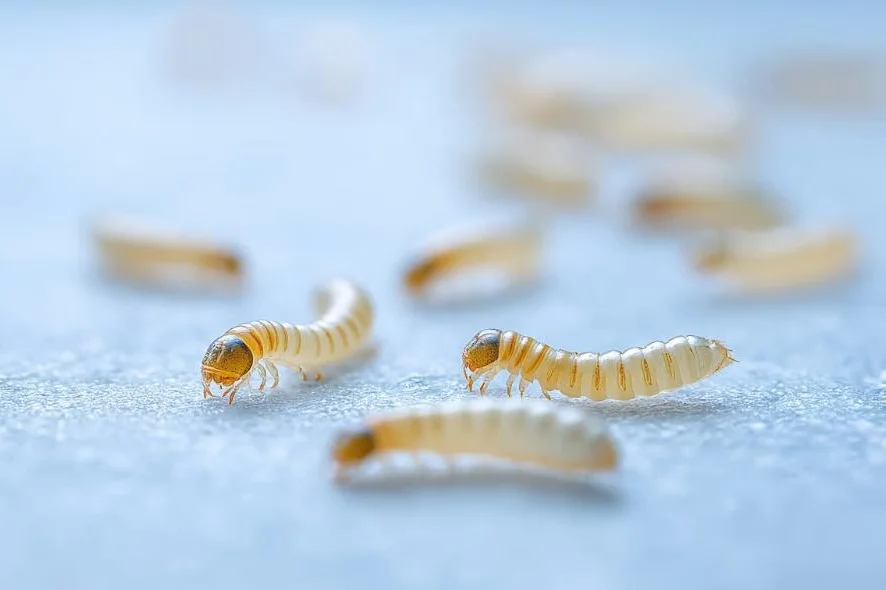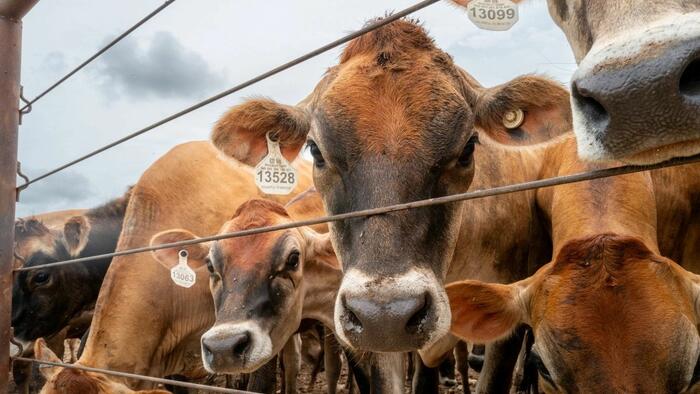
Both Mexico and the U.S. now have cattle infested with screwworm, a little fly that will essentially eat an animal alive if untreated. For the most part, the screwworm was eradicated in the U.S. back in the 1960s. So, when cases started spreading in Mexico in late 2024, the U.S. mostly banned the import of live animals. Now, Mexico is responding in kind.The Santa Teresa livestock port on the Mexico-U.S. border used to be bustling, with a couple thousand animals crossing a day. But now? “Oh boy, noticeably different. Very quiet, very quiet,” said David Anderson, an agricultural economist at Texas A&M who was there recently.He said it got a lot quieter when the U.S. banned cattle coming in from Mexico. But up until this week, horses were still moving from the U.S. into Mexico, primarily for slaughter. “We export horses to Mexico to the tune of over 500 head a week this year,” Anderson said.And that has now abruptly stopped. “We've had reports that there are horses sitting in the Texas stockyards at the Mexico border,” said Emily Stearns, a health, welfare, and regulatory affairs liaison at the nonprofit American Horse Council.She said there are also thousands of riding horses traveling between both countries.“Those are horses for racing, for ranch work, sales horses, camp horses, all kinds of stuff,” she said.Also, there are horses used for jumping events. There was a youth championship in Michigan last year, and Stearns said the spread of screwworm impacted who could compete. “The Mexican team couldn't come, the kids couldn't come,” she said.And now, no horses will be crossing the border in either direction.
Screwworm affects more than cattle trade between U.S. and Mexico
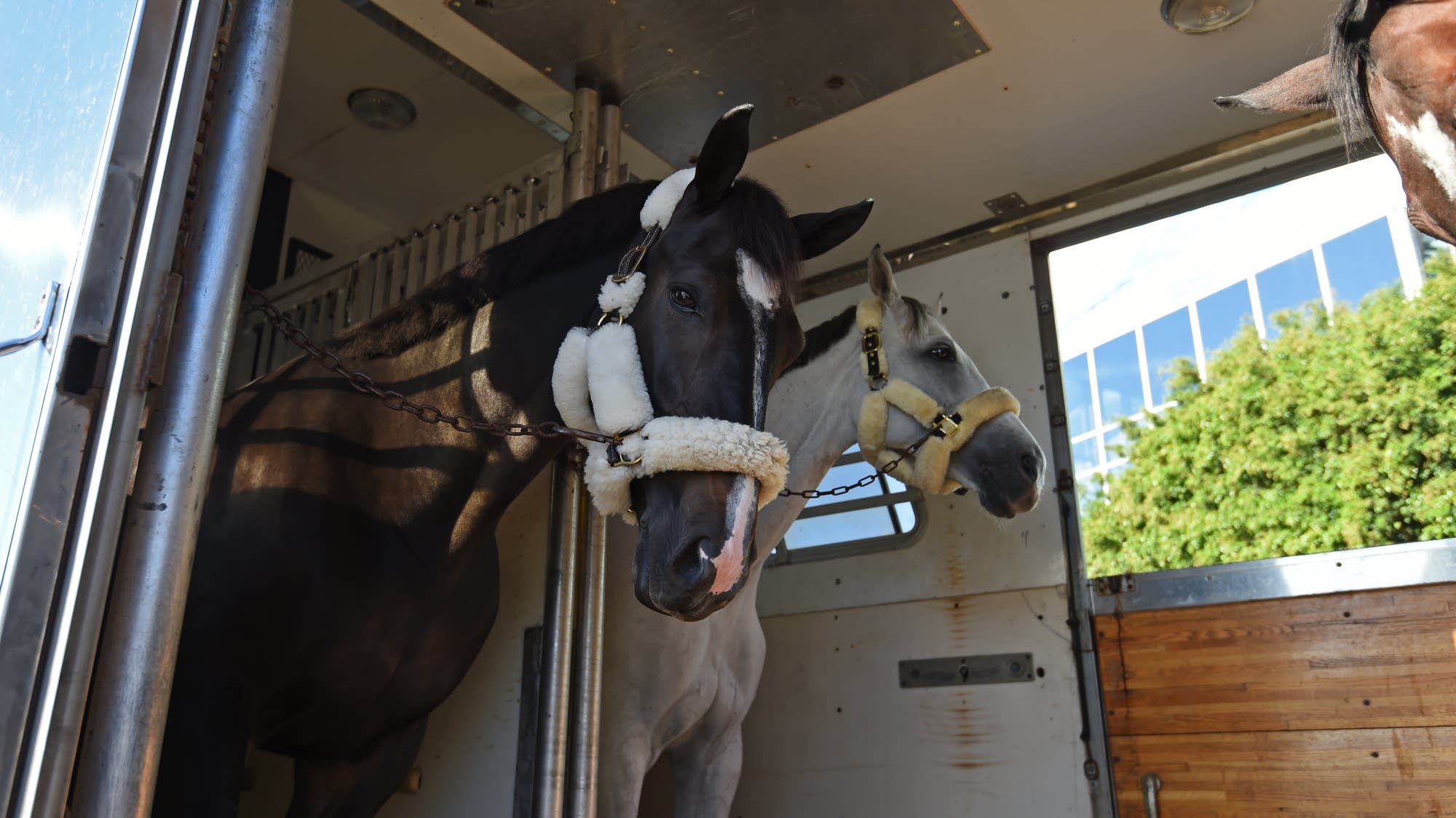
Cattle is one of the more common hosts for New World screwworm. But the U.S. horse industry has also taken a hit from the latest live animal import ban between the U.S. and Mexico.
271 words~1 min read