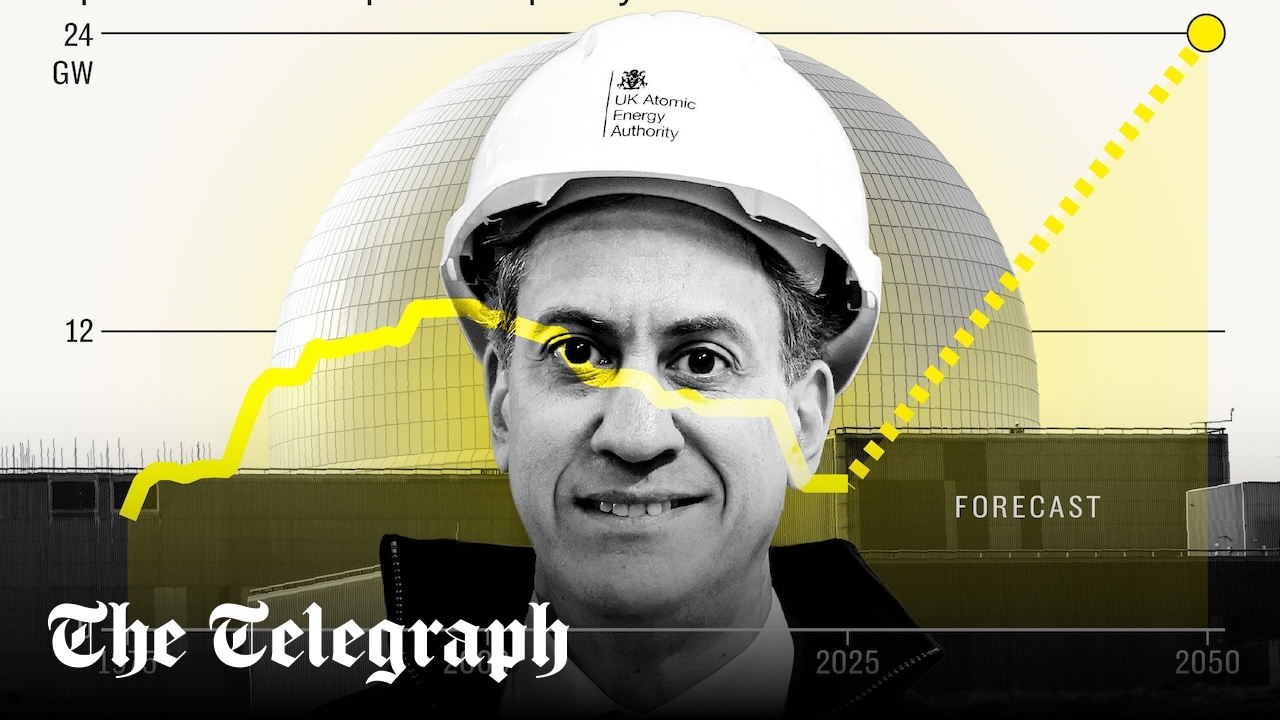
It was 20 years ago last month that the then Prime Minister Tony Blair announced that nuclear power was “back on agenda with a vengeance”. His white paper proposed to generate 40 per cent of Britain’s electricity in this way, double the proportion then made up by nuclear. It was on the advice of the then Chief Scientific Adviser, David King, who saw nuclear power as a big part of the battle against climate change.
The company has already spent £700 million on measures to reduce its impact on wildlife, including a ‘fish disco’
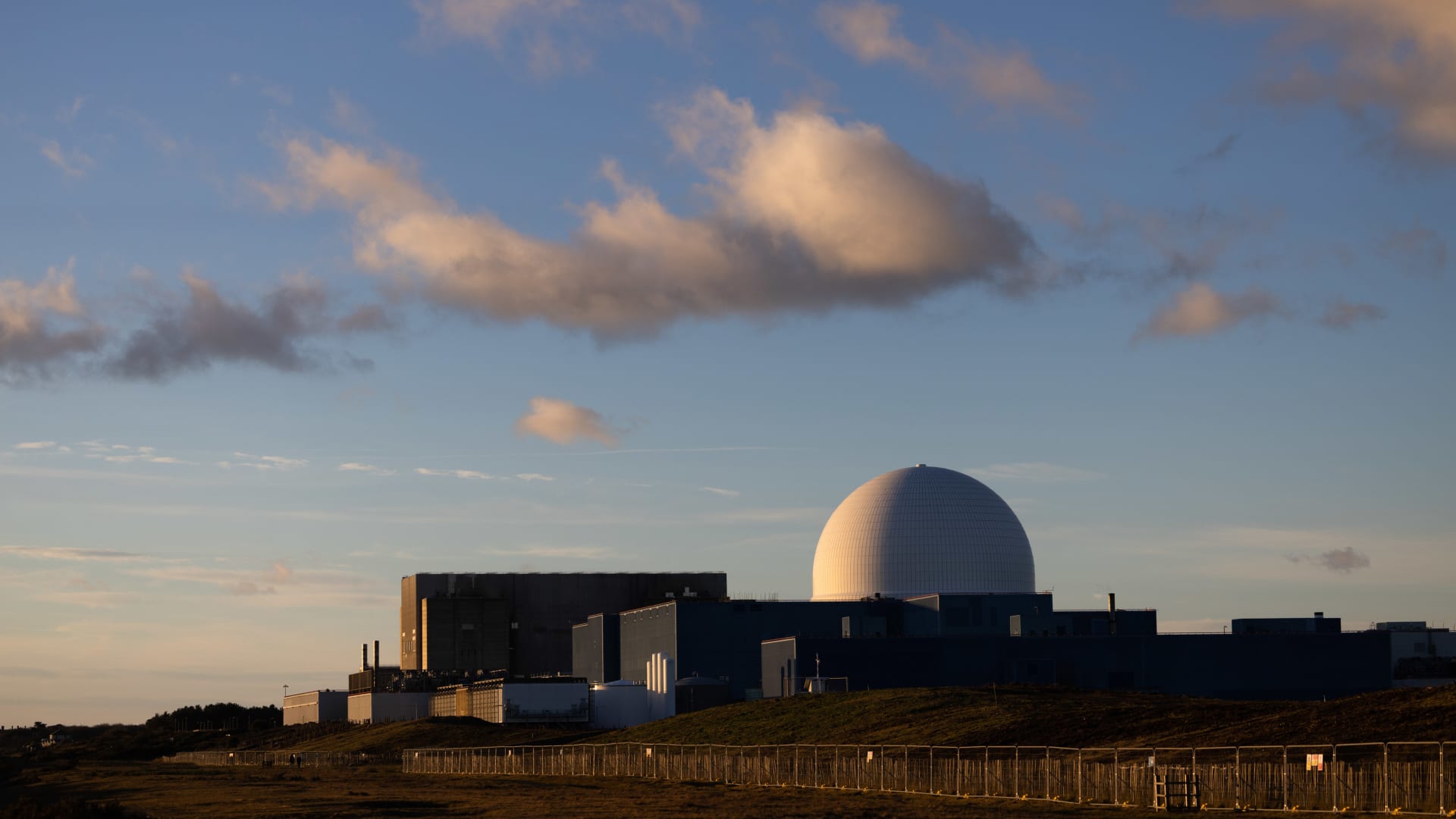
Two decades on, an alternative scenario is beginning to look more and more likely: that Britain will have to spend a few years, at least, with zero nuclear power. The latest snag in Britain’s strangled nuclear renaissance is a demand that EDF, the developers of Hinckley C nuclear power station, the first to be built in Britain for more than three decades, create new areas of salt marsh to counter the plant’s effects on the local fish population.
The company has already spent £700 million on measures to reduce its impact on wildlife, including a ‘fish disco’ – an acoustic deterrent which government review last year estimated would save precisely six lamprey, 0.083 salmon and 0.028 sea trout per year. But now Natural England – the government’s nature quango, with significant powers over the planning system – has reportedly put pressure on Hinkley to buy up large areas of farmland fronting the Bristol Channel and flood it in order to create new habitats for fish and birds. The nuclear plant, it seems, will not be allowed to operate until it has done so.