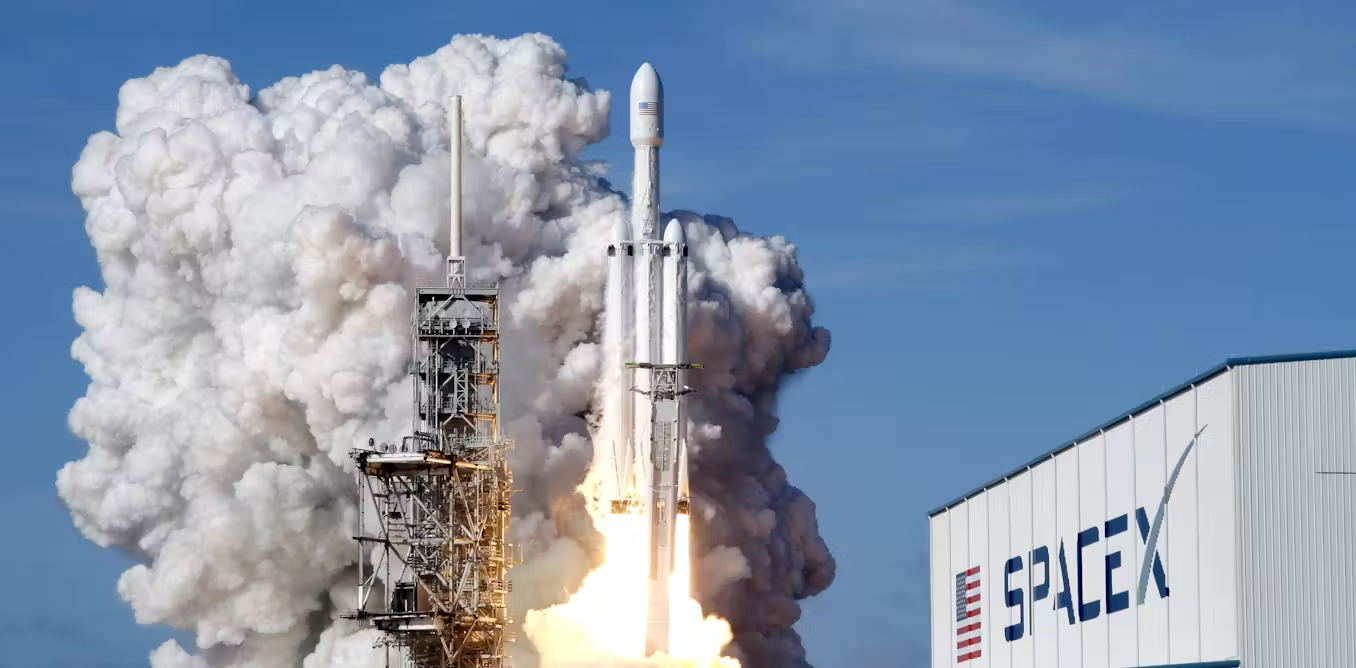
Elon Musk’s SpaceX is becoming a publicly traded company after selling 555.6 million shares in what was the biggest initial public offering in history. But my new research suggests that investors who bought those shares are unlikely to see the explosive growth that past IPOs had.
The rocket and satellite maker raised US$75 billion on June 11, 2026, in the offering, giving it a valuation of $1.77 trillion.
SpaceX isn’t the only high-profile tech company expected to sell shares to the public for the first time this year. Artificial intelligence companies OpenAI and Anthropic are also expected to list in the coming months in massive IPOs.
For Wall Street, that means blockbuster deals with hefty fees for the banks involved. For early investors and executives, it could mean enormous paydays. For everyday investors, meanwhile, the question is whether a hot company “going public” today represents a good investment opportunity.
What does it really mean when a company “goes public”?