“Oh, it’s not for us.” This is a common refrain when you tell people you’re going on a cruise, a subtle put down and silent judgement of your travel choices. You can’t really blame them as it's often associated with throngs of people, giant casinos, and pile-it-high buffets. “For many of my clients, cruise has become a bad word. The image that comes to mind is ships the size of a city block with thousands of passengers,” said Amy Siegal, a New York-based luxury travel advisor with VWT by Chase Travel. I admit I was once snooty about the idea of being stuck on a ship in the middle of the sea, but that’s until I went on a luxury cruise traversing the Arctic Circle over a decade ago. I stopped at small islands in Iceland, rode on a RIB boat to see wildlife up close, and basked in the midnight sun in Norway – all in one trip. It was then I realised its appeal: Unpack once, sit back and wake up somewhere new every day. Few travel pursuits can cover so much ground in an utterly relaxing way.Even with the naysayers, the demand is insatiable. A report by Market Intelo states the industry is expected to be worth US$18.7 billion (S$24.14 billion) by 2033, and the Cruise Lines International Association projects 41.9 million travellers will head out to open water by 2028, with 1.5 million picking a luxury cruise experience. The upper end of the spectrum has seen the some of the strongest growth, propelled by the launch of hotel-branded vessels like The Ritz-Carlton Luminara and the Four Seasons I setting sail over the last few months. “Newer brands are distancing themselves from older concepts and even the naming reflects this – from Virgin Voyages and Orient Express Sailing Yachts,” added Siegal. DON’T CALL IT A CRUISE
Caviar for breakfast, Pilates and pickleball classes, oceanfront suites for all – Explora Journeys is wooing non-cruisers and it’s working
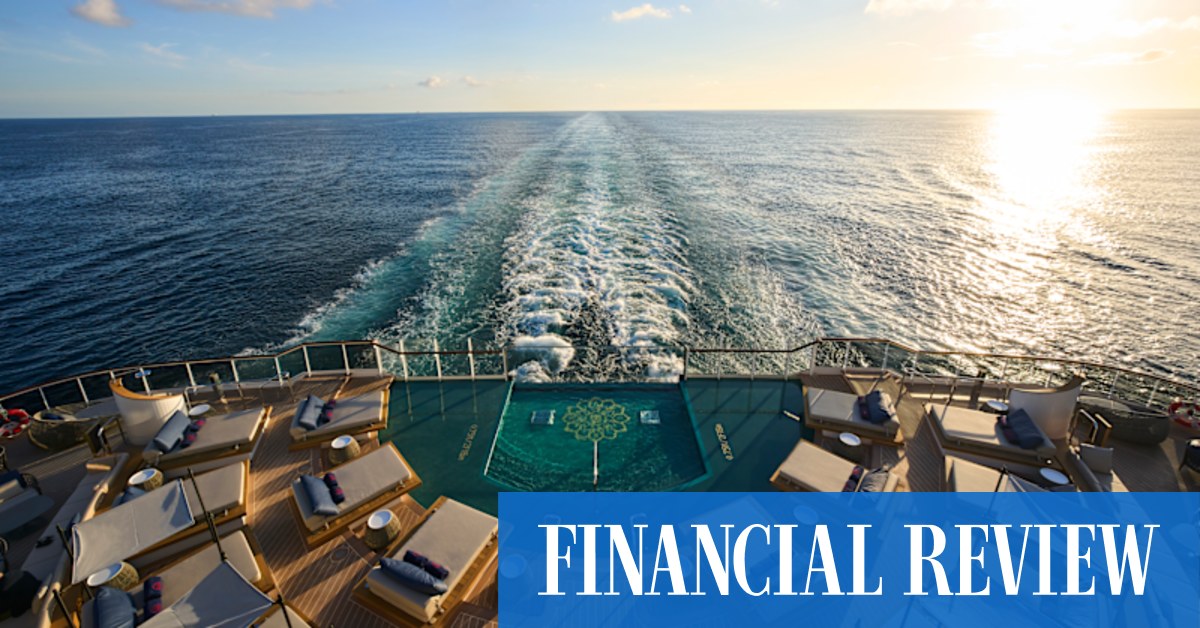
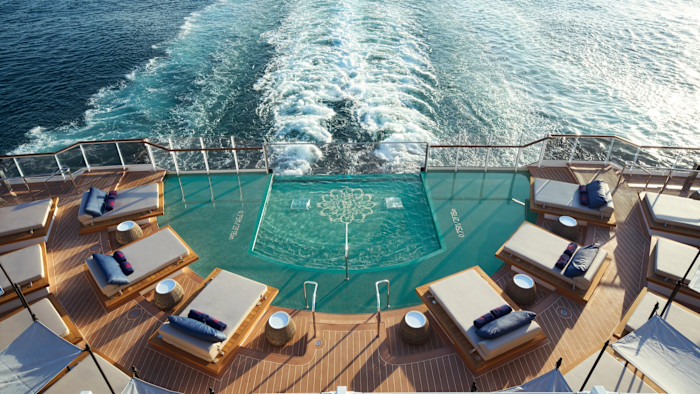
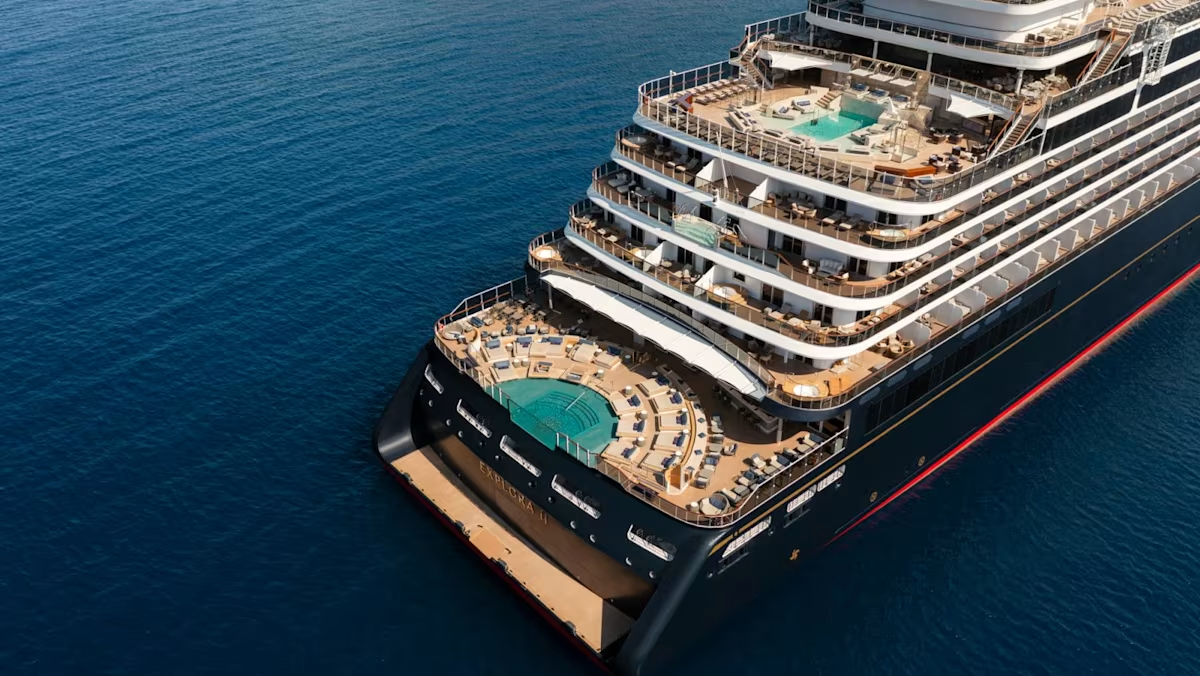
A floating hotel whose address is the ocean, Explora Journeys offers the experience of a private yacht with more amenities to match.
2,006 words~9 min read