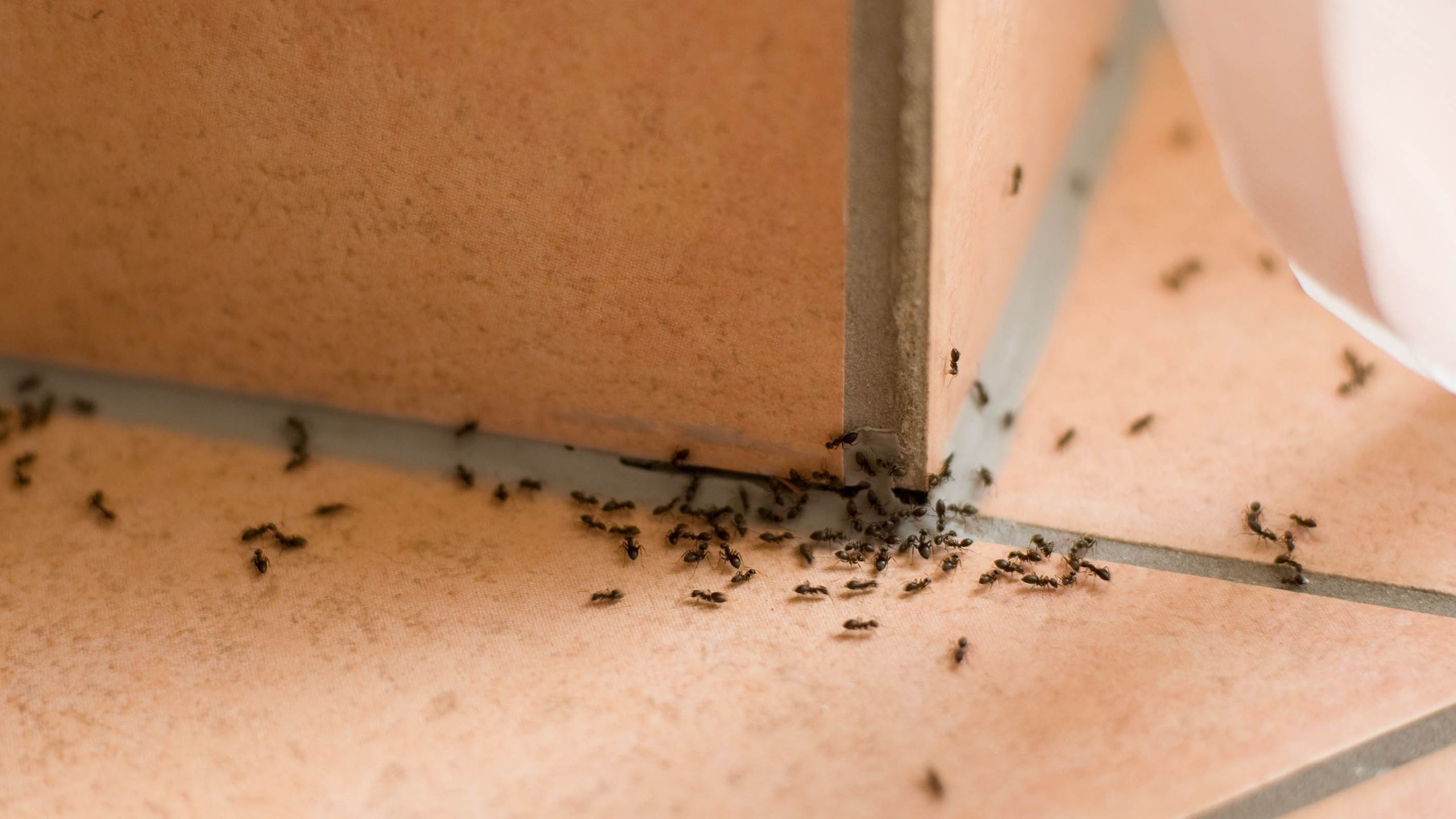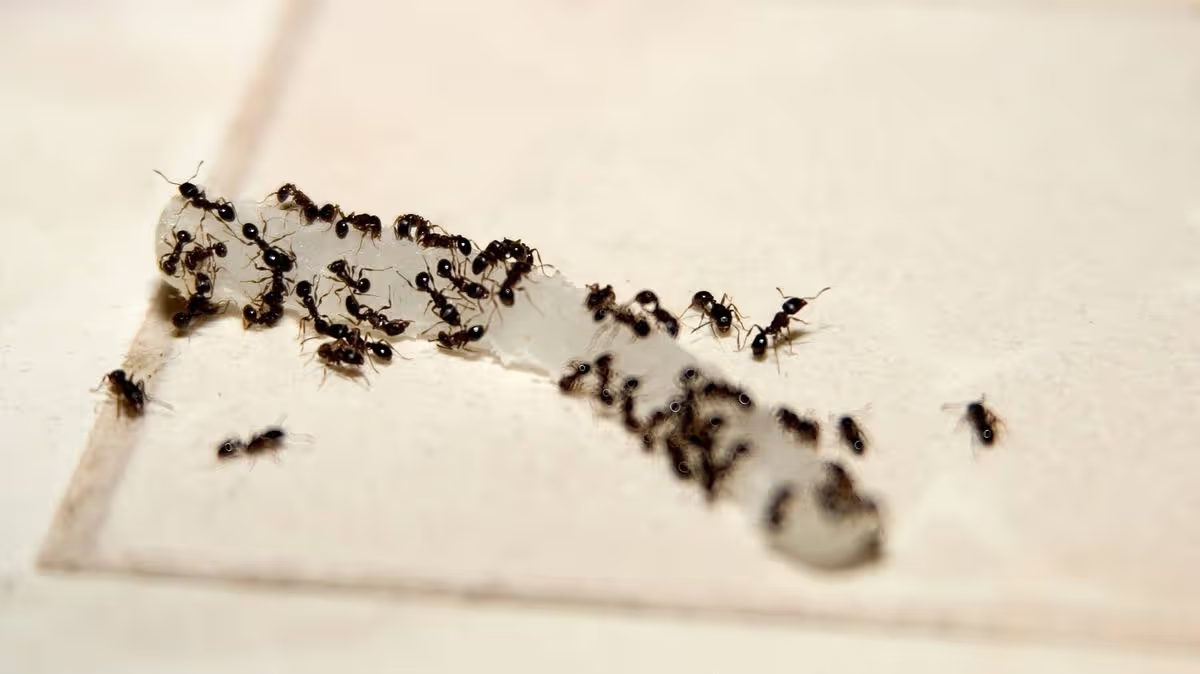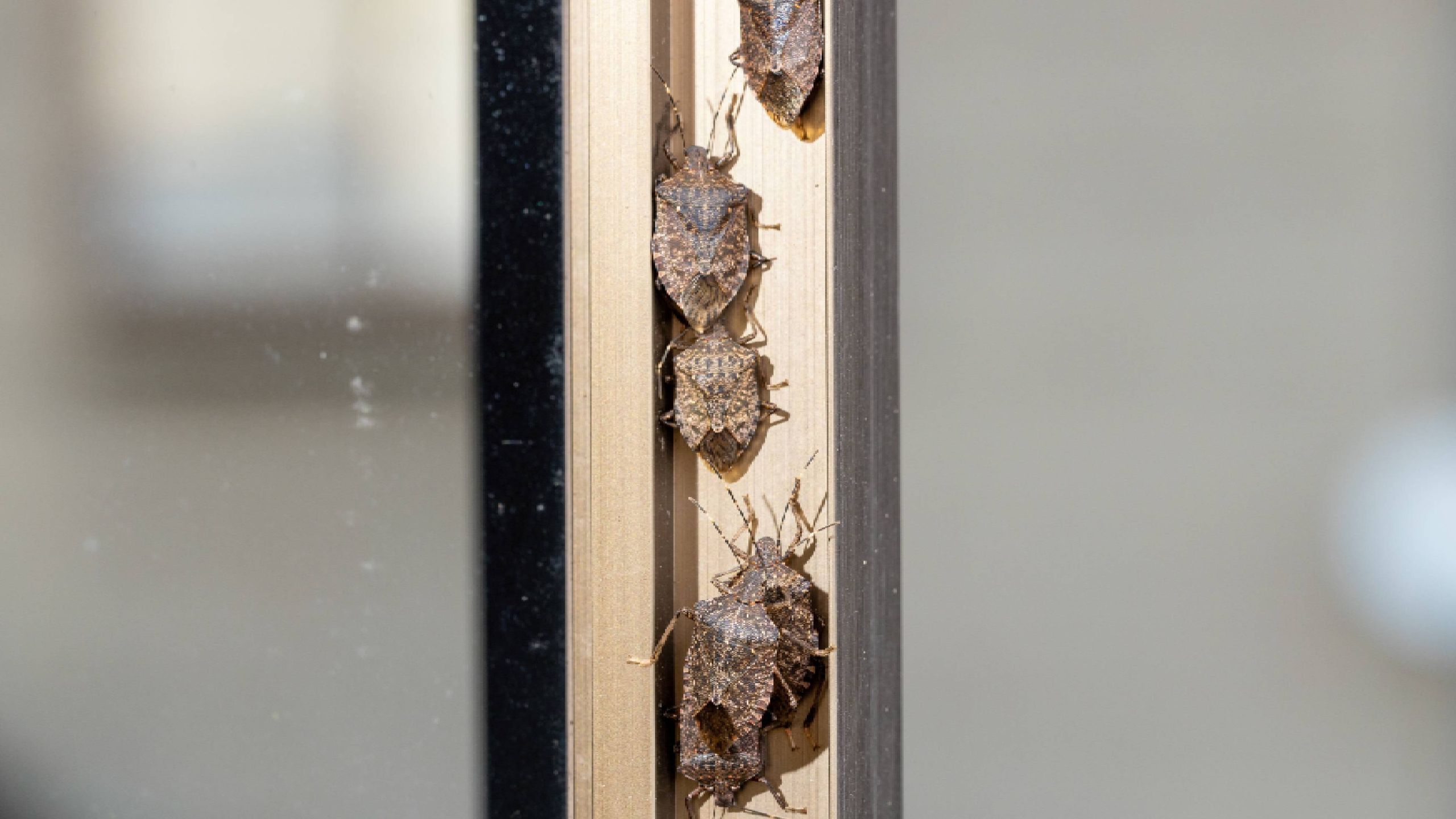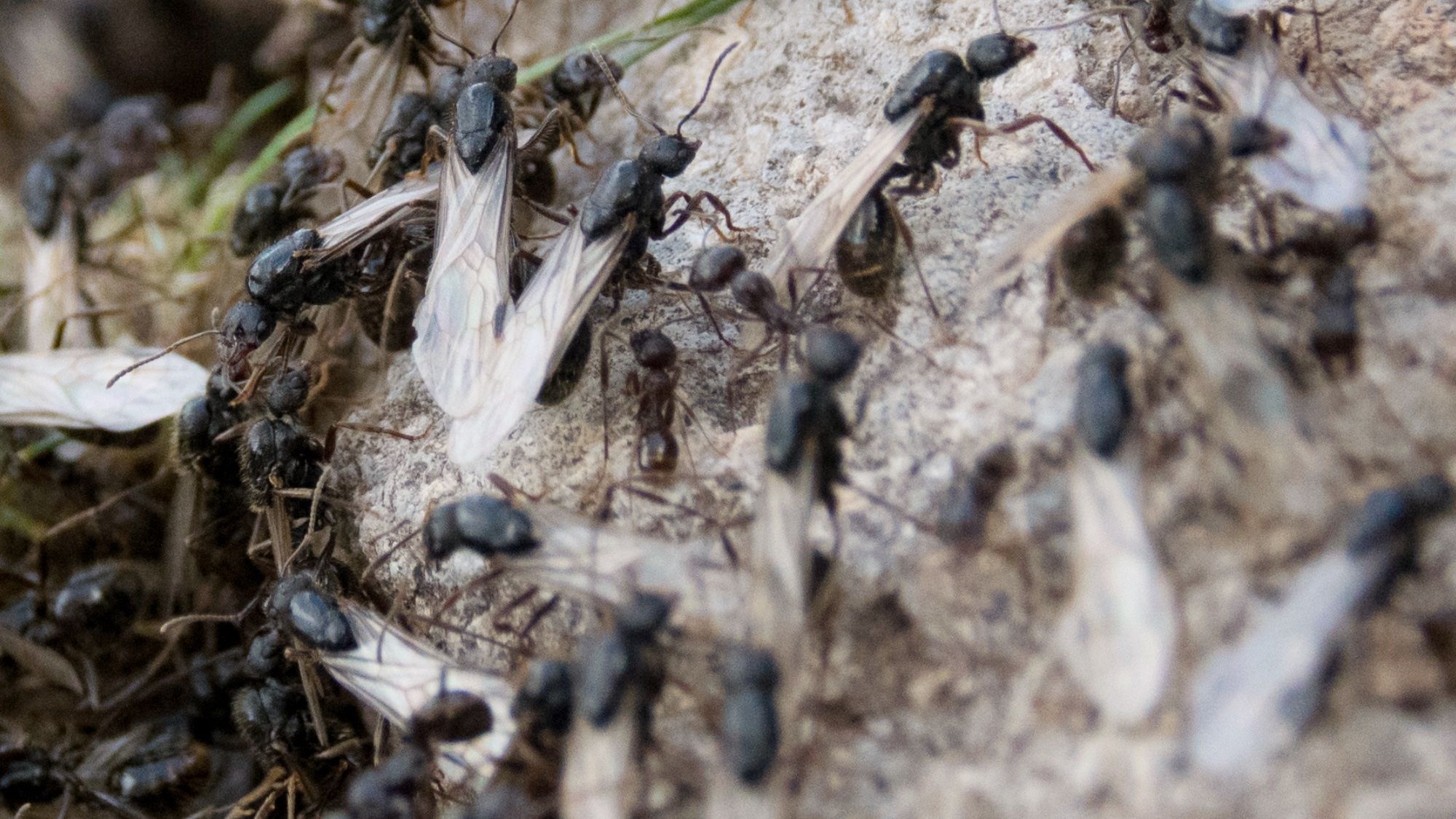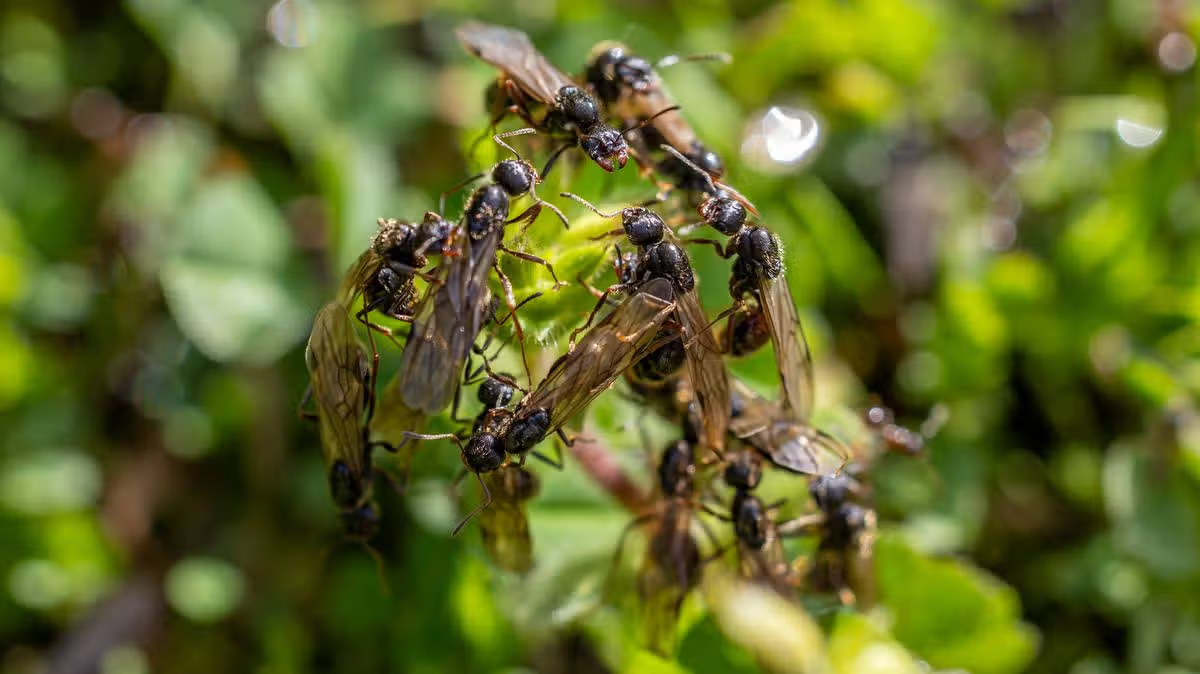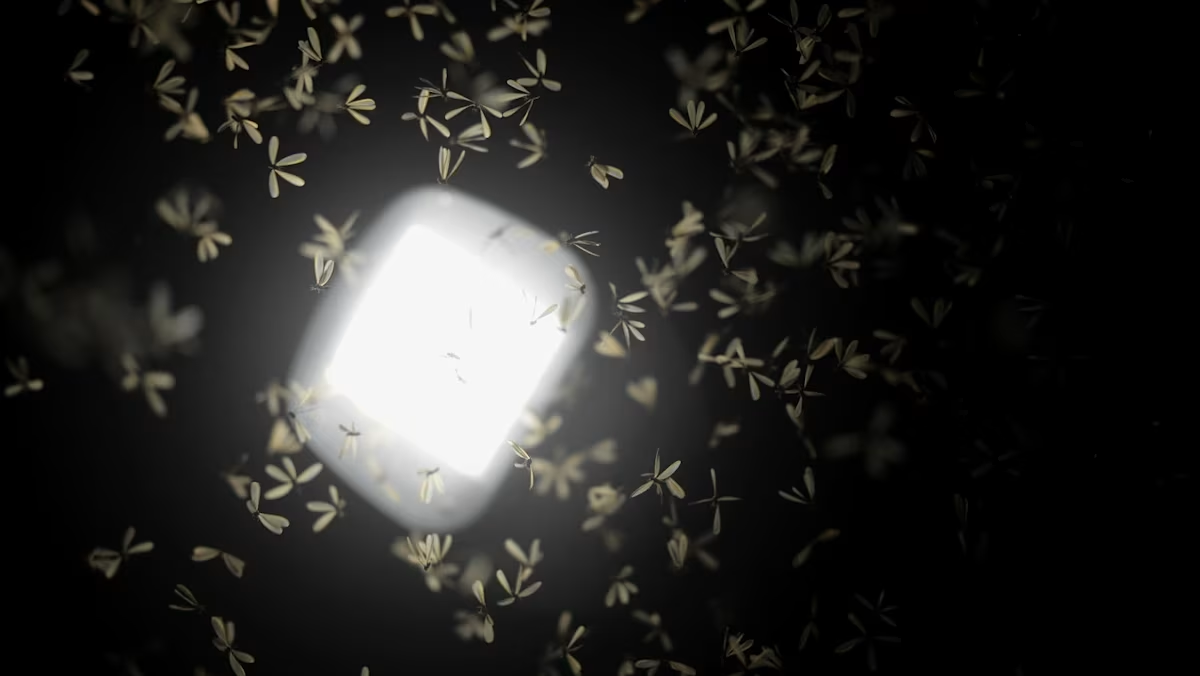
As someone who is squeamish about squashing bugs, any insect (beyond the usual pests such as ants, cockroaches, mosquitoes and houseflies) that visits my apartment often has me in a quandary. How do I evict it without resorting to chemical warfare?Also, it would be cool to lure a whole swarm of flying ants out of my home with a reverse Ironman move like what this guy did:
So far, my home’s “exotic” visitor log has included a large, green praying mantis with judgy compound eyes. Once in a while, a dragonfly would appear on the floor right outside my front door. Occasionally, cricket-like bugs that twerk their abdomens like a K-pop starlet would flit into my realm. (I sure hope they are wasps that parasitise cockroaches like this Facebook group said.) I’m lucky that my estate isn’t home to cicada swarms, like the ones experienced by Tampines residents. Still, it would be nice to know what to do when flying ants, bees and brown beetles that crash into everything – including human heads – drop in.
Giant honey bees, the largest bees found in Singapore. (Photo: iStock/Noppamas Phanmanee)
WHAT MAKES OUR HOME ATTRACTIVE TO INSECTS LIKE BEES AND FLYING ANTS?Often, bugs show up at your window because of a few predictors: food, shelter and availability of nesting sites, said Dr Hwang Wei Song, the curator of entomology at the Lee Kong Chian Natural History Museum, and a senior lecturer at the Department of Biological Sciences, National University of Singapore. But “more often, they are just passing by and are accidentally trapped by glass windows”, he said.Many species of bees, for instance, are generally active foragers during the day and will cover a large area in search of food, said Dr Hwang. “If your home has a lot of flowering plants and is near greenery, it is likely that more bees will be attracted to your house.” The presence of food sources such as sugary drinks can also attract bees indoors, noted a Science Centre Singapore (SCS) spokesperson.At other times, the bees could be in search of new nests. “When a bee colony grows too large and begins to swarm, scout bees may enter homes in search of potential new hive sites,” said SCS, adding that the same goes for bees’ more aggressive cousins, wasps. “Unfortunately, the very features that make our homes comfortable for us, such as shelter, warmth, and protection from the elements, also make them attractive to bees and wasps,” noted SCS.Still, it is harrowing to come home to new housemates like this homeowner did (see the Instagram Reel below). Bee rescuer and beekeeper Clarence Chua from The Sundowner Nature Experience Centre, who relocated the hive in the video, said the bees were likely looking for a dark, quiet space to start a new hive. "So probably, the scouts found the kitchen cabinet on a quiet day when there wasn't any human presence," he said.