In brief
OpenAI is considering significant token price cuts in anticipation of similar moves from Anthropic.
The move emerges as both companies race toward dueling IPOs.
Open-source inference providers are already serving DeepSeek V4 at a fraction of closed-model pricing, giving corporate customers a viable exit before any price war even begins.
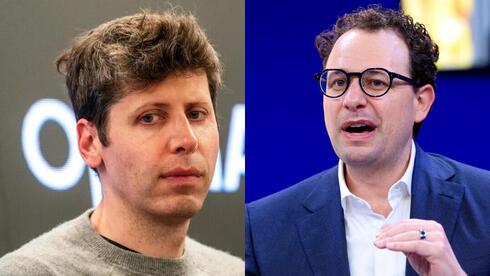
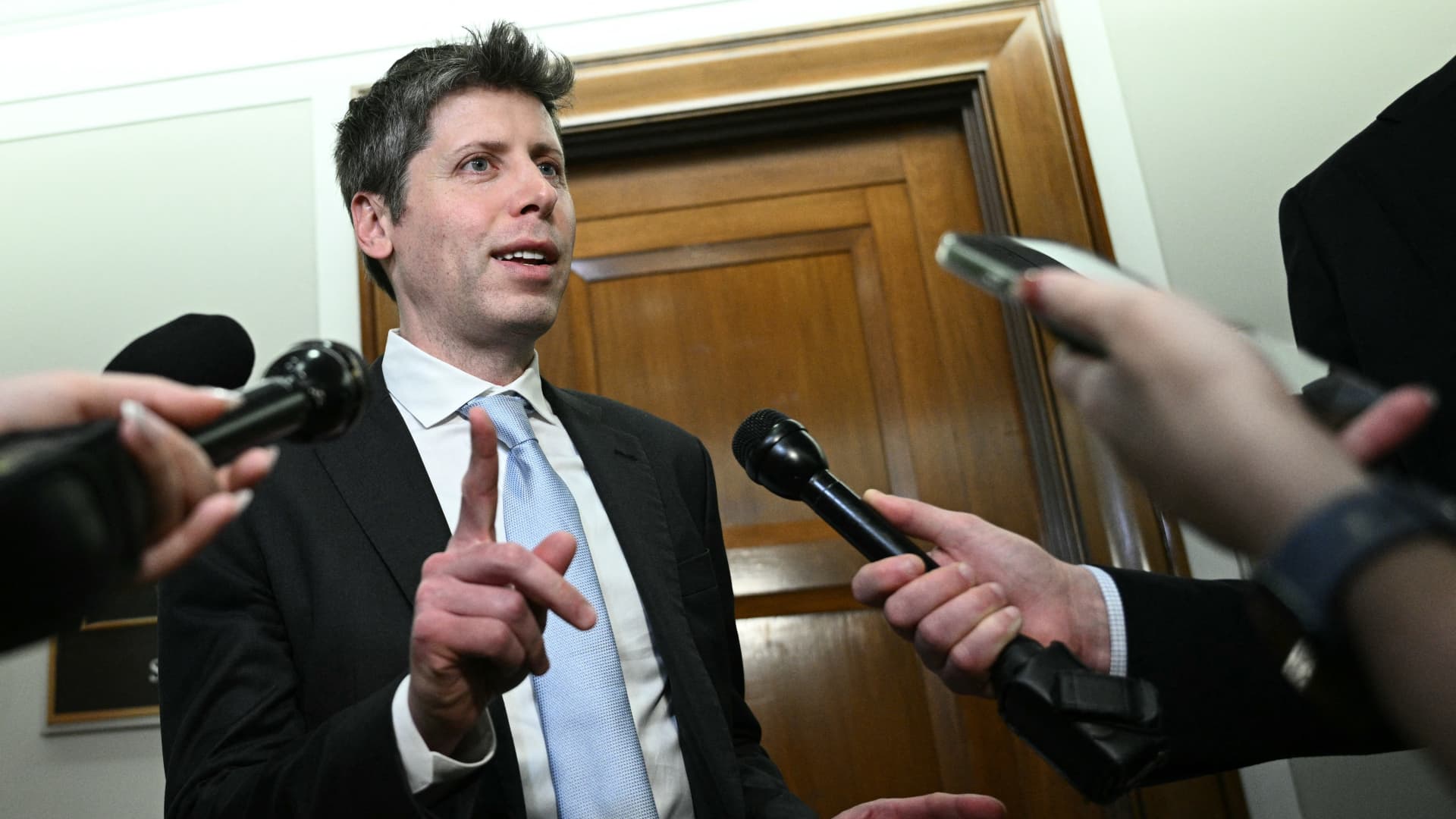
OpenAI is considering slashing the prices it charges developers and enterprises, per the Wall Street Journal, in anticipation of similar cuts from Anthropic. Discussions are described as still in flux as both companies filed confidentially for IPOs this month, and neither has turned a profit."I think we'll have a lot of ways we can help people get more value for less spend," Sam Altman said at a recent event, according to the Wall Street Journal. That quote landed against a backdrop of OpenAI posting a -122% adjusted operating margin in Q1 2026—meaning it lost $1.22 for every dollar it brought in.The pressure is real. As Decrypt previously reported, ChatGPT's share of global generative AI web traffic fell from 77.6% in May 2025 to 53.7% by April 2026. For the first time, more companies tracked by the Ramp AI Index are paying for Anthropic than for OpenAI. Anthropic's annualized run rate went from $9 billion at the end of 2025 to $47 billion by May 2026—a 422% jump in five months—driven almost entirely by Claude Code, with Q2 2026 being the company’s first profitable quarter ever.OpenAI has since made its own coding tool, Codex, a company priority. But it’s playing catch up.Both companies are fighting a not so silent war to attract as many clients as possible in the middle of the world’s biggest tech fever since the dot-com era. Companies of every sort are now racing to use AI in some way or another. Uber's CTO burned through its entire 2026 AI budget by April, some JP Morgan employees are spending more on AI use than their own salary, per the bank's chief data officer for its payments division.This is the practice Silicon Valley has taken to calling "tokenmaxxing"—burning through as many AI tokens—the bits of data processed by AI models—as possible, often without clear return on investment. Palantir CEO Alex Karp compared it to a porn addiction at AIPCon last week. JP Morgan analysts published a note this month titled "AI Bills Are Out of Control." The companies most exposed to the blowback are the ones now contemplating a price war.Tommy Shaughnessy of Delphi Ventures laid out the structural trap in a widely shared X post this week: The $20/month flat fee rate was always priced below what heavy usage actually costs—a loss-leader designed to drive adoption, not cover compute. Once a real business needs AI at scale, it moves to the API, paying per token, but consuming much more compute power.Not everyone agrees with this take. Some believe the oligopoly of AI in the Western hemisphere allows for companies to charge increasingly high prices for processing their prompts—Chinese models charging so little being proof of this. If this is the case, there may be room for drastic price changes while still being on solid financial ground.