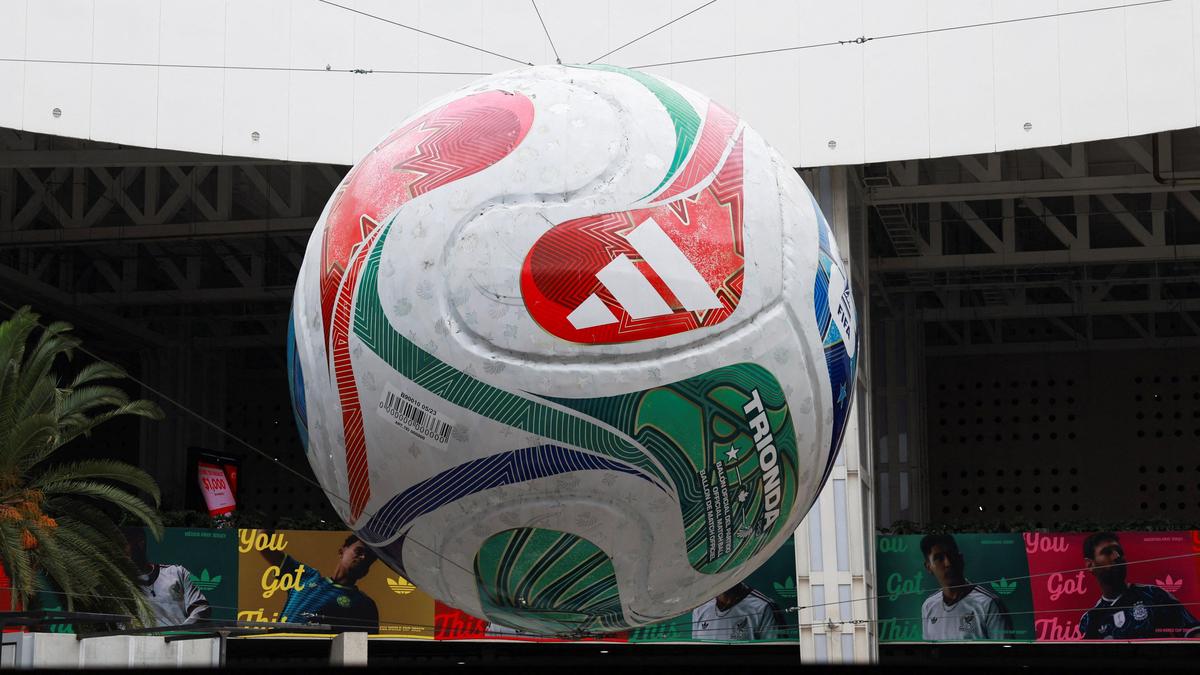
A new study identifies 15 high-paying careers that make the World Cup possible are long-term jobs that stay in demand long after the championship trophy is awarded, and no degrees are required.gettyThe 2026 FIFA World Cup begins June 11, 2026 and runs through July 19, 2026. It is being hosted jointly by the United States, Canada, and Mexico—the first World Cup ever staged across three countries. The opening match is in Mexico City, and the final will be played in the New York–New Jersey area.The FIFA World Cup may only last a few weeks, but many of the jobs that make the tournament possible are positioned to stay in demand long after the championship trophy is awarded. At a time when many workers are looking for alternatives to the traditional four-year degree, new research from Zety identifies 15 high-paying careers that play a vital role in World Cup operations, offering strong long-term employment prospects without requiring a bachelor's degree.15 World Cup Careers With Long-term Employment ProspectsTo create its World Cup Career Index, Zety analyzed publicly available FIFA planning documents and identified occupations connected to five critical areas of tournament operations: transportation and crowd logistics, venue operations, public safety, infrastructure, and tourism support. Researchers then combined occupational relevance with salary and projected job growth data from the U.S. Bureau of Labor Statistics to calculate a World Cup Career Index Score, ranking jobs based on both event-related demand and long-term career potential. The following World Cup jobs are ranked based on a calculated World Cup Career Index Score:MORE FOR YOU1. Transportation, Storage & Distribution Managers (84)This role stood out (index score of 84) because of its strong salary potential of $121,600, projected growth of six percent and relevance score (5) across all five operational areas examined in the study. 2. Electrical Power-Line Installers & Repairers (63)In second place, based on an index score of 63, this job renders an annual salary of $91,970, projected growth of seven percent and relevance score of 3.3. Occupational Health & Safety Technicians (62)The third place job, requiring no degree, yields an annual salary of $68,120, has a projected growth rate of 12% and has a relevance score of 3.4. Electricians (58)Electrician jobs bring an annual median salary of $71,490, with a nine percent growth rate and a relevance score of 3.5. Fire Inspectors & Investigators (56)This role ranking fifth in index score can bring as much as $78,670 yearly. It has a projected growth rate of six percent and a relevance score of 3.6. Elevator & Escalator Installers & Repairers (54)This occupation pays a median annual salary of $109,820, has a projected growth rate of five percent and earns a relevance score of 2.7. Industrial Machinery Mechanics (53)These jobs bring in an annual salary of $68,460, and they have a projected growth rate of13% and a relevance score of 2.8. Flight Attendants (52)Flight attendants can earn as much as $77,440 yearly. They receive a projected growth rate of nine percent and a relevance score of 2.9. Plumbers, Pipefitters, & Steamfitters (48)These roles offer salaries of $72,170, have a four percent projected growth rate and a relevance score of 3.10. Security & Fire Alarm Systems Installers (48)In tenth place, these careers can yield a median annual salary of $60,960. They have a projected growth rate of 10% and a relevance score of 3.11. Aircraft Mechanics & Service Technicians (48)At number 11, these careers can bring you up to $84,740 yearly. They have a projected growth rate of five percent and a relevance score of 2.12. Heating, Air Conditioning & Refrigeration Mechanics (47)These jobs offer a median annual salary of $64,780, have a projected growth rate of eight percent and a relevance score of 3.13. Avionics Technicians (46)Avionics technicians install, inspect, maintain, troubleshoot and repair the electronic systems used in aircraft. These jobs can yield an annual salary of $83,380, have a projected growth rate of five percent and a relevance score of 2.14. Structural Iron & Steel Workers (45)These jobs render as much as $70,280 annually, have a projected growth rate of four percent and a relevance score of 3.15. First-Line Supervisors of Transportation & Material Moving Workers (41)Rounding out the list, these careers bring in a yearly salary of $66,860, have a projected growth rate of four percent and a relevance score of 3.Several of these jobs posted impressive earnings without requiring a bachelor’s degree. Elevator and escalator installers and repairers reported average annual earnings of nearly $110,000, while electrical power-line installers and repairers earned close to $92,000 per year. Aircraft mechanics and avionics technicians also ranked among the higher-paying occupations, reflecting the growing demand for transportation infrastructure and aviation support.What These Findings Mean For Job SeekersThe broader lesson from Zety’s findings is that some of today’s strongest career opportunities exist outside traditional degree pathways. Behind every successful tournament is a workforce of skilled professionals whose contributions rarely make the highlight reel. While many of these careers require apprenticeships, certifications or specialized training, they provide competitive salaries, strong job growth and a clear path to advancement without the burden of a four-year college degree. Plus, they underscore the demand for skilled technical workers outpacing traditional white-collar roles. One of the study’s most striking findings is that more than half of the top-ranked jobs are tied to infrastructure, utilities or facility maintenance. Host cities invest billions in transportation systems, stadiums, public safety measures and tourism infrastructure. Once completed, those investments continue generating employment opportunities for years.The systems created to move millions of fans, athletes and support personnel during the tournament evolve into permanent regional logistics networks. Transportation, storage and distribution managers continue benefiting from expanded infrastructure and supply chain activity long after the final match.World Cup stadiums, fan zones and entertainment districts are usually repurposed into year-round destinations that host concerts, sporting events and community activities. Maintaining these facilities requires a steady pipeline of skilled workers, including elevator and escalator installers and repairers, as well as heating, air-conditioning and refrigeration mechanics and installers.Public safety improvements usually become permanent features of municipal operations, helping sustain demand for occupational health and safety technicians, fire inspectors and investigators, and security system installers.Maintaining and upgrading infrastructure systems requires highly skilled workers, including electrical power-line installers, electricians and structural iron and steel workers. Because infrastructure projects continue long after tournament crowds leave, these occupations often enjoy strong long-term job security.Hosting a World Cup places a city or region on a global stage, attracting future visitors and expanding international tourism demand. That increased activity can create ongoing opportunities for flight attendants, aircraft mechanics and other aviation professionals who support growing passenger volumes.Zety’s findings highlight a reality overlooked during major sporting events: athletes and coaches capture the headlines, but it’s a vast workforce of skilled professionals who keep the tournament running behind the scenes.
World Cup Careers: 15 High-Growth, Long-Term Jobs With No Degree
15 high-paying careers that make the World Cup possible are long-term jobs that stay in demand long after the championship trophy is awarded, and no degrees are required.
1,130 words~5 min read