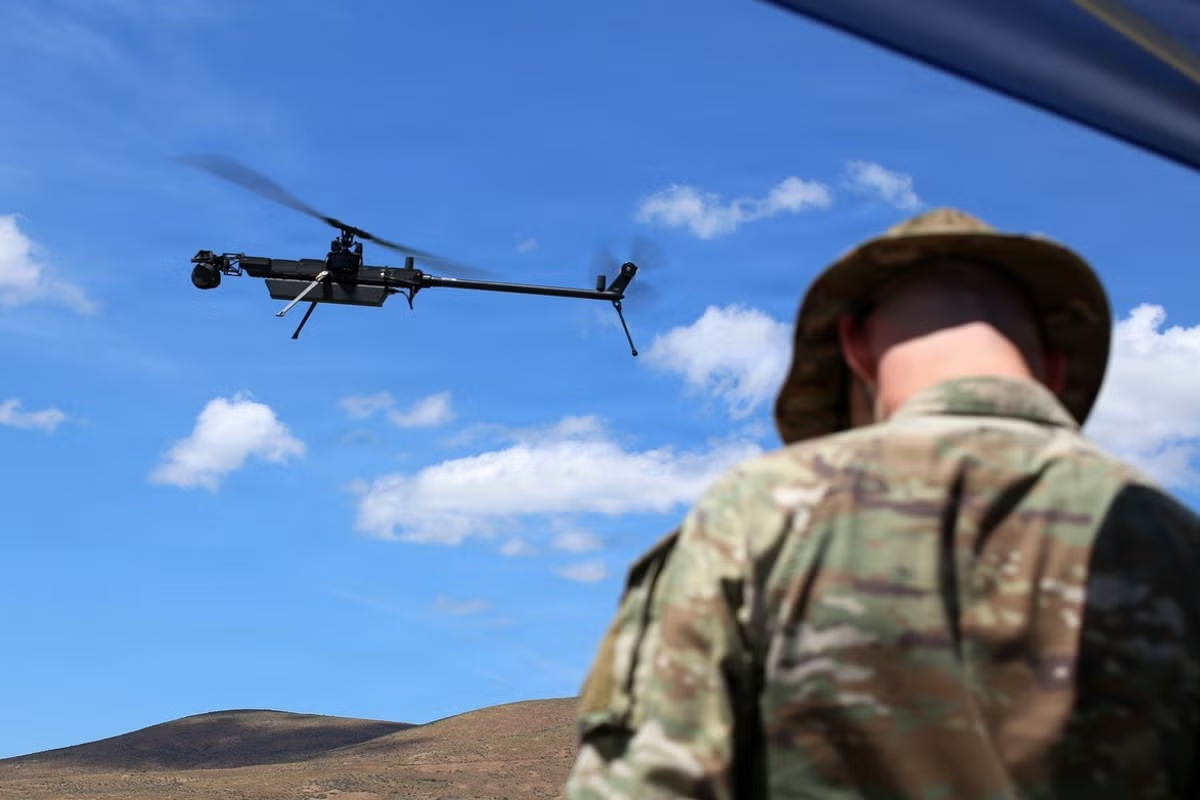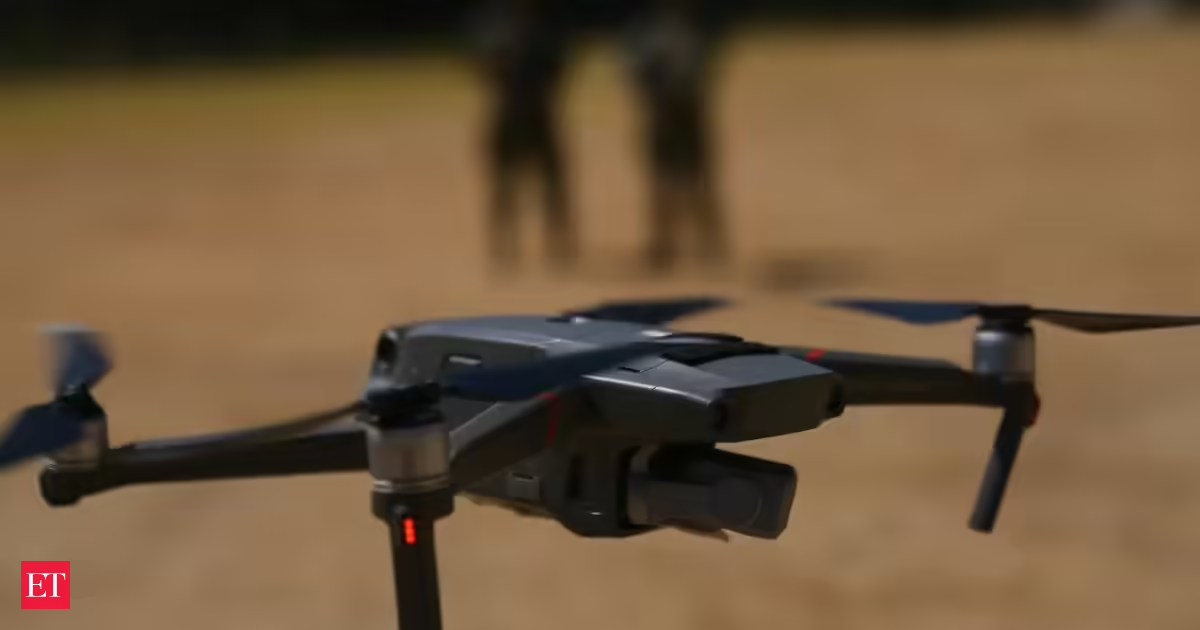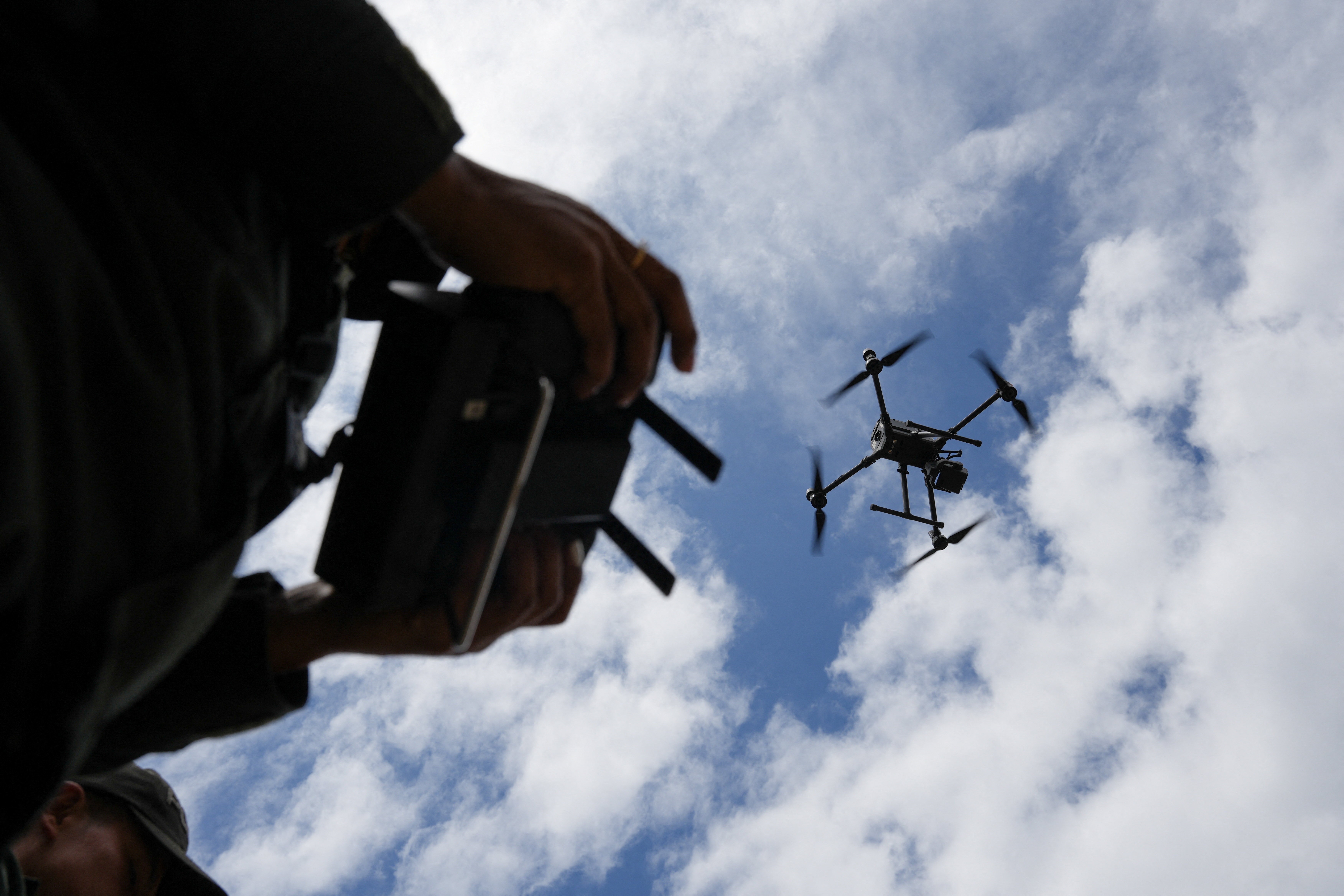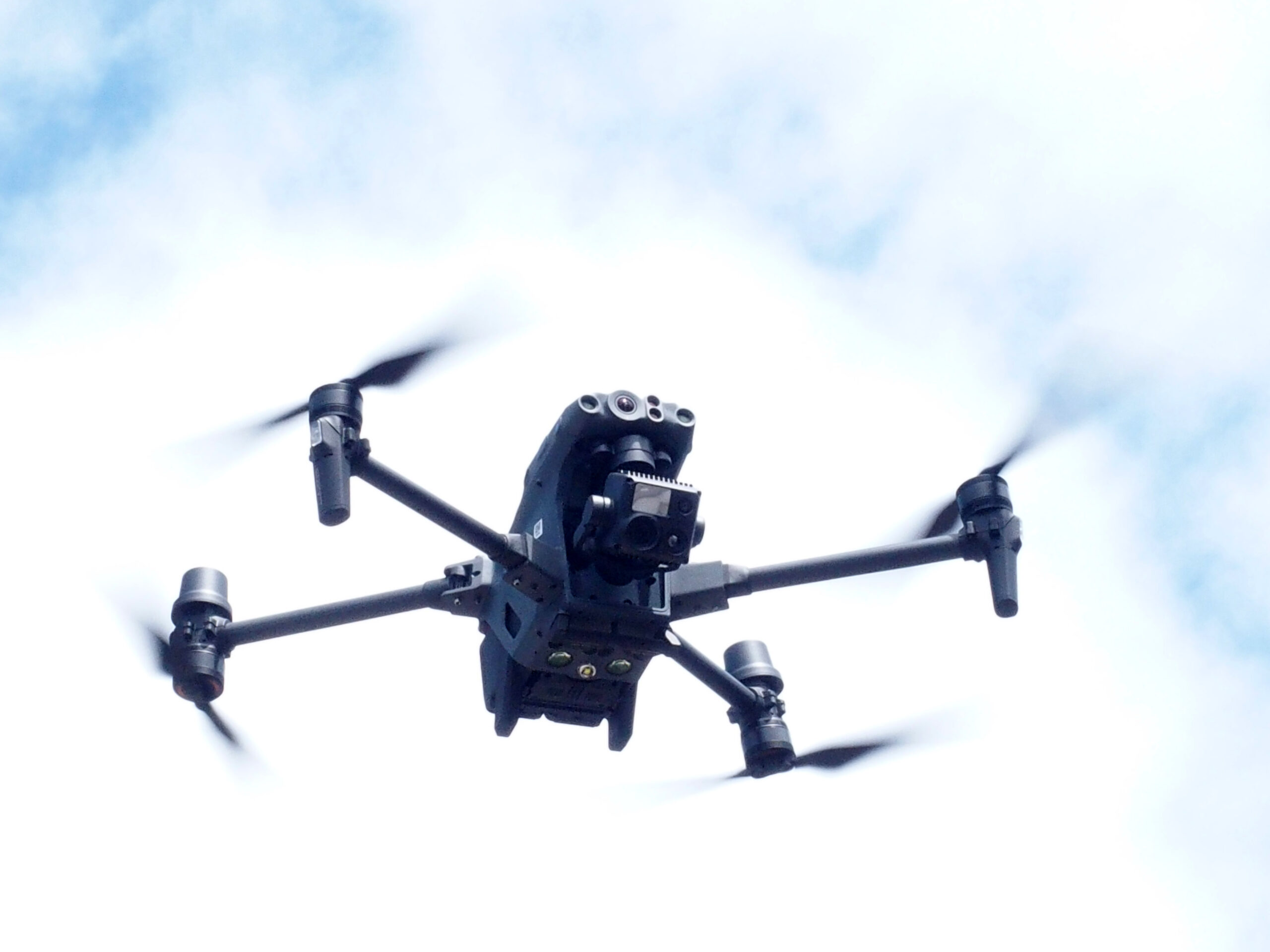
WASHINGTON—The first national security crisis of the Trump administration began before it had even taken office. In November 2024, repeated sightings of unknown aerial vehicles paralyzed New Jersey and other areas of the East Coast. The anxious speculation and government investigations that followed revealed that most sightings were drones, many flown by hobbyists. This scare in the air brought to the homeland the brutal lesson that had been learned from conflicts in Ukraine and the Middle East about how drones are transforming security. Cheap unmanned aircraft systems (UAS) leave Americans and our critical infrastructure vulnerable to surveillance, malicious acts, and even attack from a distance while operators remain relatively safe.
Over one million drones are operating in the United States, and the number is rising. These systems offer enormous benefits—supporting public safety, business, recreation, and so much else. But their risks are rising together with their numbers and capability. The Federal Aviation Administration (FAA) receives more than a hundred drone-sighting reports near airports every month that challenge aviation safety. The US Department of Homeland Security reported more than 27,000 UASs near the southern border in the second half of 2024, many used to smuggle drugs. Drones interfere with wildfire-fighting aircraft, violate temporary flight restrictions at major events, and create hazards even when operators are simply trying to get a closer look.