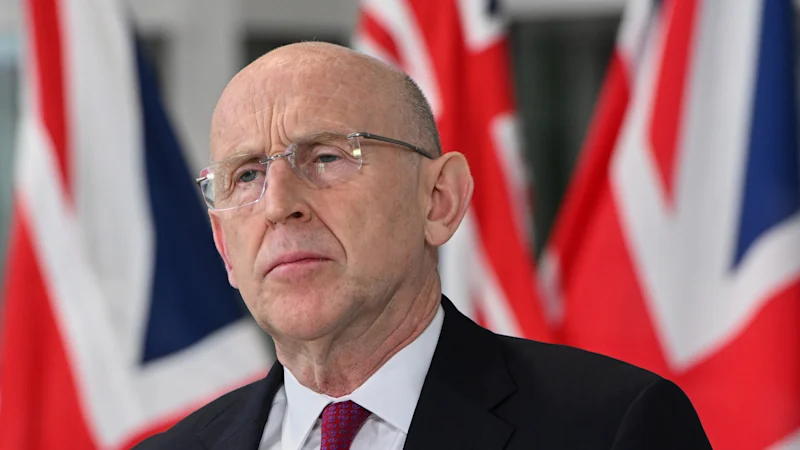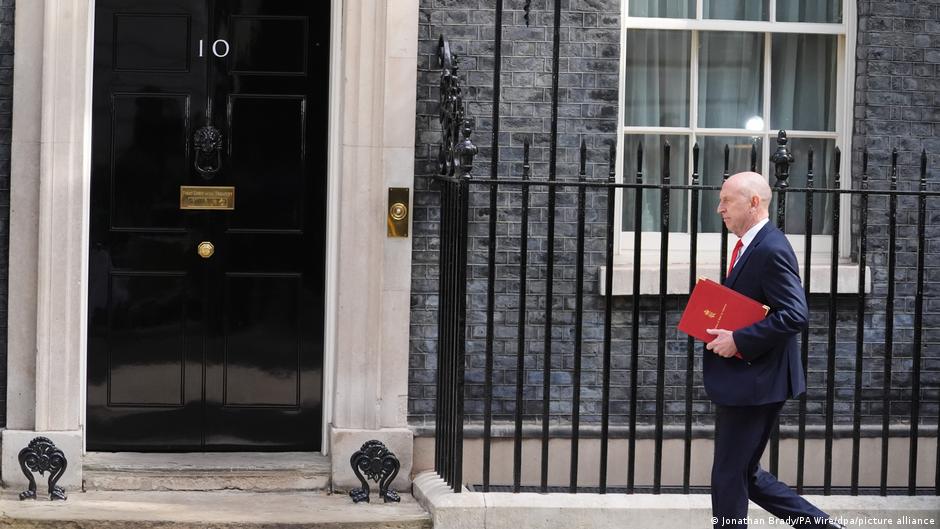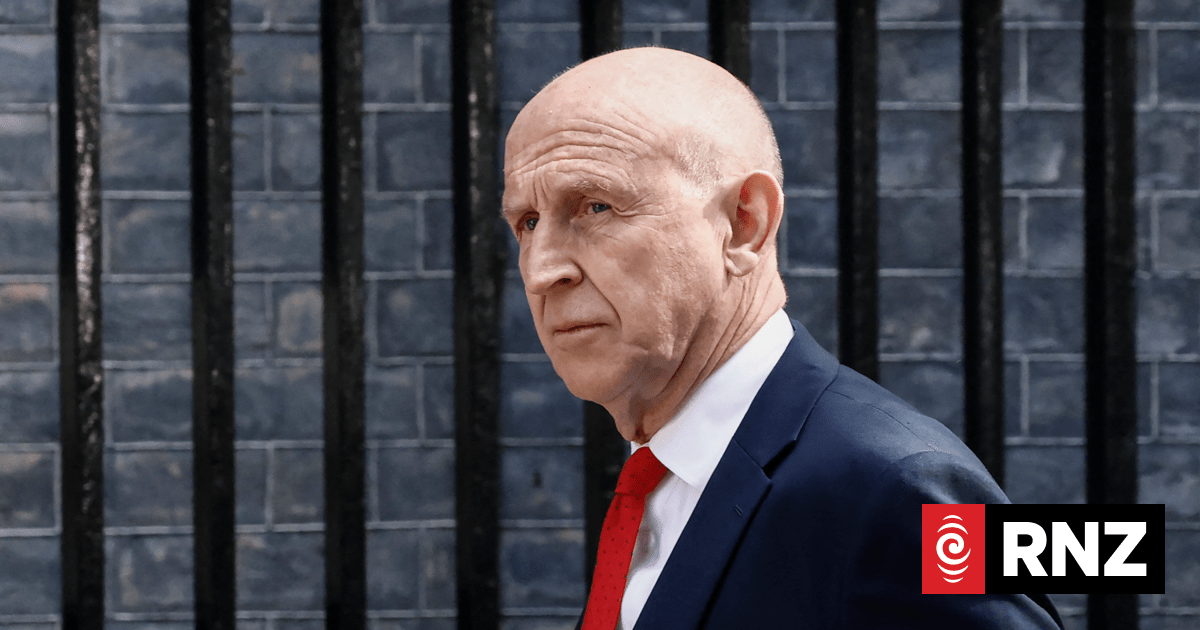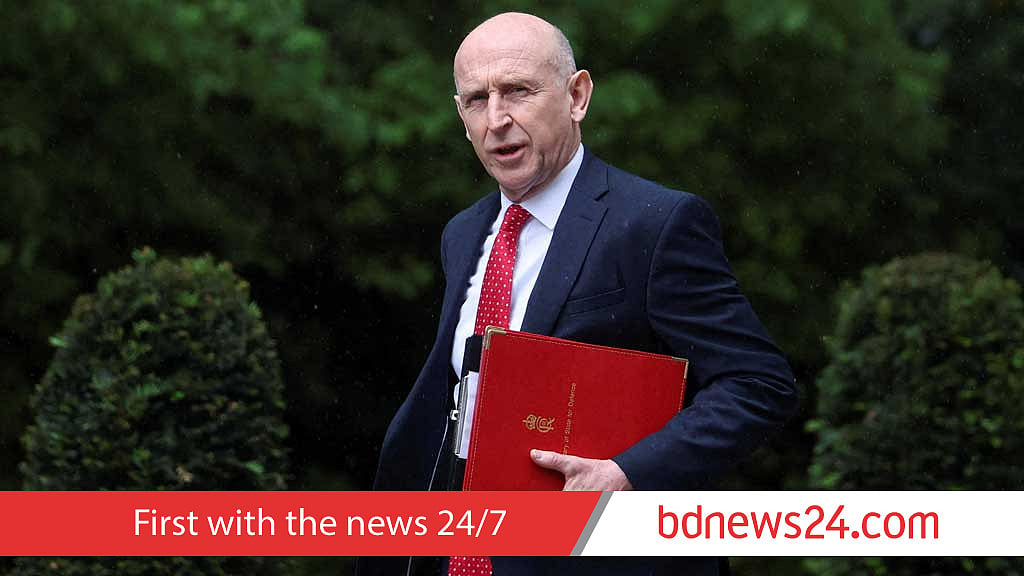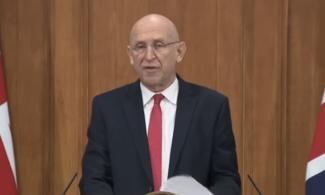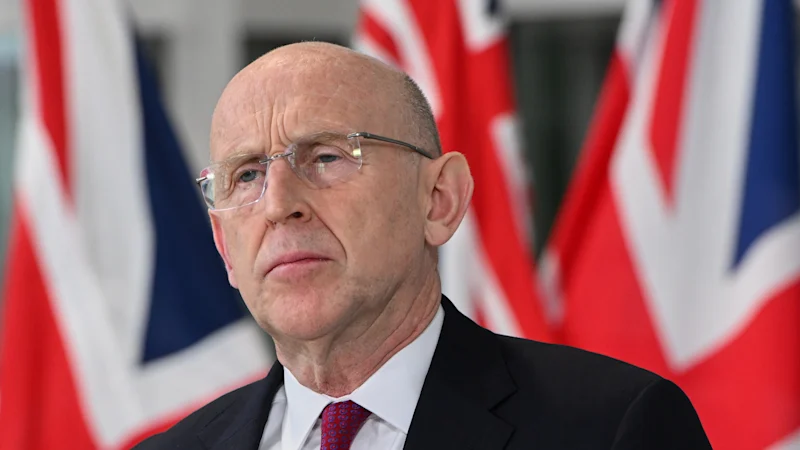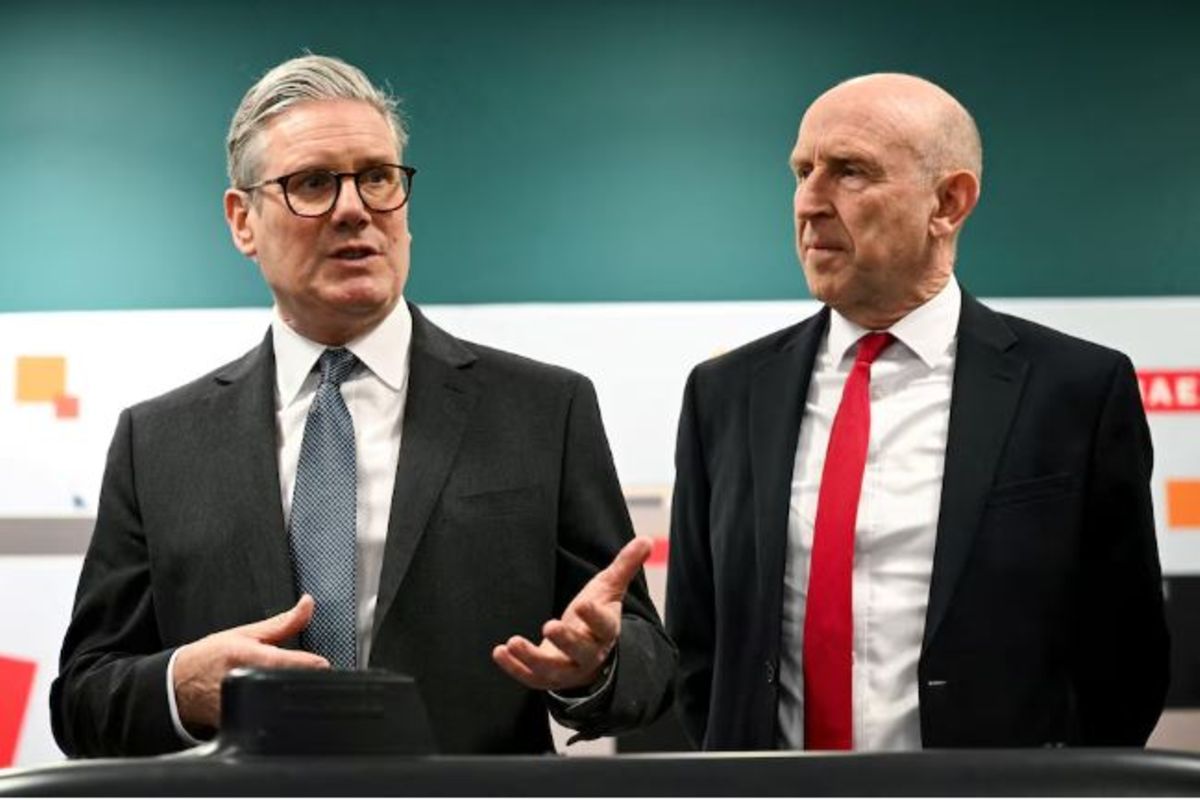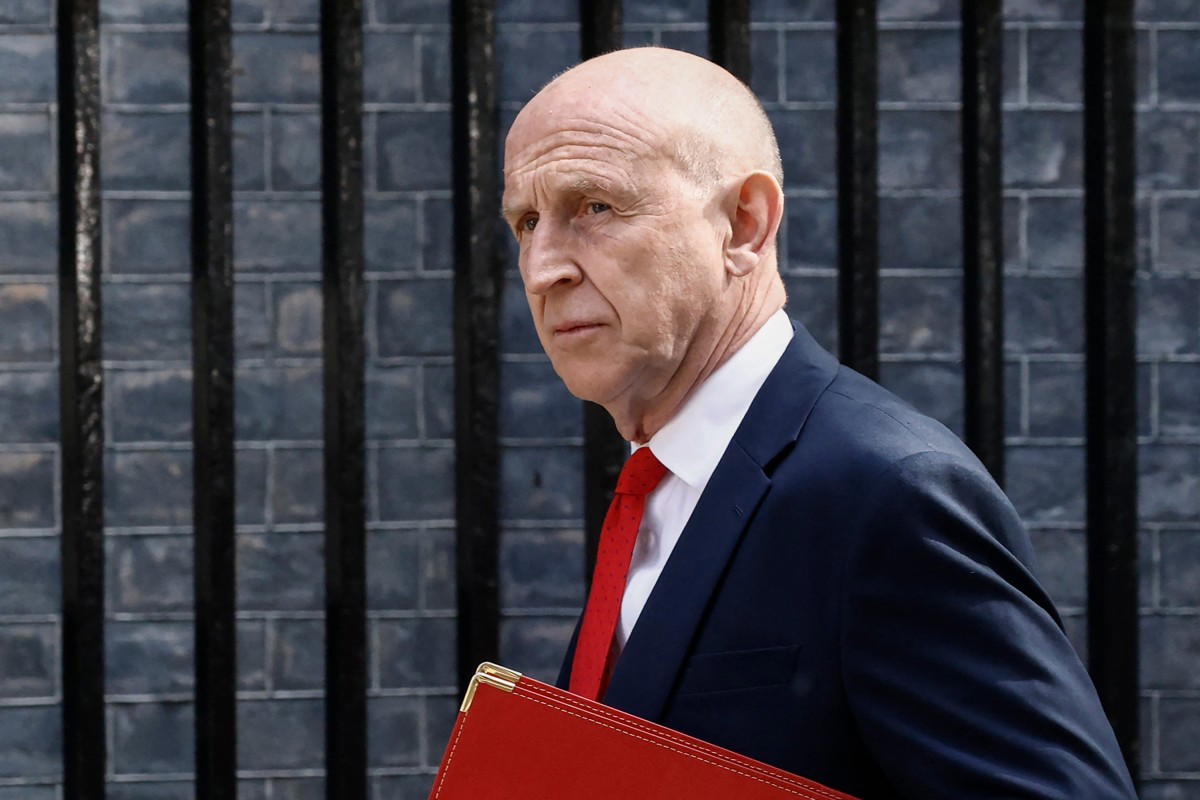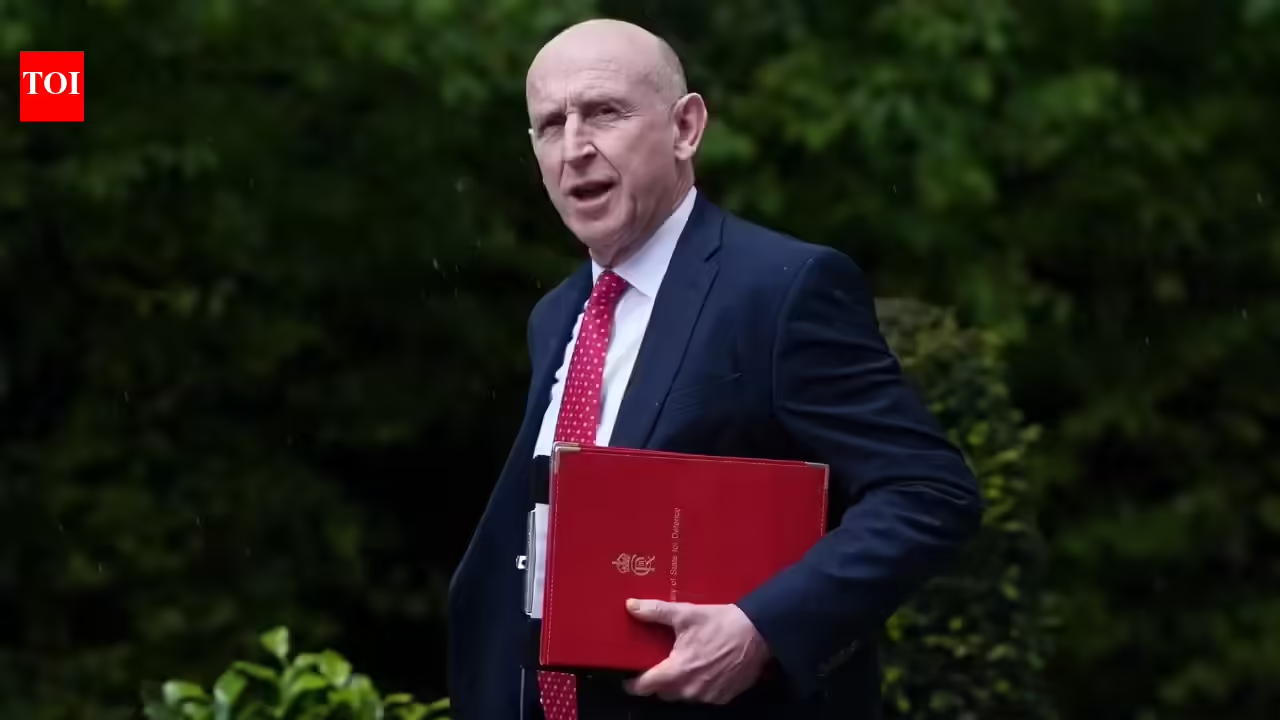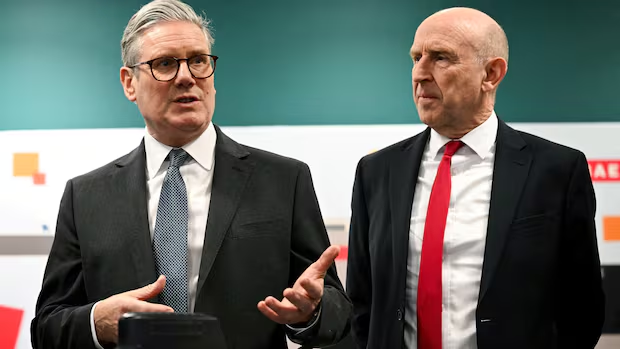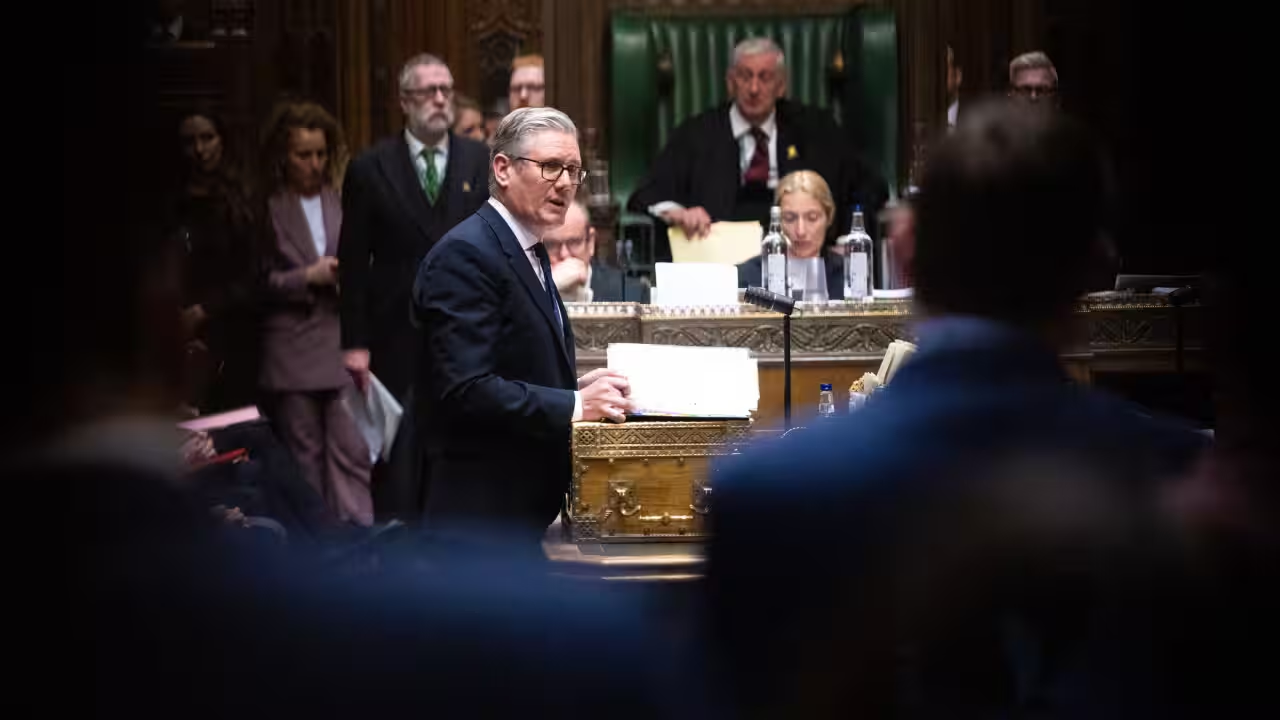
in briefHealy's resignation makes Starmer's position as UK leader increasingly precarious.The move appears to have blindsided Defence Minister Richard Marles who is in the UK to meet with Healy.UK defence minister John Healey has quit over a months-long dispute over military spending, accusing Prime Minister Keir Starmer of failing to commit the resources that are needed to keep the country safe from mounting threats.A press conference Healey was due to hold with Australian Defence Minister Richard Marles on a Portsmouth naval base on Thursday afternoon was cancelled at the last minute.The resignation, accompanied by a scathing public letter, is another indication that Starmer's authority is draining away and exposes the crisis at the heart of the United Kingdom's government - how it can ramp up defence spending when there is little money to spare and the welfare budget keeps rising.Healey had been locked in talks with Starmer and finance minister Rachel Reeves over how to meet the additional military spending needed, delaying the UK's Defence Investment Plan, which was due last year."You have been unable, and the Treasury has been unwilling, to commit the resources that the nation needs to defend the country," Healey said in his letter to Starmer.News that makes senseYour trusted source for staying up-to-date with the world around you. Get free daily news updates and analysis, straight to your inbox.Starmer responded with a letter expressing regret at Healey's resignation, but said the plan would deliver an unprecedented increase in defence spending."It will provide the resources our military needs to keep us safe and the clarity the British defence industry needs to plan," Starmer said, adding it would involve "significant reallocations" from other departments to protect the UK in a dangerous world.Following the letter, Al Carns, another MP sometimes mooted as a possible leadership candidate, resigned as armed forces minister, along with Healey aide Pamela Nash.New minister named, defence plan attackedFormer army officer Dan Jarvis was named as Healey's replacement, moving from a junior ministerial post at the Home Office.Healey's unexpected resignation is another blow to Starmer, who is likely to face a challenge to his leadership in the coming months.Starmer's health minister, Wes Streeting, resigned last month, accusing him of lacking a vision, and another challenger, Greater Manchester mayor Andy Burnham, is attempting to return to frontline politics to launch a leadership bid. Burnham will stand for MP in a by-election next week.A long-awaited defence spending plan has been the source of the rift between Healy and Starmer. Originally due in late 2025, it has been repeatedly delayed to the frustration of politicians and industry.A government source said Starmer had cut spending in other government departments and would deliver the spending plan in a way that would guarantee the capability the armed forces need.Britain's Defence Secretary John Healey (L) and Australian Defence Minister Richard Marles (R) reportedly went for a jog together on Friday morning before the announcement. Source: AFP / Kin CheungThe UK, historically a great military power, was left exposed in March when it was unable to immediately deploy an advanced warship to Cyprus after its air base there was hit by an Iranian-made drone.Already contending with the United States pivot away from protecting European countries, the UK is the third biggest spender in the NATO military alliance, having been overtaken by Germany in 2024, and the investment plan was aimed at bringing the armed forces to a state of "warfighting readiness".Starmer has pledged the largest sustained increase in military spending since the Cold War, aiming to lift it to three per cent of national output in the next parliament, meaning tens of billions of pounds of additional money for defence.But Healey said the plan he had seen would increase defence spending to only 2.68 per cent in 2030, when it will already reach 2.6 per cent next year.That compares to Germany's plans to spend 3.7 per cent of its GDP on defence by 2030.General Richard Barrons, formerly commander of the Joint Forces Command and an author of a defence review in 2025 which was supposed to inspire the spending plan, told Reuters he was angry to see the government fail to deliver."It's clear they understand the risk that the UK is facing. And they say the right things about defence, and then they are guilty of failing to match those words with money," he said.Healey said Starmer's proposed increase in funding for defence fell "well short" of what was needed to help the military meet increased threats from Russia as well as demands to increase its presence in the Arctic and the Middle East.The government has struggled to find the extra cash at a time when the economy is stagnating and both debt and the overall tax burden are at or close to their highest level in decades.Healey, who had previously served in the governments of former prime ministers Tony Blair and Gordon Brown, was widely liked by colleagues and the defence sector.Starmer has insisted he will publish the defence plan before a NATO summit in Turkey on July 7.Starmer's resignation 'inevitable'Labour MP Tan Dhesi, chair of parliament's defence committee, said the government must take Healey's warning "with the utmost seriousness", calling his resignation "a grave moment".It "underlines that Starmer has become a lame duck prime minister who cannot get decisions through his own government", Patrick Diamond, a politics professor at Queen Mary University of London, told AFP.One Labour MP said that the resignation was a "hammer blow" to Starmer while another said it was now inevitable he would be forced from his job within months.For the latest from SBS News, download our app and subscribe to our newsletter.
UK PM under serious pressure as defence ministers resign in anger
John Healy exited Keir Starmer's government hours before a press conference with Australian Defence Minister Richard Marles.
936 words~4 min read