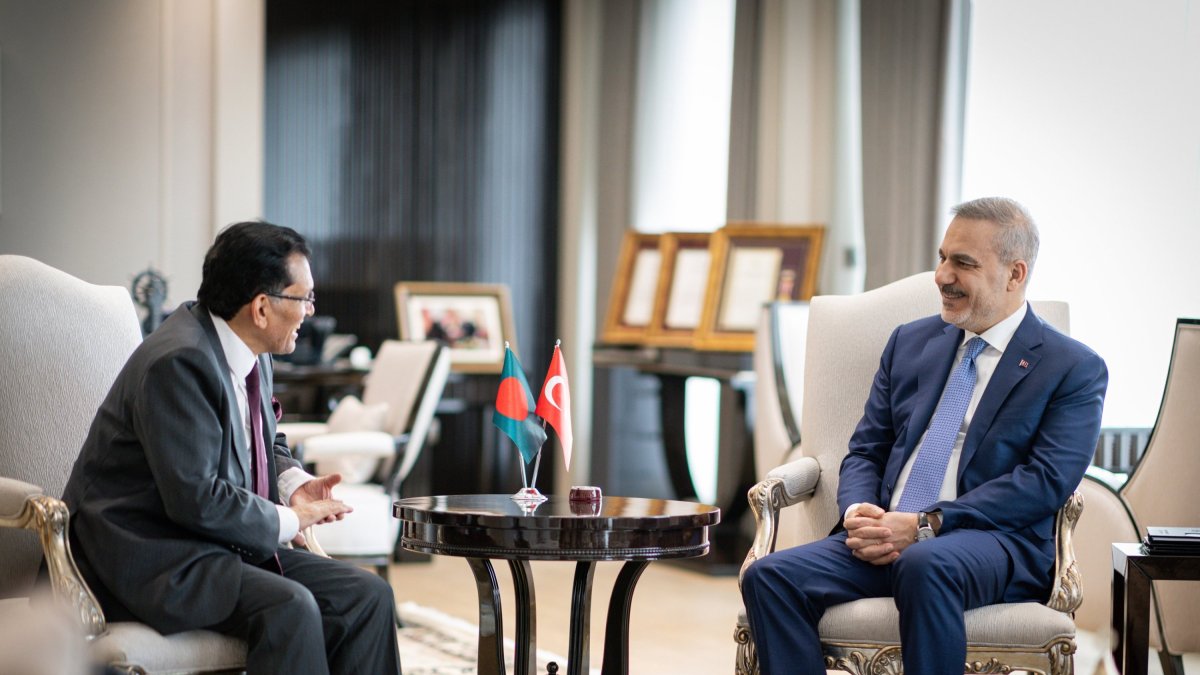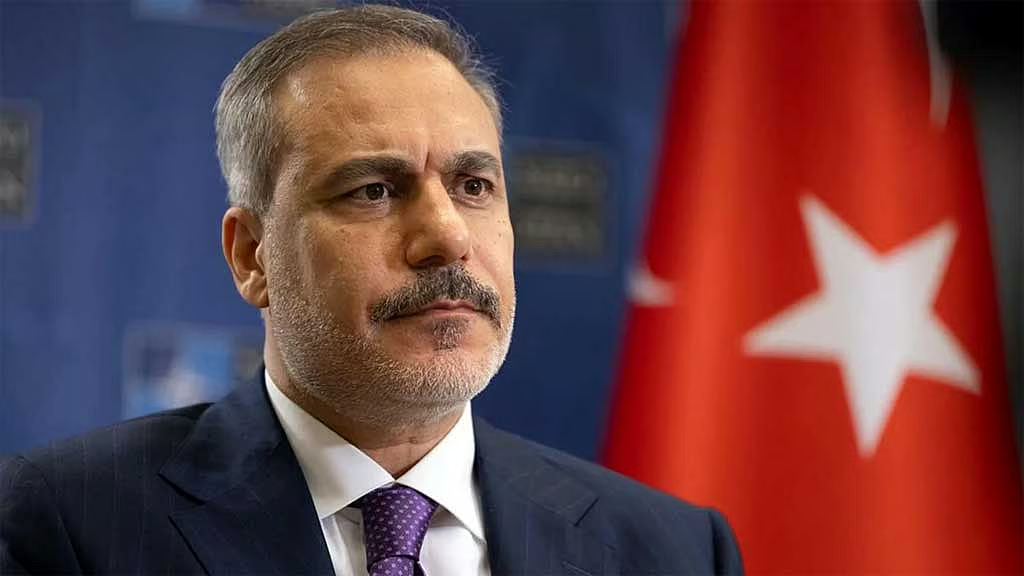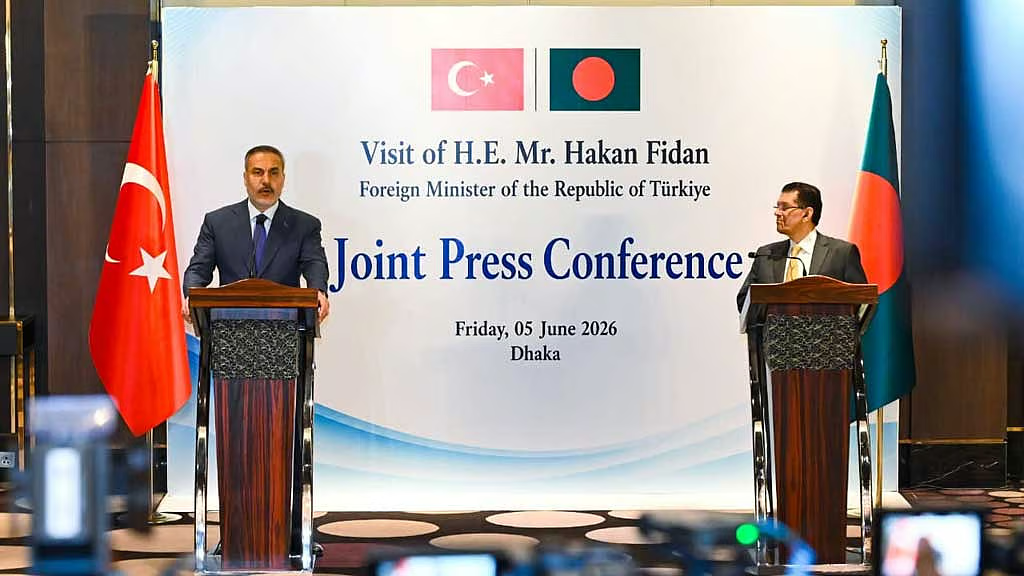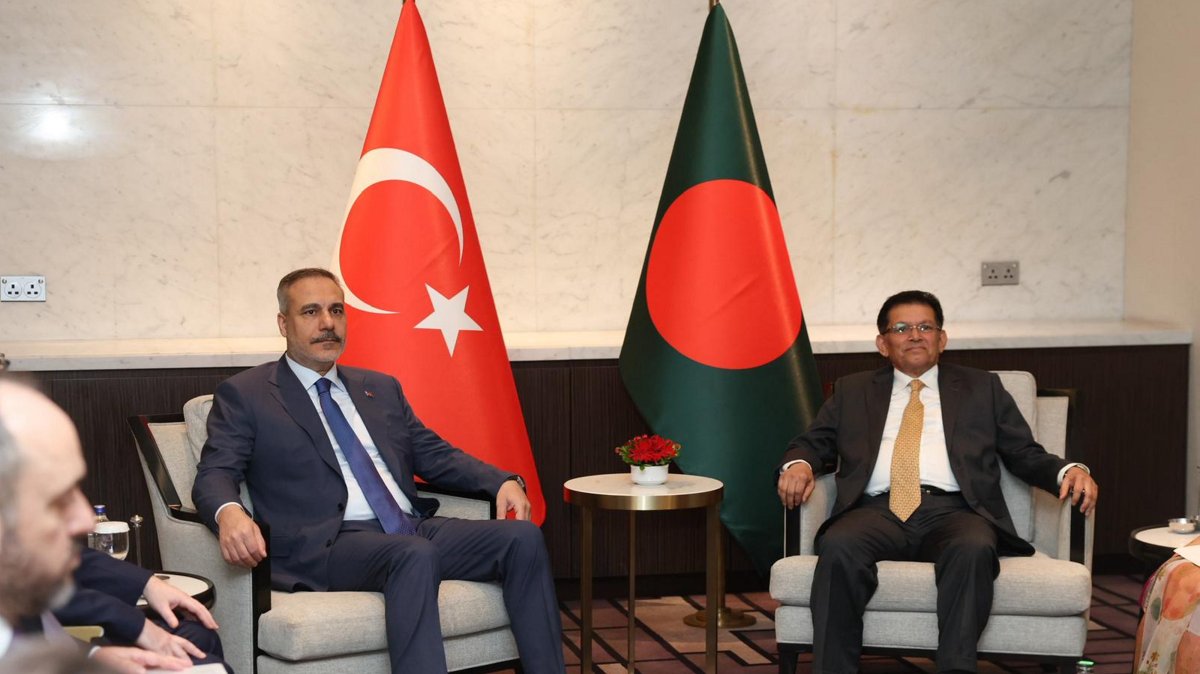
When Foreign Minister Hakan Fidan landed at Hazrat Shahjalal International Airport last week, he became the first Turkish foreign minister to visit Bangladesh in nearly six years. The symbolism was hard to miss, and so was the protocol. Fidan was received by Bangladeshi Foreign Minister Khalilur Rahman. Over the following days, he was scheduled to call on Bangladeshi Prime Minister Tarique Rahman and meet opposition leader Dr. Shafiqur Rahman as well. Capitals signal their priorities through the weight of a welcome, and Dhaka’s message was clear: This visit matters.
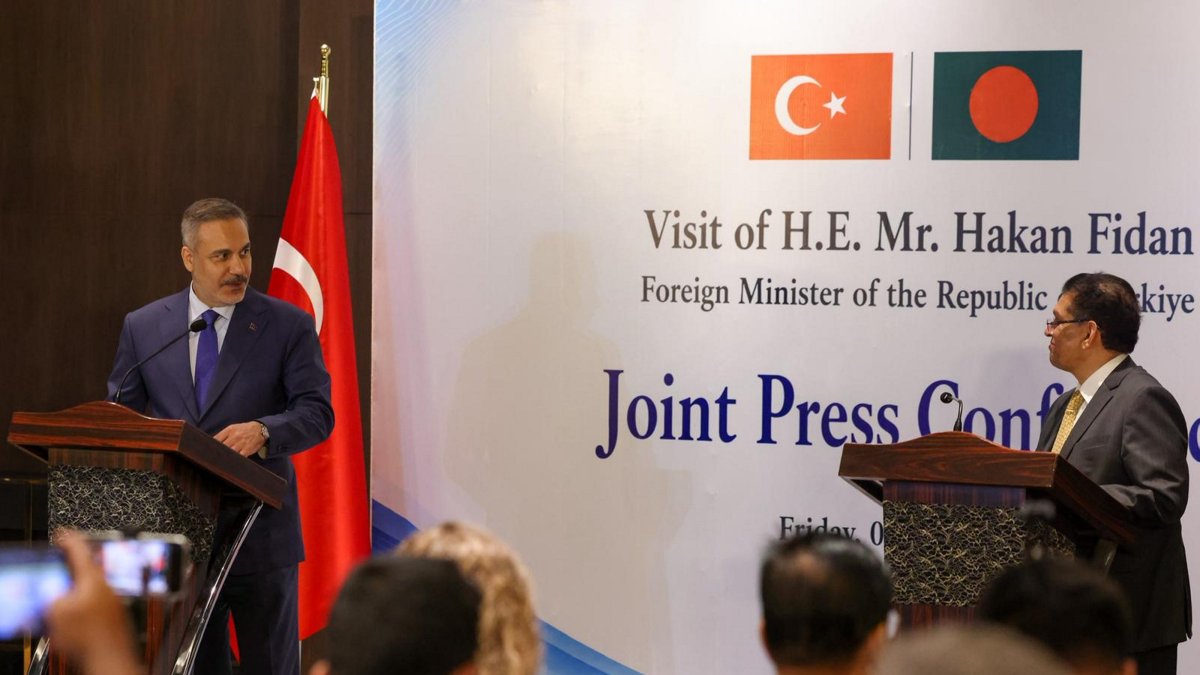
It should. For all the warmth in the joint press conference, the more important story is structural. Fidan’s trip is not a stand-alone gesture. It is the latest move in Türkiye’s broader “Asia Anew” strategy, the policy through which Ankara has spent recent years deepening its reach across Asia and the Indian Ocean. Seen that way, the question is not whether the two countries like each other. It is whether a long-term friendly relationship is finally acquiring a strategic shape, and whether that shape can last.
Türkiye-Bangladesh relations
The foundations are deeper than many assume. Türkiye was the first country to recognize Bangladesh as an independent state, at an Organisation of Islamic Cooperation (OIC) meeting in 1974. Both are populous Muslim-majority nations and members of the D-8 group of developing economies. That shared identity has given the relationship a steady undercurrent of goodwill even through difficult patches, including the strain during the previous government in Dhaka, when disagreements over the fate of Jamaat-e-Islami leaders cooled ties for a period. Those frictions have since faded, and the relationship has recovered its footing.