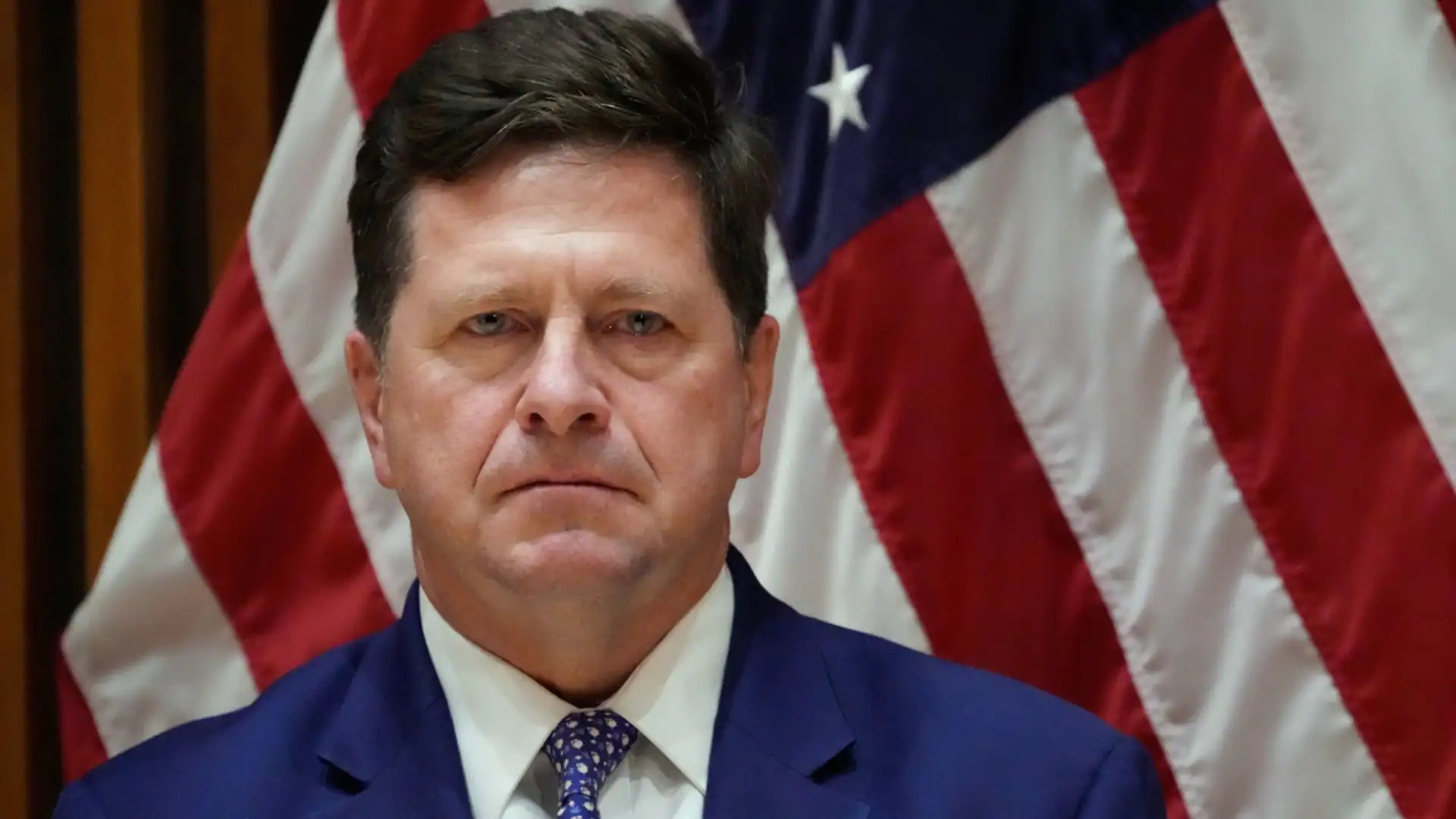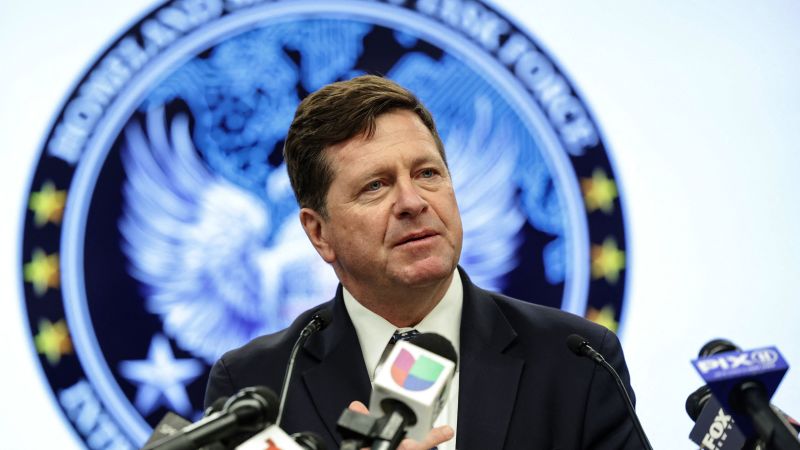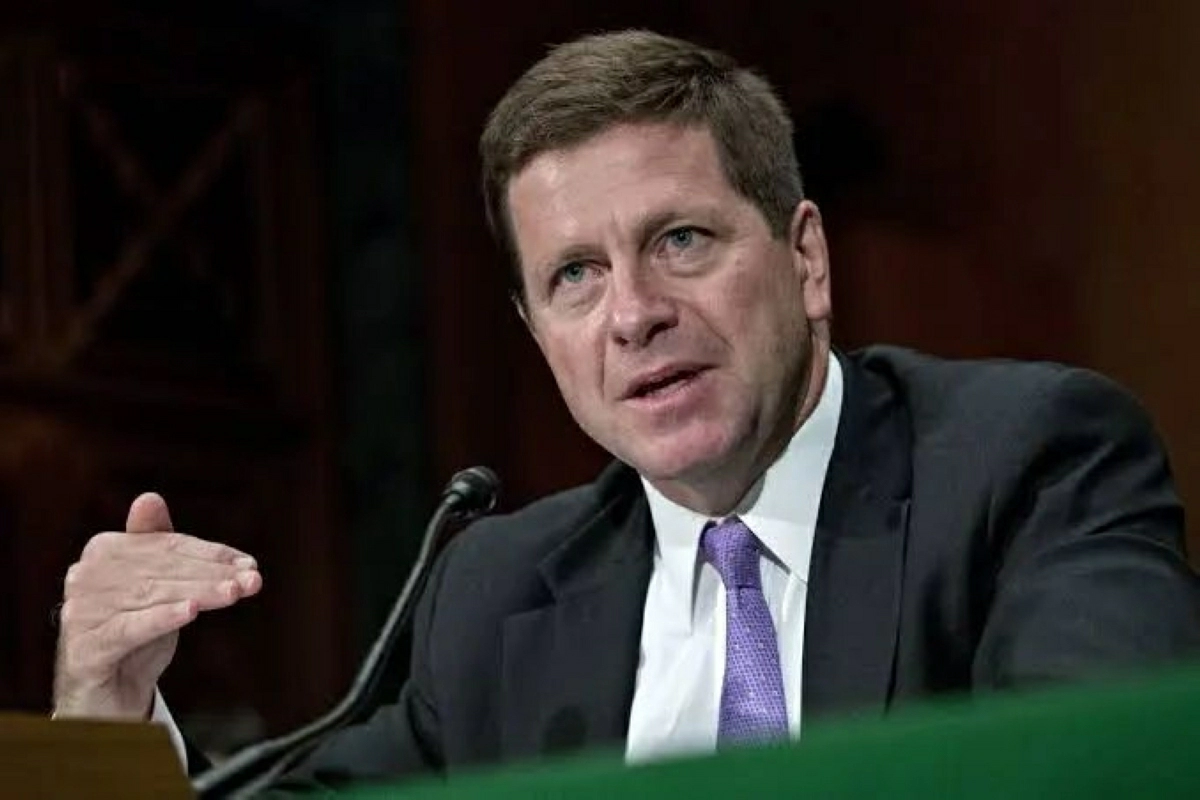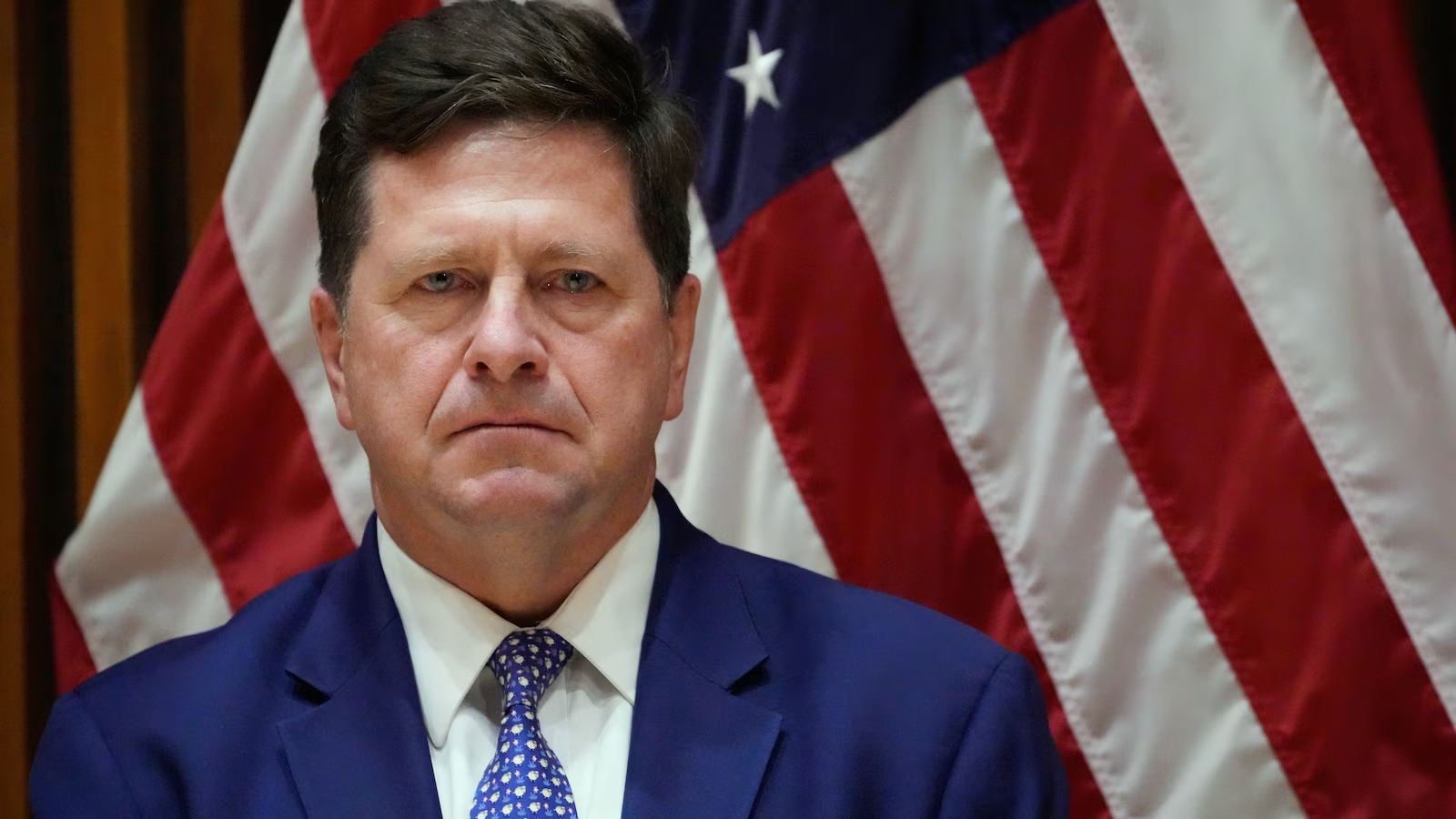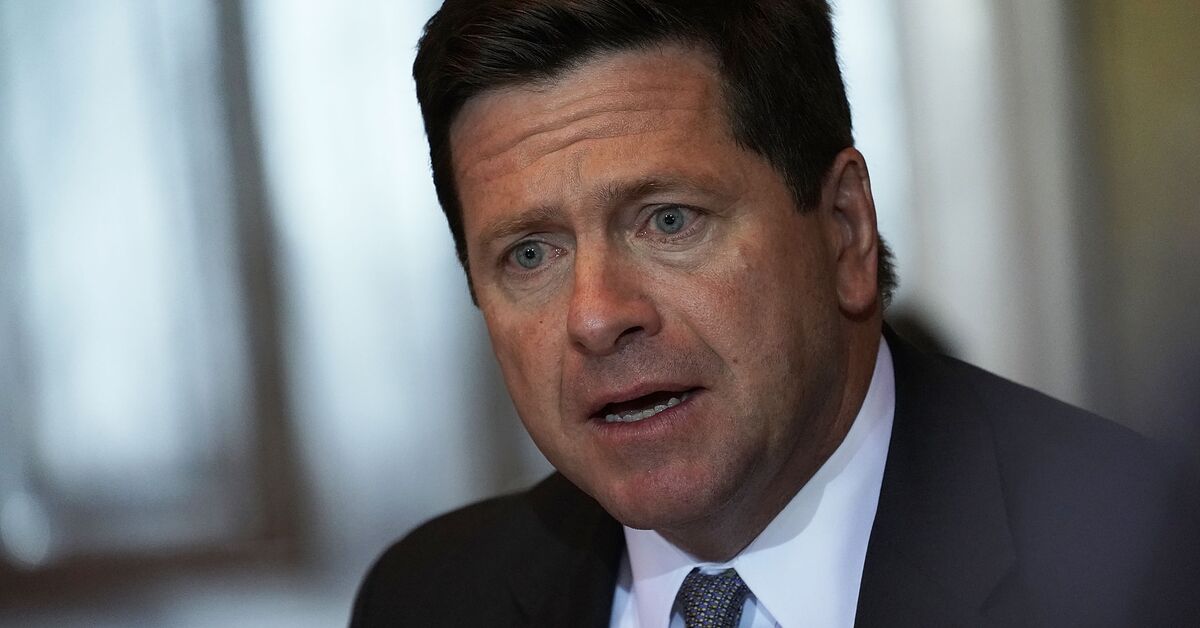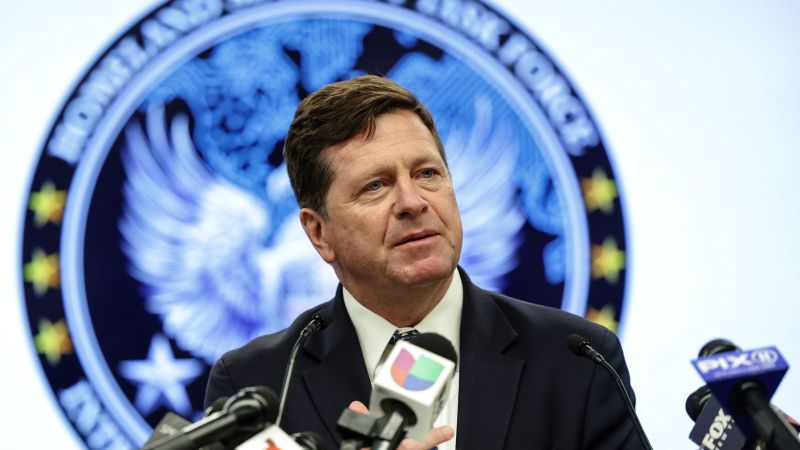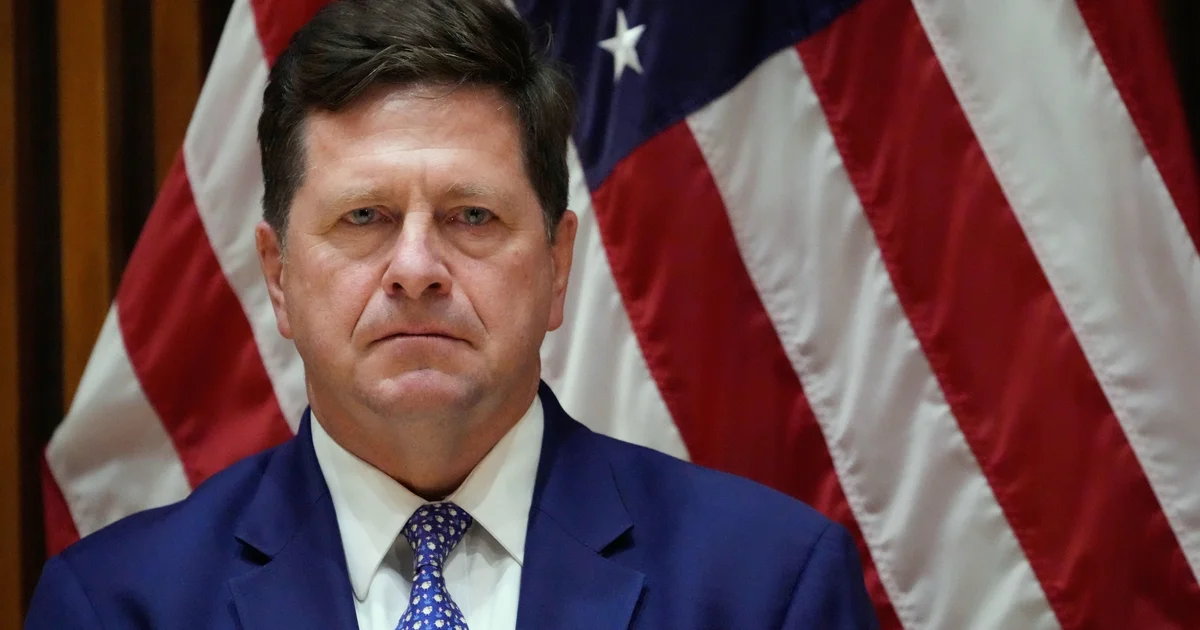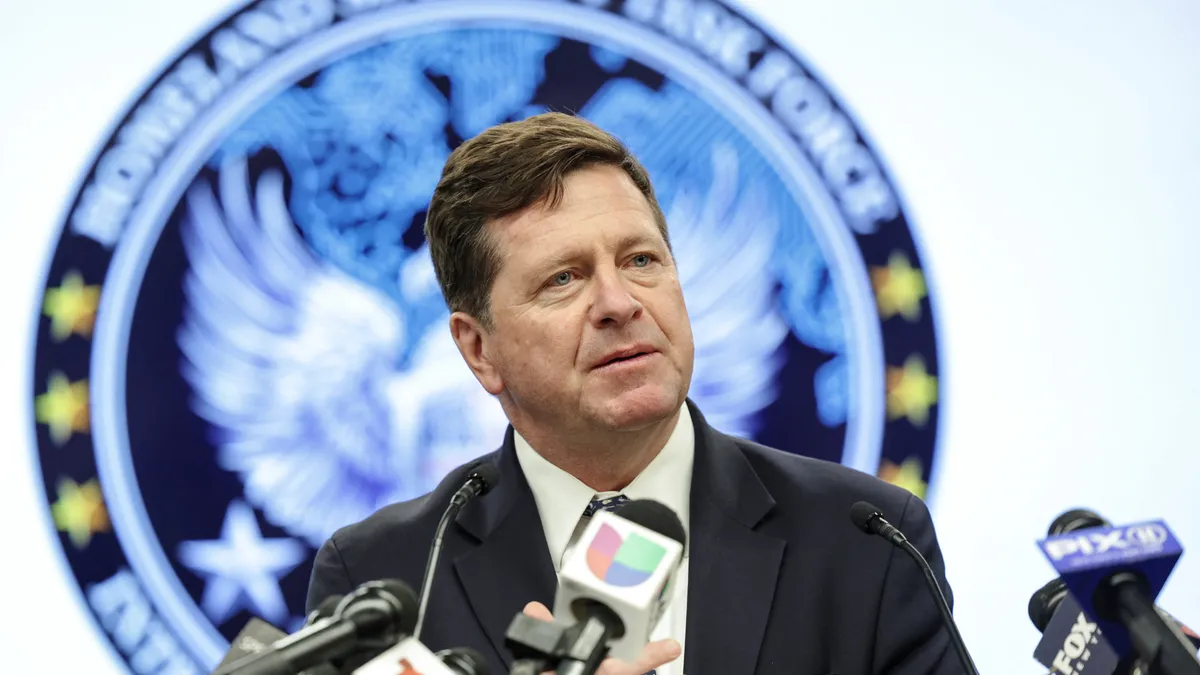
Clayton is a former chair of the Securities and Exchange Commission who oversees the Justice Department office in the Southern District of New York.Show Caption
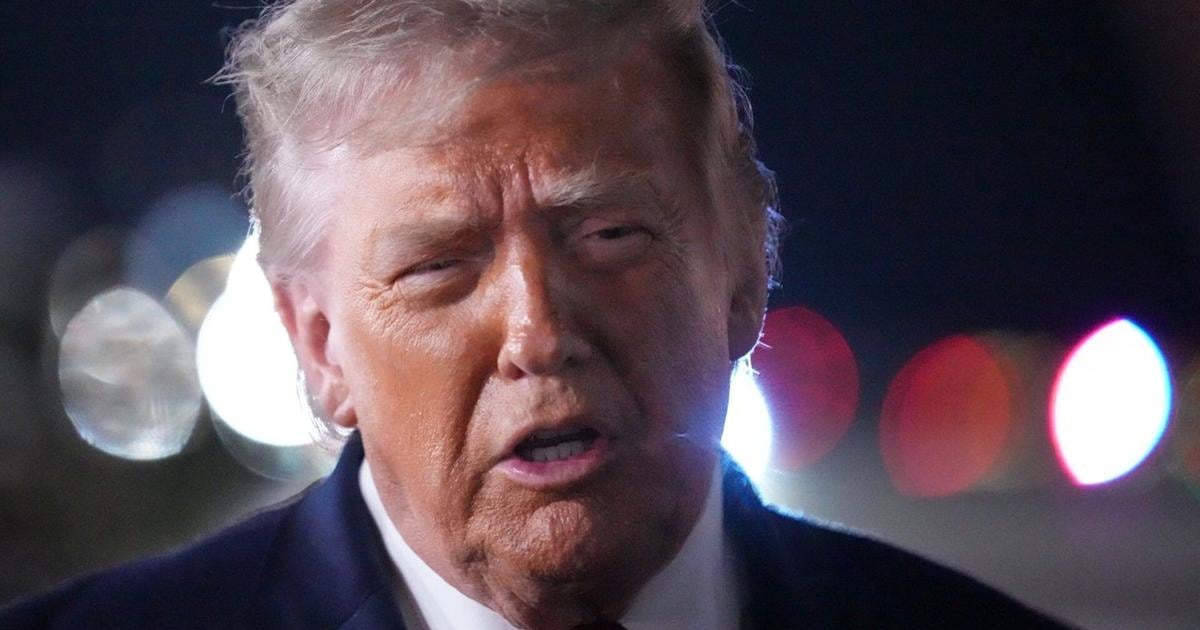
WASHINGTON — President Donald Trump announced U.S. Attorney Jay Clayton as his nominee to be the nation's next top spy chief, after congressional backlash to his inexperienced interim pick prompted a potential intelligence-gathering crisis.The abrupt decision seemed to be received relatively well by lawmakers in Congress, who've spent much of the past week criticizing Trump's previous choice, federal housing regulator and Trump loyalist Bill Pulte, to be interim director of national intelligence.While Clayton has few national security credentials compared to predecessors in the job, he oversees the Justice Department's office in the Southern District of New York, which handles cases related to national security threats. He is also a former chair of the Securities and Exchange Commission."Few people anywhere in the Legal Community are respected at the level of Jay," Trump wrote in a social media post. "I encourage the United States Senate to confirm Jay as soon as possible."Trump has been seeking a replacement for Tulsi Gabbard, who said in May that she was resigning her post. The president picked Bill Pulte, 38, as acting DNI, elevating a close ally with no experience in intelligence operations.Pulte runs the Federal Housing Finance Agency and has faced bipartisan criticism over his lack of qualifications for the intelligence job. Democrats have also raised broader concerns about how he has used his low-profile housing position, saying he has improperly gone after Trump's adversaries.Consternation over Pulte's appointment caused the House of Representatives on Thursday, June 11, to block the renewal of a key government surveillance law – Section 702 of the Foreign Intelligence Surveillance Act, or FISA. The statute is now set to expire, for the first time in two decades, after many lawmakers left town for the weekend without a deal.Congressional leaders have warned that the looming expiration of Section 702, which permits the U.S. government to collect the communications of foreigners, could have major national security implications. Intelligence gathered through Section 702 accounts for the majority of the president's daily security briefing. And officials say it has stopped numerous terrorist attacks, including on a Taylor Swift concert in Vienna in 2024.While Congress probably doesn't have time to avert a Section 702 lapse, lawmakers appeared relatively optimistic about the selection of Clayton. Virginia Sen. Mark Warner, the top Democrat on the Senate Intelligence Committee, said he had "great respect" for the Manhattan prosecutor.“Anything’s better than Pulte," Sen. Chris Van Hollen, D-Maryland, said in the halls of the Capitol.Asked repeatedly whether Democrats could line up behind Clayton's confirmation, which requires Senate approval, Minority Leader Chuck Schumer, D-New York, said: "Pulte has to go. He cannot be in the DNI role. Our national security is too important."Senate Majority Leader John Thune, R-South Dakota, told reporters he thought Clayton had a "great reputation as being an incredibly competent manager."Yet he sounded pessimistic about the prospect of the Senate moving quickly enough to confirm Clayton before June 19, when Pulte is scheduled to temporarily take the reins overseeing the country's 18 intelligence agencies."I don’t know what realistic is, but we’re going to probe the limits of it," Thune said outside his office.He said he did not have a personal heads-up from the White House ahead of the announcement.In a positive sign for the FISA Section 702 lapse not dragging on, Rep. Jim Himes, the ranking Democrat on the House Intelligence Committee, issued a full-throated endorsement of Clayton. In a social media post, Himes said he's known and respected the former SEC chair for decades."His intelligence, temperament and deep commitment to public service will make him a terrific DNI," Himes said. "Had this nomination been made a week ago, lots of pain might have been avoided."