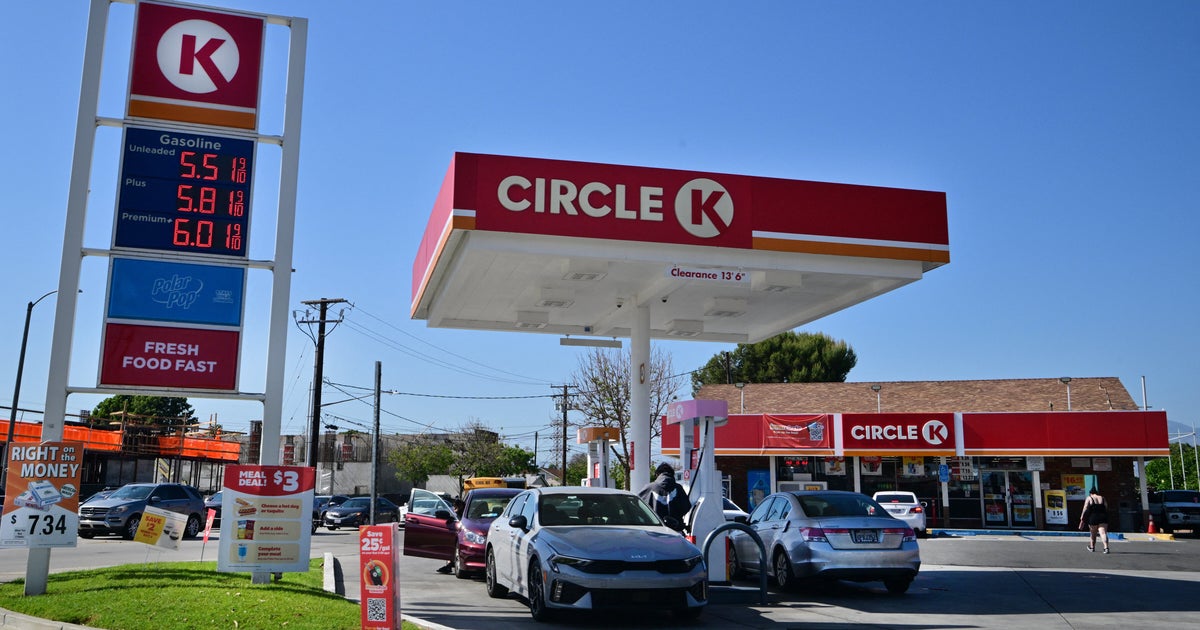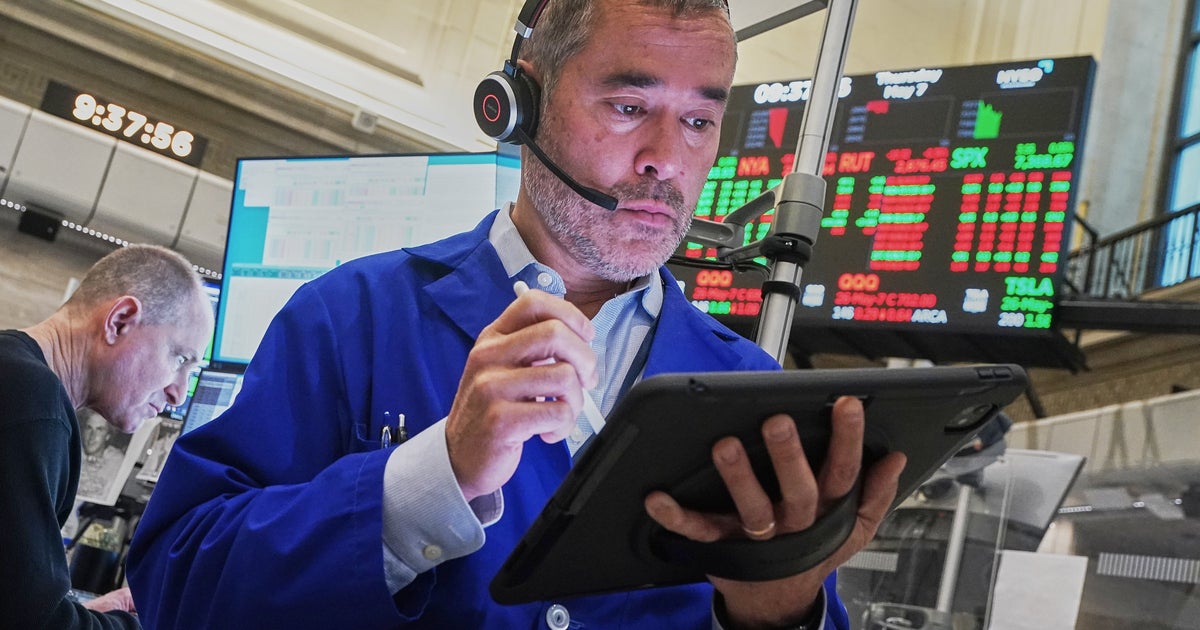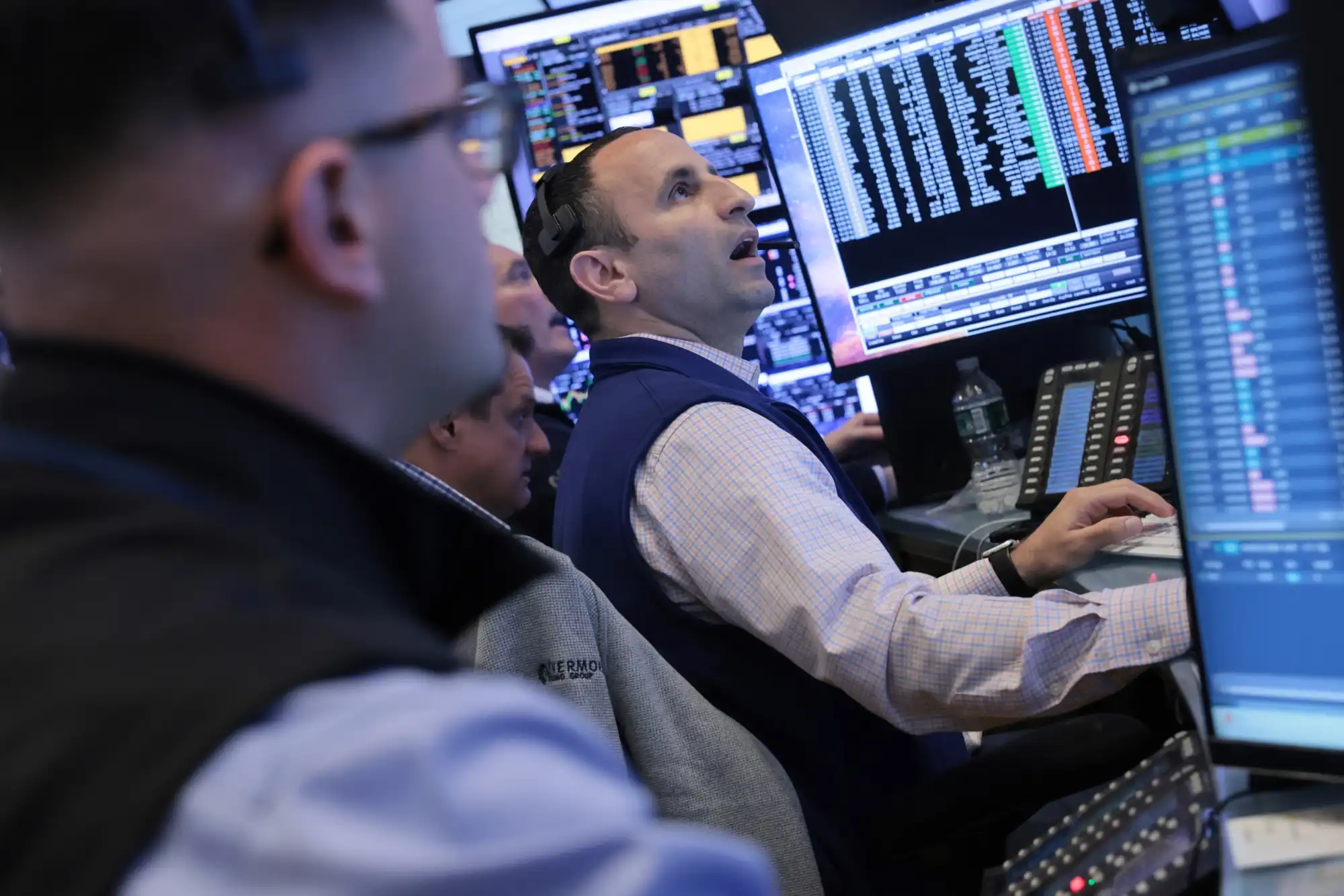
Many Americans are struggling to buy groceries, younger workers can’t find jobs and the U.S. is now over three months into a war that has sent oil prices soaring, yet the major stock market indexes are up since the beginning of the year, even if they have faced some setbacks. Over the past six months, the S&P 500 has grown more than 7%.There are several reasons experts point to — for example, even if the markets are overpriced, investors won’t want to go against that, according to Itay Goldstein, a finance professor at the University of Pennsylvania. “Let's say you know there is a bubble, And let's say that you now take a position against [the market], but let's say that the bubble persists for another year. During this year, you're going to make significant losses,” Goldstein said. Some experts are sounding alarm bells, like Bank of America, which says we may have hit a market peak and has advised investors to “take profits” (or sell, in layman’s terms). But there has been some positive news. Earnings reports in the U.S. have been very strong, said Allan Timmermann, a finance professor at the University of California, San Diego.Markets are also forward looking, so even if there’s a crisis happening, like the Iran War, the markets won’t suffer if they expect that the war will be resolved soon, experts told us. But why do markets have such an optimistic outlook? Timmermann points to a phrase coined by a Financial Times columnist: Trump Always Chickens Out. According to the TACO theory, President Donald Trump has a tendency to announce tariffs and later renege on them if the markets decline. “The expectation is that Trump, when he sees stock prices start tanking and interest rates going up because of high inflation expectations, then he will be willing to agree to some settlement with Iran, which will then open up the Strait of Hormuz,” Timmermann said. Just this week, we saw stocks fall, only to rebound on Thursday after Trump called off scheduled strikes on Iran. And even though crude oil prices have reached over $100 a barrel in recent months, Timmermann said “the U.S. is not nearly as exposed to high oil prices” as it used to be compared to the 1970s. In the ‘70s, countries in the Middle East imposed an oil embargo on the U.S., leading to an oil crisis that contributed to stock market declines. “The U.S. is now a very large oil producer, and we have plenty of refining capacity,” Timmermann said. “The adverse impact on our economy is much smaller.”There’s also another cause for optimism, in the eyes of the markets: Artificial intelligence. The Magnificent 7 — top tech companies that include Alphabet, Amazon, Apple, Meta, Microsoft, Nvidia and Tesla —have heavily invested in AI, helping to boost financial markets. In 2025, the Magnificent 7 grew about 23%, while the rest of the S&P 500 grew about 11%. “Will they be able to turn those gigantic data centers and AI investments into profitable revenue streams? The market as a whole is convinced about that, but it is a new technology. We don't know where it will lead,” Timmermann said. Even without accounting for recent events, the market has been decoupling from the economy for a while now. “There have been a couple of changes in the U.S. stock markets in the last few decades that have made the connection between Wall Street and Main Street very feeble,” said Paolo Pasquariello, a finance professor at the University of Michigan. One major change is that the stock market has become increasingly dependent on tech companies. In 1990, the top 10 companies by market cap accounted for 19% of the S&P 500. Now, the top 10 companies — which include the Magnificent 7 — account for about 40% of the index’s value, Pasquariello said.“They are important components of the U.S. economy. But if you ask anyone, ‘What are the main sectors of the U.S economy?’ They will not say AI, they will not say social media, they will not say electric cars,” Pasquariello said. “The U.S. economy is much bigger than that.” Walmart isn’t in the top 10, but employs more people than these companies, he said. At the end of the 2024 fiscal year, the retail giant had about 1.6 million associates in the U.S. Another major change has been the decline in the number of companies that are listed on U.S. stock exchanges. About 25 to 30 years ago, there were maybe about 7,000 to 8,000 companies publicly listed, and now there are only about 4,000 to 4,500, Pasquariello said. Fewer companies are going public now because they can secure capital through private equity, he said. “Now companies go on the market only when they're big. In the past, they would try to go on the market right away, because that's how they got the capital to grow,” Pasquariello said. More companies are also reluctant to go public because then they’ll be subject to greater scrutiny, he said. “You have to report your earnings on a quarterly basis. You have to disclose everything. There are transparency considerations. There are regulatory requirements,” Pasquariello said. “Companies don’t want to deal with that.” Like we say here at Marketplace, the stock market is not the economy. It’s a sentiment that has gotten truer over time.
Why does the stock market continue to perform well?
Even as Americans grapple with the high cost of living, the major stock indexes have risen this past year.
TL;DRAI
S&P 500 +7% in 6 months; Magnificent 7 tech stocks +23% driven by AI investment while rest of market grows 11%. Top 10 companies = 40% of S&P 500 (vs 19% in 1990)—market concentration risk: your AI infrastructure bets now fully exposed to tech-sector sentiment.
893 words~4 min read