TL;DR -
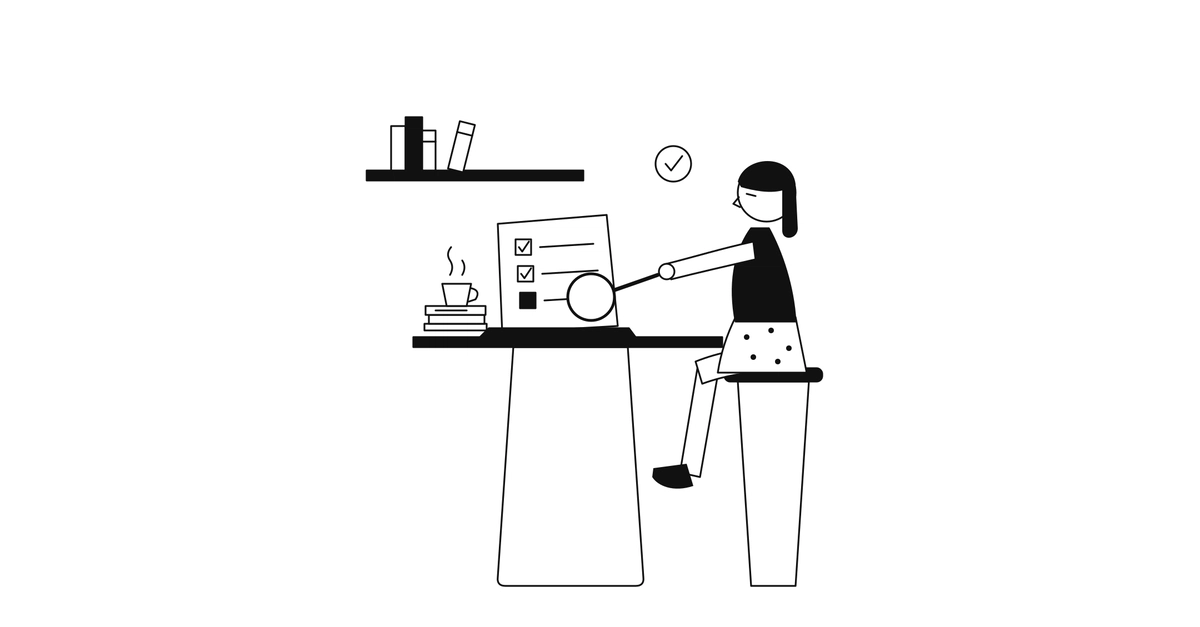
Getting an app to run is now the easy part. AI is very good at producing something that works on the first try and is indifferent to whether it should ship. The skill that separates a software experimenter from shipping and sharing their creation with the public is the work that starts after the demo: checking whether the thing does what it was meant to, whether anyone’s data is exposed, and whether the person who built it can explain how it works. The move is build first, then audit. The fastest way to learn how and what to audit is to turn the same AI that built the app into the thing that interrogates it, and to start keeping a running list of everything that has ever broken.
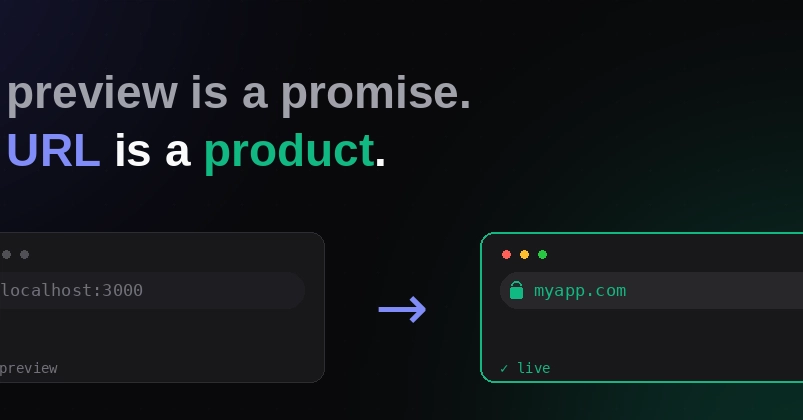
The app runs. The demo works. It’s deployed to a real URL that a person can send to a friend. For most people building with AI for the first time, that is the finish line. In reality it is closer to the halfway point.
“Works” and “good” are two different questions, and they tend to get answered by two different things. A modern AI agent is remarkably good at the first one. Describe what is wanted, and it will produce something that runs, often on the first try. Whether that something is any good – whether it is secure, whether it does what was actually intended rather than what was demonstrated, whether it will hold up when someone other than its creator uses it – is a separate question that AI agents are much less reliable about. That question is where the real work, and the real learning, lives.