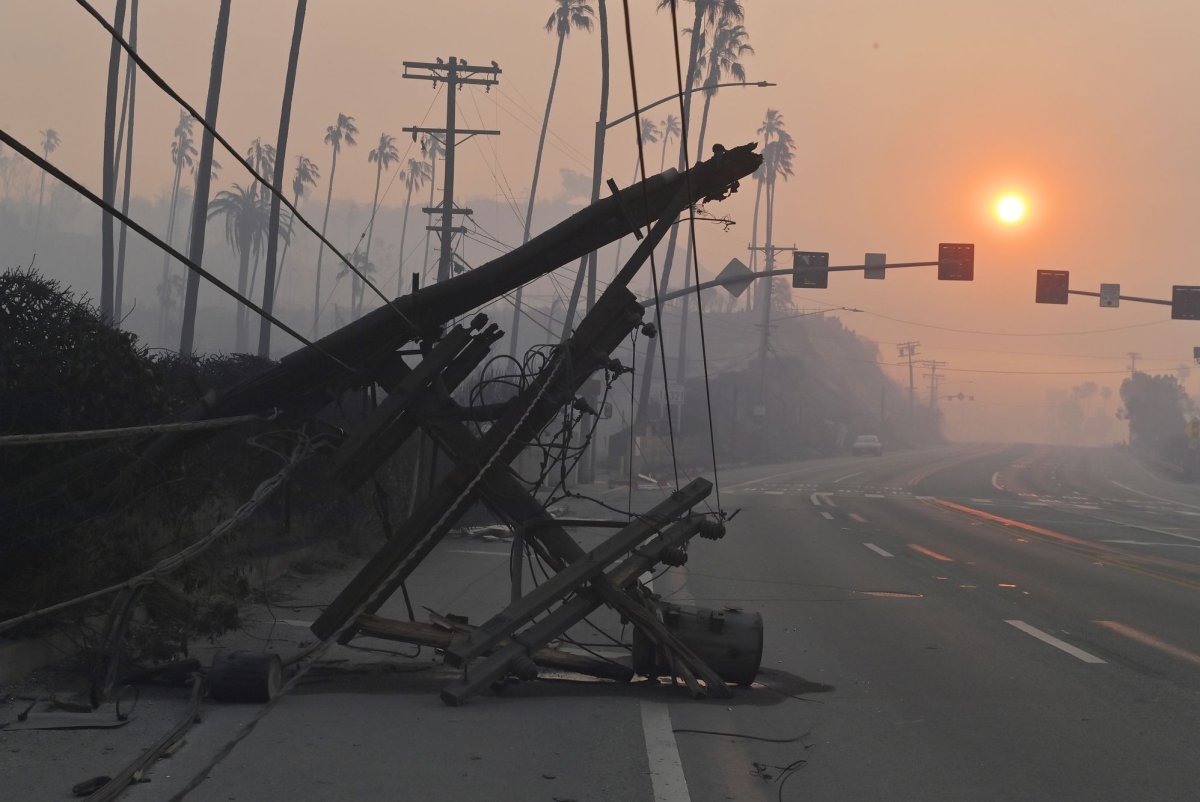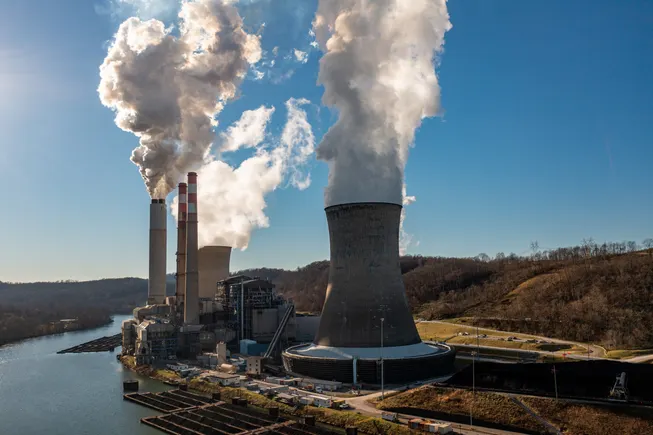
What are the optics? AI centers are gobbling up power production, transmission space, and water. Transmission line expansion at a pitiable pace. A rush to build enough power plants. Forest fires burn lines and vice versa. The Trump administration plans to solve power shortages by cancelling windmill projects and subsidizing coal-fired power plants. (Why not quash the sales of electric vehicles by subsidizing horses? Just a question.) And, of course, in the meantime, pictures of utility executives at the EEI convention congratulating themselves on all the good work they do. Does this look like an impending train crash? Or, more likely, a decline in system reliability as the grid struggles to meet all these challenges. If we read the numbers correctly, the industry gets closer to running off the rails each year.That’s where SAIDI, SAIFI, and CAIDI tell the story. But, for background, the federal government used to collect and release information about “events” or “disturbances”, as they were called, that interrupted electricity service, detailed stuff, where, how many customers affected, size of load cut off, really embarrassing stuff, although not compiled in a user-friendly fashion. That stopped. We don’t know why. Now the government issues SAIDI (system average interruption duration index), SAIFI (system average interruption frequency index), and CAIDI (customer average interruption duration index). Now, get this. You can choose between indices calculated with and without the MED (major event day). In other words, you can get reliability numbers that exclude the big events that really affect reliability. It’s like a weather analysis of the Caribbean that excludes hurricanes. But it does produce smoother, less disturbing lines.Figure 1 below shows the annual readings for all the available years for the three indices. We include MEDs in the calculations because all indications are that major events will become more frequent, maybe routine, as the climate changes. Numbers for 2025 are not yet in, but we don’t expect them to be encouraging. Each index has a different scale.Related: UK Clean Tech Firms Plan Europe's Biggest Direct Air Capture ProjectNOTE THAT A RISING LINE MEANS A DECLINE IN RELIABILITY IN THE SENSE THAT THERE ARE MORE INTERRUPTIONS TO SERVICE.Now for a bit of analysis. Based on previously released EIA data, from 2000 to 2013-2014, all of the indices would have shown substantial deterioration of reliability, close to a tripling of disturbances. So this is not a new trend. Also, based on relationships between indices as well as previously released EIA data, it is highly likely that SAIFI and CAIDI would have shown a decline in reliability similar to that of SAIDI for the period beginning 2013 to the beginning of their appearances on the chart.Looking at the numbers, the number of events per utility (the green line) remained relatively stable (1.6-2.0 events per year), while the duration of events per utility (green line) and per customer (grey line) increased substantially. Most of the deterioration took place during a period of slow growth in demand. What will happen if demand picks up, the system becomes more congested and weather conditions more dangerous for grid operators?We do not know if (although we suspect that) restructuring of the industry, which took place over a quarter of a century ago contributed to the trends shown above. But we have to conclude, on the basis of the steadiness of the trends, that the restructured industry can’t, won’t or hasn’t the incentive to fix them, and government policy is in la-la-land, so don’t expect help from that direction. After all, they have had 25 years to do something. Customers who need more reliable service will have to do it themselves and the grid will provide less reliable service to the rest.Are we, then, seeing a reversal of the “Insull deal”, the combination of an economic utility monopoly plus a government-approved franchise? If the customers start to leave or otherwise abandon the grid, the utility still owns an exclusive legal franchise to serve but it will lose the monopoly, which could lead to serious questions about energy equity, if not addressed ahead of time.Don’t read this as a political or social statement, but rather as an examination of trends, which, if they continue, will have consequences. As investors, we work on the basis that somebody will make money no matter what.By Leonard Hyman and Bill Tilles for Oilprice.comMore Top Reads From Oilprice.comIndia Secures Crude Supply Through August with Higher UAE ImportsAnother Gulf Producer Joins Dark-Mode Tanker Traffic Through HormuzSanctioned Private Chinese Refiner Seeks Non-Iranian Crude
The Reliability Crisis Utilities Don't Want to Talk About | OilPrice.com
U.S. grid reliability appears to be deteriorating, with key metrics (SAIDI, SAIFI, and CAIDI) showing that power outages are lasting longer and becoming more disruptive.
746 words~3 min read