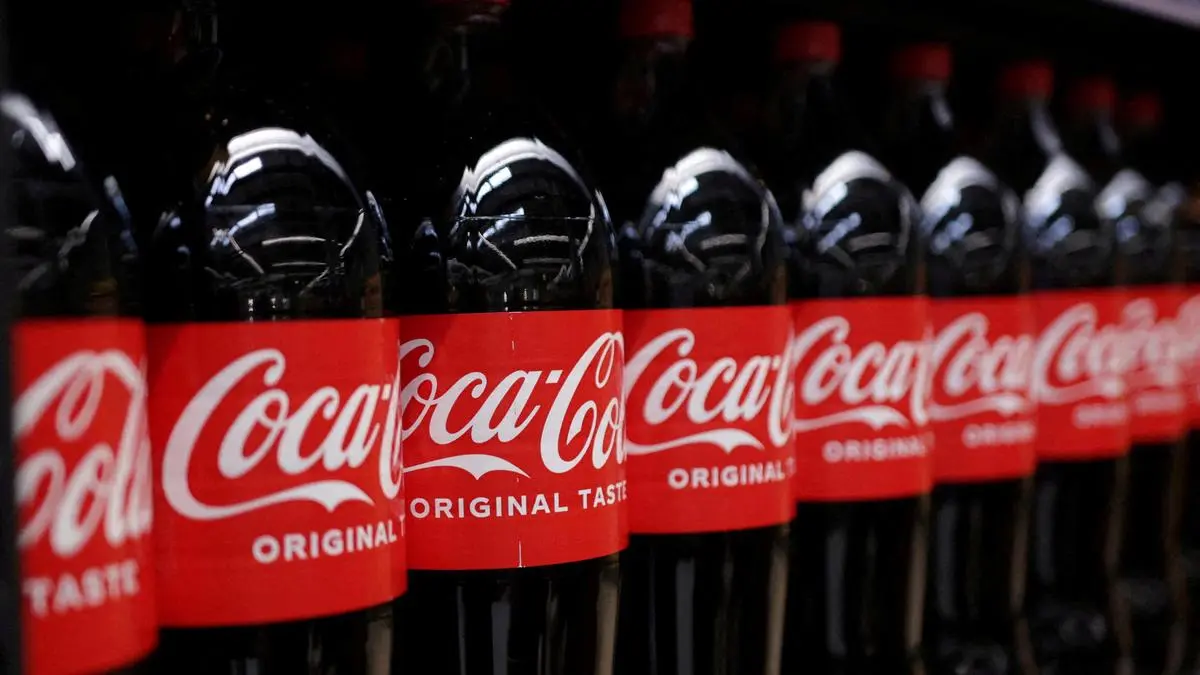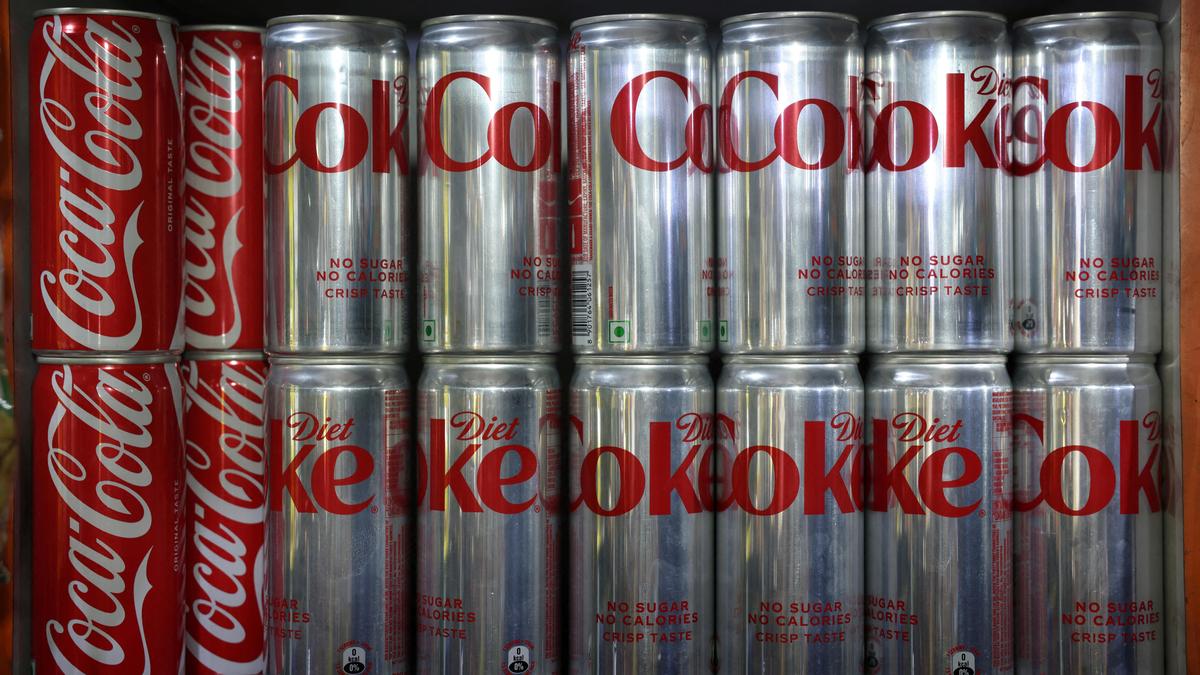
Next year marks 50 yrs of Coca-Cola's exit from India in protest against the Janata Party government's 1977 order to list on domestic stock exchanges and keep its recipe with locals. 2027 may also be the year of a stunning reversal when Coca-Cola lists on Indian stock exchanges - voluntarily.A lot has happened over the last 50 yrs as to how India manages the economy. The state has slid from commanding heights of the economy to fringes. Animal spirits of private entrepreneurs have been unshackled, leading to the birth of thousands of enterprises.Even after liberalisation began in 1991, and until recently, while local businesses raised capital from investors to expand, MNCs such as Caterpillar, United Technologies and Atlas Copco bought out minority shareholders to enjoy 100% of the profits their local units generated instead of listing here. The Atlanta-headquartered aerated drinks company isn't suddenly turning generous. But it's joining the likes of Hyundai, Tenneco and LG that have minted fortunes by listing in Mumbai, money they probably would have taken scores of years to generate selling cars or TV sets.Indian market dynamics have changed. Valuations, though unjustifiably forced by the regulator, at which the likes of Hindustan Lever and Nestle were listed, complying with the government order in 1977, created millionaires out of the common man.But when Coke probably lists next year, it will be the other way round. Some may celebrate this as the arrival of India on the global stage, with savers choosing equity over bland FDs. But it would be showcasing how absurd local valuations are, especially for new listings.The carrot is that local businesses often get disproportionately valued. When Hyundai was listed in India, its P/E multiple was several times that of its parent company. Companies like BAT and Whirlpool sold down their stakes to repay debt at home. While the sales pitch is that Indian units are growing faster than their parents, reality is that Sebi's flawed IPO rules are puffing up valuations.Primary law of the market is that demand and supply determine price. When supply is constrained, prices soar, and vice versa. But Sebi seems to be blind to it. Most companies were permitted to list with just about 5% public float. Recently, it was further loosened to permit listing with just 1%, in what could be regulatory licence to rig valuations.Won't valuations dramatically fall if a company is to sell more to public? Isn't the low-float artificially inflating valuations?This fallacious provision not only leads to transfer of the common man's savings to wealth of the affluent who are primary investors in PE and VC funds, but it has also been one of the causes of weakening the Indian macro picture as it depreciated the rupee when PEs and VCs were the primary sellers in IPOs repatriating funds.It's not that India is not receiving FDI. But it's the outflow of FDI that's squeezing the currency. Gross FDI outflows of foreigners rose to $45 bn in 9 mths of FY26, from $27 bn in FY21. In the next few months, continued high valuations and faulty IPO rules could not only accelerate the offer for sale by existing shareholders, but can also pummel the already embattled rupee. PE and VC funds are estimated to own as much as $32 bn in listed entities alone, which could be sold. Furthermore, two behemoth listings by NSE and Reliance Jio with valuations of more than $200 bn could see billions flow out.Few can argue for any controls in an economy that has embraced the capitalist free-market model, where funds flow in and out freely. But a regulatory flaw should not tilt the scale in favour of the privileged at the expense of macro fundamentals and common investors. Ensuring the rupee doesn't slide is not just RBI's headache. Sebi needs to realise that a flaw in its framework is partly responsible for the currency's weakness.Over the years, when MNCs sought to delist and own 100% of their units, Sebi diluted the reverse book-building norms even if it meant shrinking of investible universe. Now, the tide has turned. MNCs want to list here, and that's good for investors as it will widen the pool. Listing of Hindustan Lever and Nestle created wealth for locals over decades. But the current wave could erode savers' returns unless the regulator wakes up.Sebi must raise the minimum public float to 20-25% for a fair price determination to not only help local investors, but also to do its bit to arrest the weakening of the economy.
C’mon SEBI, step out & save: The market regulator should fix flawed IPO rules to stem inflated valuations, and capital flight - The Economic Times
Coca-Cola may list on Indian stock exchanges next year, a significant shift after 50 years. This move could expose inflated valuations due to flawed Sebi IPO rules. Such practices may benefit the wealthy but weaken the rupee. Investors could see reduced returns. Sebi needs to revise its public float norms to ensure fair pricing and protect common investors.
750 words~3 min read