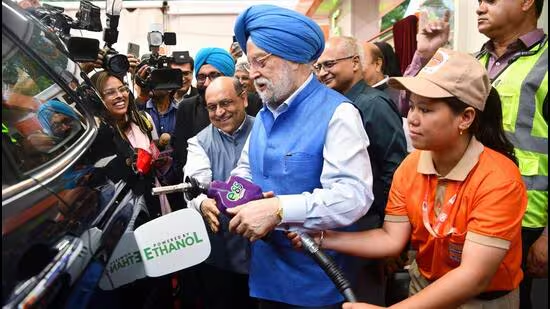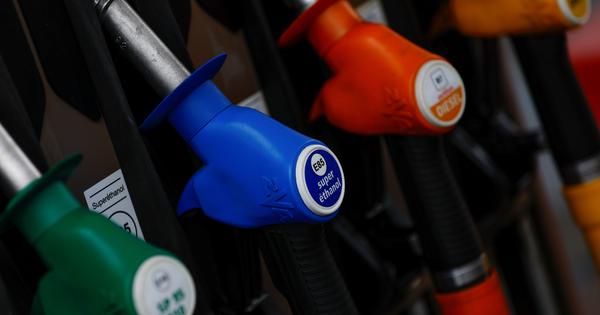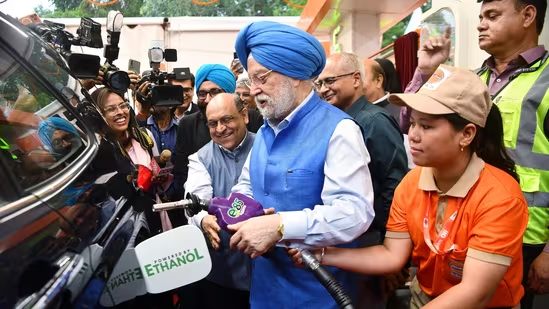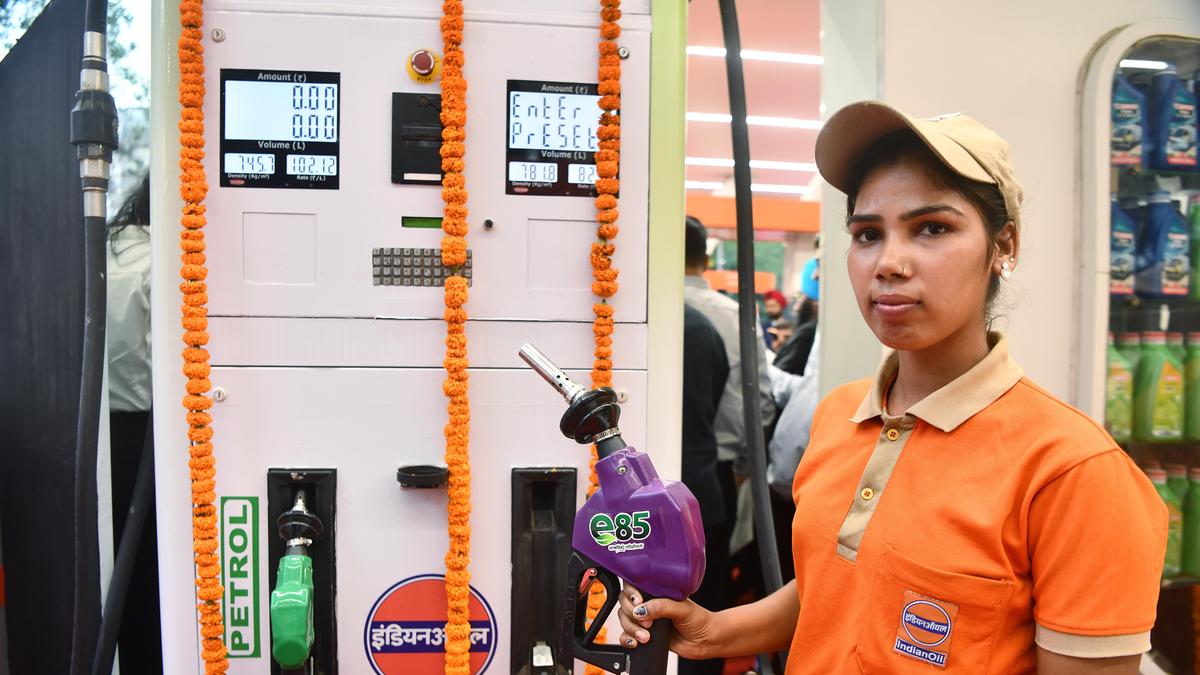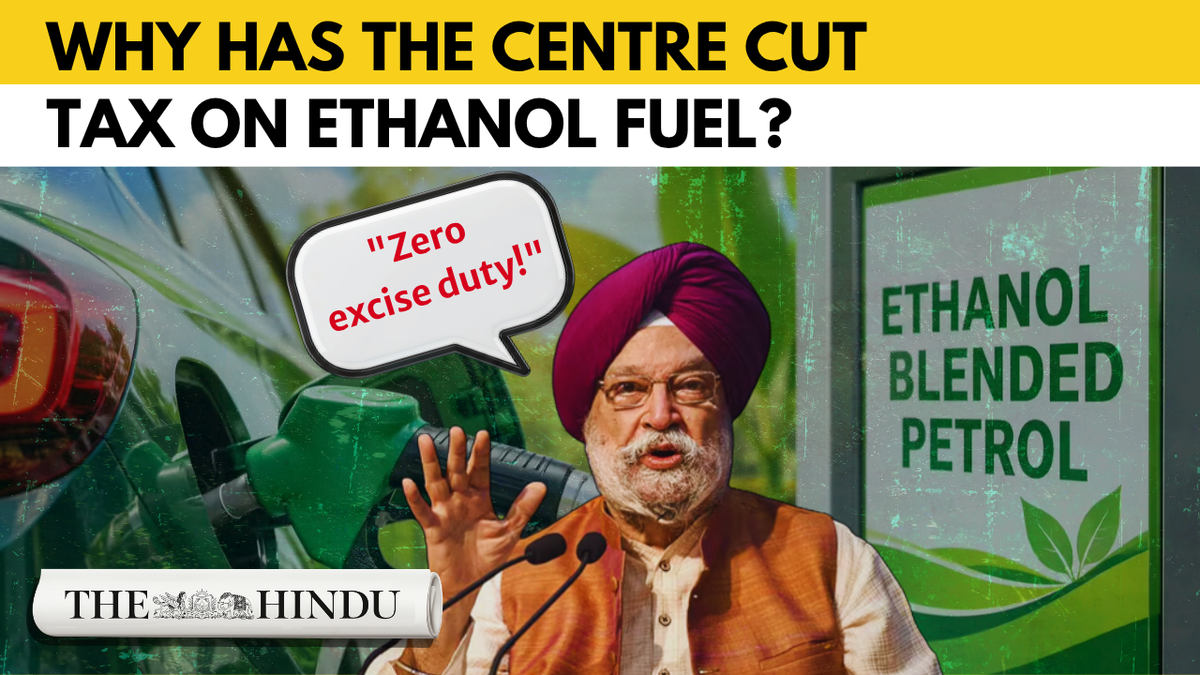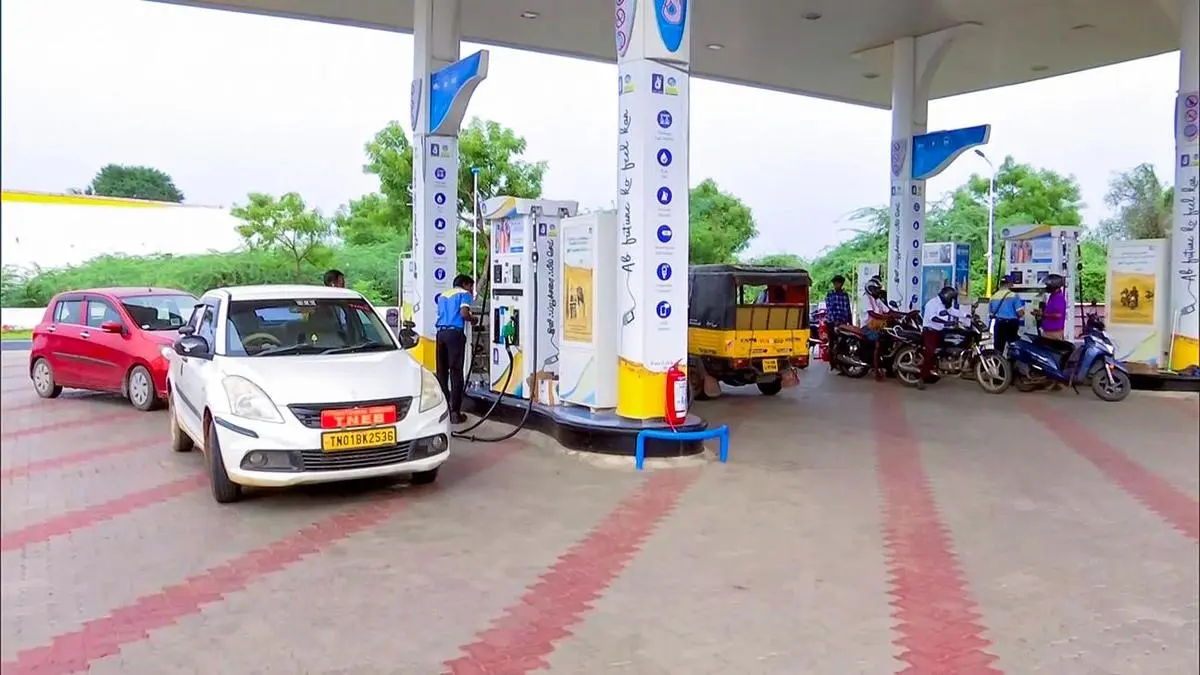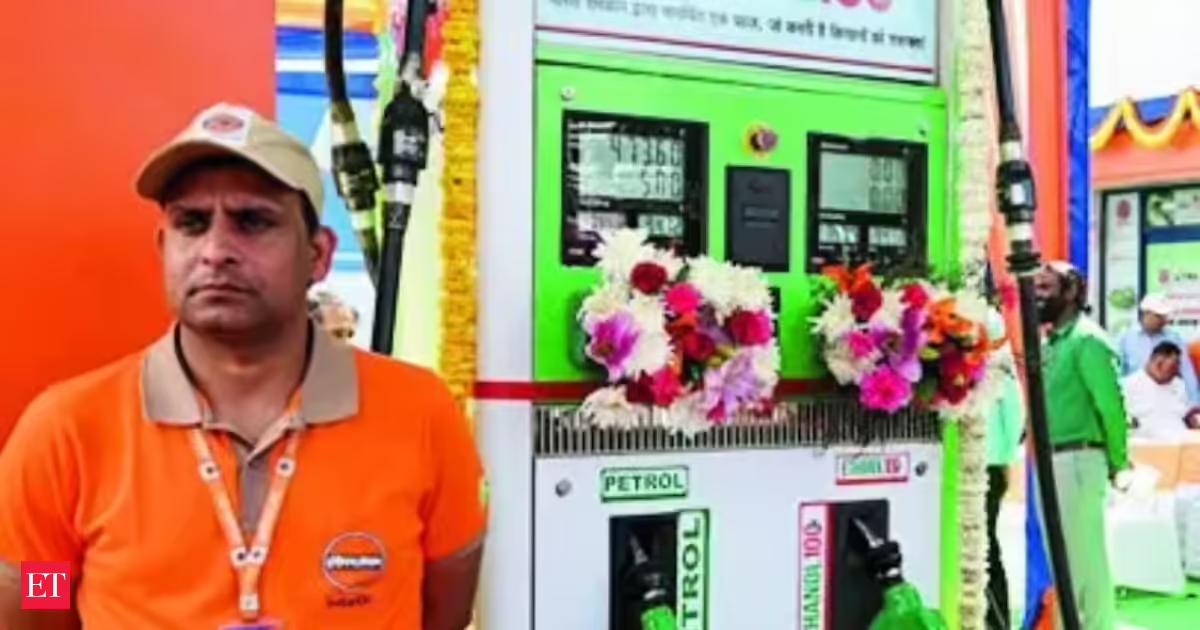
New Delhi: The Centre has exempted from excise duty the process of blending more than 20% ethanol with petrol, extending a waiver that was previously available only for blends of up to 20%.Petrol and ethanol will continue to be taxed separately. The exemption applies only to the blending activity, which is classified as a manufacturing process and can therefore attract excise duty."(The exemption) is a preliminary prerequisite for eventually introducing higher blends but doesn't convey anything about rollout of higher blends as of now as that will only be done after extensive testing and consultation," the petroleum and natural gas ministry said in a statement on Thursday.Fuel stations currently sell E20 petrol, which contains 20% ethanol. The energy crisis triggered by the near closure of the Strait of Hormuz has prompted the government to explore measures to increase the use of domestically produced ethanol in transport and reduce dependence on imported crude oil. The push is also supported by a sharp expansion in ethanol production capacity in recent years, which is now nearly double current consumption levels.However, fuels with higher ethanol content can damage vehicles that are not designed to use them. Most vehicles manufactured in India in recent years are compatible with blends only up to E20. The government is also promoting flex-fuel vehicles, which can run on much higher ethanol blends. Last week, state-run oil companies launched E85 fuel-a blend of 85% ethanol and 15% petrol -at select retail outlets.
Blending of E20+ and petrol exempt from excise duty
The government has removed excise duty on blending over 20% ethanol with petrol. This move supports the use of more domestically produced ethanol. It aims to reduce reliance on imported crude oil. While this exemption is a step towards higher blends, extensive testing is still required. Most current vehicles are compatible with up to E20 blends.
242 words~1 min read