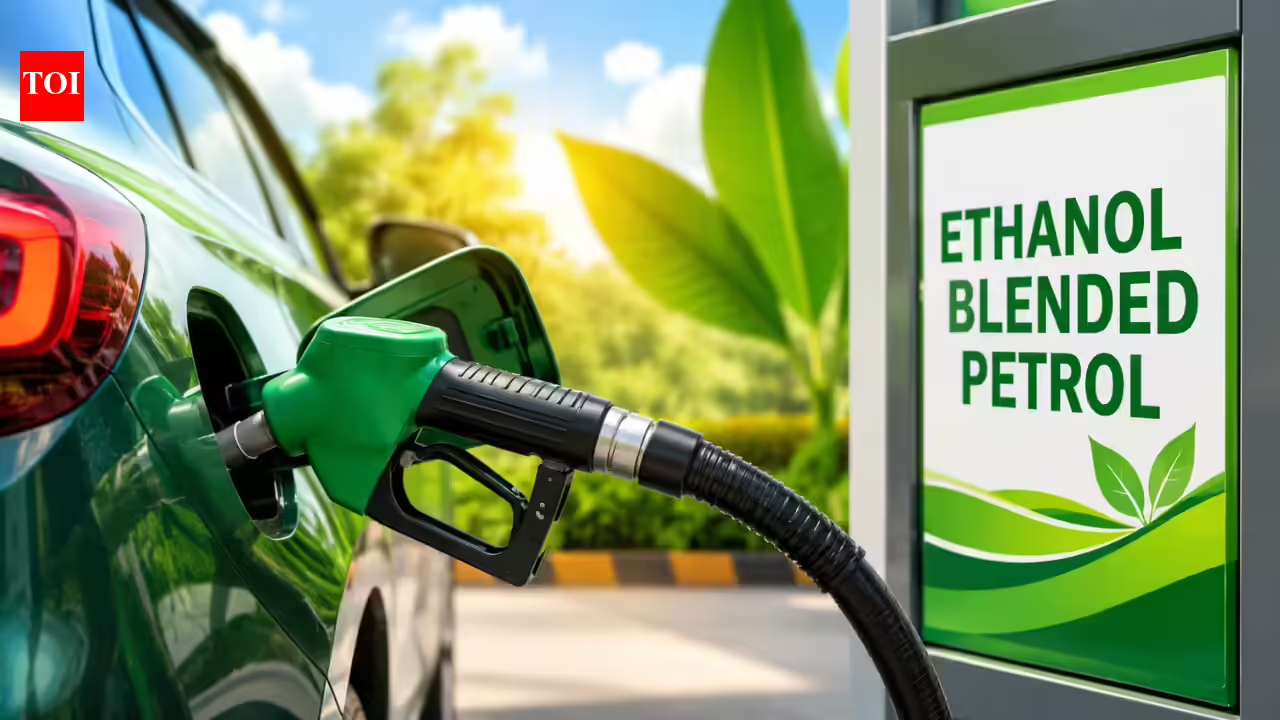
SynopsisIndia is rolling out incentives for petrol mixed with higher ethanol percentages, marking a significant step in its commitment to bolster ethanol blending. Despite refiners and automakers gearing up for implementation, they face hurdles related to water resources and agricultural output. On the bright side, harnessing agricultural waste for ethanol could help replace imports and open up export opportunities.APIndia has major overcapacity in ethanol, while its excess capacity in refined petroleum is modest.Tax exemption for petrol with higher ethanol content than is available is a forward-looking measure with little impact on consumption during the current oil crisis. Thursday's announcement of central excise exemption for petrol laced with 20-30% ethanol follows recently announced fuel standards for various grades in this band.Indian refiners blend 20% ethanol into petrol, and automakers are also on board. Adding more ethanol involves getting oil refiners and car manufacturers to make adjustments. The tax exemption ought to facilitate the transition to higher levels of ethanol blending. This is a follow-up action to India bringing forward its ethanol-blending programme for petrol.Ethanol's import-substitution argument, however, runs into several criticisms. One, blending is restricted to petrol. A proposal to blend diesel, which makes up most of the refinery output, with isobutanol is under consideration. Two, ethanol's energy efficiency does not match that of petrol. So, more blended fuel must be burnt to travel the same distance. Three, ethanol is produced from water-intensive sugarcane and grain, which could limit the country's fuel-doping ambitions. Finally, India episodically controls sugar exports - such as it is doing currently - when the season's closing stocks fall below official comfort levels.India has major overcapacity in ethanol, while its excess capacity in refined petroleum is modest. The country has recently allowed the export of ethanol. Petroleum products, on the other hand, are a principal export item and will benefit from ethanol overcapacity if fuel-blending levels increase. The contention that India may be trading fuel inflation for food inflation does not stand up to scrutiny. Ethanol production relies heavily on agri-waste. A combination of import substitution and export competitiveness will push India's fuel-doping plans. The implicit carbon tax on fuel will serve as a consistent policy tool to lower India's dependence on imported energy. ...moreElevate your knowledge and leadership skills at a cost cheaper than your daily tea.Subscribe Now
Higher ethanol mix tax cut a good drive - The Economic Times
India is rolling out incentives for petrol mixed with higher ethanol percentages, marking a significant step in its commitment to bolster ethanol blending. Despite refiners and automakers gearing up for implementation, they face hurdles related to water resources and agricultural output. On the bright side, harnessing agricultural waste for ethanol could help replace imports and open up export opportunities.
382 words~2 min read