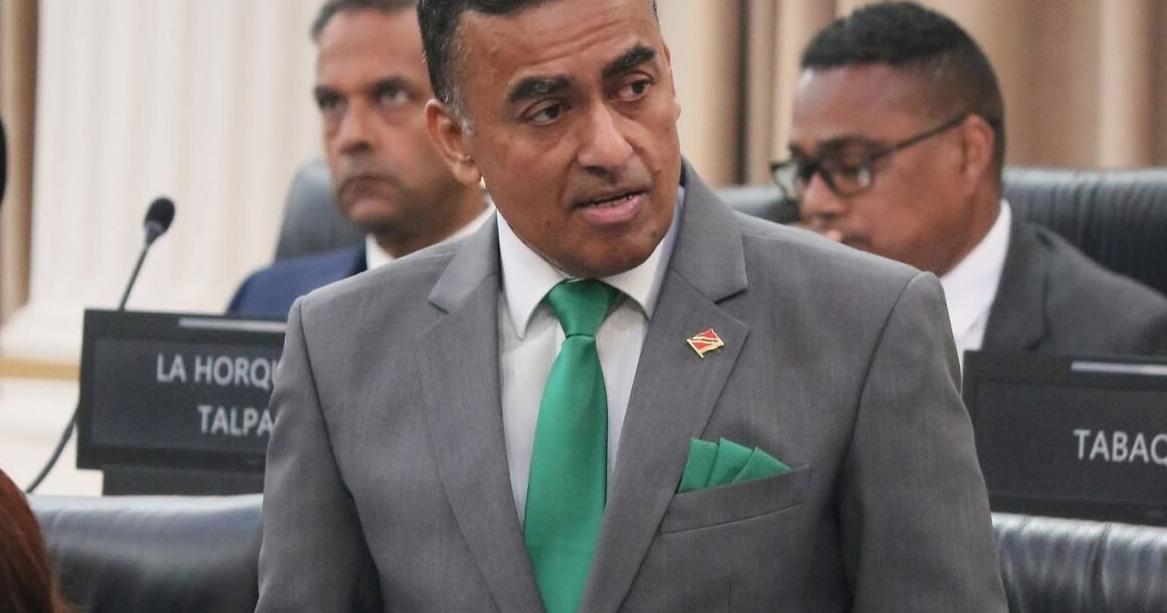
The Finance Bill 2026 was passed in the Parliament yesterday with an assurance from Finance Minister Davendranath Tancoo that the legislation does not impose a burden of taxes on citizens.The bill was passed with 28 members voting for, and zero against. There were 13 abstentions from the Opposition bench.In piloting the bill, Tancoo knocked the People’s National Movement (PNM) Opposition for making “mischief” and telling the population the legislation will see new taxes being imposed.He rubbished this, saying the legislation introduces no new taxes on individuals, and was instead a package of reforms aimed at improving compliance, stimulating investment, and delivering on Government commitments.Tancoo said the 31-clause bill contains no new taxes for citizens—but acknowledged there were increased fines to deal with lawbreakers.He explained that the only new fiscal regime relates to companies involved in drilling operations in marginal marine gas fields, which would contribute a share of revenues to the State.Tancoo said the legislation instead focused on tax relief for pensioners, retirement benefits for protective services officers, support for charitable giving, investment incentives, and stronger enforcement measures.He accused the Opposition of creating mischief and presiding over a tenure in which they “sabotaged” the country’s revenues so they could borrow billions and push the nation’s financial business into the hands of a “select few” with familiar and familial connections.The minister noted that the bill affects members of the Police Service, Prison Service and Fire Service.He said clauses in the legislation will ensure officers who acted in higher positions for at least one continuous year, but less than three years before compulsory retirement, will have their pensions, gratuities and retirement allowances calculated as though they had been substantively appointed to those higher offices.He said the measure seeks to address long-standing complaints from officers who performed higher duties for extended periods but retired without receiving the corresponding retirement benefits.Tax-free pension income Tancoo said a major tax concession was contained in Clause 21(a), which amends the Income Tax Act.The amendment exempts income earned from approved deferred annuity plans and approved pension fund plans from income tax with effect from January 1, 2026.For deferred annuity plans, the policy must be purchased by a resident of Trinidad and Tobago and mature between the ages of 50 and 70. Approved pension fund plans purchased by residents will also qualify.The legislation makes it clear that the exemption applies to plans approved before, on or after January 1, 2026.Tancoo said the bill creates new incentives for charitable giving through amendments to the Exchequer and Audit Act, the Income Tax Act and the Corporation Tax Act.Individuals and companies making contributions to Government-established national-purpose funds will be eligible for tax deductions.He stated that individuals will be allowed to claim deductions of up to 20% of total income; or $20,000; whichever is lower.Companies will be allowed deductions of up to 15% of chargeable profits; or $100,000; whichever is lower.The minister said the provisions were expected to support initiatives such as the Women’s Health Fund and efforts to address period poverty among women and girls.New energy incentives The Finance Minister said a component of the bill targets investment in the energy sector.He explained that the legislation introduces a new category known as a “marginal marine gas field”, defined as an offshore shallow water gas field with:• Recoverable contingent gas resources of 300 billion cubic feet or less;• An internal rate of return below 15%;• Production commencing after January 1, 2026; and• Certification by the Minister of Energy.He said the bill also establishes an 8% royalty on net natural gas produced from qualifying marginal marine gas fields.To stimulate the development of smaller gas fields, the minister said investors will receive an allowance of 130% of qualifying expenditure, claimed at 20% annually over a five-year period.He criticised the former government as “amateurs” who spent millions travelling the world “wining and dining” while attempting to engage in professional negotiations.Tancoo said under the UNC Government, major energy companies are investing in Trinidad and Tobago, including ExxonMobil, BP, Shell, Perenco and others.Landlord business surcharge changes The bill contains several amendments relating to the Landlord Business Surcharge, Tancoo stated.The legislation clarifies that the one-time registration fee of $2,500 applies per landlord rather than per rental property.This means landlords with multiple rental properties will pay a single registration fee.He noted that the former PNM property tax was based on “imaginary” rental income, while the Landlord Business Surcharge applies only to persons who are actually renting out their properties.Tancoo also explained the introduction of a tax credit.He said any Landlord Business Surcharge paid can be credited against a landlord’s annual income tax liability up to the full amount of that liability.The minister said following consultations with gaming operators, the Government has significantly reduced gaming taxes introduced in budget 2026.The annual tax on amusement games, other than electronic roulette devices, will be reduced from $25,000 to $12,500.Taxes on electronic roulette devices will be reduced from $200,000 to $120,000 annually.The new rate aligns roulette taxation with that imposed on casinos.Operators will no longer be required to pay the entire gaming tax upfront each year. Instead, taxes will be paid quarterly and payments will be spread equally throughout the year.Excess taxes already paid between April 1 and June 30, 2026, will be refunded.The bill also increases the maximum number of amusement games permitted on certain licensed premises from 20 to 33.Operators exceeding the limit could face a $25,000 fine; up to one year imprisonment; and possible revocation of their licence.
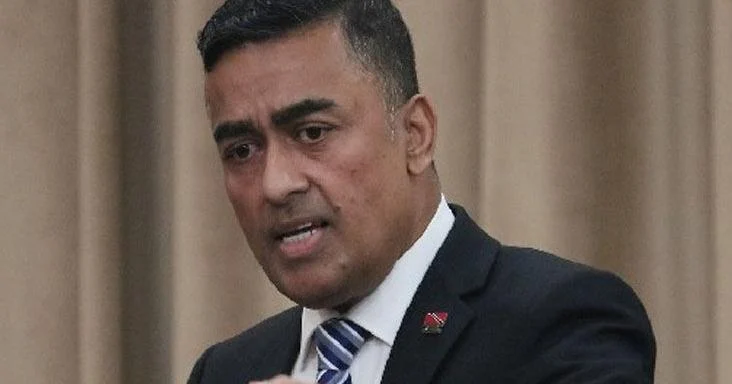
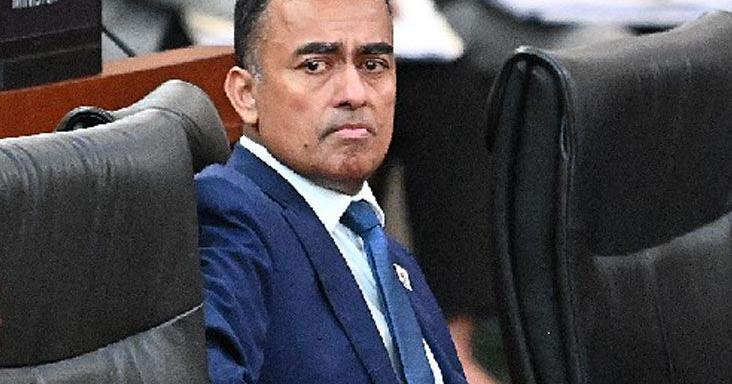
Tancoo: Higher fines; no new taxes
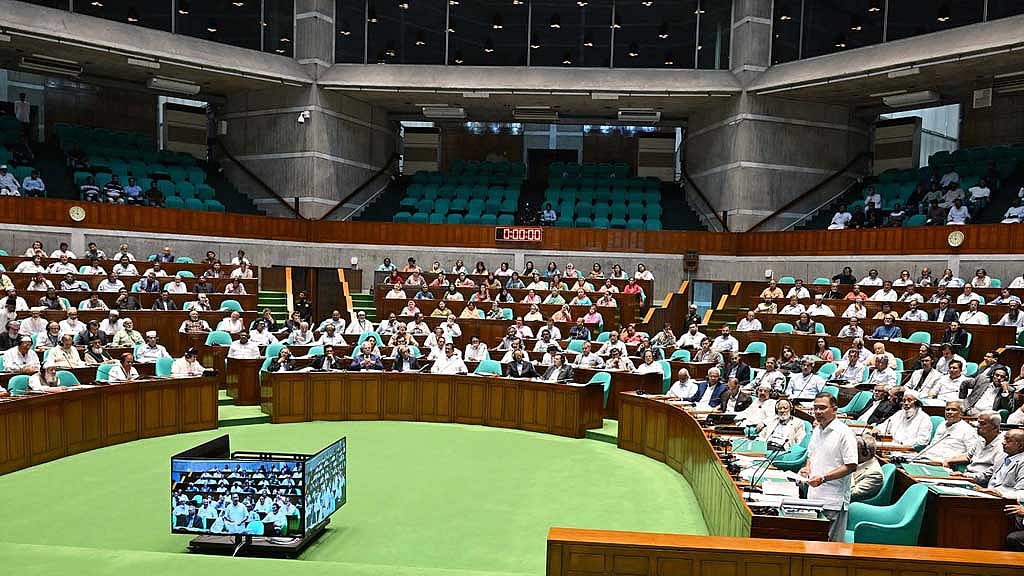
The Finance Bill 2026 was passed in the Parliament yesterday with an assurance from Finance Minister Davendranath Tancoo that the legislation does not impose a burden of taxes on citizens.
907 words~4 min read