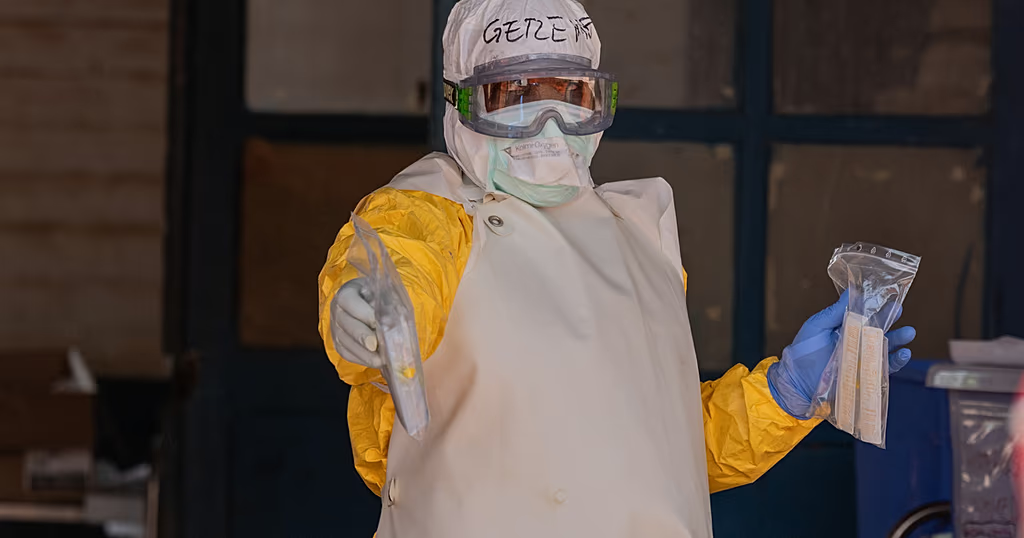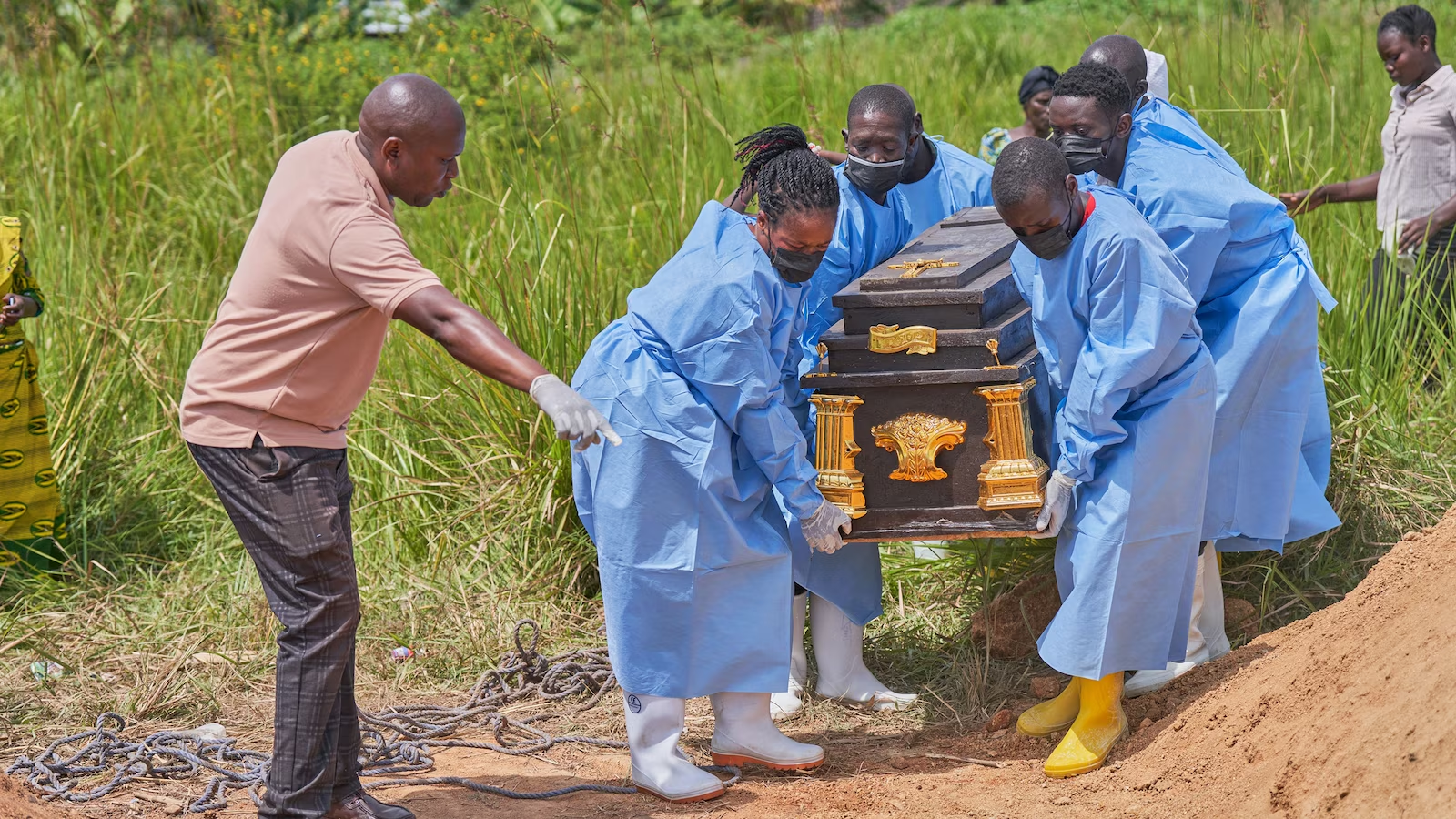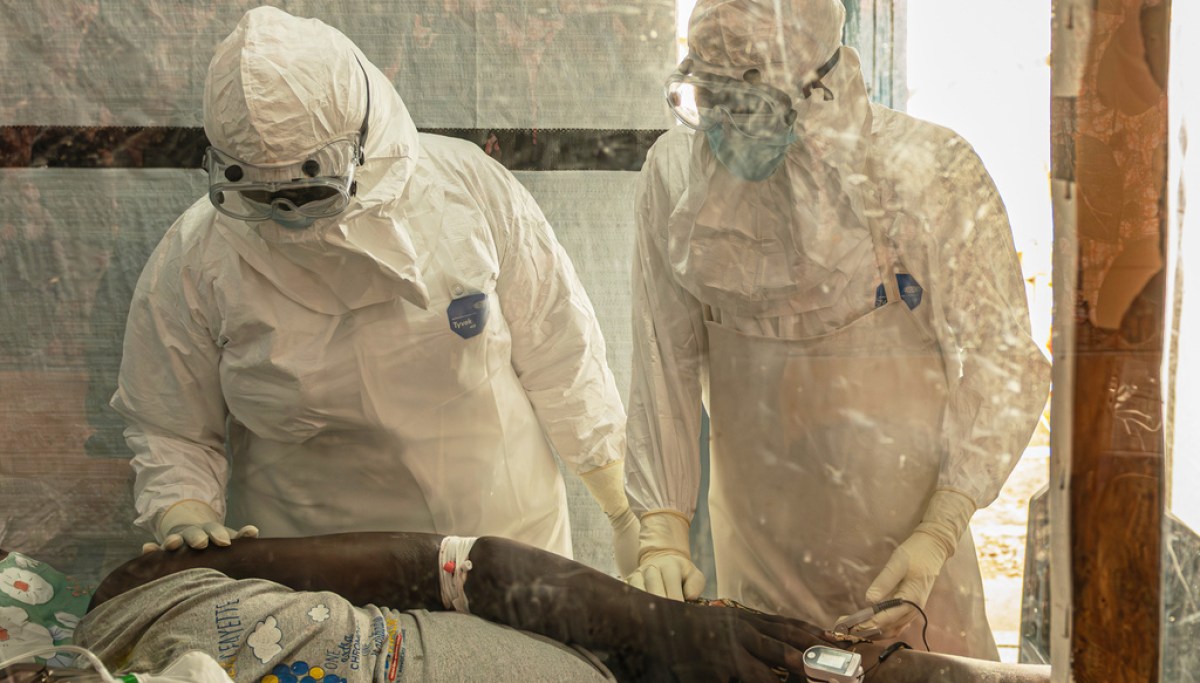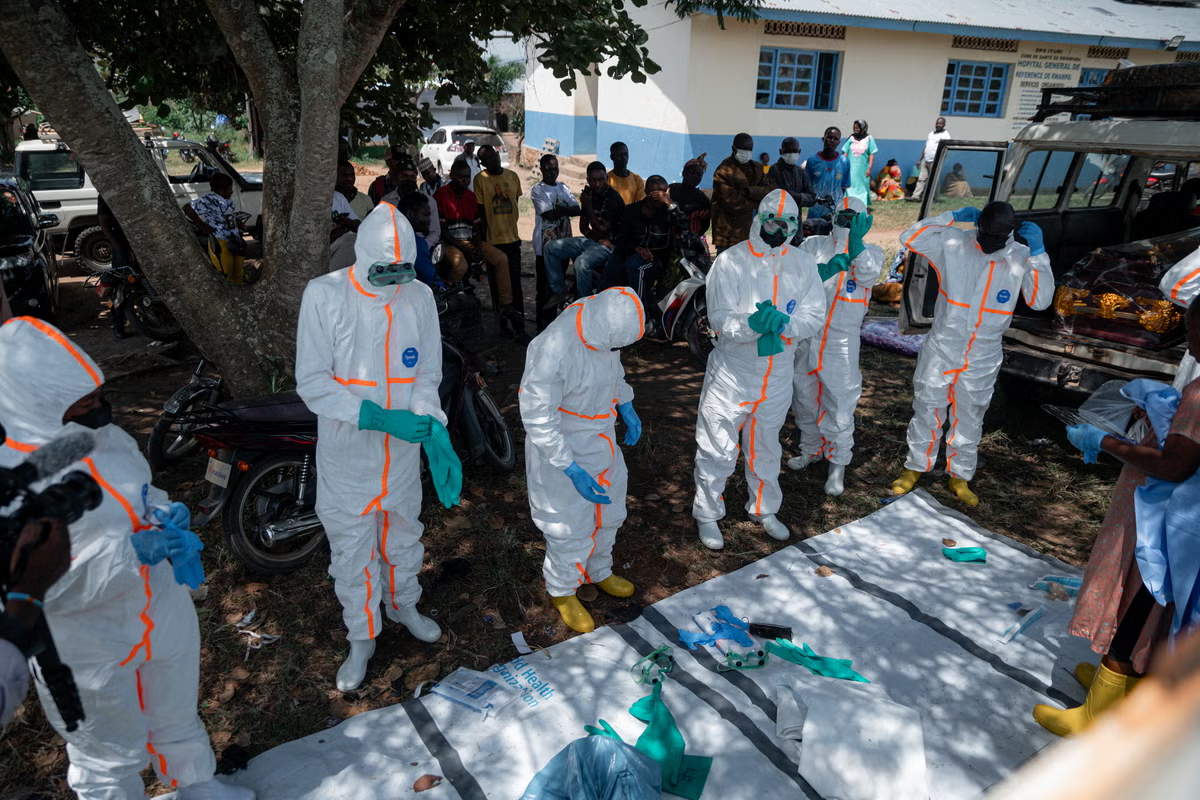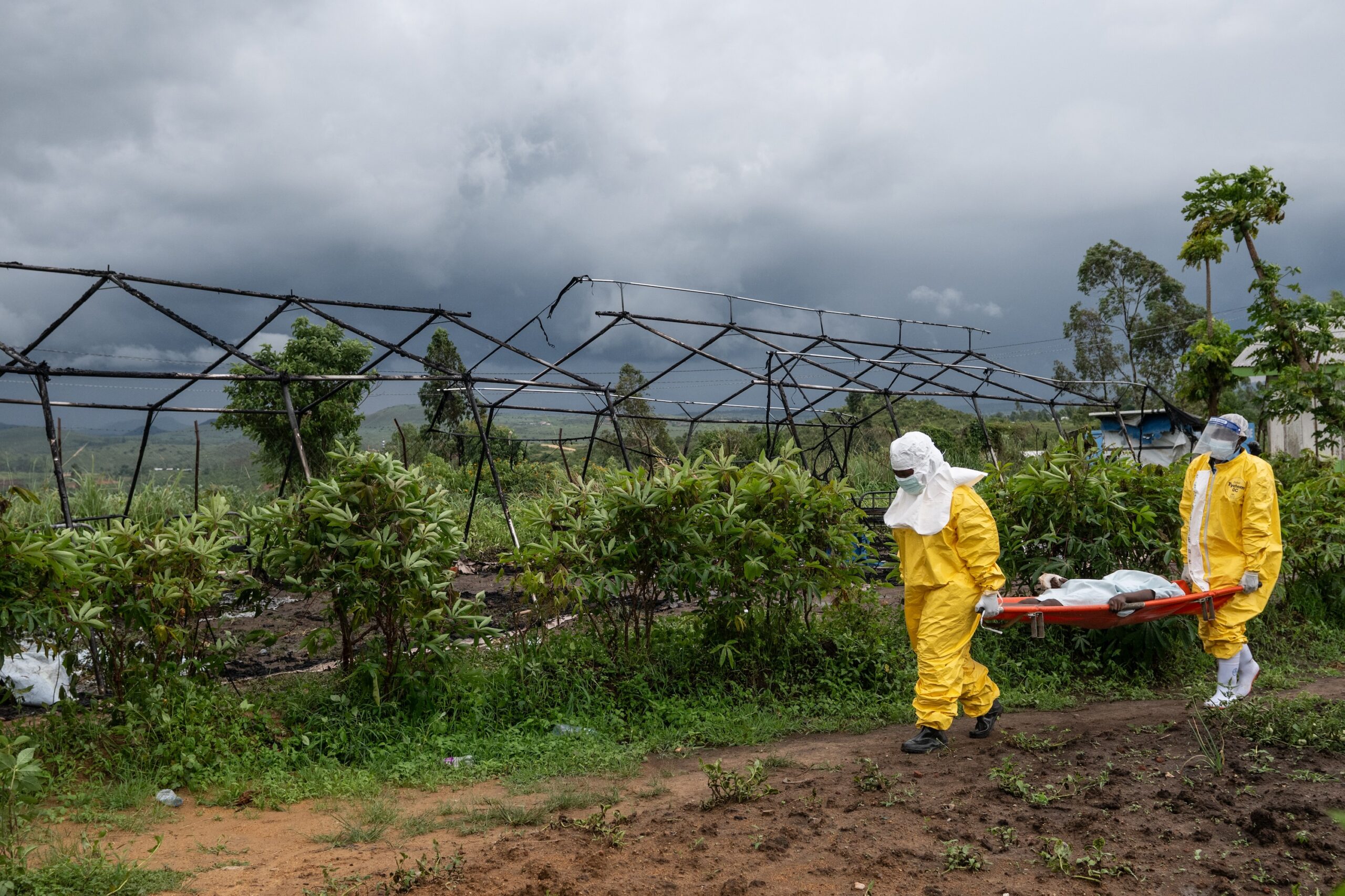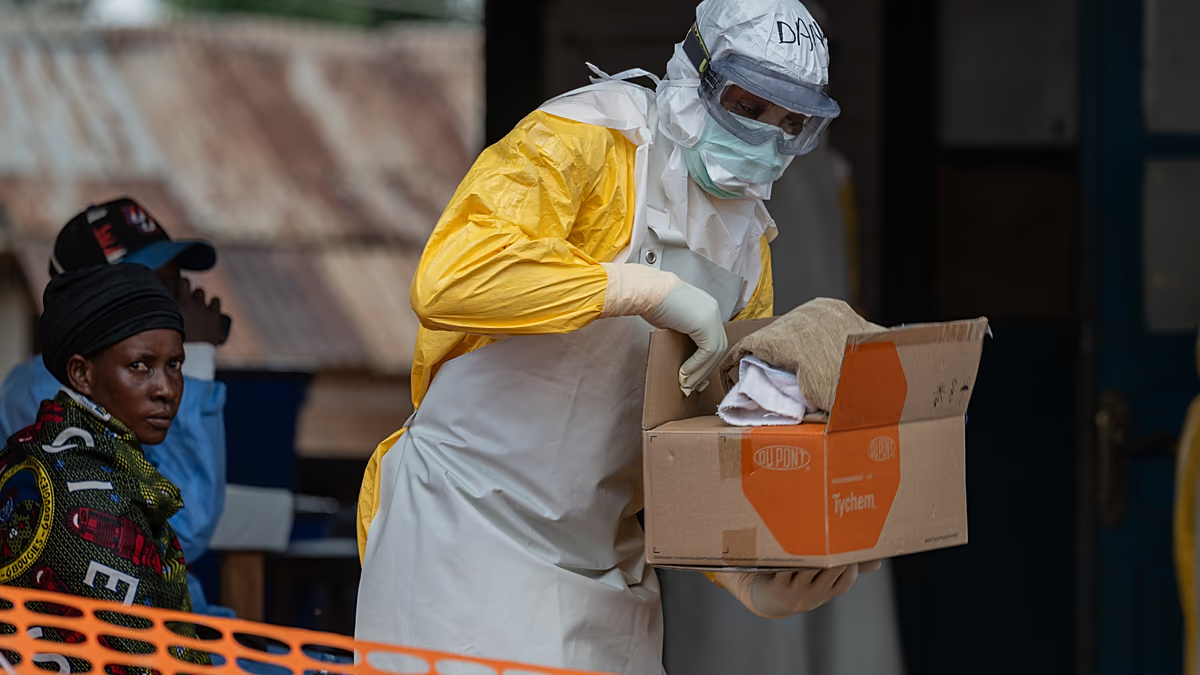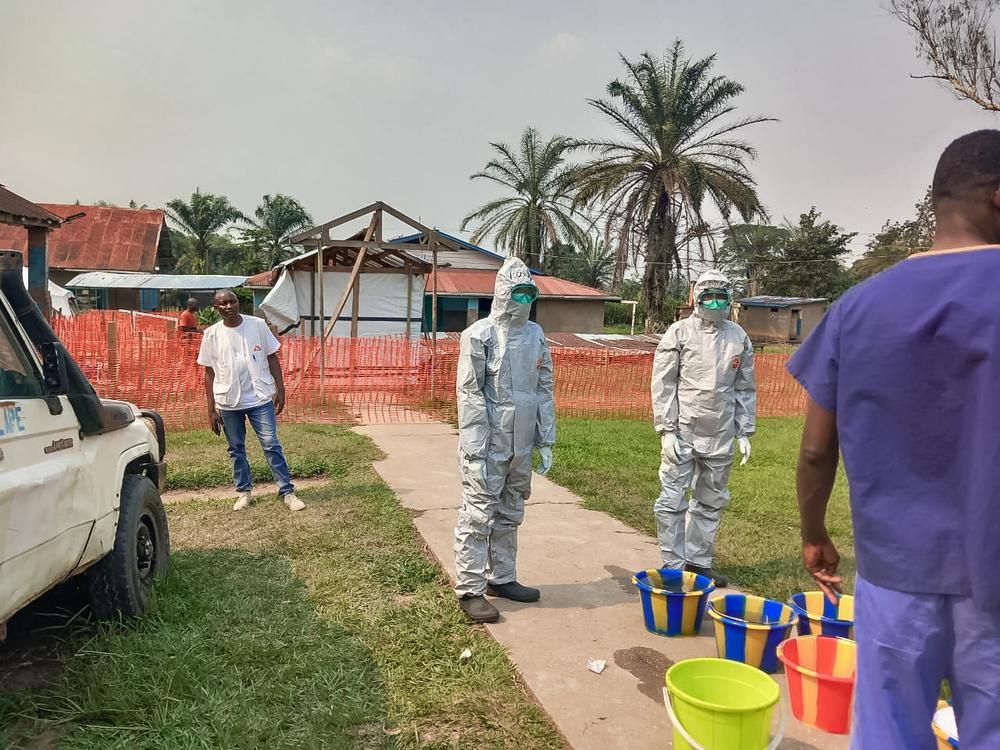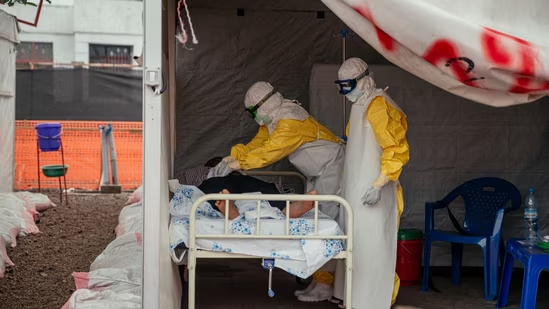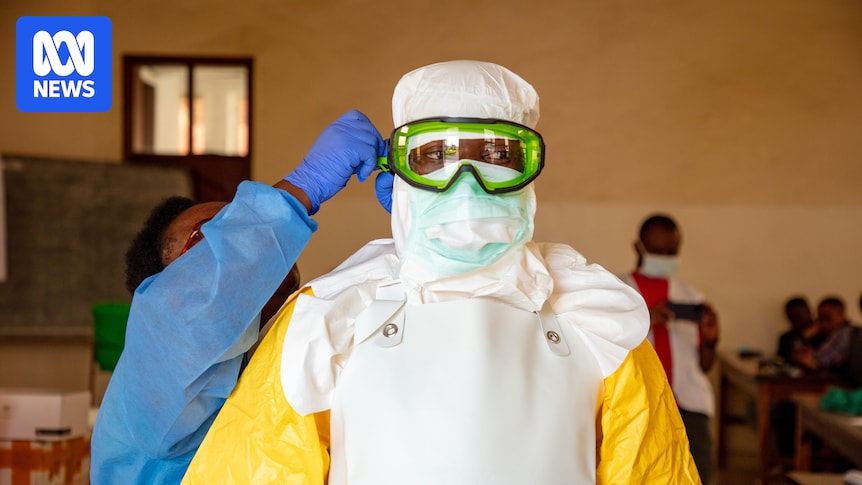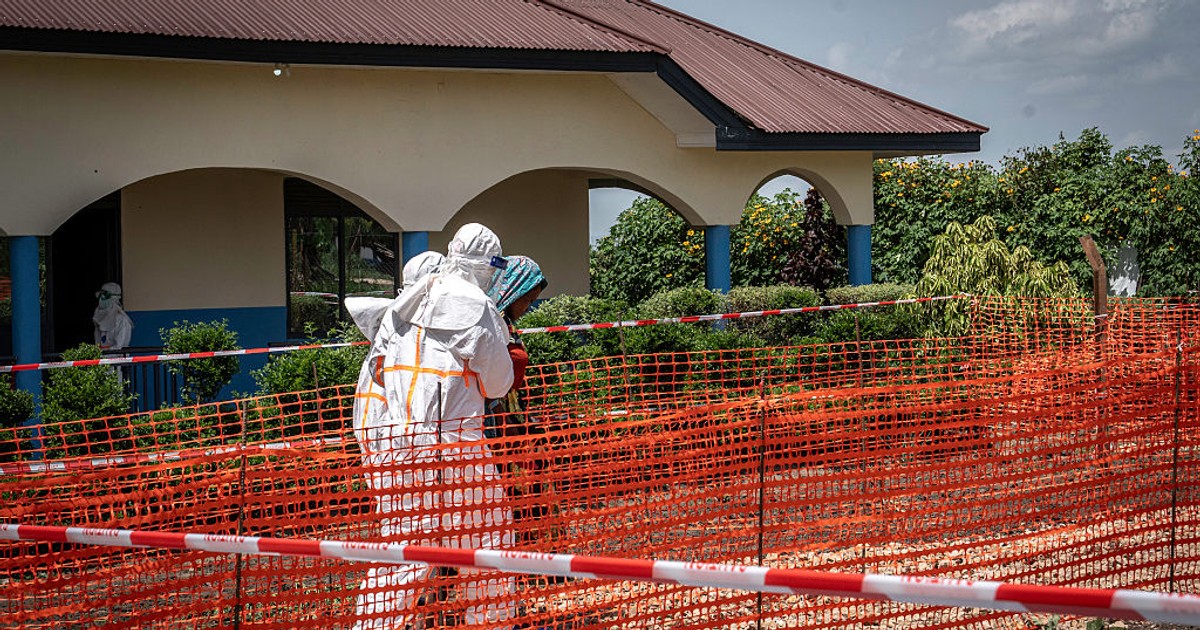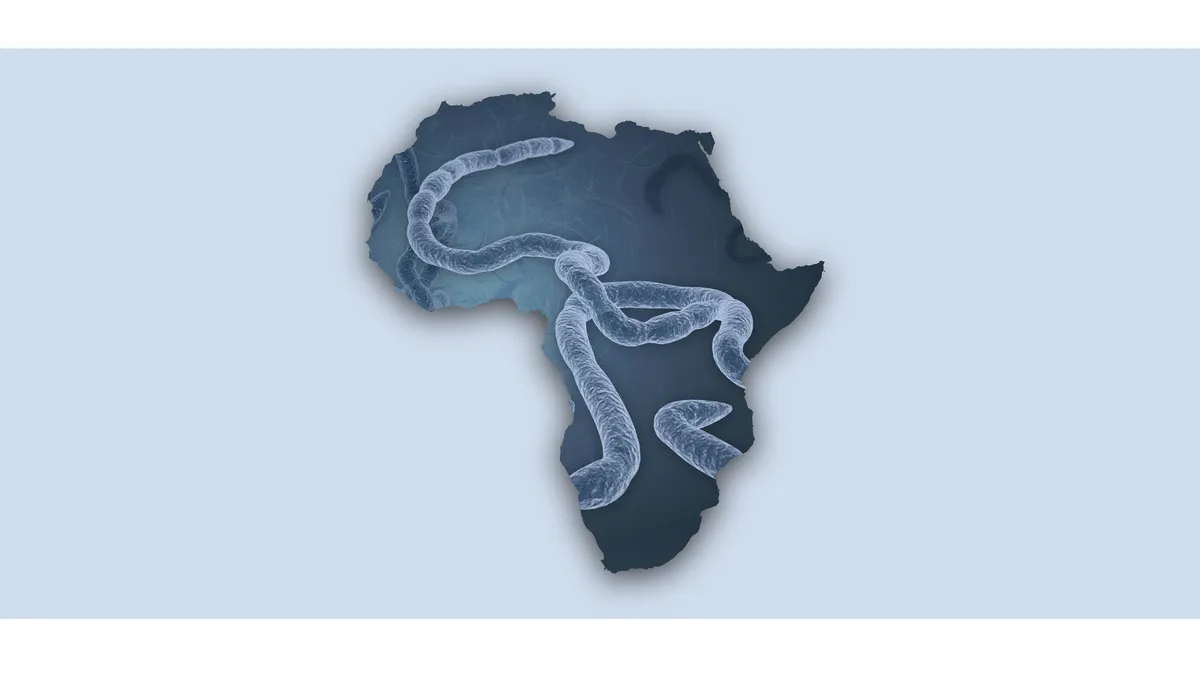
Africa's Ebola outbreak in the Democratic Republic of the Congo and Uganda has reached more than 600 reported cases, according to the Centers for Disease Control and Prevention.According to the Ministries of Health in the Democratic Republic of the Congo, there have been 598 confirmed cases and 115 deaths as of June 8, the CDC reported. There have also been 19 confirmed cases of Ebola in Uganda, including two deaths.For most people in the United States, it is very unlikely that a virus such as Ebola could become widespread, according to the CDC. The U.S. Department of State has outlined specific precautions and response strategies, while stating that there is still little chance of an Ebola outbreak in the United States.Where the 2026 Ebola outbreak is centeredThe first suspected case in 2026 of the new strain of Ebola, called Bundibugyo strain, was reported in late April in the Democratic Republic of the Congo and was officially investigated in early May, according to the World Health Organization. Testing shows that, unlike earlier strains, there is currently no approved vaccine or targeted treatment for the virus strain.Unable to view our graphics? Click here to see them.WHO officials discuss obstacles to fighting Ebola as vaccines developWHO officials discussed obstacles to fighting a rare strain of Ebola as vaccines in development are months away from clinical trials.Where Americans abroad will receive Ebola careAmericans who contract Ebola abroad are now typically treated at specialized centers in Europe, including facilities in Berlin, Germany. The U.S. government has also set up a dedicated quarantine and treatment site in Kenya for Americans in Central Africa who have been exposed to the virus or are showing early symptoms, the Wall Street Journal reported.An American missionary who contracted the disease on May 17 and was evacuated to Charité Hospital in Berlin has since been treated, released and is now in good health, according to reports from University of Minnesota.Where Ebola outbreaks have previously hit in AfricaMore than 28,600 people were infected during the 2014-2016 Ebola outbreak in West Africa, the largest outbreak since the virus was first identified in 1976, according to WHO.Ebola health care workers grapple with supply shortagesIn the outbreak, 34 health care workers across the Democratic Republic of the Congo and Uganda have been infected and five have died.Lack of personal protective equipment, hygiene supplies and diagnostic instruments is making it more difficult for health care workers to respond safely, which raises their risk of infection, according to Reuters.The rare Bundibugyo strain of Ebola circulated for weeks undetected in Congo's remote northeast before the first samples tested positive in mid-May, according to WHO. Aid groups are now scrambling to rush in supplies to the Ituri Province, the conflict-hit region where the outbreak originated.Major donors have been scaling up support. The U.S. has delivered 150 tons of medical supplies and pledged over $200 million directly to the affected countries, a State Department spokesperson said, making it the largest financial contributor to the Ebola response.How contagious is Ebola virus?Every virus has an R₀ factor (or reproduction number), which estimates the number of individuals one infected person is likely to infect others in the absence of interventions such as vaccination and infection control.Compared to other infectious diseases, Ebola has a Ro factor of about 2, which is relatively low number compared to COVID-19 or measles, but it has a much higher fatality rate, according to the National Library of Medicine.How does Ebola start?Ebola is introduced into the human population through close contact with the blood, secretions, organs or other bodily fluids of infected animals. In Africa, infection has been documented through the handling of infected fruit bats, monkeys, chimpanzees, gorillas, forest antelope and porcupines found ill or dead in the rainforest.What are the symptoms of the Bundibugyo Ebola strain?The symptoms are generally similar to those of other Ebola viruses, though experts cannot be entirely sure because only a limited number of cases of this particular strain had been observed before the most recent outbreak. They typically begin abruptly, appearing anywhere from two to 21 days after infection.Can Ebola be cured and is there a vaccine?Certain strains of Ebola, especially the Zaire strain – which has caused significant outbreaks in the past, including the largest outbreak on record in 2014 – have vaccines. However, the Bundibugyo strain causing the current outbreak has no licensed vaccine available, according to the International Medical Corps.Potential vaccines are being developed and tested by researchers and global health partners. In the meantime, public health measures, including surveillance, infection prevention and community awareness, are crucial for controlling outbreaks.SOURCE: Centers for Disease Control and Prevention, World Health Organization, NPR, University of Minnesota and ReutersThis story was updated to clarify the reproduction number of Ebola virus.
Ebola outbreak map: Cases hit 600 in Africa, drawing US attention
Rising Ebola cases in eastern Congo are intensifying concerns among health officials as the outbreak continues to spread across Africa.
790 words~4 min read