Story audio is generated using AI
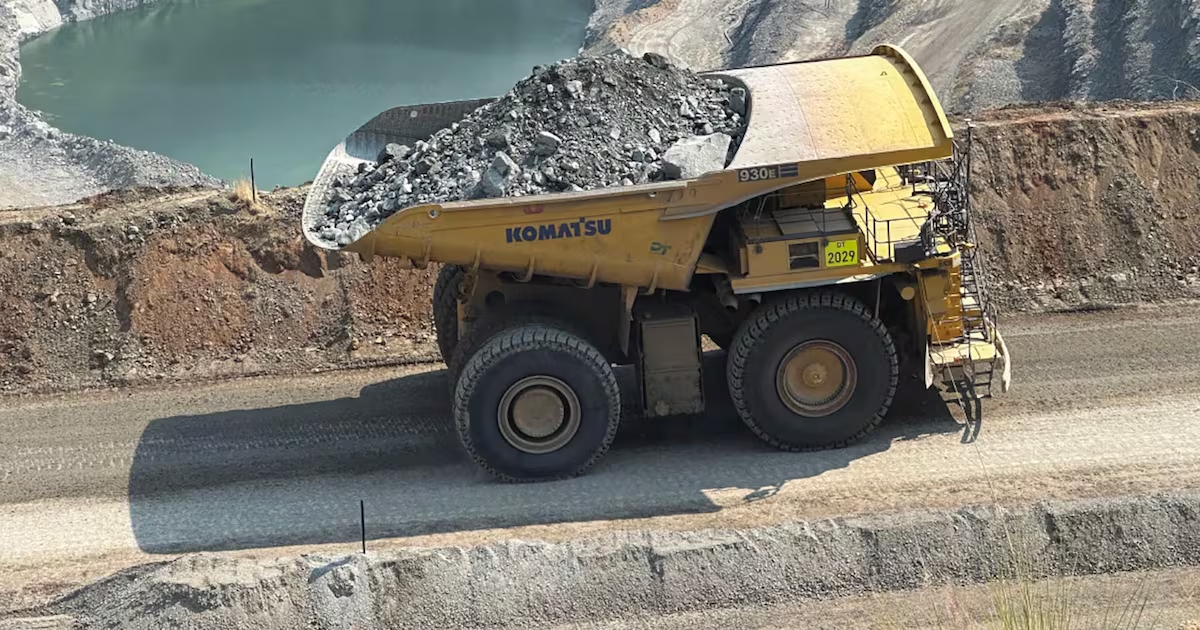
Production from the mining sector rose for a fifth straight month in April as platinum group metal (PGM) producers continued to enjoy better weather and soaring prices.Industry data, published by Stats SA on Thursday, showed mining output climbing 8.2% year on year at the beginning of the second quarter after a 2.5% lift in March, more than double Bloomberg’s consensus forecast.However, the sector remains on shaky ground as looming cost pressure stemming from Middle East tension continues to cloud the outlook. Additionally, April’s increase was driven largely by base effects in the PGM sector.PGMs, which make up more than a third of the country’s production, were disrupted by heavy rainfall and flooding in Limpopo and the North West in early 2025, making this year’s reading increases appear particularly high.The World Bank expects South Africa’s mined platinum output to increase only slightly in the next two years as high scrap flows increase platinum recycling. Recycled platinum now accounts for a fifth of global supply, according to the bank.In the coming months, rising cost inflation is expected to squeeze mining margins, dealing a particularly painful blow to the electricity intensive operations of most PGM majors.Investec economist Lara Hodes warned that the effects of the Iran war, which continues to disrupt the global supply of oil, have now begun to materialise in the latest industry data.“We have started to see upside pressure on mining input costs as a result of the war in the Middle East. This is reflected in the movement of the Mining Composite Input (MCI) Cost Index, compiled by the Minerals Council South Africa,” Hodes said in a Thursday note.The index, which aggregates a basket of input prices including fuel, machinery, labour and interest rates, rose 2.7% year on year in April and by 2.3% in March, compared with just 1.2% in February, before the war began.The biggest cost burden will probably be felt by open-pit operations which rely heavily on diesel to run trucks and earth-moving vehicles, including many large coal, iron ore and PGM operations.An earlier note by the council estimated that miners would pay 50% more in fuel costs than normal in April. The possibility of wage increases and interest rate hikes later this year may add even more pressure to balance sheets.Wages and salaries are the biggest element of the mining sector’s overall costs, while rate hikes make borrowing and investment more expensive.That means cost pressure is likely to persist well into next year. Reserve Bank governor Lesetja Kganyago told Business Day last week that he sees inflation peaking only in the first quarter of next year, while the Bank cited lasting inflation risks when raising its main policy rate to 7% last month.Business Day