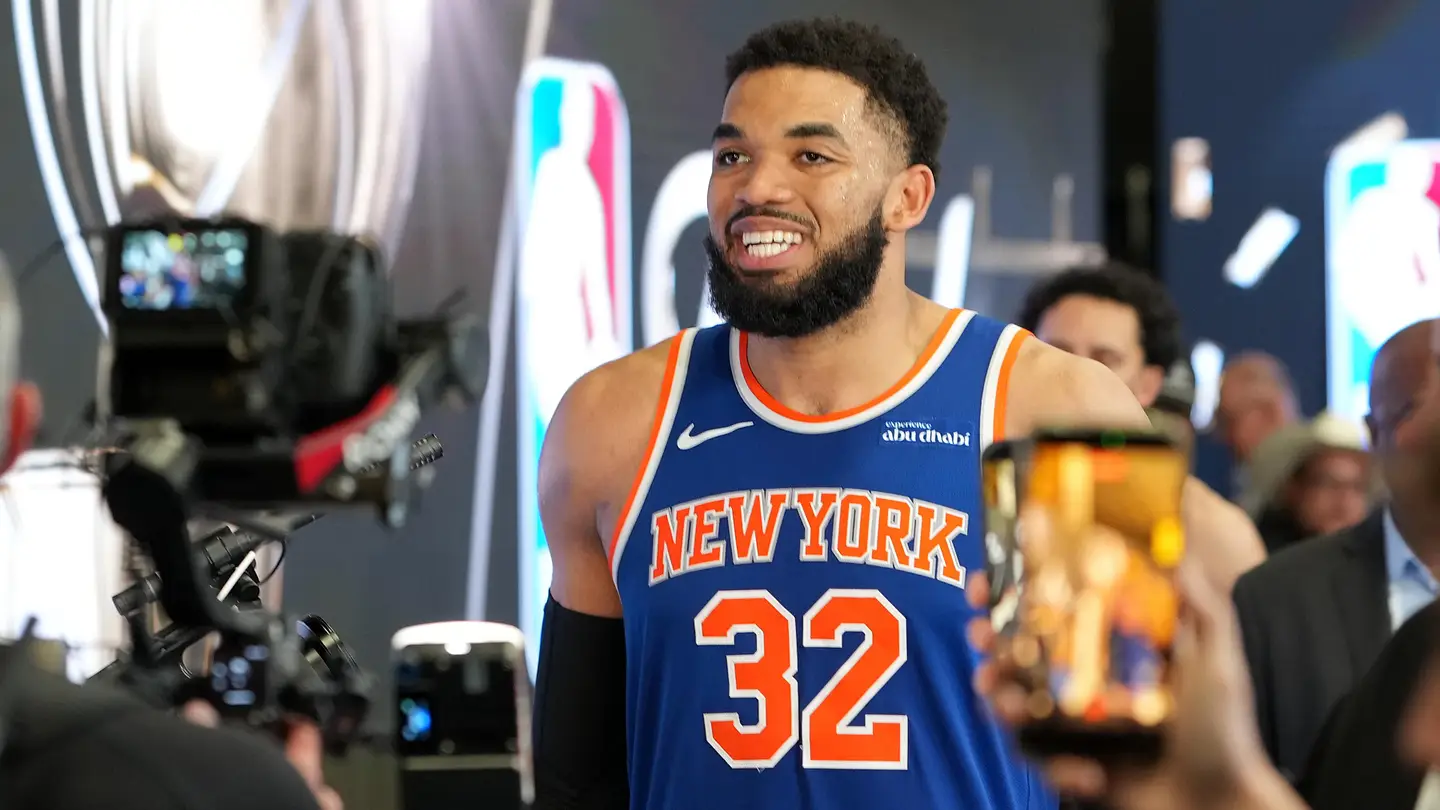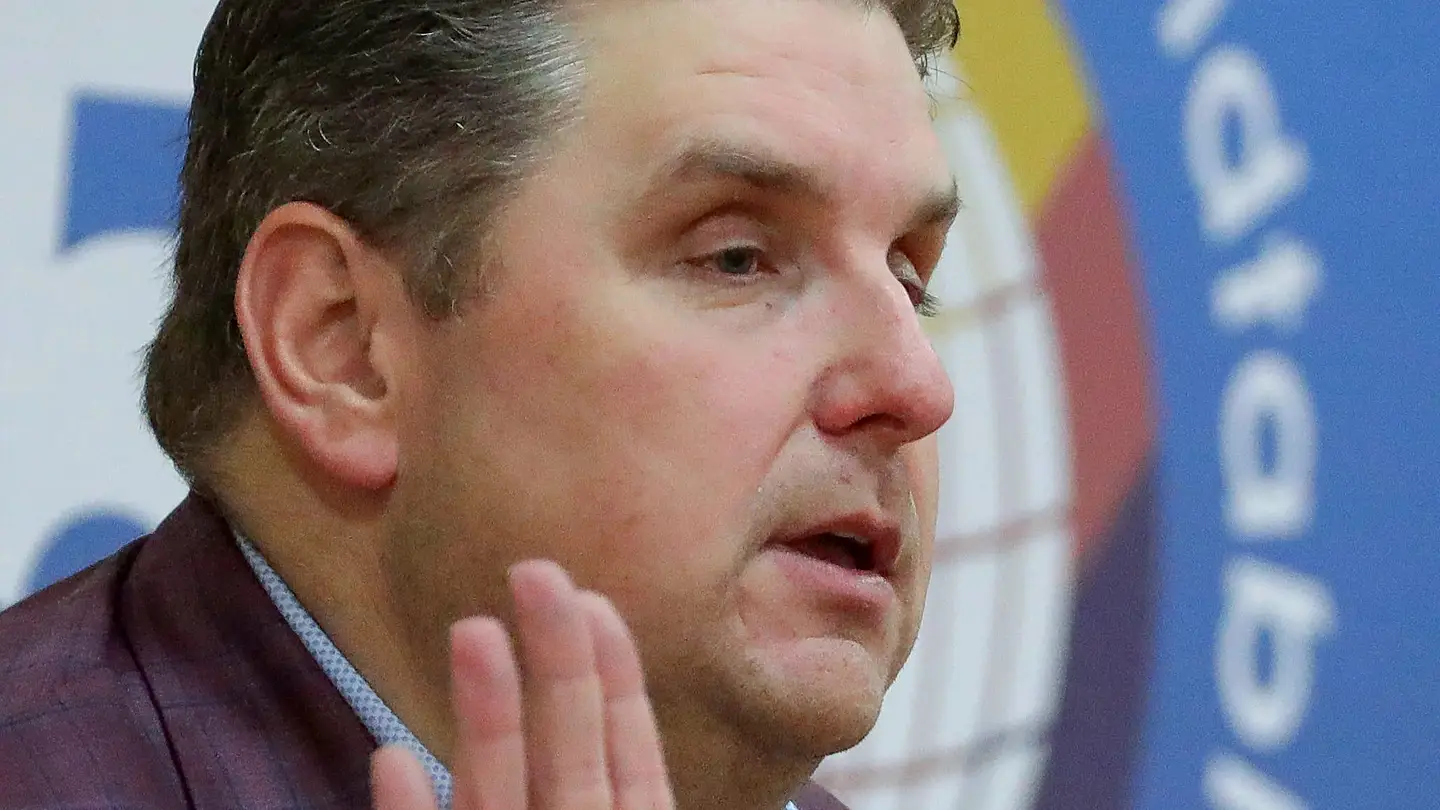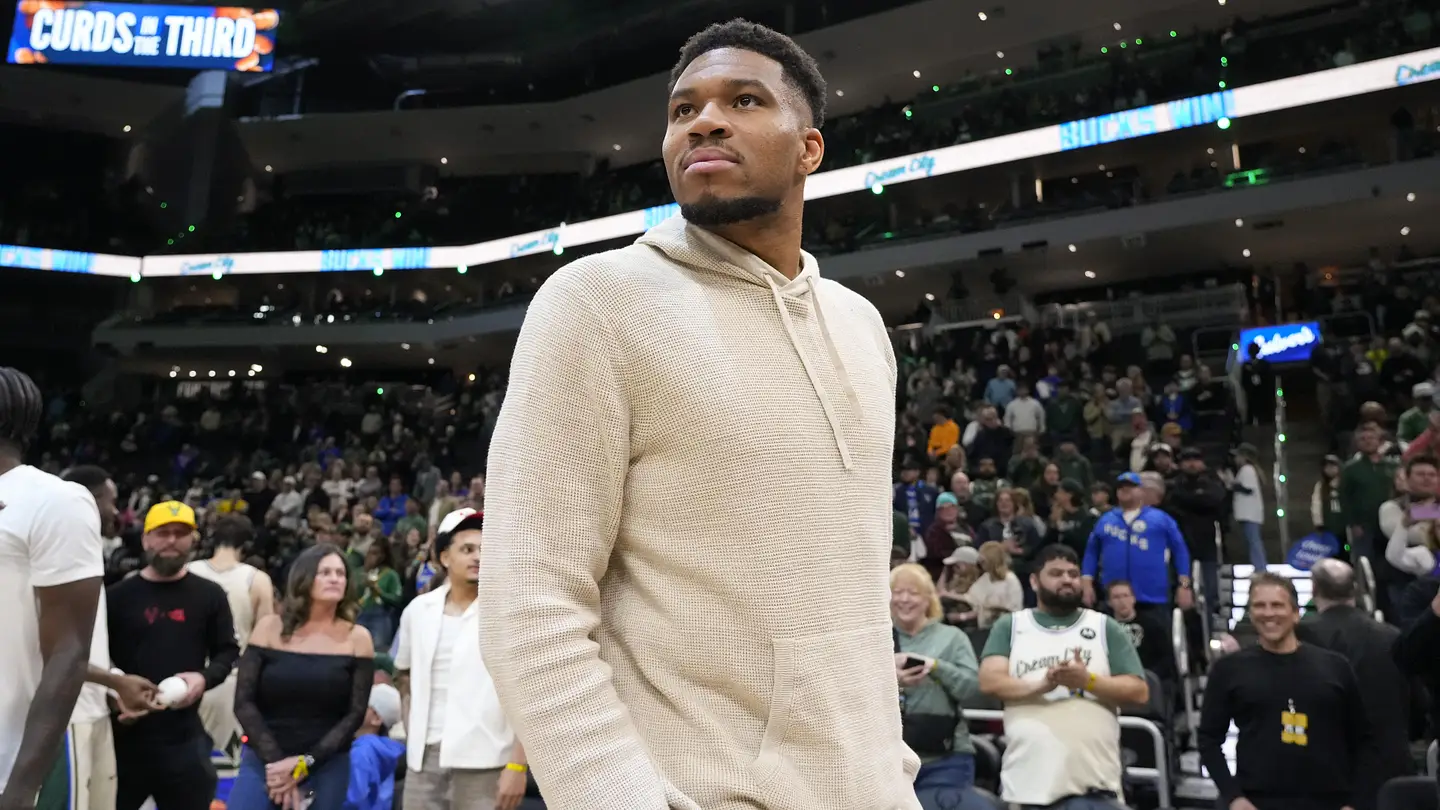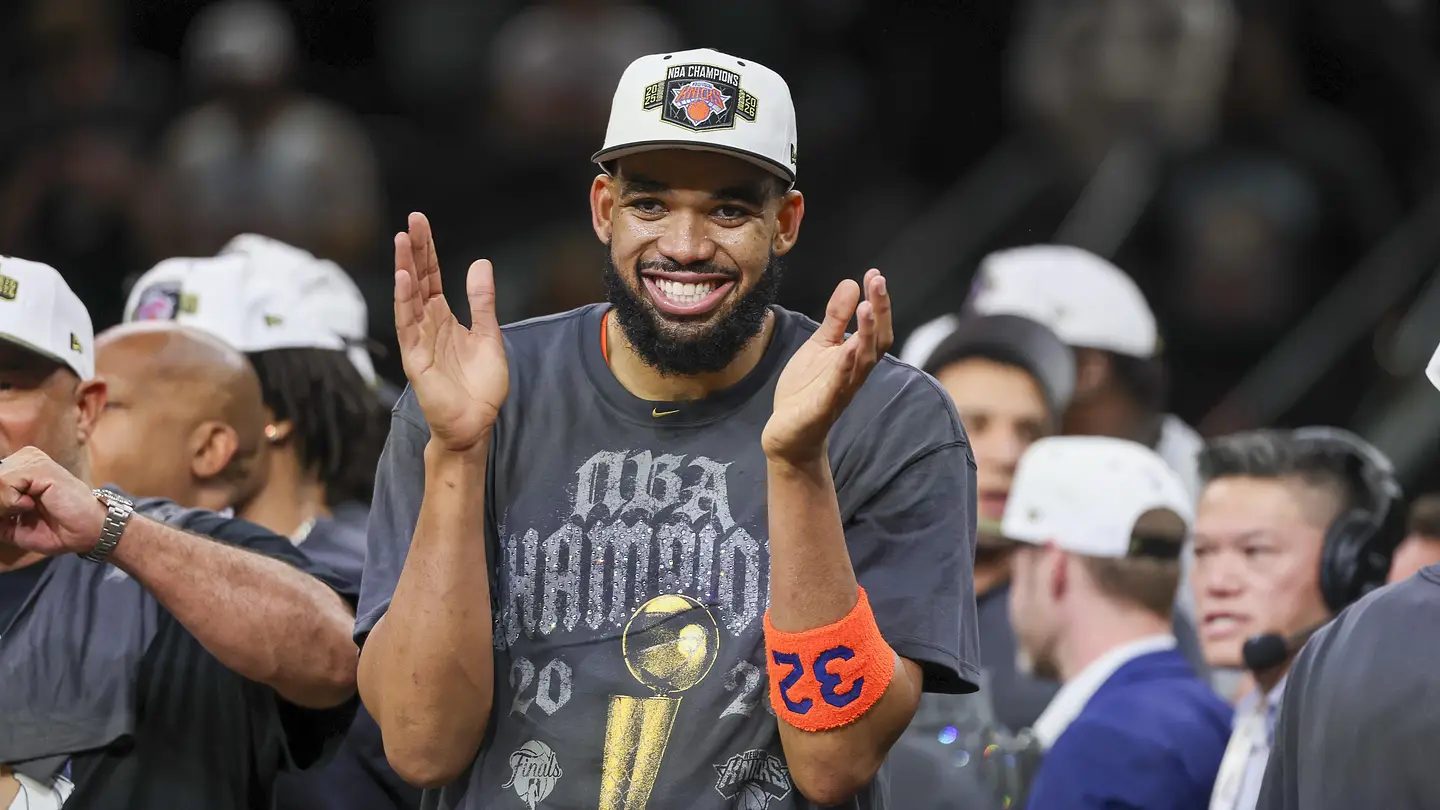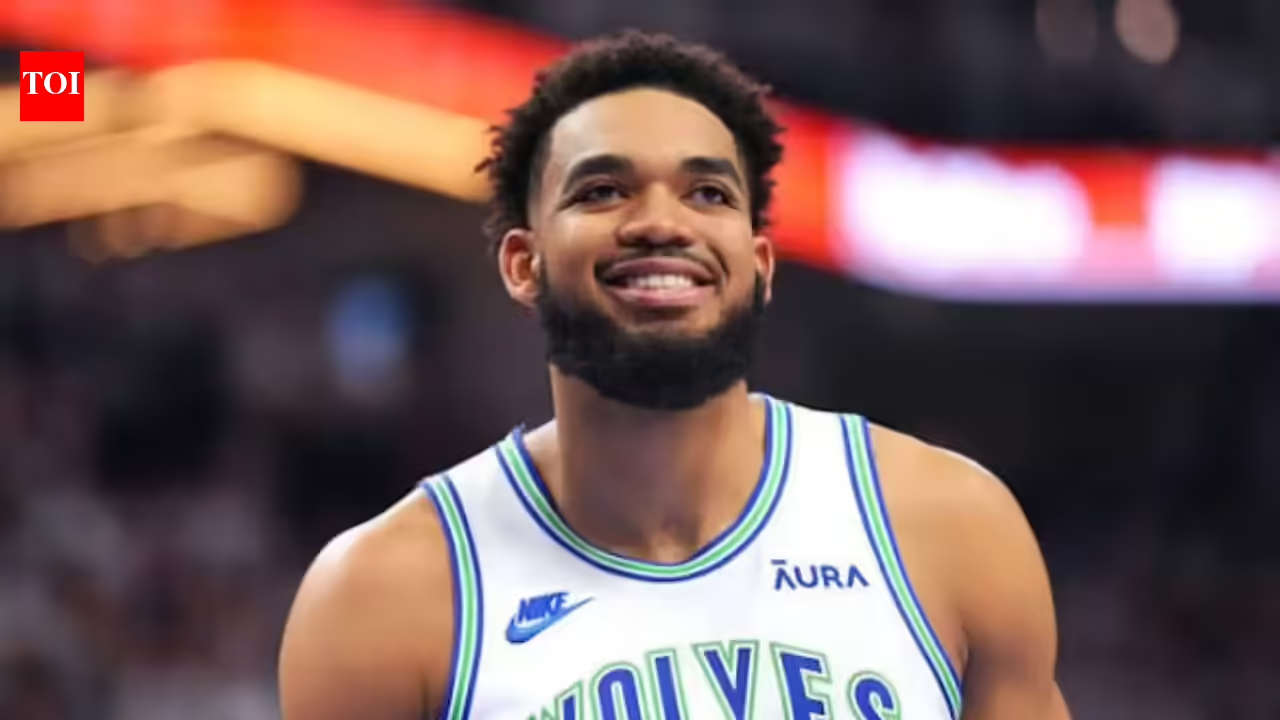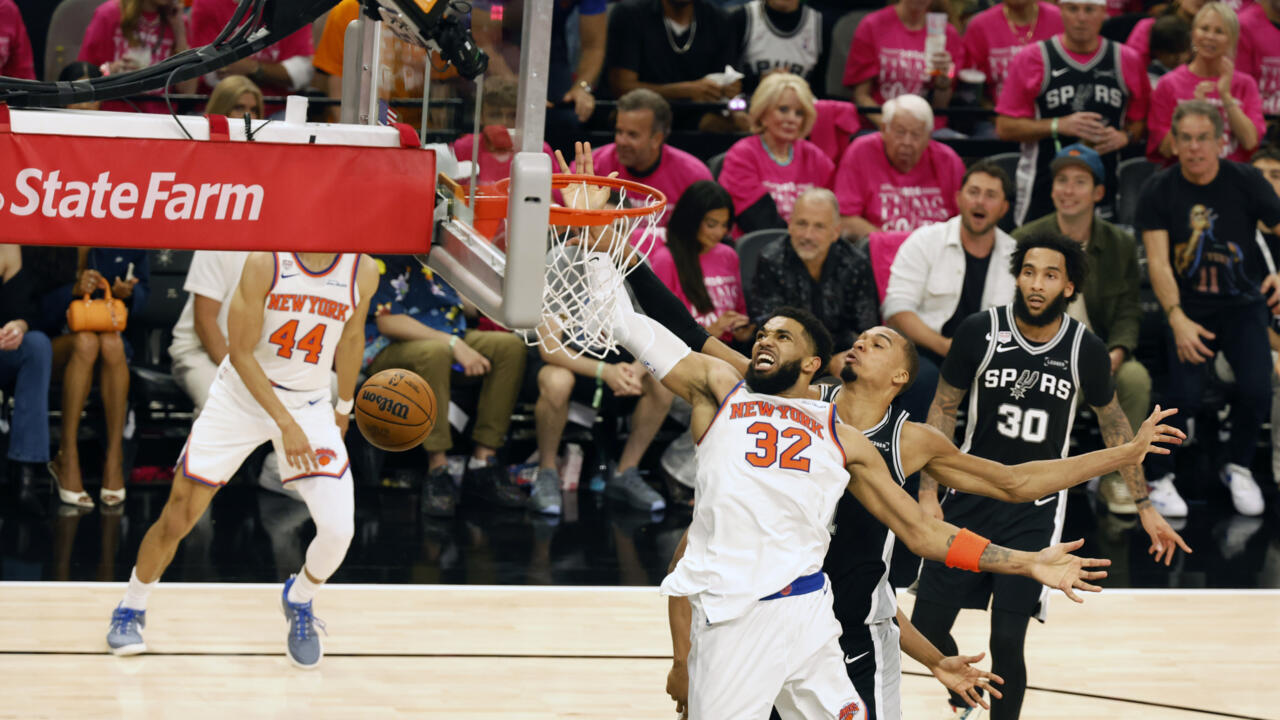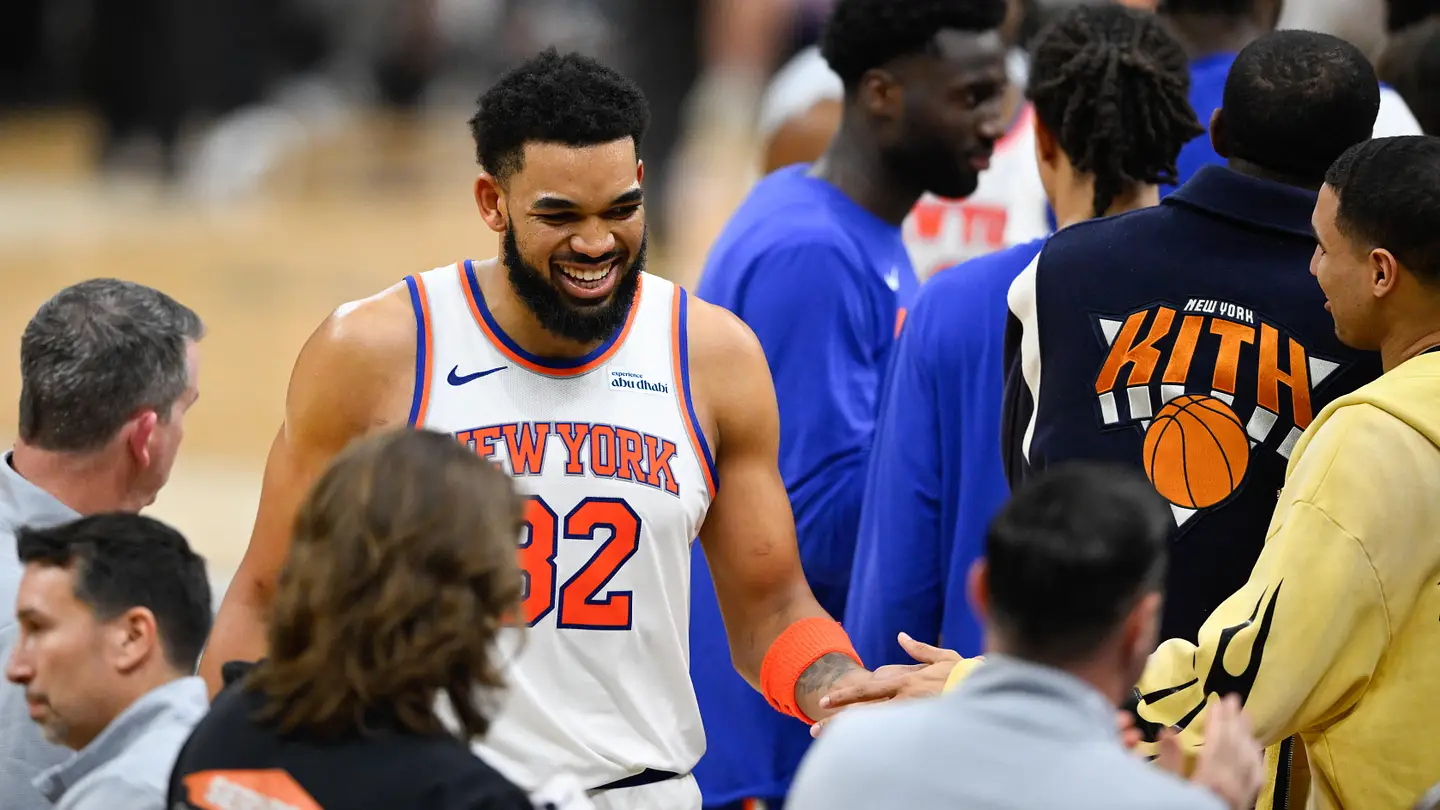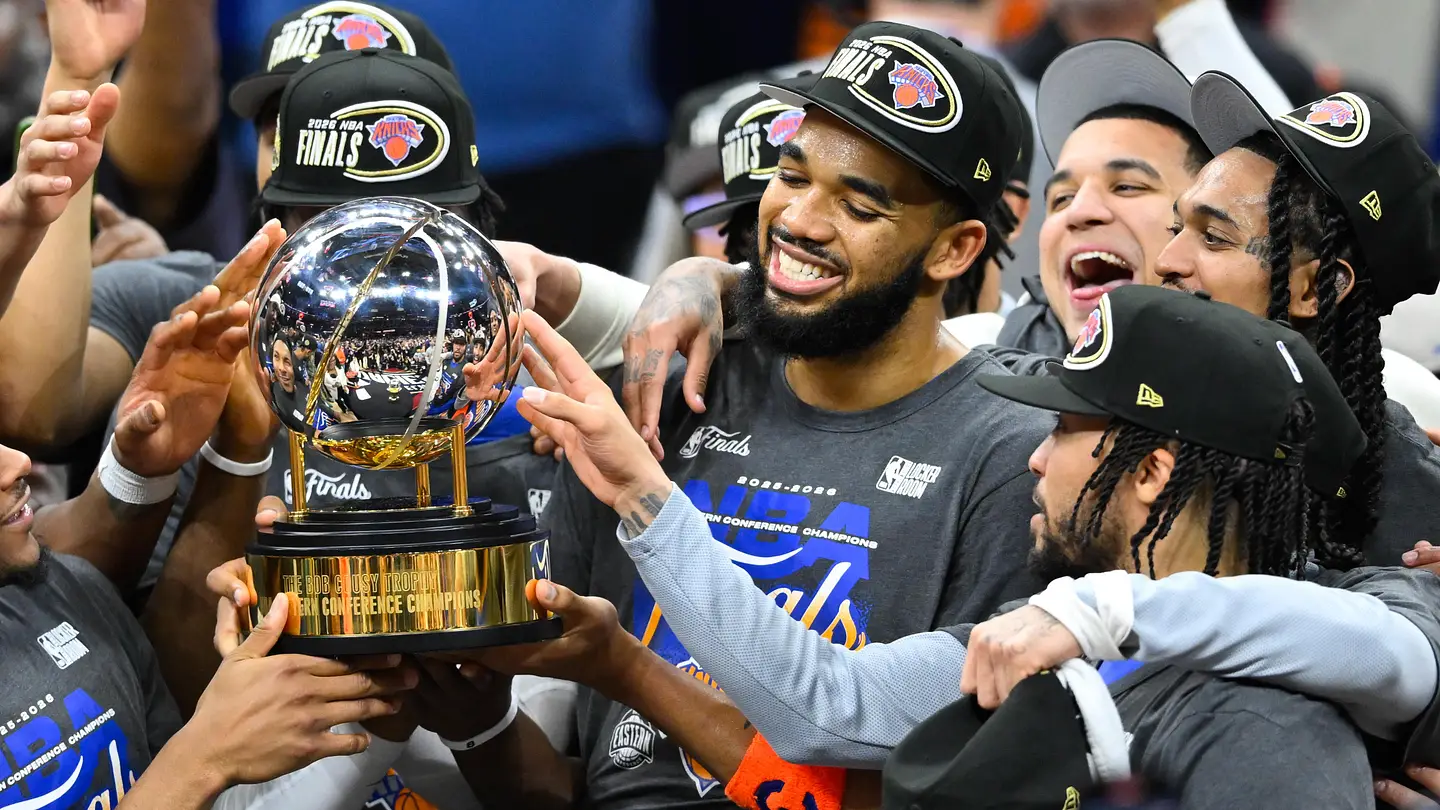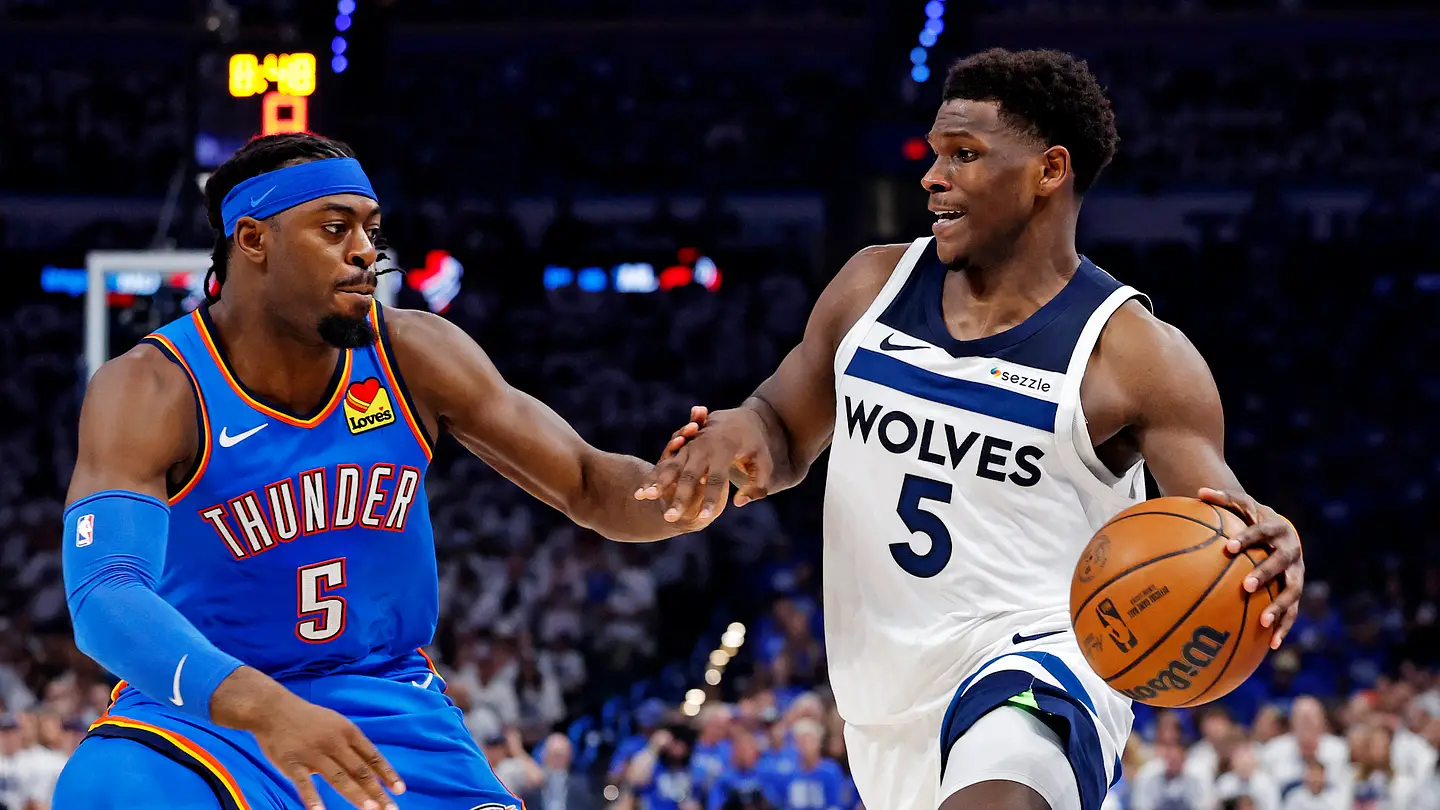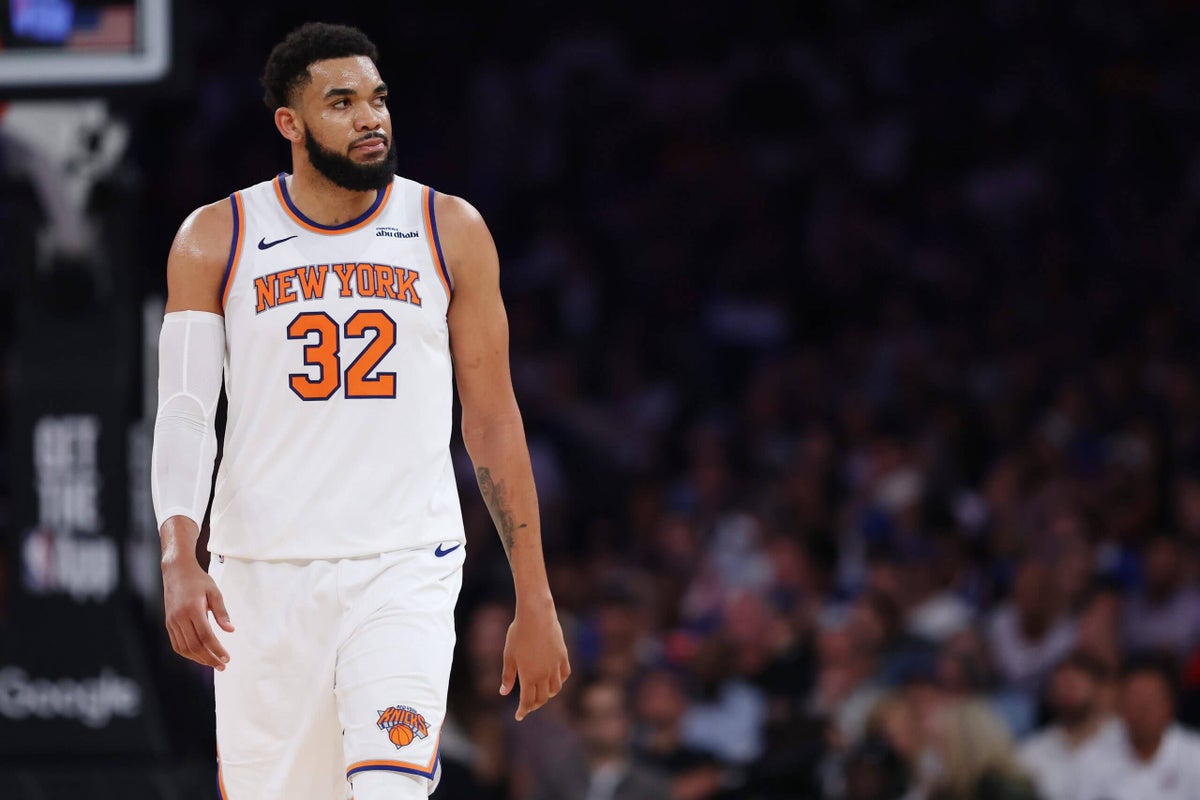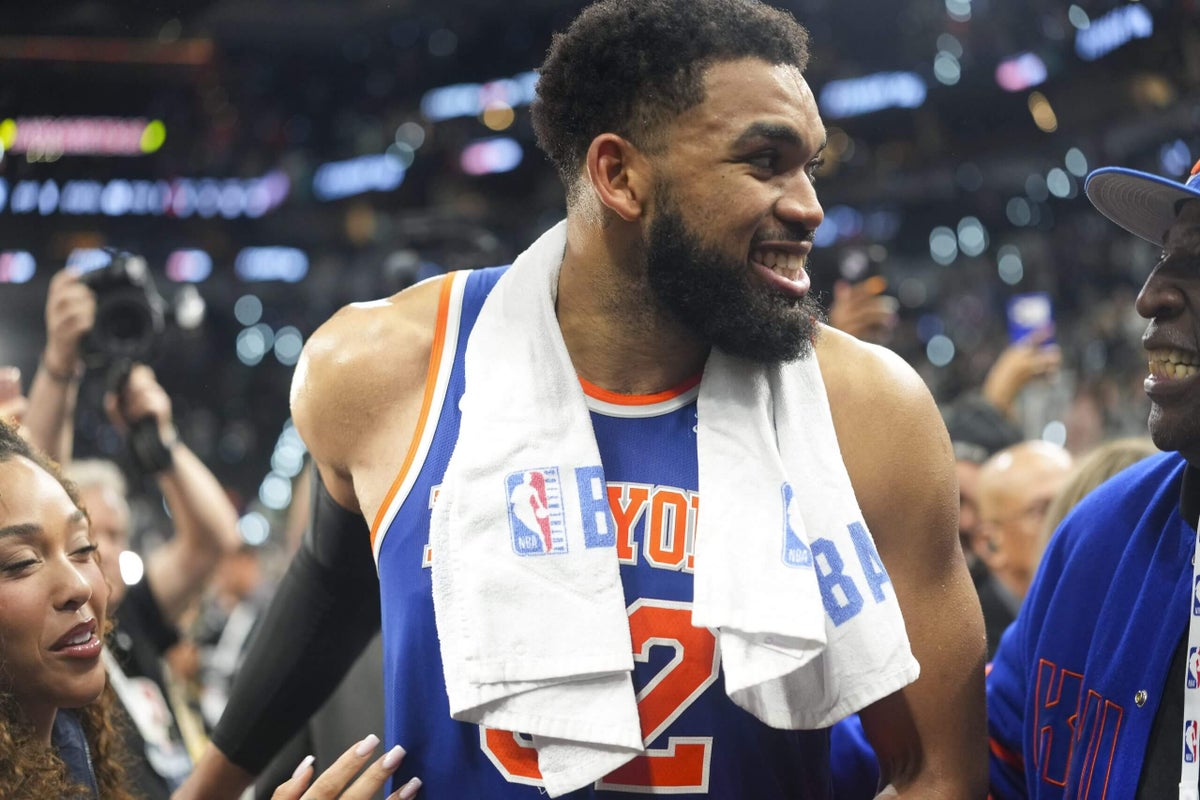
It’s a few days after Christmas in 2017, and the Minnesota Timberwolves have just blown a 20-point lead to the Milwaukee Bucks, snapping a five-game winning streak. Timberwolves coach Tom Thibodeau is frustrated as he speaks outside his team’s locker room inside the BMO Harris Bradley Center. His young team had just blown a game it should have won. Inside the locker room, Karl-Anthony Towns, then in his third NBA season, explained that the reason his Timberwolves lost on this cold Midwestern night was, in part, due to a higher power.“You play with fire too much, the basketball gods don’t like that,” Towns said that night. “We could have did a lot of things differently to win this game, especially with the lead that we had, but we played with fire one too many times, and it burnt us.”It was a curious answer from a young player still trying to find his way night after night in the meat grinder of an 82-game regular season. Instead of blaming defensive breakdowns and mental lapses, the 22-year-old chalked it up to forces beyond his team’s control.A few moments later, in front of Jimmy Butler’s locker, a small group of reporters asked the All-Star forward if there was any merit to Towns’ theory that part of the reason the Timberwolves didn’t win was that the “basketball gods” didn’t want them to.Butler, in his first season with the Timberwolves, paused for a moment before offering a short answer.“Next question,” the All-Star forward said.Almost nine years later, Towns, now 30, sits just one win away from the New York Knicks’ first NBA championship in 53 years. Alongside Jalen Brunson, he has become one of the most important players on an NBA Finals team and is in the midst of a career-altering stretch that could forever change the narrative that has followed him for much of his NBA career.Back then, however, the perception around Towns was very different.It had only been a few months since Butler arrived in Minnesota after an offseason trade from the Chicago Bulls, but the fit between him and the Timberwolves’ prized young core of Towns and Andrew Wiggins was not going smoothly. There was never a question about the pair’s talent. As former No. 1 picks, Towns and Wiggins regularly displayed the type of skills that set them apart.The question from Butler, and many others in and around the organization at the time, was whether either player was willing to put in the requisite work to become the kind of championship-level stars their talent suggested they could be. After Butler’s news conference ended that night, he turned to a Timberwolves PR staffer with a question of his own.“Do y’all have media training here?” Butler said.The PR person said they did.“Can you get that big motherf—er some media training?” Butler replied. “Basketball gods?”Butler shook his head with a combination of disbelief and frustration and headed out of the locker room shortly thereafter.The exchange offered a glimpse into how many people viewed Towns during much of his career, especially the early years. The talent was there, but questions about his maturity, toughness and ability to win at the highest level lingered. Even as he evolved into one of the league’s most gifted big men, the labels followed him.Towns’ path to the finals mimics the one Wiggins walked four years ago, when Wiggins became the second-best player on a Stephen Curry-led Golden State Warriors team that beat the Boston Celtics in the NBA Finals. In a new setting, surrounded by a different culture and different expectations, Wiggins elevated his game when his new team needed him most — to the tune of 16.5 points and 7.5 rebounds a game in 22 playoff contests, all of which he started, averaging about 35 minutes a game.The Timberwolves always believed Wiggins possessed that level of ability. What they never saw consistently was that version of him when the stakes were high. Towns is following in those same footsteps.As No. 1 picks, both were expected to become the player everything revolved around. Instead, Wiggins and Towns found something else: a chance to thrive alongside another superstar and remind everyone why they were so highly regarded in the first place.The difference is that Towns, in his 11th NBA season, entered the league with greater expectations and built a more decorated resume. A six-time NBA All-Star, Towns has averaged 22.8 points and 11.1 rebounds a game over his career and established himself as one of the best offensive centers the NBA has ever seen. Yet, so much of the conversation surrounding him focused on what he hadn’t done rather than what he accomplished. Now he has an opportunity to challenge those beliefs on the sport’s biggest stage.Towns comes into Game 5 averaging 16.7 points, 10.6 rebounds and 5.2 assists during the postseason. He was the aggressor over the first two games, both Knicks wins, in his matchup against 22-year-old San Antonio Spurs’ sensation Victor Wembanyama. As Wiggins did during Golden State’s title run, Towns has lifted the level of his own game at various points in the postseason.The problem for Towns is that Game 3 — and much of Game 4 — reinforced the labels that have followed him throughout his career. He scored just 11 points on 4-of-10 shooting in Game 3, then battled foul trouble for much of Game 4 before finishing with 13 points and 10 rebounds in 26 minutes. Still, as Wiggins did before him, Towns came through in the biggest moments. His five fourth-quarter points helped fuel the Knicks’ comeback from 29 down, and his defensive tip of a Dylan Harper inbounds pass with 1.2 seconds remaining preserved one of the most memorable finals games ever played.Labels can change, but consistency is what usually changes them.These are the same lessons that Wiggins offered skeptics four years ago during his own title run. Sometimes a change of scenery can make the difference. Sometimes a player needs different teammates or coaches. Sometimes he needs a different set of expectations to become the best version of himself. In this case, it was two talented players — who once stood at the top of their respective draft classes — who eventually reminded everybody just how good they were. It just took a little longer than expected.The opportunity remains in front of Towns. Will he follow it? With one more win — and one more strong performance — Towns will live in Knicks history forever as one of the central figures behind this franchise’s first title in more than five decades.Not bad for a guy who once blamed a loss on the basketball gods.With one more win, he’ll be a New York basketball god himself. Without it, some of the narratives that have followed him throughout his career will become even harder to shake.
Do the basketball gods have a different plan for Karl-Anthony Towns?
For years, the labels followed Karl-Anthony Towns. Now he has a chance to leave them behind.
TL;DRAI
L'articolo riguarda **basketball** (Karl-Anthony Towns, NBA Finals), non tech/AI/business — non rientra nel tema editoriale di Warptech Tech News. Se si tratta di un errore di incolla e vuoi un riassunto tech, ricondividi l'articolo corretto. Se invece vuoi comunque il riassunto sportivo in stile Warptech (come test del formato), fammi sapere e lo produco, ma sarà fuori tema per la testata.
1,134 words~5 min read