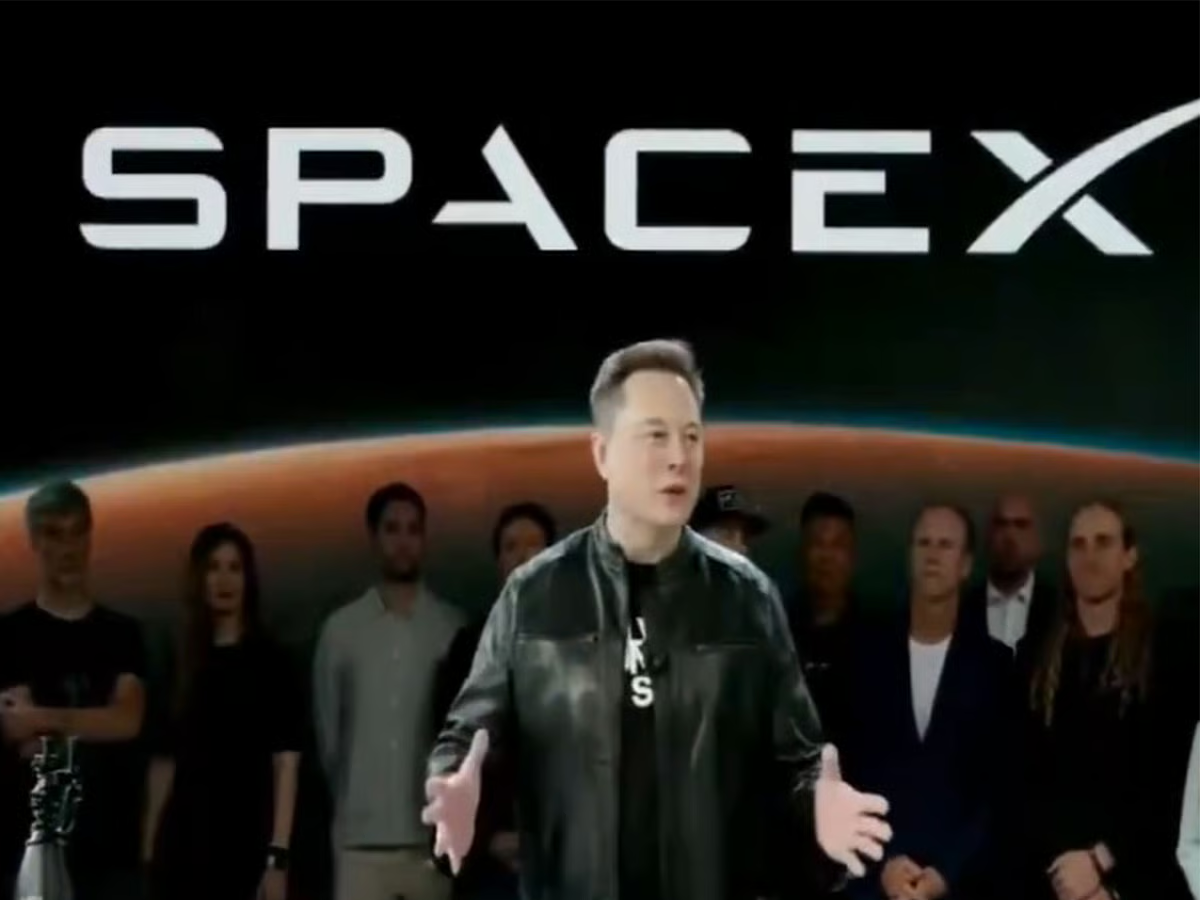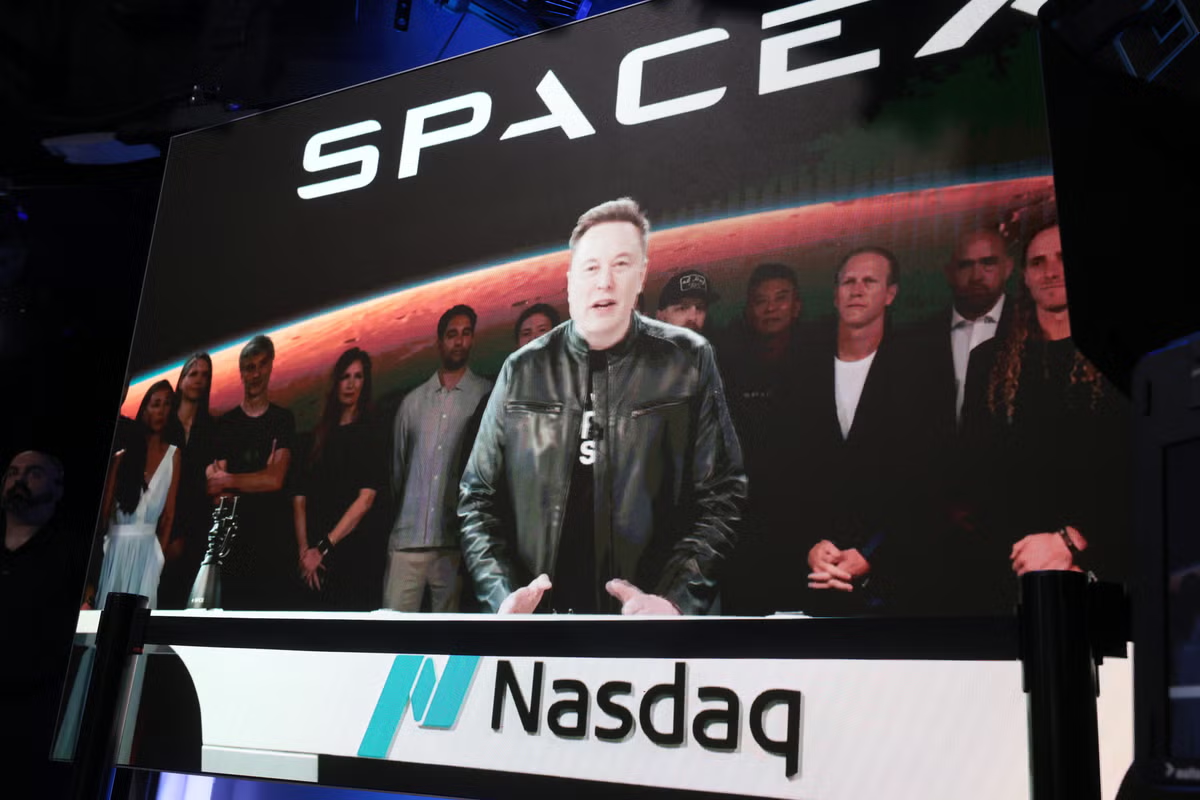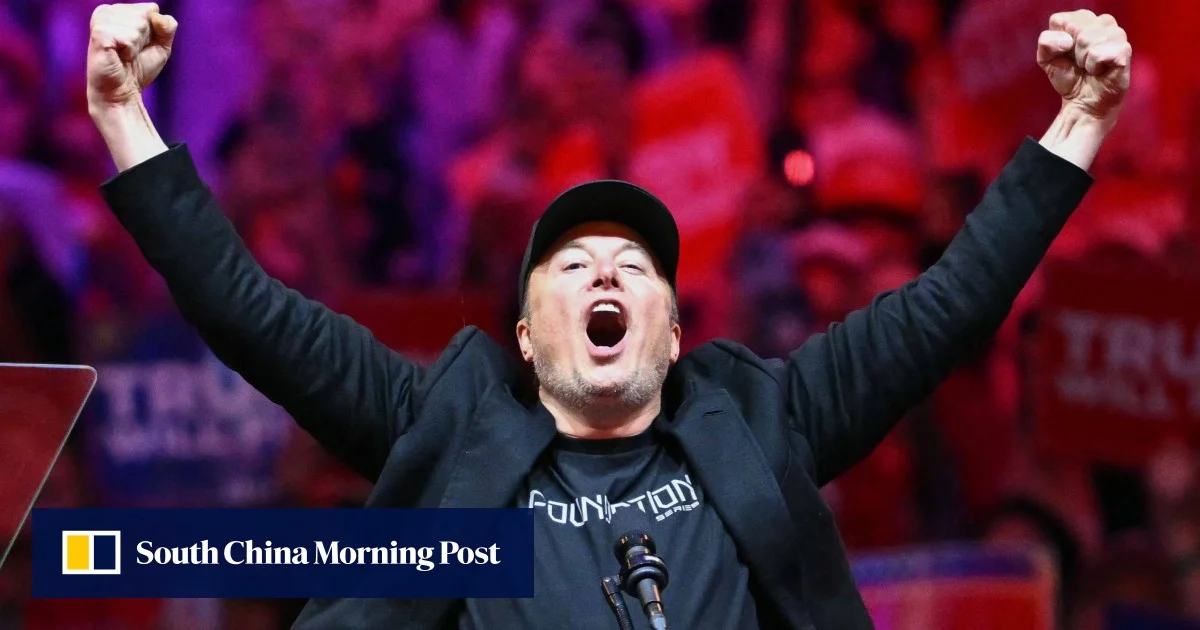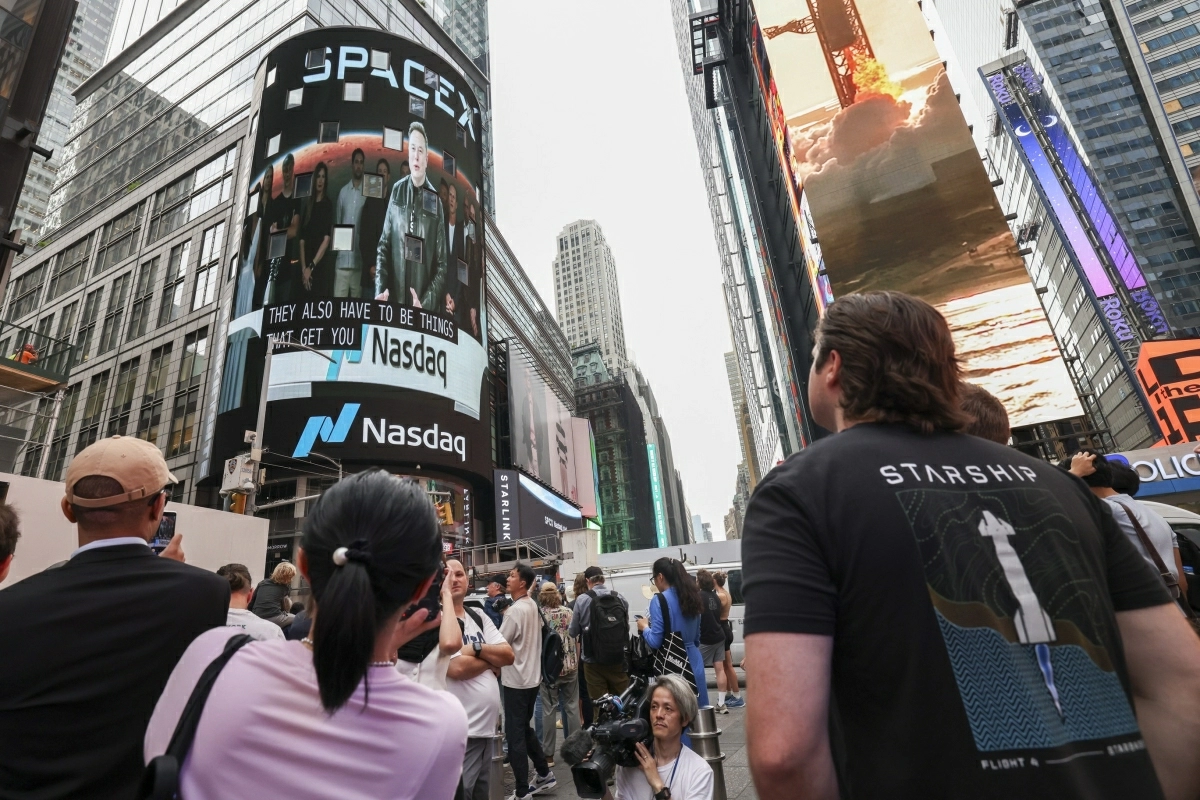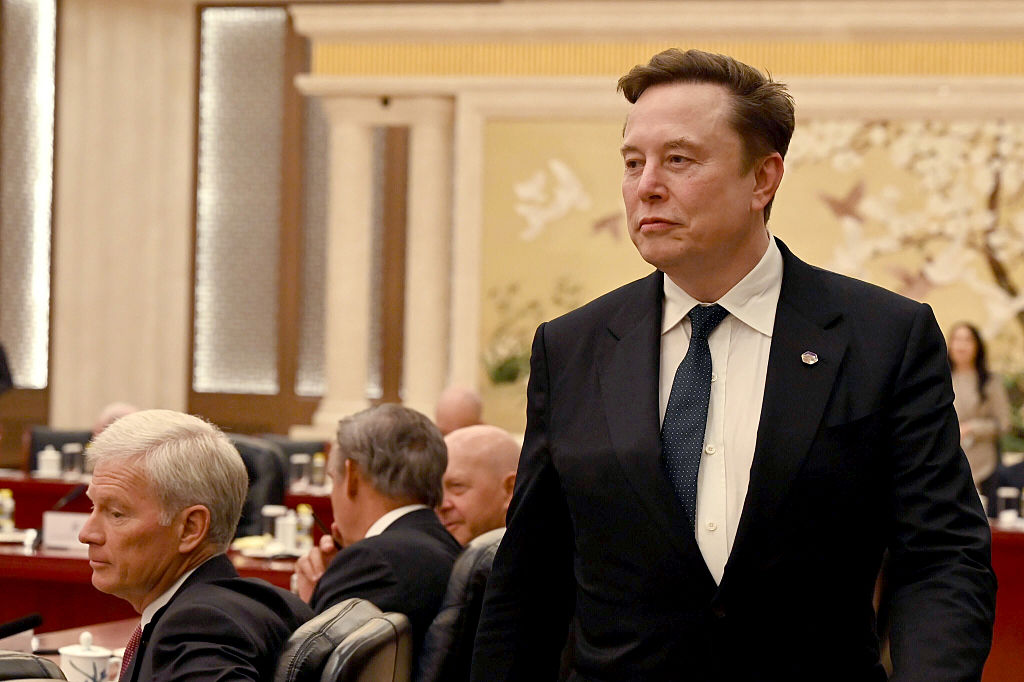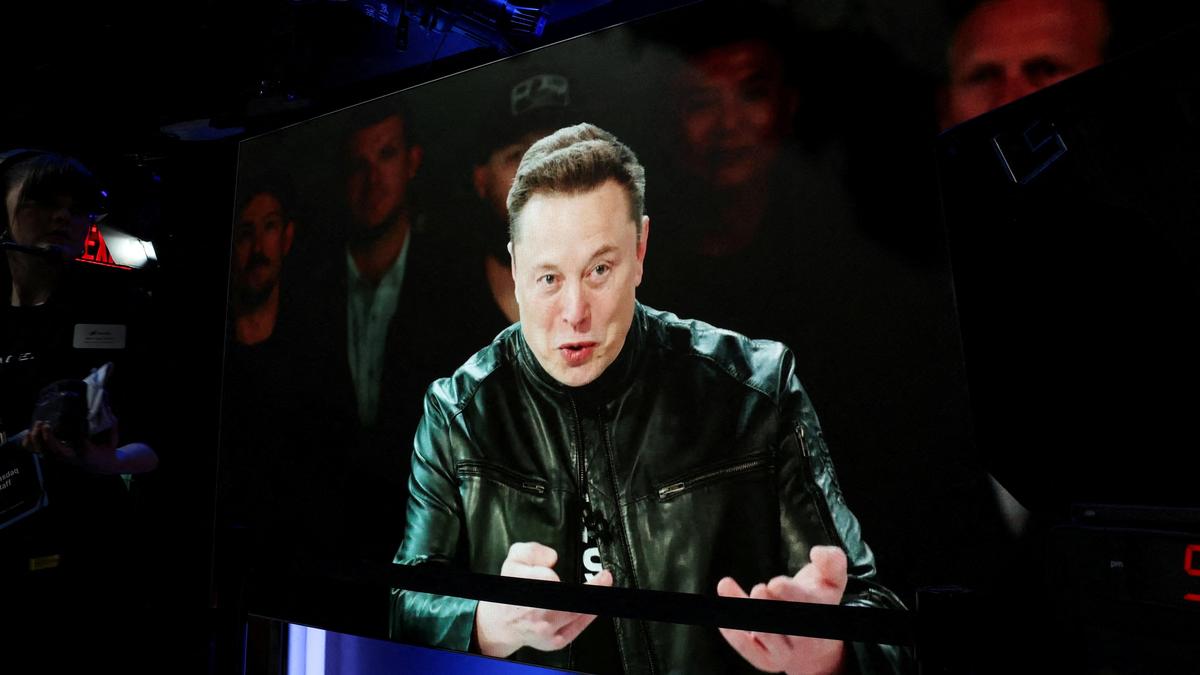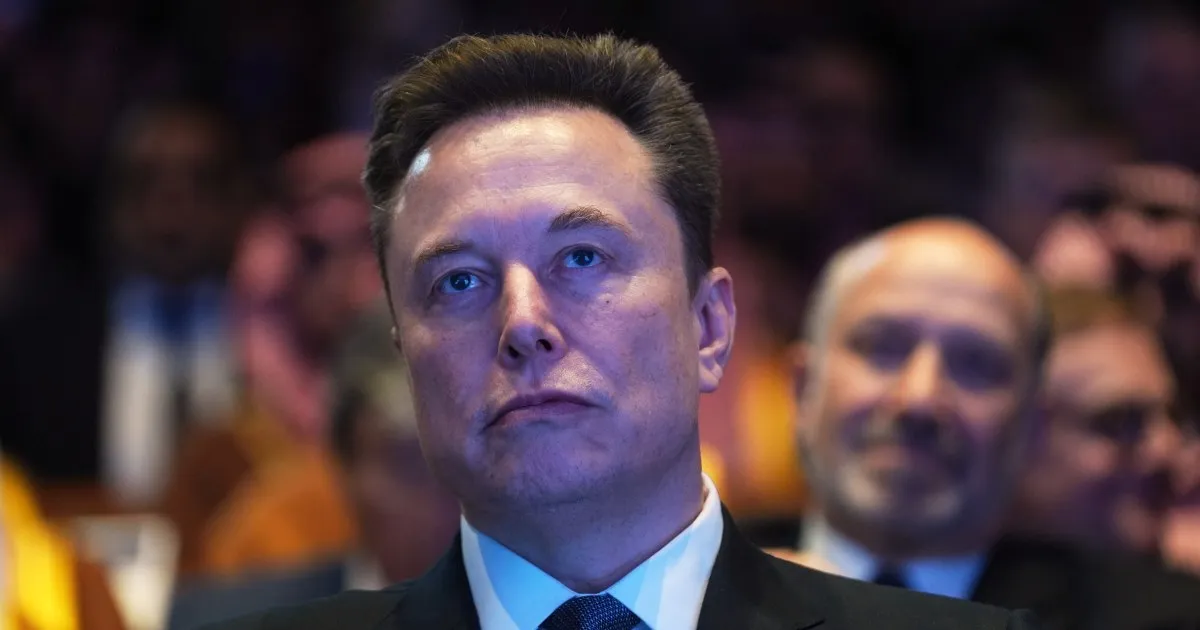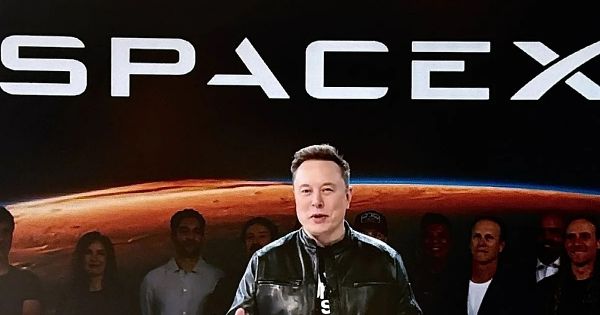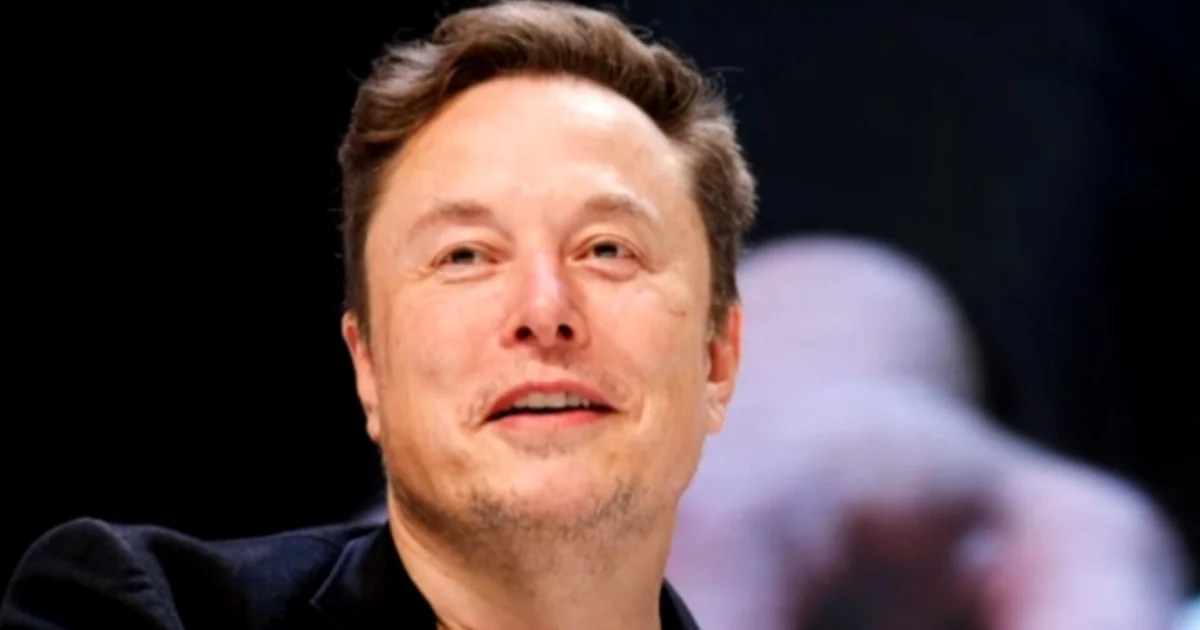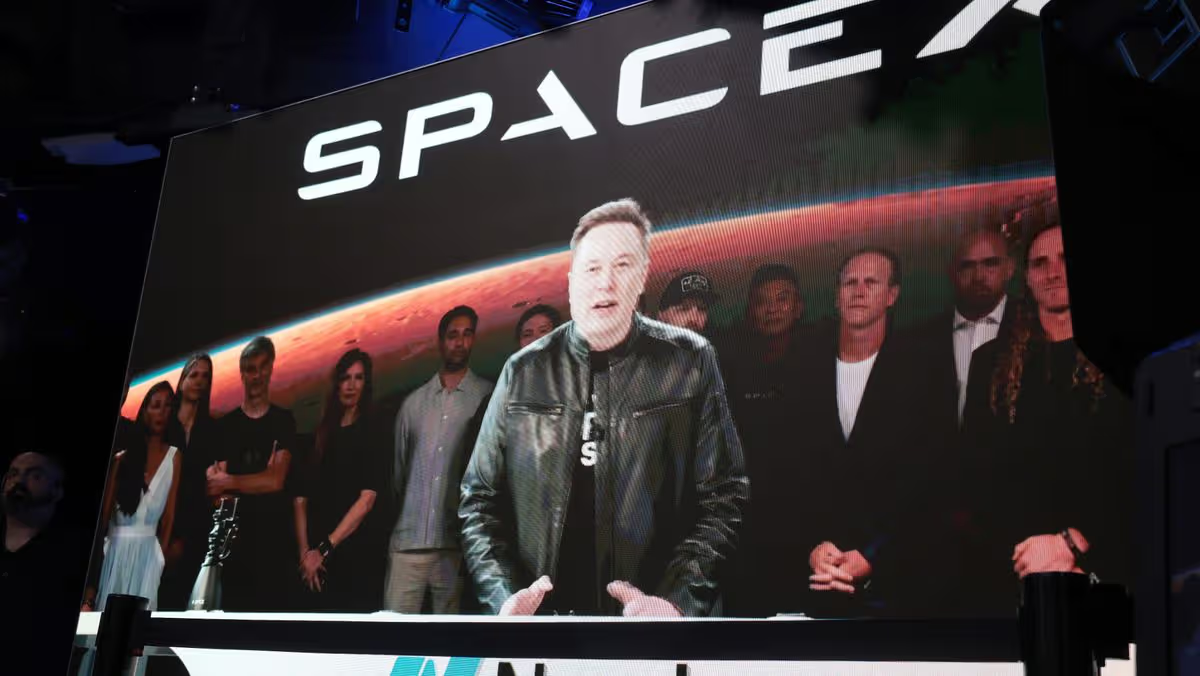
Surge in SpaceX's share price catapults Musk's wealth to astronomical level - but charity Oxfam calls it “a dark day for global democracy”.16:47, 11 Jun 2026Updated 17:53, 12 Jun 2026Tycoon Elon Musk has become the world's first trillionaire after shares in his SpaceX empire rocketed on its blockbuster stock market debut.Musk, already the world's richest person, controls 42% of the space exploration and artificial intelligence company. Combined with his stake in electric car maker Tesla, the leap in SpaceX's value saw the 54 year-old personal wealth pass the $1trillion mark.Ringing the bell to start trading on the Nasdaq, Musk said: "It's hard to believe that a little company that started in a warehouse in El Segundo is going public in the biggest IPO (initial public offering) ever. If people told me this was going to happen (I'd say) man you're smoking some real good crack because I think this is going to fail. I gave SpaceX a 10% chance of succeeding at all. In fact I told people this: it is probably going to fail, but, you know, we should give it a try."The controversial businessman has extended his wealth gap over billionaires such as Amazon's Jeff Bezos, and Larry Page and Sergey Brin, the co-founders of Google.However, Oxfam has also seized on the staggering figures, with the charity calling Musk’s expected trillionaire status “a dark day for global democracy”. According to its analysis, his wealth would then exceed that of the poorest 3.8 billion people on Earth – 46% of the global population.ShareX's shares surged by a fifth to $165 in early trading on New York's Nasdaq index, before easing to $150. They remained well above the $135 starting price. It gave the company a stock market value of around $2trillion (£1.5trillion).SpaceX had revealed sold $75billion (£55bn) worth of shares priced at $135 (£100) each. Despite the business being heavily making, there was a scramble for shares, with the sale three or four times over subscribed.SpaceX is now a conglomerate that includes everything from space rockets and Starlink satellites to artificial intelligence and X, formerly known as Twitter.Around 20% to 25% of the stock was expected to be made available to retail investors, as opposed to institutions. In other IPOs the number is often more like 5% or 10%. But in a sign of the appetite, around £75billion worth or orders came from armchair investors. Those in the UK bought around 2.7 million shares in the deal, according to Marex Financial.And while the IPO is happening in New York, investment platforms in the UK have offered Brits the chance to buy SpaceX shares. Millions of other ordinary people are also set to become part-owned, indirectly at least, because of the way their pension fund automatically invests their money.Dan Coatsworth, head of markets at broker AJ Bell, said: “The tens of thousands of retail investors who took the risk of buying shares in SpaceX’s IPO offer will be grinning like a Cheshire Cat. Someone who bought 20 shares in the IPO offer this week would have invested £2,013. Those shares are now worth £2,236, meaning they’ve already made a £223 paper gain. They won’t lock in a profit until the shares are sold, and for more than they paid. In contrast, it would take someone with £2,013 in the bank more than two years to make the same return based on the best-buy cash rate in the market."The share sale was the biggest in history. The sale breaks the previous record for the largest-ever IPO held by state-run oil giant Saudi Aramco, which raised £19billion on Riyadh's exchange in December 2019, valuing it at almost £1.3trillion.SpaceX is the first of a trio of companies that are set to join the stock market with a value of more than $1trillion, with AI rivals Anthropic and OpenAi due to follow suit.Mike Ambery, retirement savings director at Standard Life, said: “Big-name IPOs like SpaceX can capture the imagination, but for many pension savers the key question isn’t always whether to invest directly, it’s whether they may already have exposure, or could gain it over time without needing to take any action."Most workplace pensions are invested in diversified funds, often with a strong weighting towards global markets. When a company of this size becomes part of major indices like the Nasdaq-100, it can quickly find its way into tracker funds and default pension investments, meaning millions of savers could gain exposure automatically.“SpaceX may not be the only example for long. With other high-profile listings potentially ahead, including AI giants OpenAI and Anthropic, we could see a wave of large, influential businesses entering public markets, with similar implications for how pension savings are invested.“That reflects a wider shift in how investing works today. With so many people saving through index‑tracking funds, large new companies entering the market can become part of everyday portfolios relatively quickly, sometimes without savers even realising. It’s a useful reminder that your pension isn’t just a collection of individual shares, it’s a diversified investment that evolves over time as the global market changes.”Those buying into the firm are in part backing Musk himself to spearhead a colossal surge in its revenues, largely driven by its promises on the future prospects from AI. SpaceX boldly claims that it has a market opportunity of more than £21trillion.Susannah Streeter, chief investment strategist at investment service Wealth Club, said: “Shares look set for a big pop as trading begins on the Nasdaq, given the frenzy surrounding the launch.“Demand from investors is reported to be four times greater than the number of shares available in the offering. But it could trigger yet another wave of erratic buying and selling across the tech sector. We are already seeing some repositioning of portfolios as eager investors free up money to gain exposure.”Despite the mind-blowing numbers involved, some have questioned SpaceX’s colossal price tag.MorningStar, an independent research firm, reckons SpaceX’s shares are worth around $63, far less than the $135 they fetched.Michael Field, its chief equity strategist, said: “Investors are naturally excited about the SpaceX IPO, but with investment bankers suggesting a $1.75trillion valuation, we believe it’s overvalued. Investors should sit this one out and wait for a more attractive entry point down the line.“We believe the business has real strengths, particularly in Starlink, but with so many unknown and untested technologies underpinning much of the valuation price, particularly within the AI business, we think the valuation is extremely speculative.”Article continues belowJean Mclean, chief influencing officer at Oxfam GB said: “The emergence of the world’s first trillionaire should be a wake-up call. A trillionaire is not a sign of a healthy economy - it is a sign that extraordinary wealth and power are being concentrated in the hands of a tiny few while millions of people struggle to afford the basics. This is a dark day for global democracy.“While millions across the world and in the UK struggle with the cost of living and continue to be told there is no money for critical services like schools and healthcare, billionaire fortunes keep growing at staggering speed. People increasingly understand that this level of inequality is not inevitable - it is the result of political choices about who our economies are designed to work for.”
Elon Musk becomes world's first trillionaire as SpaceX's share price rockets
Surge in SpaceX's share price catapults Musk's wealth to astronomical level - but charity Oxfam calls it “a dark day for global democracy”.
1,205 words~5 min read