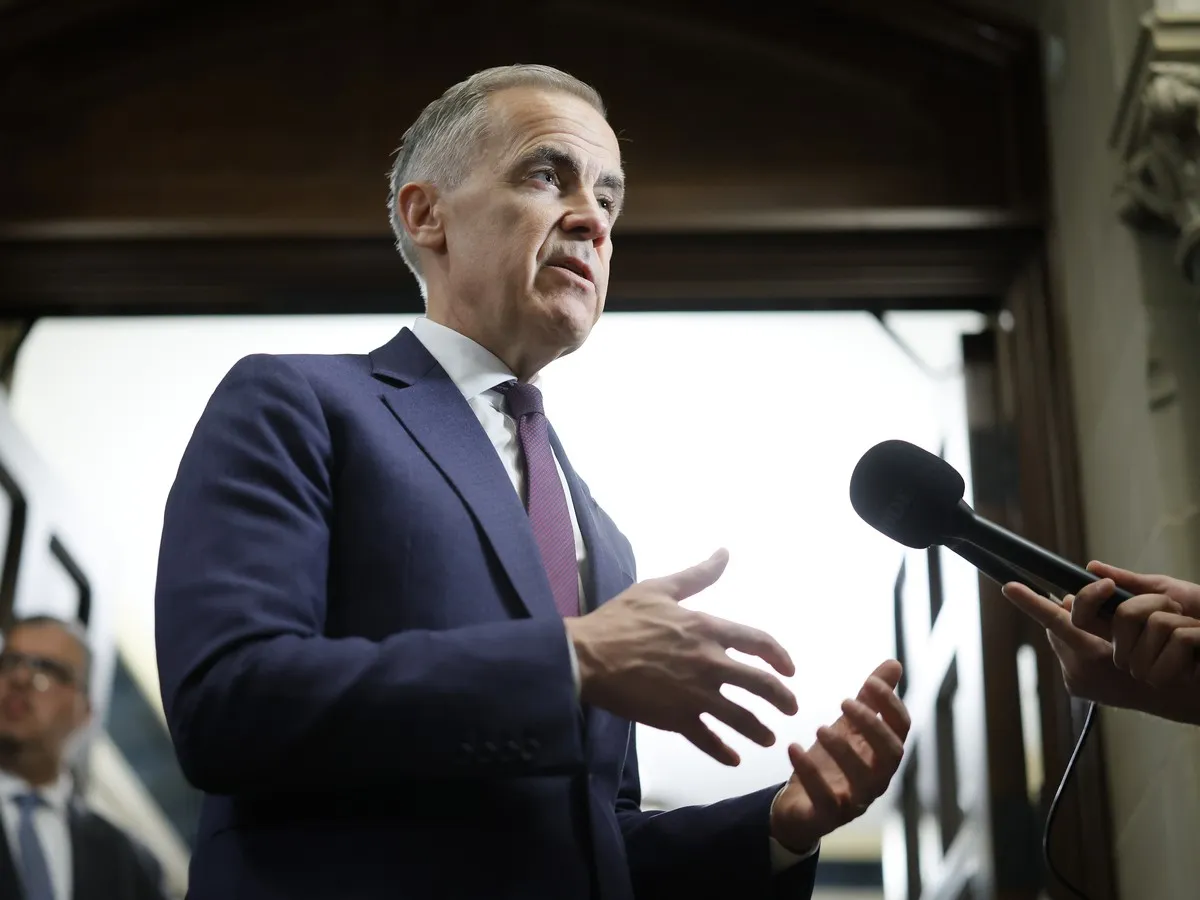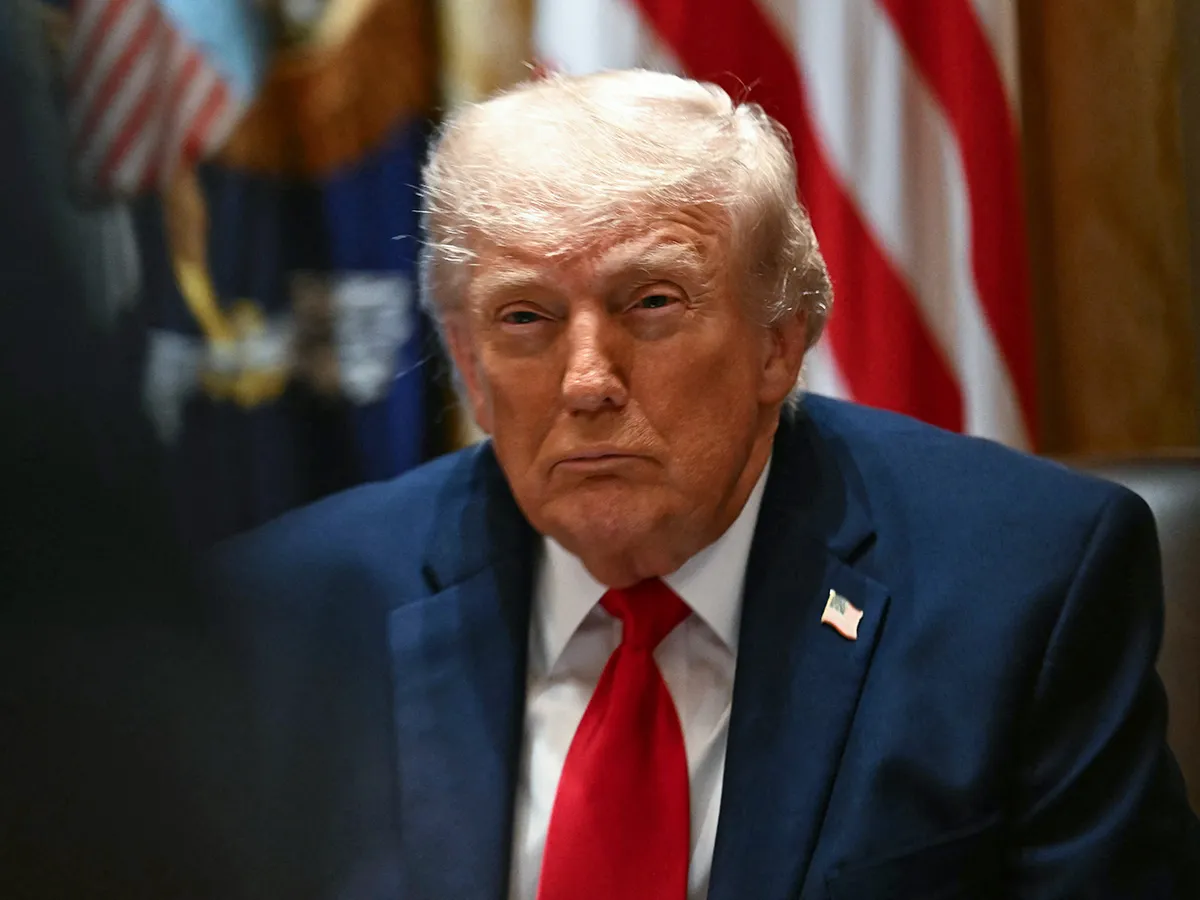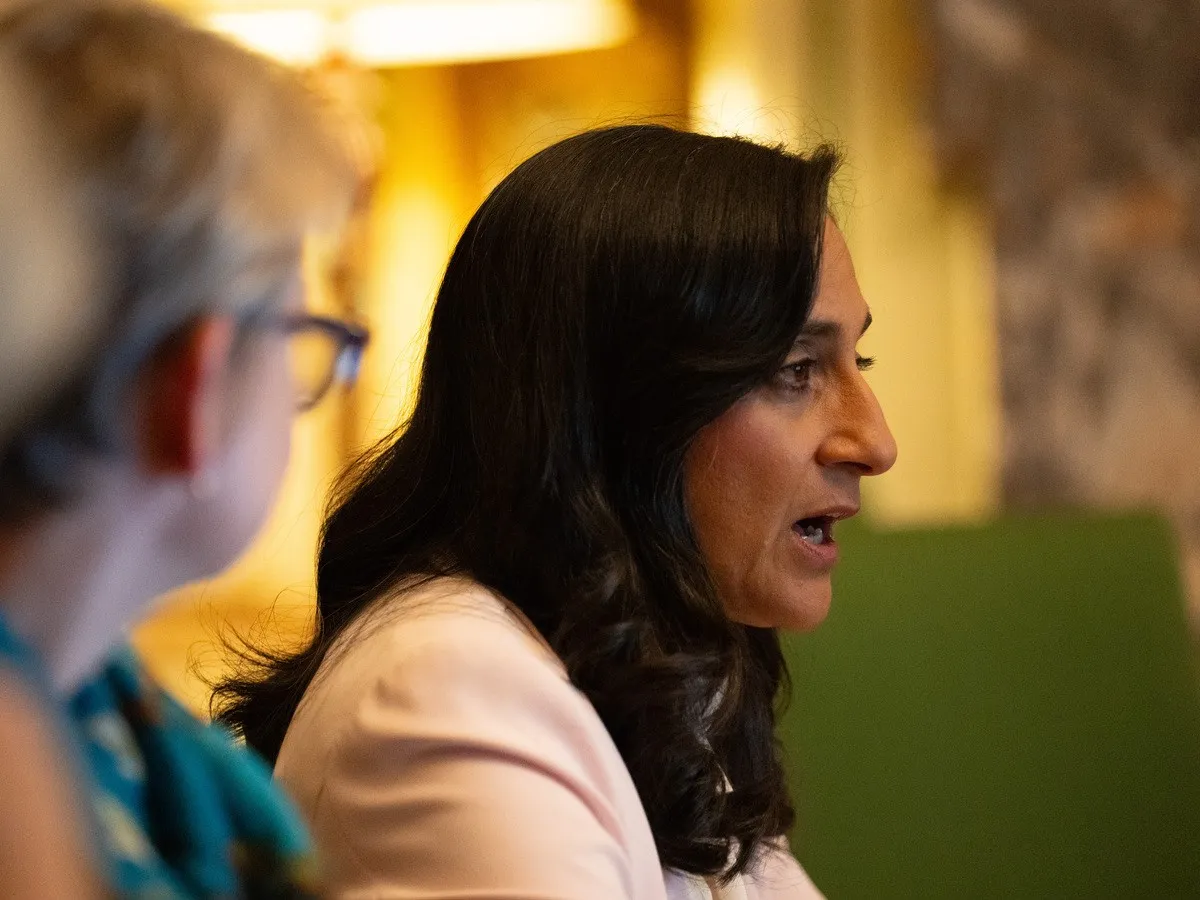
Skip to Content Subscribe Our Offers My Account Manage My Subscriptions FAQ Newsletters Canada Canadian True Crime Canadian Politics Health World Israel & Middle East Financial Post NP Comment Longreads Puzzmo Diversions Comics NP News Quiz New York Times Crossword Horoscopes Life Eating & Drinking Style Sponsored Play for Ontario Travel Travel Canada Travel USA Travel International Cruises Travel Essentials Culture Books Celebrity Movies Music Theatre Television Business Essentials Advice Lives Told Tails Told Shopping Buy Canadian Home Living Outdoor Living Kitchen & Dining Tech Style & Beauty Personal Care Entertainment & Hobbies Gift Guide Travel Guide Amazon Prime Day Deals Savings National Post Store More Sports Hockey Baseball Basketball Football Soccer Golf Tennis Driving Vehicle Research Reviews News Gear Guide Obituaries Place an Obituary Place an In Memoriam Classifieds Place an Ad Celebrations Working Business Ads Archives Healthing Epaper Manage Print Subscription Profile Settings My Subscriptions Saved Articles My Offers Newsletters Customer Service FAQ Newsletters Canada World Financial Post NP Comment Longreads Puzzmo Diversions Life Shopping Epaper Manage Print Subscription HomeNewsCanadian PoliticsOttawa responds to U.S. tariff threat by tabling bill on forced labourPrime Minister Mark Carney said the government had been looking at ways to 'reinforce' its current regime You can save this article by registering for free here. Or sign-in if you have an account.Canadian Foreign Minister, Anita Anand, speaks as she sits with Britain's Foreign Secretary, Yvette Cooper and Australian Minister for Foreign Affairs, Penny Wong for a video meeting with Olena Zelenska, the First Lady of Ukraine, at Chevening House on June 11, 2026 in Sevenoaks, England. Photo by Carl Court /Getty ImagesOTTAWA — The federal government will be tabling a bill in the coming days to respond to U.S. President Donald Trump’s new tariff threats on forced labour imports.Enjoy the latest local, national and international news.Exclusive articles by Conrad Black, Barbara Kay and others. Plus, special edition NP Platformed and First Reading newsletters and virtual events.Unlimited online access to National Post.National Post ePaper, an electronic replica of the print edition to view on any device, share and comment on.Daily puzzles including the New York Times Crossword.Support local journalism.Enjoy the latest local, national and international news.Exclusive articles by Conrad Black, Barbara Kay and others. Plus, special edition NP Platformed and First Reading newsletters and virtual events.Unlimited online access to National Post.National Post ePaper, an electronic replica of the print edition to view on any device, share and comment on.Daily puzzles including the New York Times Crossword.Support local journalism.Create an account or sign in to continue with your reading experience.Access articles from across Canada with one account.Share your thoughts and join the conversation in the comments.Enjoy additional articles per month.Get email updates from your favourite authors.Create an account or sign in to continue with your reading experience.Access articles from across Canada with one accountShare your thoughts and join the conversation in the commentsEnjoy additional articles per monthGet email updates from your favourite authorsSign In or Create an AccountorForeign Affairs Minister Anita Anand put a bill entitled “An Act respecting the prohibition of the importation of goods produced by forced labour” on notice on Wednesday.Government bills are usually put on notice at least 48 hours before they are introduced in the House of Commons, so it could be tabled as soon as Friday.Officials in Anand’s office were not immediately available to explain what this legislation would entail, but Prime Minister Mark Carney said the government had been looking at ways to “reinforce” its current regime to better stop imports of slavery-made goods.The government has been forced to respond to this issue after the Trump administration said that several countries, including Canada, will be hit with 10 per cent additional tariffs for failing to effectively enforce their respective bans on imports made with forced labour.Canada already has an import prohibition on goods that are manufactured or produced wholly or in part by forced labour, through an amendment to its customs tariff in compliance with the Canada-United States-Mexico Agreement (CUSMA).But the U.S. is arguing that Canada has done too little to stop those imports, pointing to publicly accessible information that shows that, since 2020, only two imports coming into the country were determined to have been produced using forced labour.In total, 50 shipments were either intercepted or detained. A spokeswoman for Canada Border Services Agency (CBSA), Karine Martel, said those shipments consisted of solar panels, automotive parts, textile goods, agricultural products and frozen seafood.The two that were found to have been produced with forced labour were a 2024 shipment containing textile products and a 2025 shipment containing frozen seafood, said Martel, adding that both came from China.“The remaining shipments were either permitted entry upon receipt and review of additional supply chain information, abandoned by the importer, or re-exported out of Canada prior to the CBSA making a formal determination,” she said.Martel said that importers are responsible for ensuring that any goods they are bringing into Canada are compliant with Canadian law.Carney said last week that the U.S. actions are “not a surprise” as the trade investigation had been going on for months and that CUSMA would protect Canada from most tariffs.But he insisted that Canada agrees with the U.S. goal of stopping forced labour imports and would use its influence to eliminate this practice.National Post calevesque@postmedia.comOur website is the place for the latest breaking news, exclusive scoops, longreads and provocative commentary. Please bookmark nationalpost.com and sign up for our newsletters here. Join the Conversation This website uses cookies to personalize your content (including ads), and allows us to analyze our traffic. Read more about cookies here. By continuing to use our site, you agree to our Terms of Use and Privacy Policy.
Ottawa responds to U.S. tariff threat by tabling bill on forced labour
Foreign Affairs Minister Anita Anand will table “An Act respecting the prohibition of the importation of goods produced by forced labour.”
942 words~4 min read