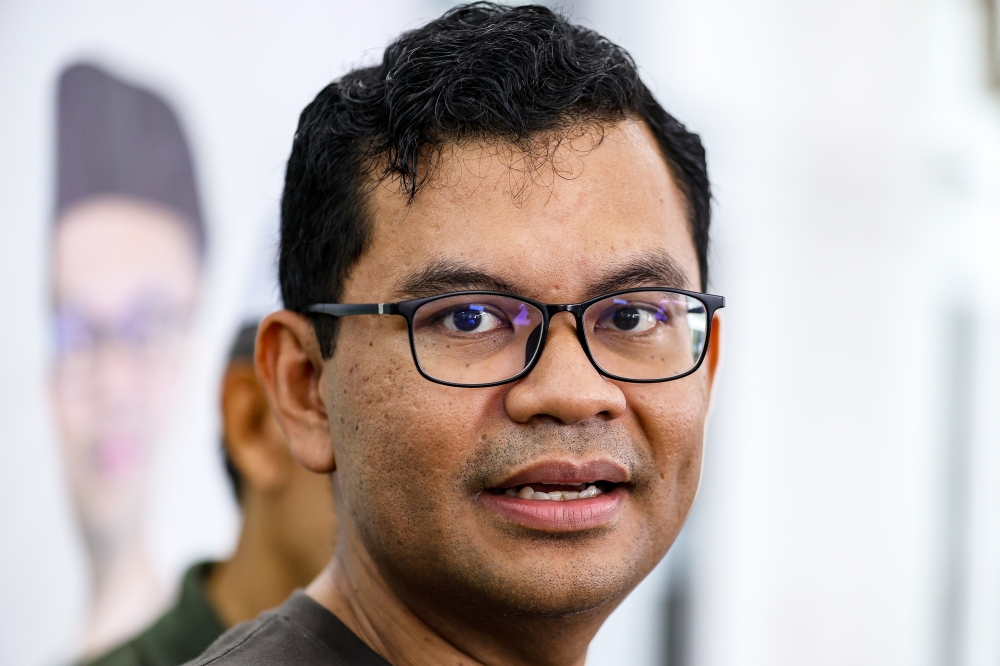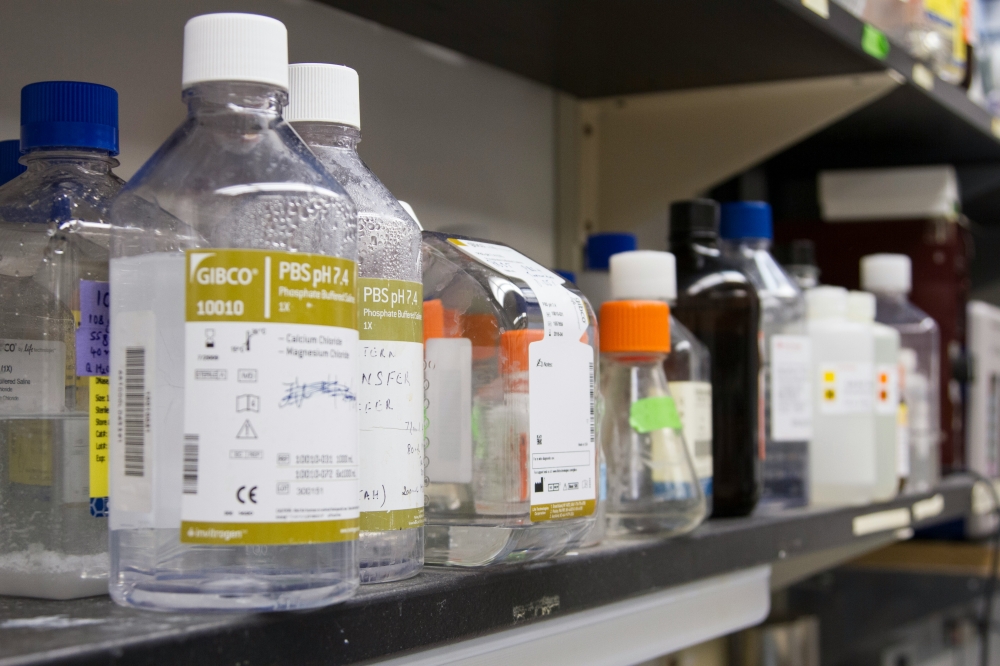
Economy Minister Datuk Seri Akmal Nasrullah Mohd Nasir the government will continue strengthening buffer stocks and expanding supply sources when necessary. — Unsplash pic (New users only) It's tax relief season! Get up to RM300 when you save with Versa! Plus, enjoy an additional FREE RM10 when you sign up using code VERSAMM10 with a min. cash-in of RM100 today. T&Cs apply. By Anis Zalani Thursday, 11 Jun 2026 6:52 PM MYT KUALA LUMPUR, June 11 — Economy Minister Datuk Seri Akmal Nasrullah Mohd Nasir said the supply of medicines and medical devices in Malaysia remains stable, with most items classified as low risk.He said the government will continue strengthening buffer stocks and expanding supply sources when necessary.“The supply of medicines and medical devices remains generally stable.“Based on monitoring by the Health Ministry up to May 8, 2026, 72 per cent of medicine items are at low-risk levels, while for medical devices, 81.7 per cent are at low-risk levels,” he said during an online global supply crisis briefing today.Among recent initiatives, he said the Health Ministry, through the Medical Device Authority, signed a memorandum of cooperation (MoC) with Japan’s Ministry of Health, Labour and Welfare on June 8, 2026, in conjunction with Prime Minister Datuk Seri Anwar Ibrahim’s official visit to Japan.The announcement comes amid a broader global supply crisis that has placed pressure on healthcare supply chains, with disruptions affecting the availability and distribution of medicines and medical devices in several regions.Factors such as geopolitical tensions, shipping bottlenecks and fluctuating production costs have heightened the need for countries to strengthen resilience in critical medical supplies.
Malaysia’s medicine and medical device supply stays stable amid global pressures, says economy minister
KUALA LUMPUR, June 11 — Economy Minister Datuk Seri Akmal Nasrullah Mohd Nasir said the supply of medicines and medical devices in Malaysia remains stable, with most items...
TL;DRAI
Malaysia's medical supply rated low-risk (medicines 72%, devices 81.7%); new Japan cooperation to strengthen healthcare sourcing resilience. Healthcare supply stability matters for IT leaders managing medical software stacks or APAC infrastructure—signals improving supply chain risk mitigation.
266 words~1 min read