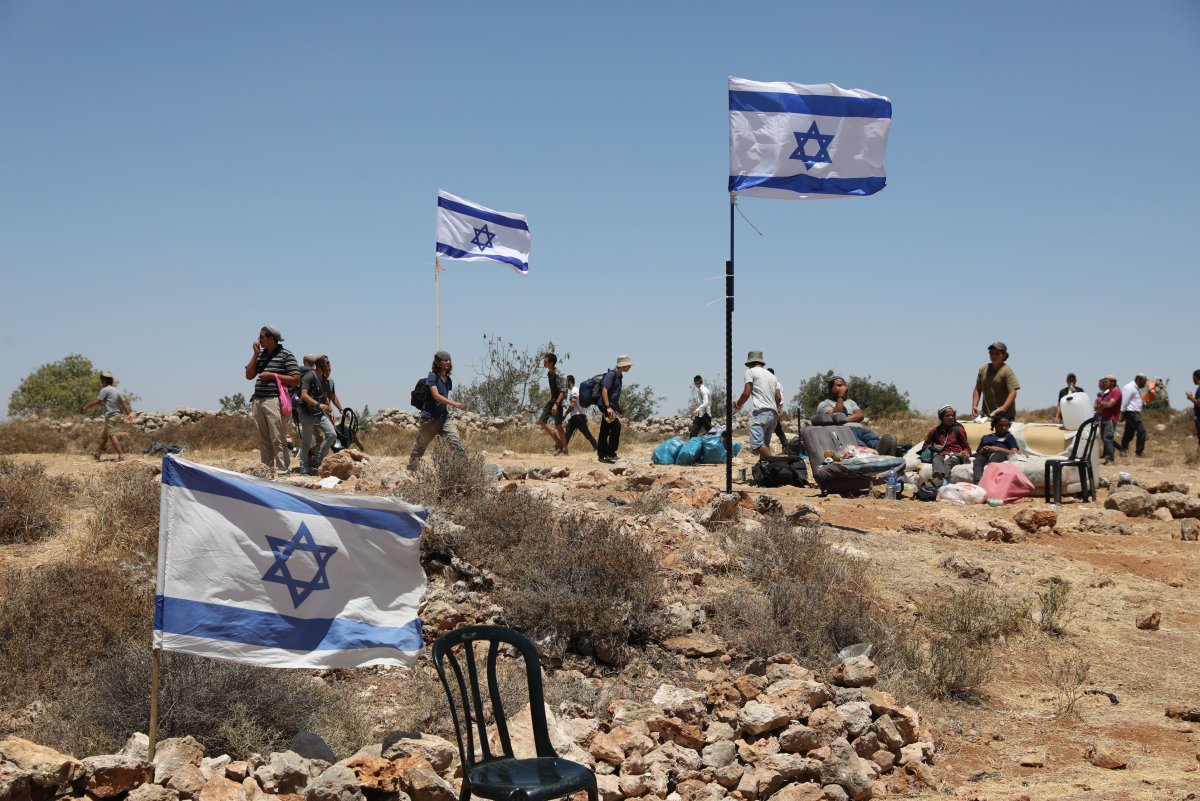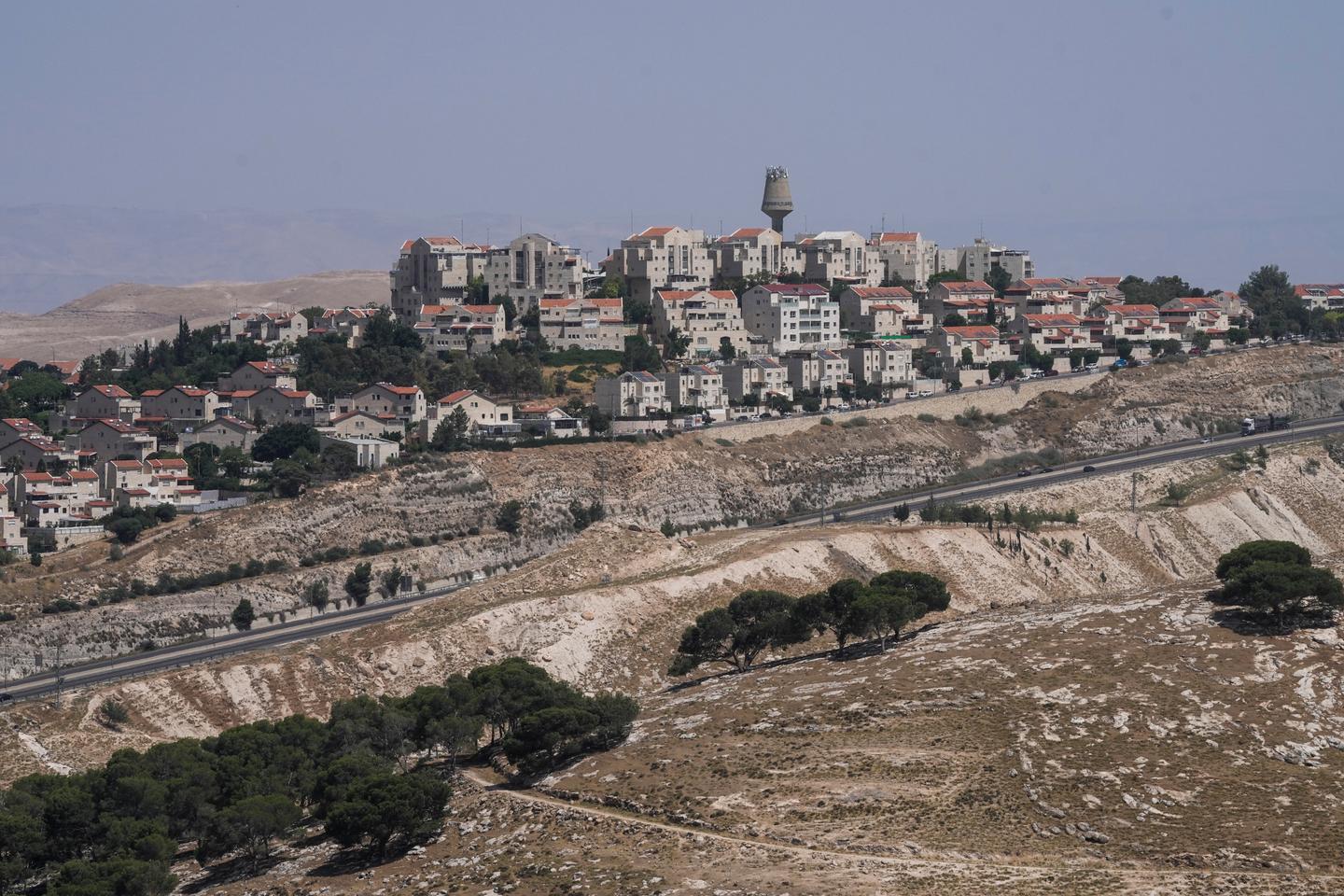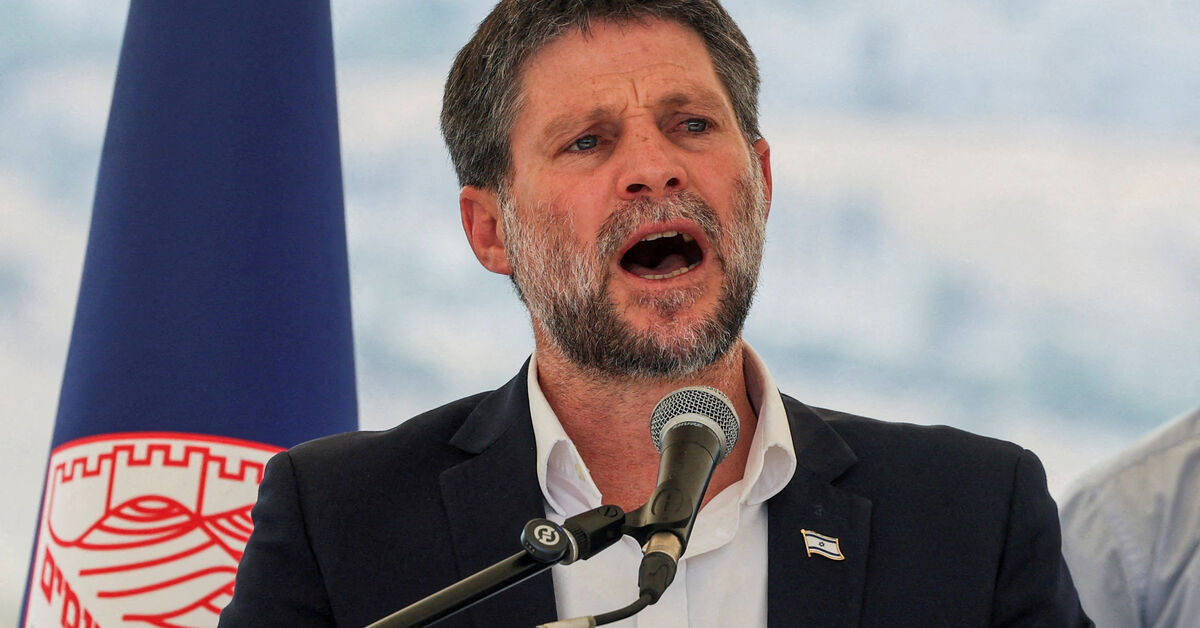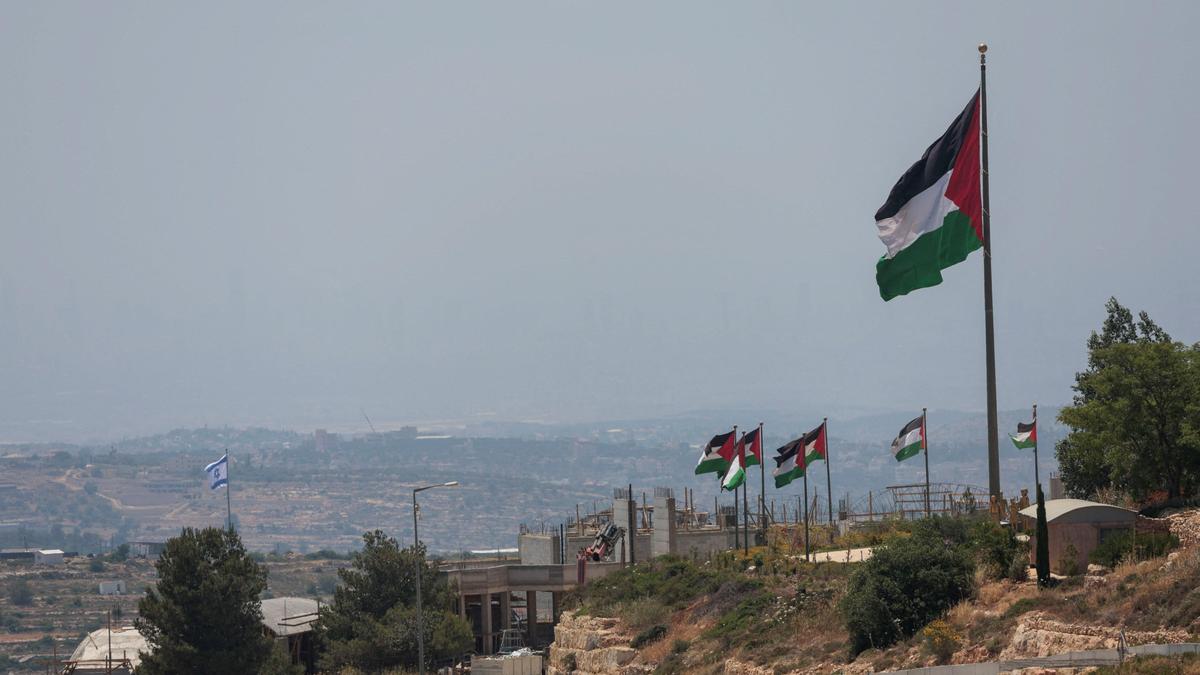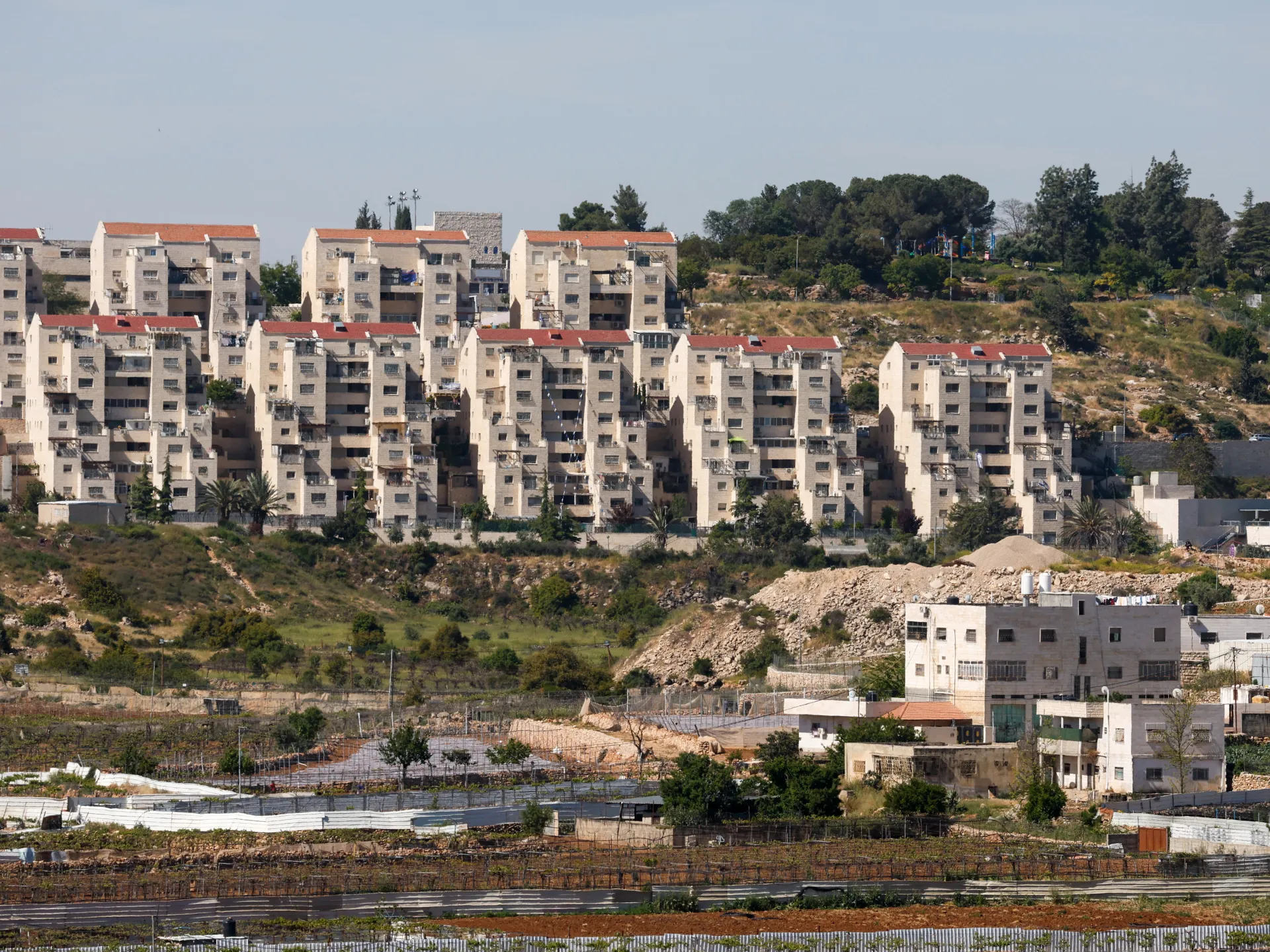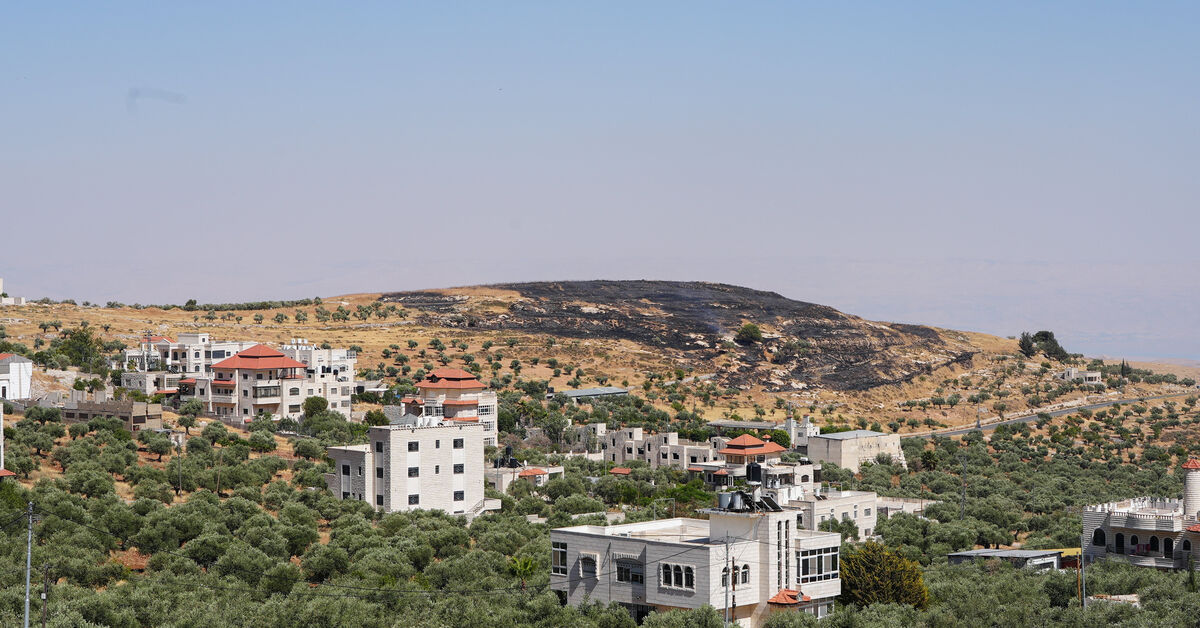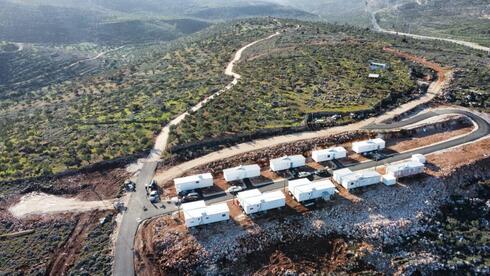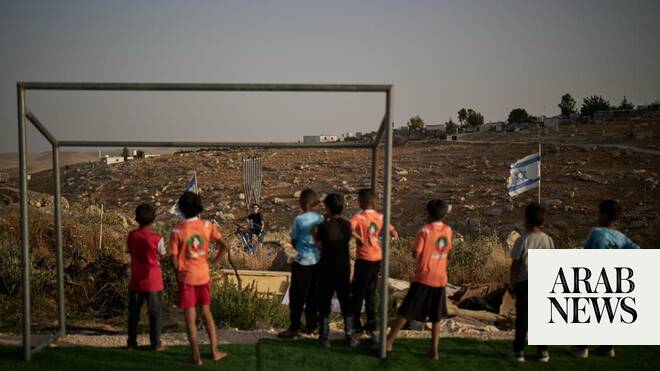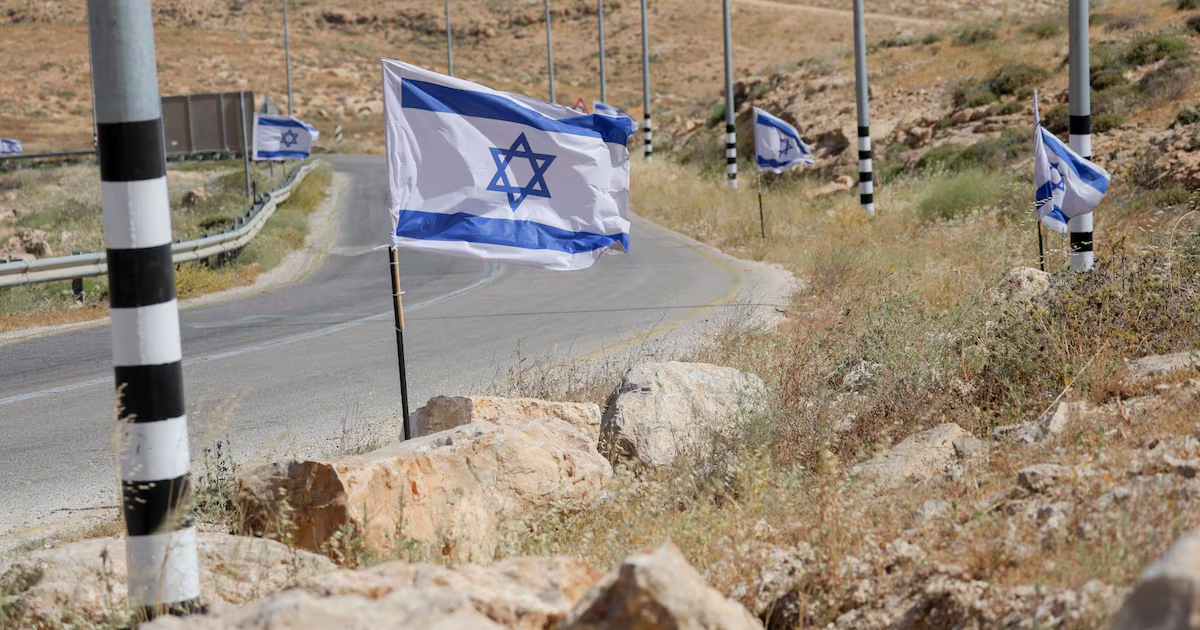
Israel’s security cabinet was set to convene on Thursday night to approve one of the biggest expansion of West Bank settlements in decades.Settlement expansion has risen sharply since Israeli prime minister Binyamin Netanyahu returned to power in 2022 at the head of a coalition comprised entirely of right-wing and religious parties.While resisting calls to annex the disputed territory, which Israel captured from Jordan in the 1967 Six-Day war, the government has aggressively pursued a policy of de facto annexation, boosting settlement construction, permitting small unauthorised outposts on hilltops, expanding roads to Jewish communities and increasing Israel’s presence across the land, the Biblical Judea and Samaria, which settlers believe was granted by God exclusively to the Jewish people.According to publisher Axios, the current plan calls for the de facto establishment of 61 additional settlements across the West Bank in strategic areas such as the Jordan Valley and the southern Hebron hills, aimed at creating territorial contiguity between existing settlements.Mobile homes will be placed on hilltops in the initial stage, creating “facts on the ground” with permanent structures to be built later, along with roads and infrastructure. The plan is the brainchild of far-right finance minister Bezalel Smotrich, head of the Religious Zionist party, himself a settler, who is also in charge of West Bank civilian affairs.New elections will be held in Israel in September or October and Smotrich wants the plan approved now to ensure government funding before the Knesset parliament is dissolved.The outcome of the election hangs in the balance but it is clear that if the opposition parties come to power in a wide coalition, involving parties from the centre, right and left, then the ambitious settlement drive will be slowed down, although likely not stopped entirely.Israel has built about 160 settlements housing some 700,000 Jews since it captured the West Bank and East Jerusalem in 1967.Some 3.3 million Palestinians live in the West Bank and Jerusalem. The Palestinians still aspire to create an independent state in the West Bank and Gaza with East Jerusalem as its capital, but meaningful talks on the two-state solution haven’t taken place for years.Almost the entire international community considers settlements illegal. And in recent months, many countries have introduced sanctions against extremist settlers and right-wing politicians following a sharp increase in settler violence and land seizures, which have displaced thousands of Palestinian residents.Critics accuse law enforcement agencies of turning a blind eye to increasingly frequent violent attacks by settler extremists, noting that far-right national security minister Itamar Ben-Gvir is in charge of the police. The perpetrators are rarely apprehended and convictions are few and far between.
Why is Israel poised to approve the biggest expansion of West Bank settlements in decades?
Almost the entire international community considers settlements illegal
433 words~2 min read