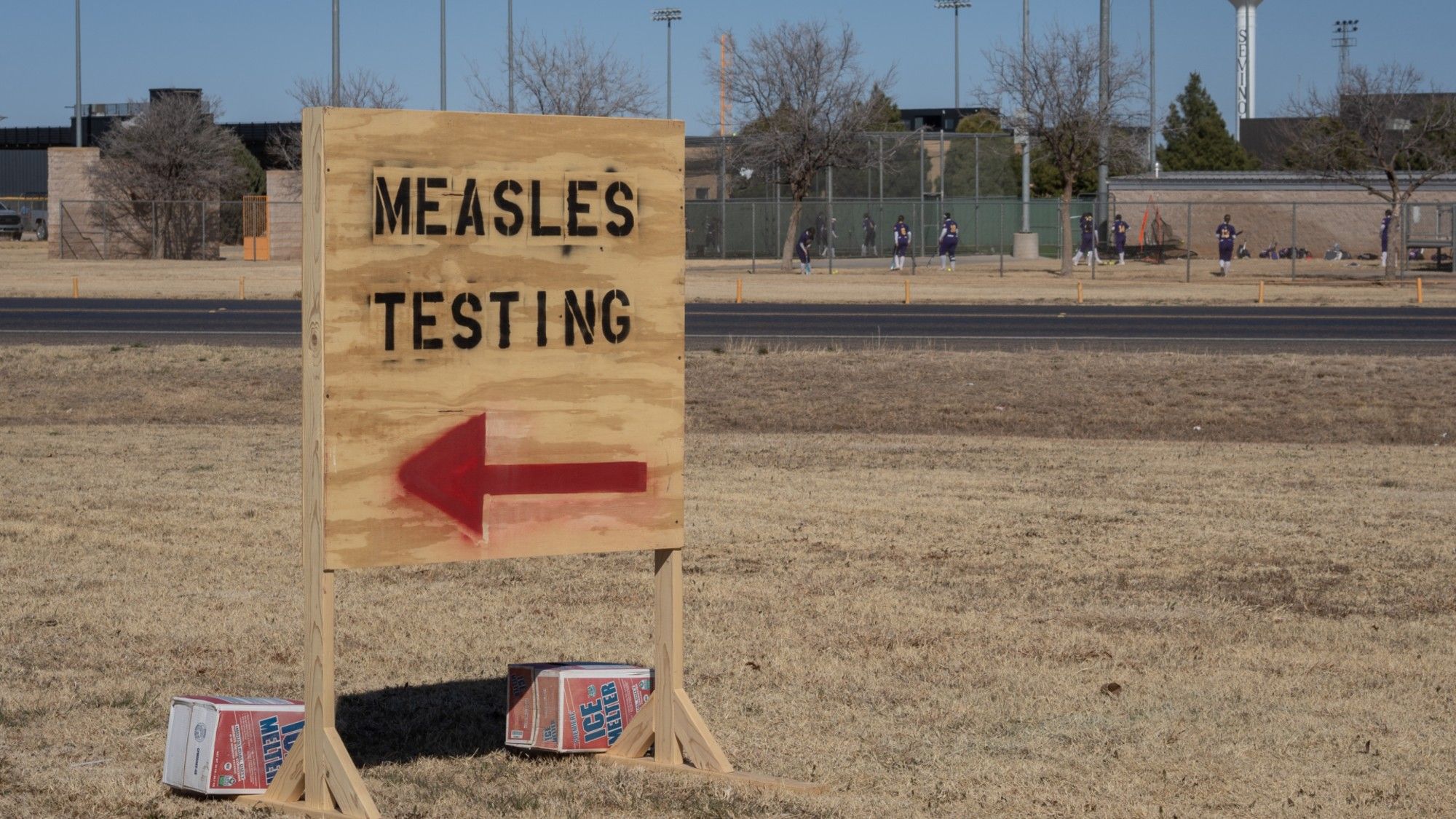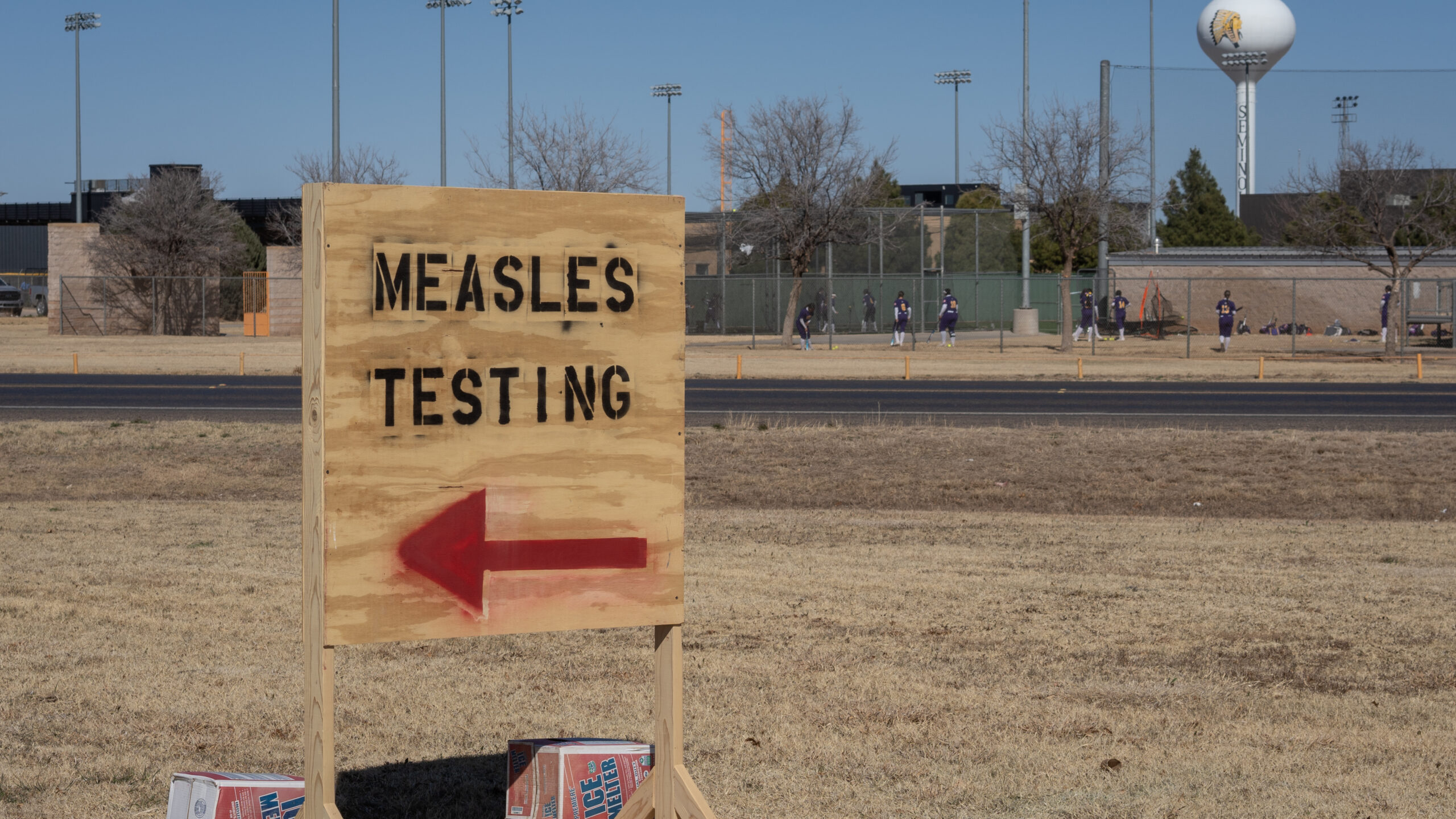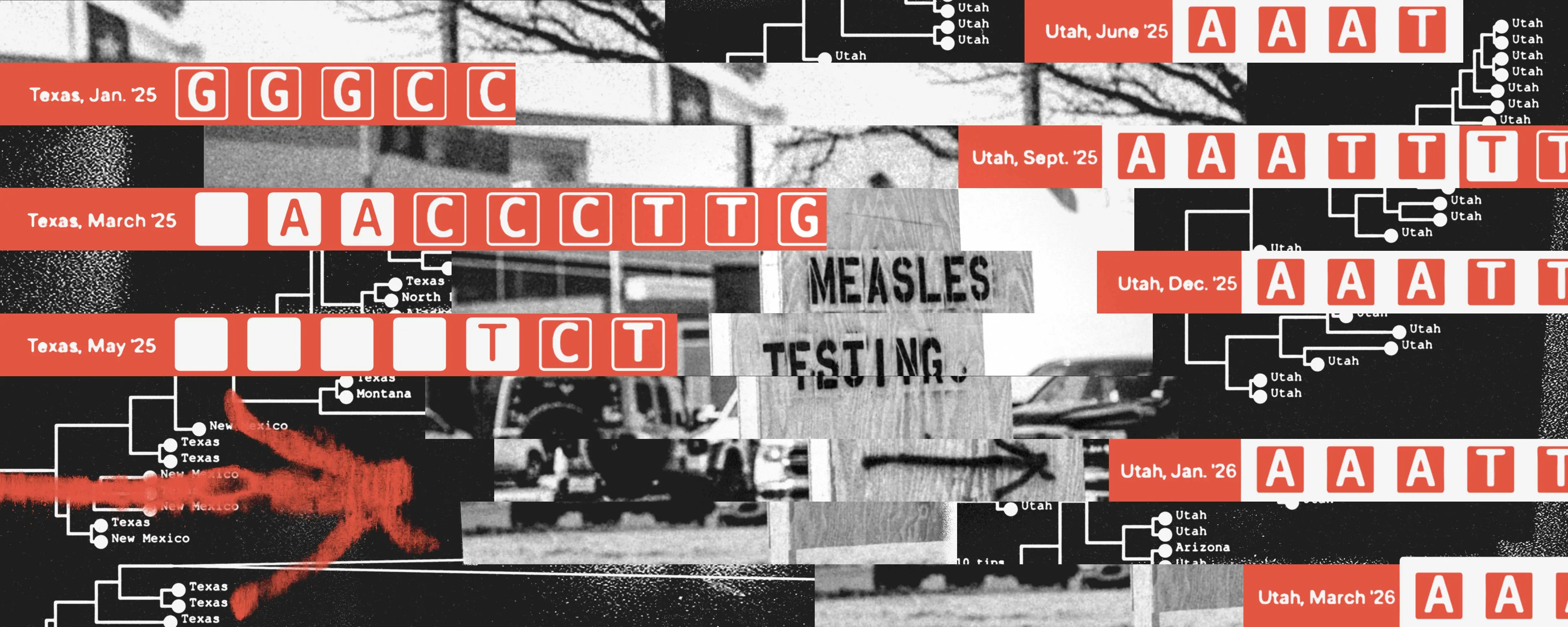
AdvertisementSKIP ADVERTISEMENTYou have a preview view of this article while we are checking your access. When we have confirmed access, the full article content will load.As vaccination rates decline, biotech companies see a potential new market for measles drugs.Listen · 8:12 min Credit...Claire Merchlinsky/The New York Times; Photographs via Getty June 11, 2026, 11:00 a.m. ETWhen Dawid Zyla started studying measles in 2020 at the La Jolla Institute for Immunology in San Diego, his colleagues sometimes questioned why he would devote his career to a virus of the past.Measles had been kept at bay in the United States for more than two decades thanks to a remarkably effective vaccine. Though there are no approved treatments for the virus, researching one seemed like a waste of precious funding, especially as a new coronavirus was taking off and there were still no vaccines to combat deadly species of Ebola. “There was zero interest in it,” said Dr. Zyla, who recently became a professor at the University of Colorado Anschutz School of Medicine. “Measles was like a solved issue back then.”That all changed in 2025, when a series of outbreaks popped up in unvaccinated communities across the country, making it the worst year for measles in the United States since 1991. Dr. Zyla suddenly found himself at the center of a “very crowded” hunt for new measles therapeutics that could prevent or treat infections.Just this year, two U.S. biotechnology companies announced they would begin testing antibody treatments, one of them citing “measles incidence reaching levels not seen in decades.” Another biotech company recently began animal testing of an antiviral. Two academic groups, including the lab where Dr. Zyla worked, have published promising early results on experimental drugs they are developing.It’s too early to know whether these drugs might be effective, and it would likely be years before any of them reach patients. But as measles continues to spread, some companies are betting on the fact that there will be a market for them that didn’t exist just a few years ago.Thank you for your patience while we verify access. If you are in Reader mode please exit and log into your Times account, or subscribe for all of The Times.Thank you for your patience while we verify access.Already a subscriber? Log in.Want all of The Times? Subscribe.AdvertisementSKIP ADVERTISEMENT
With Measles Roaring Back, the Search for a Drug is On
As vaccination rates decline, biotech companies see a potential new market for measles drugs.
385 words~2 min read