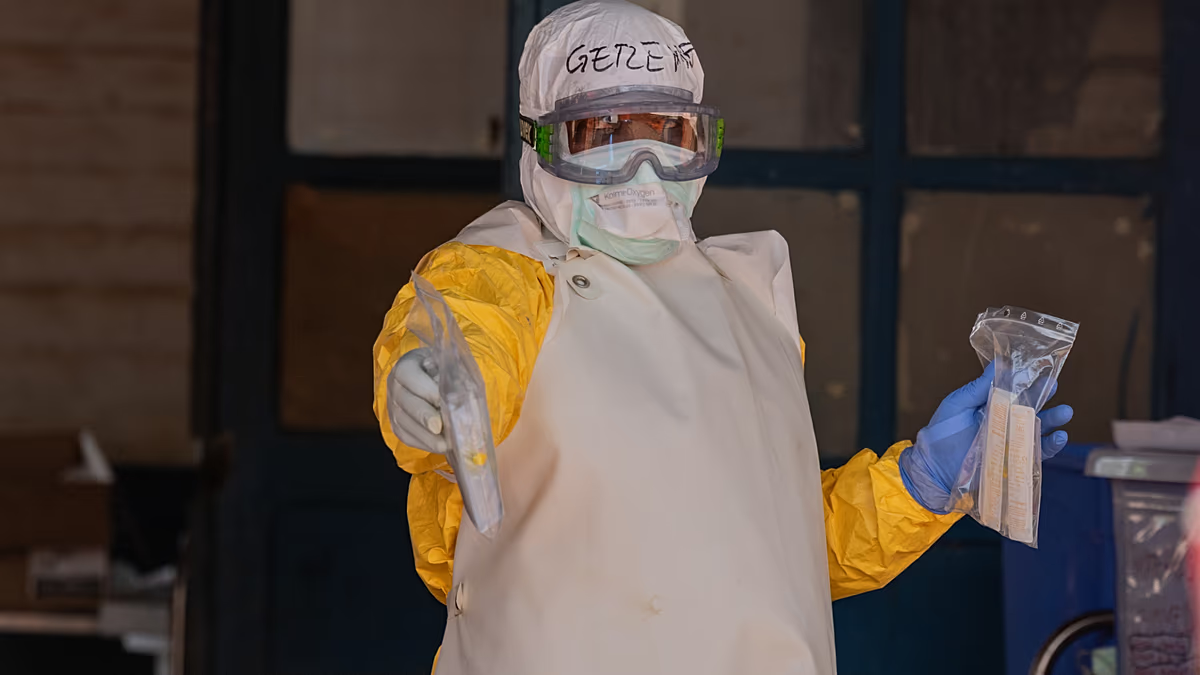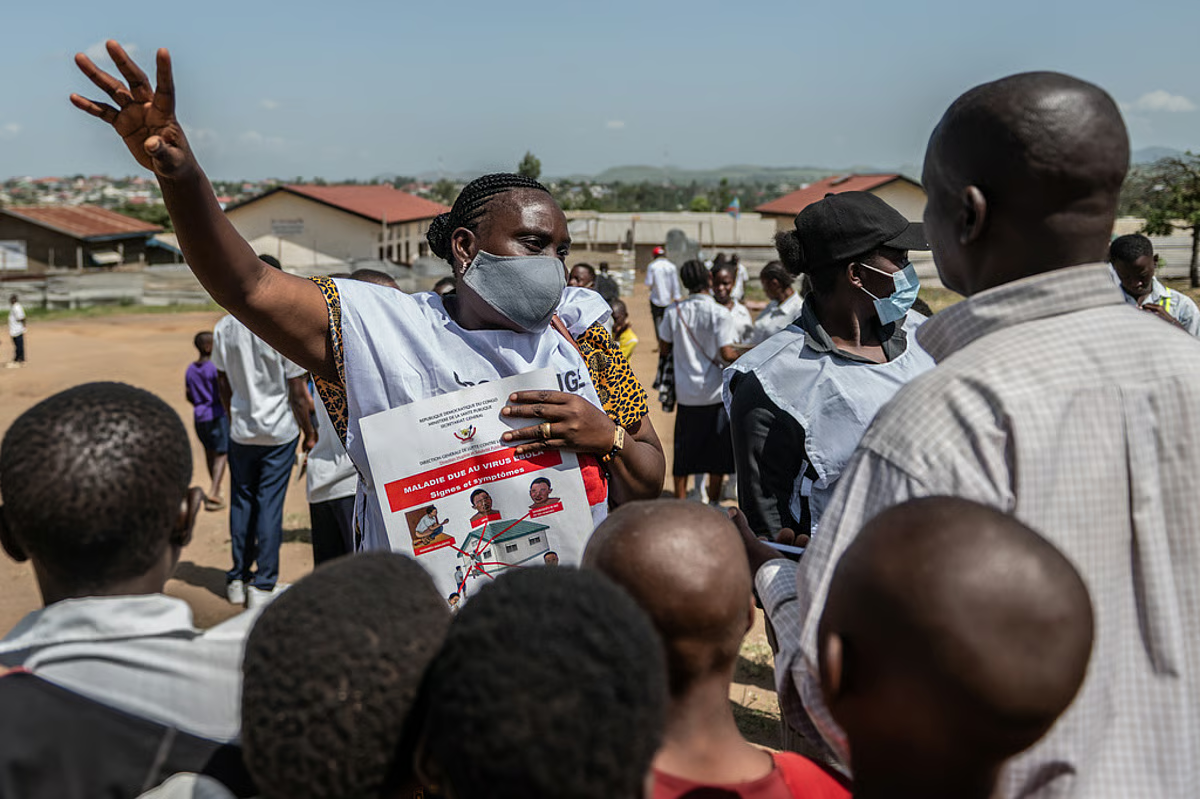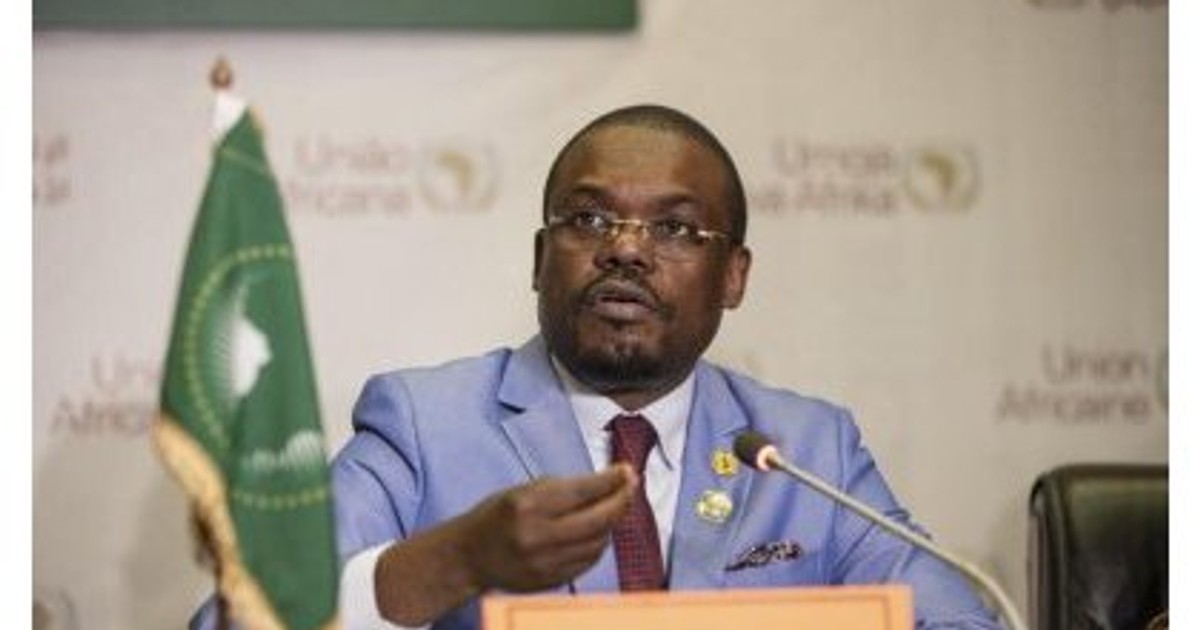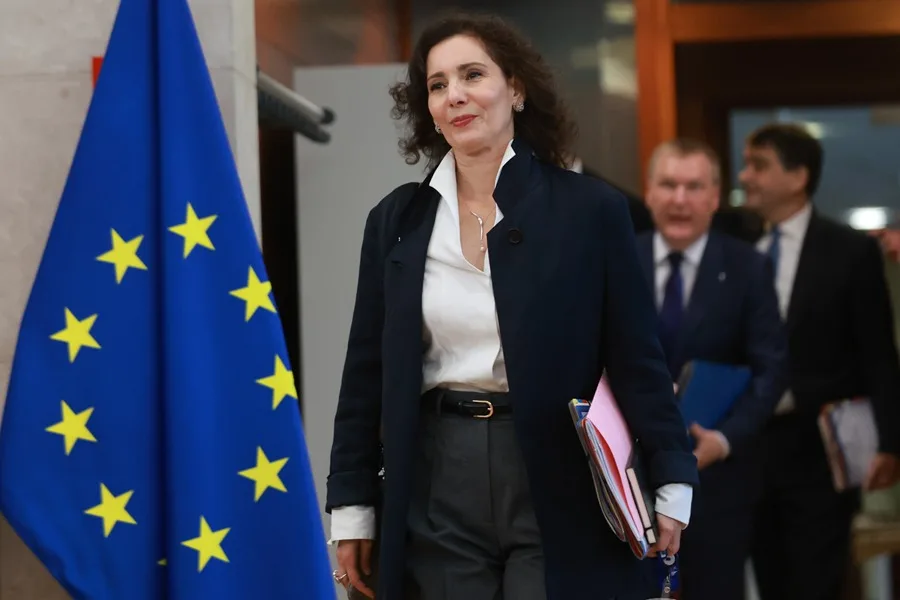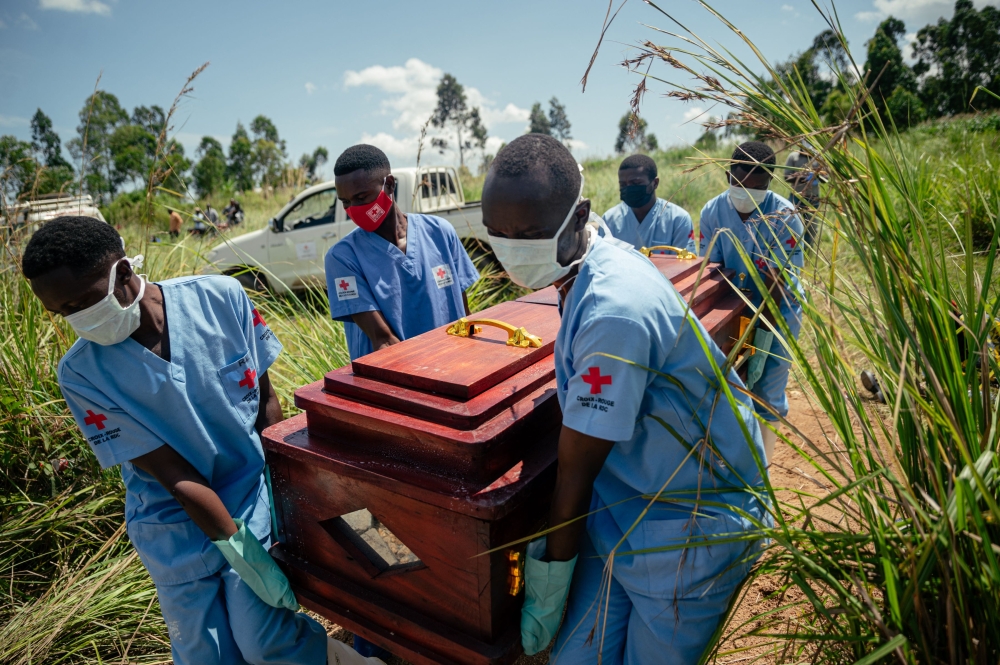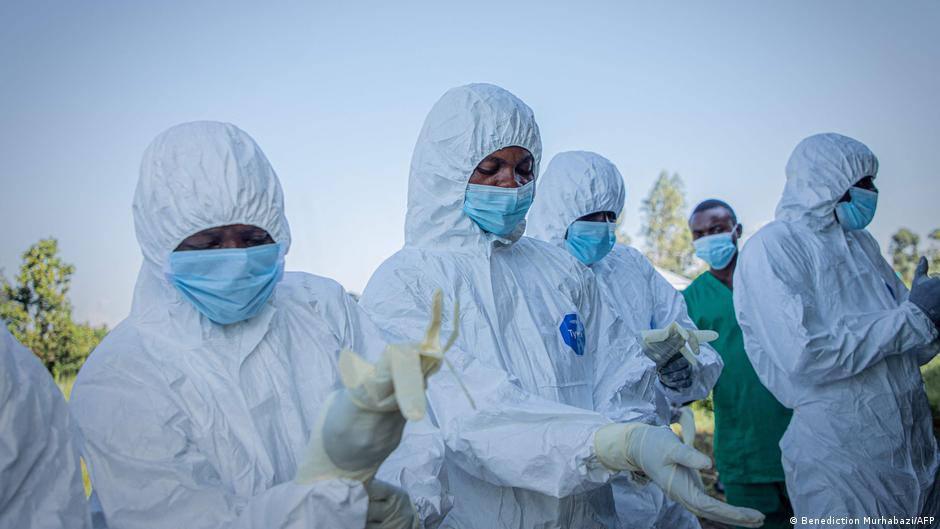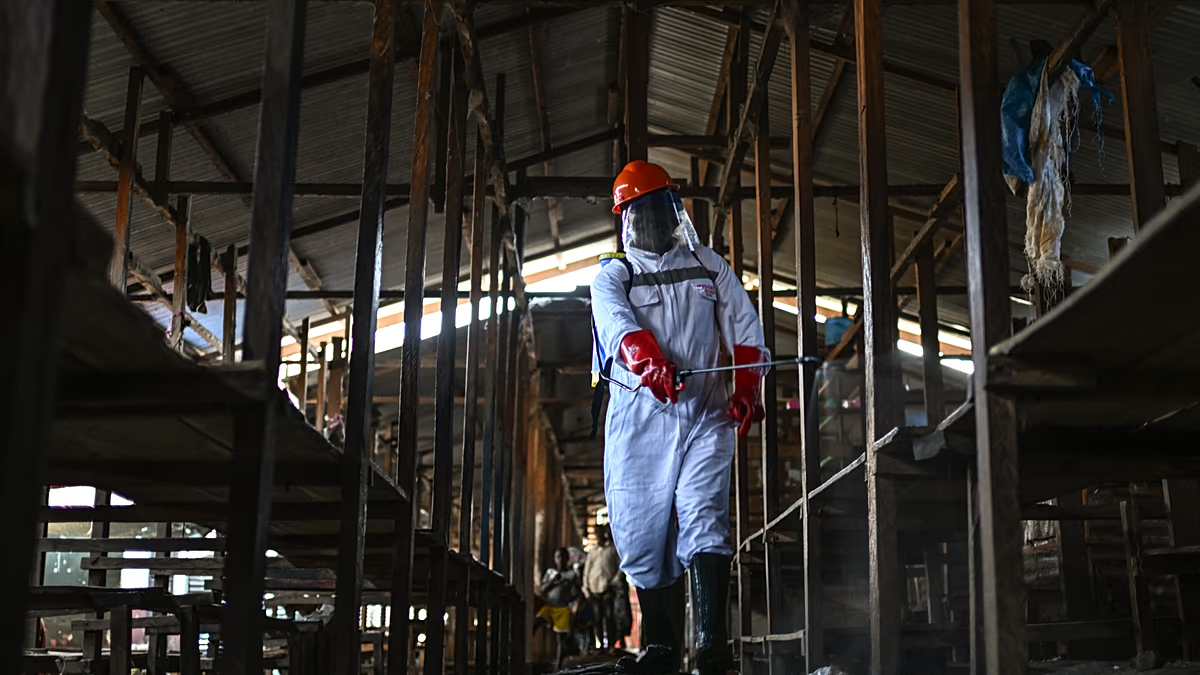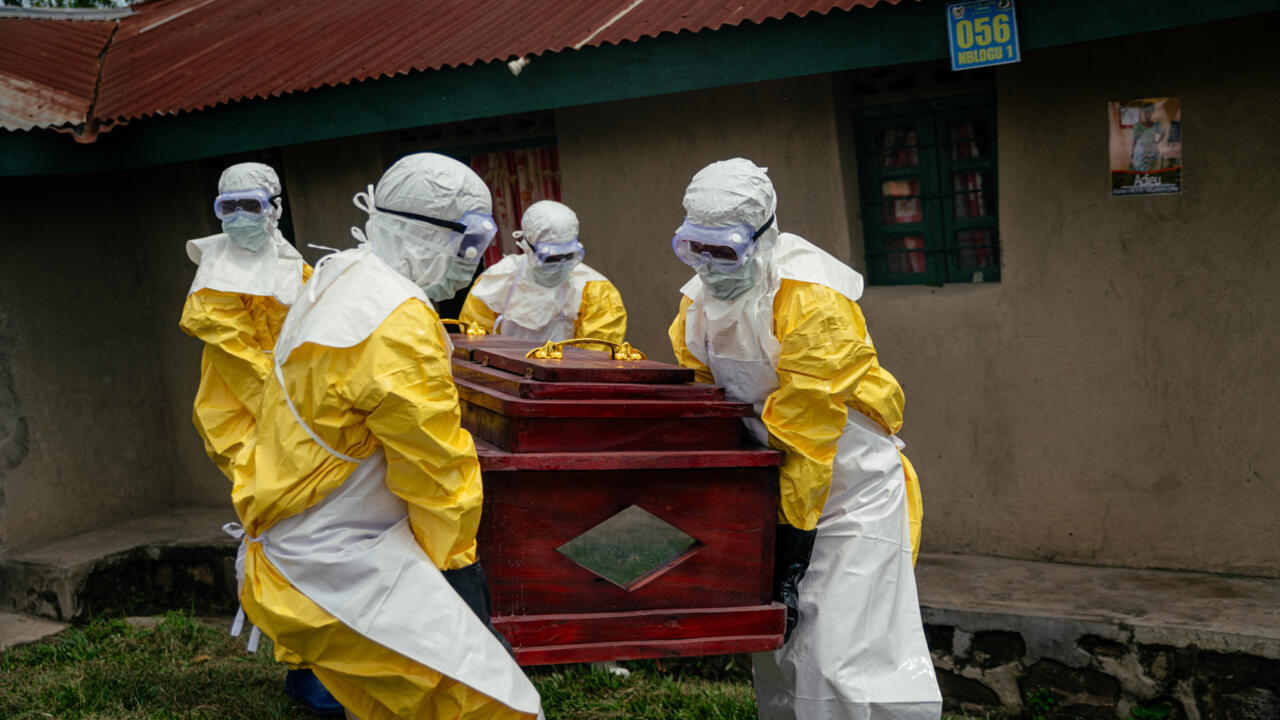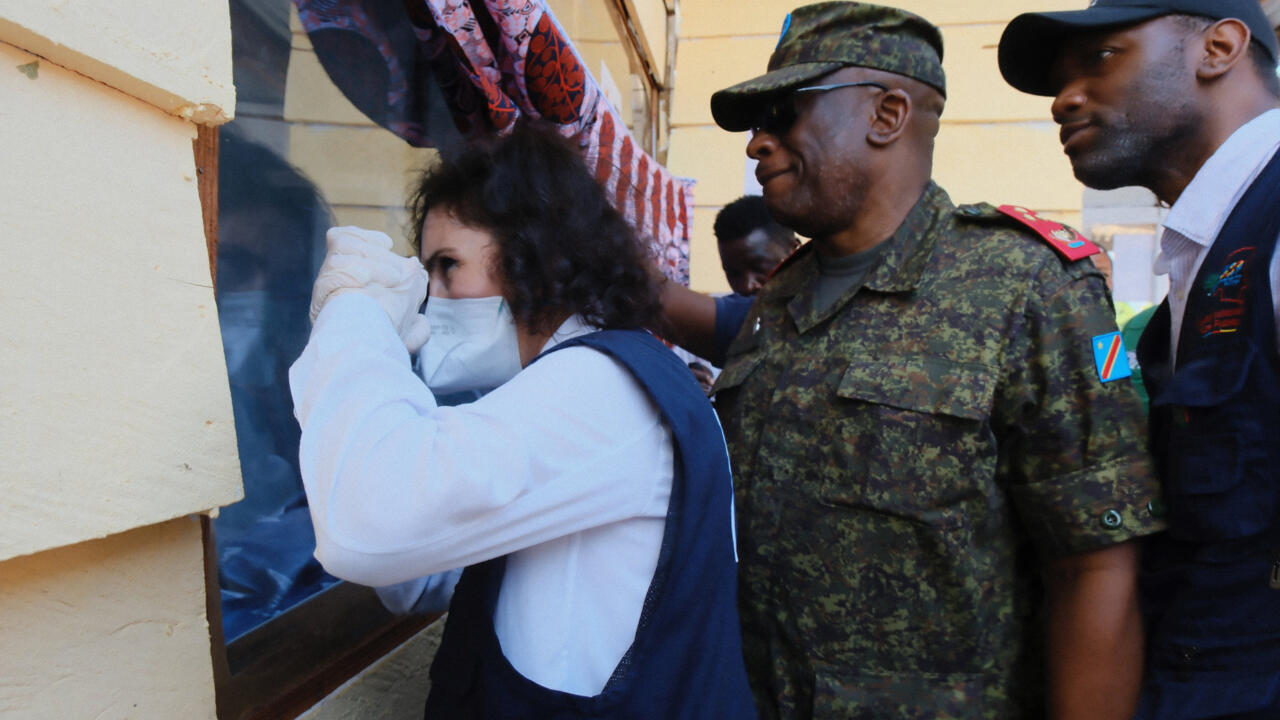
As a deadly outbreak of Ebola continues to spread across the Democratic Republic of Congo and the wider Great Lakes region, the European Union has pledged €170m towards the health and humanitarian response. Hadja Lahbib, the European Commissioner for International Partnerships, Humanitarian Aid and Crisis Response, spoke to RFI on her return from Bunia in eastern DRC, the centre of the outbreak.
Ebola is a highly infectious and often deadly viral disease spread through contact with the bodily fluids of infected people. The latest outbreak in the Democratic Republic of Congo (DRC) involves the rare Bundibugyo strain, first identified in Uganda in 2007, for which there is currently no approved vaccine. Efforts to contain the disease are complicated – DRC borders nine countries and nearly a million people have been displaced through conflict in the region. The DRC's health ministry says 598 cases and 115 deaths had been confirmed as of 9 June. RFI: Hadja Lahbib, you were in Bunia last week, at the epicentre of the Ebola outbreak. What did you take away from that visit? Hadja Lahbib: The first thing is that the European Union remains a reliable and committed partner for Africa. I wanted to demonstrate that, by travelling there myself at a time of serious health crisis. Not only to express solidarity, but also to see first-hand how we could best support the affected communities from the earliest stages of the outbreak. We have already sent 100 tonnes of medical supplies, including protective equipment and shelters for humanitarian workers. But being on the ground, seeing how aid is distributed and how the response is organised, is something quite different. The visit was extremely well received by local communities.