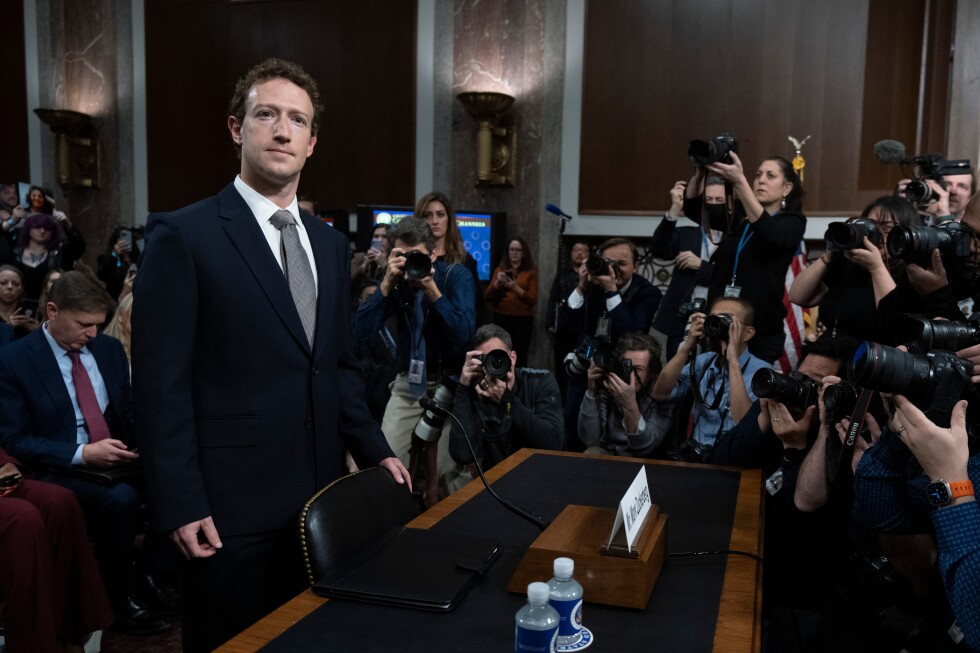
As the Senate Judiciary Committee calls the CEOs of some of the industry’s largest platforms to testify, the question is not whether the internet can be safe for children. It is whether tech companies, policymakers, and child safety advocates are moving fast enough to ensure that it is.Almost all American teenagers are online daily, and the attempts to exploit them and younger children are persistent. Last year, the National Center for Missing and Exploited Children received 21 million reports related to suspected child exploitation, the vast majority generated by platforms proactively detecting and disrupting abuse.These crimes are not confined to one platform. Bad actors operate across multiple platforms with harder-to-detect tactics. They may groom and deceive on one service, share images on another, and monetize on a third, exploiting gaps between detection protocols.
WHY IS IT SO HARD TO PERSUADE LAWMAKERS TO PROTECT CHILDREN ONLINE?
No single company can see the full picture. This fragmented visibility is a bad actor’s greatest asset. Working with Google, Meta, Snap, TikTok, and other companies to close vulnerability gaps and strengthen the systems combatting online child exploitation, I see this reality every day.