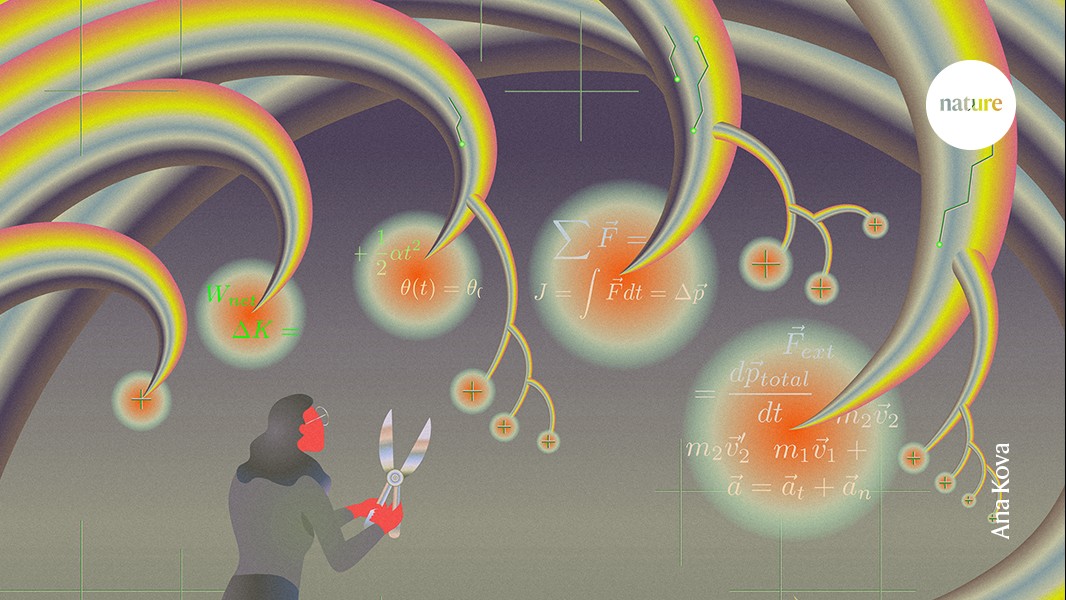
Deep in Book VII of Plato’s Republic, Socrates describes prisoners chained inside a cave, mistaking shadows cast on a wall by firelight for reality itself. They name the shadows, debate them and develop expertise about them. The prisoners are completely, sincerely wrong, and they have no idea. The cave isn’t a place of stupidity, it’s a place of convincing, well-organised illusion.
But Plato’s real interest wasn’t the cave, it was in the periagoge – a Greek word meaning the turning of the soul away from shadows and toward the light. For Plato, this was education itself: not the filling of an empty vessel with facts, but a fundamental reorientation of how a person relates to truth and how they come to know that truth.
The shadows persist but today they aren’t cast by firelight, they are generated by machines. Large language models (LLMs), image making and AI-powered search produce outputs that are fluent, confident and immediate.
But here’s the crucial difference from Plato’s original problem, his shadows were at least connected to something real. What AI produces is different in that a language model has no built-in commitment to truth, only a statistical relationship to an enormous quantity of text. When it tells you something, it isn’t reporting, it’s composing.