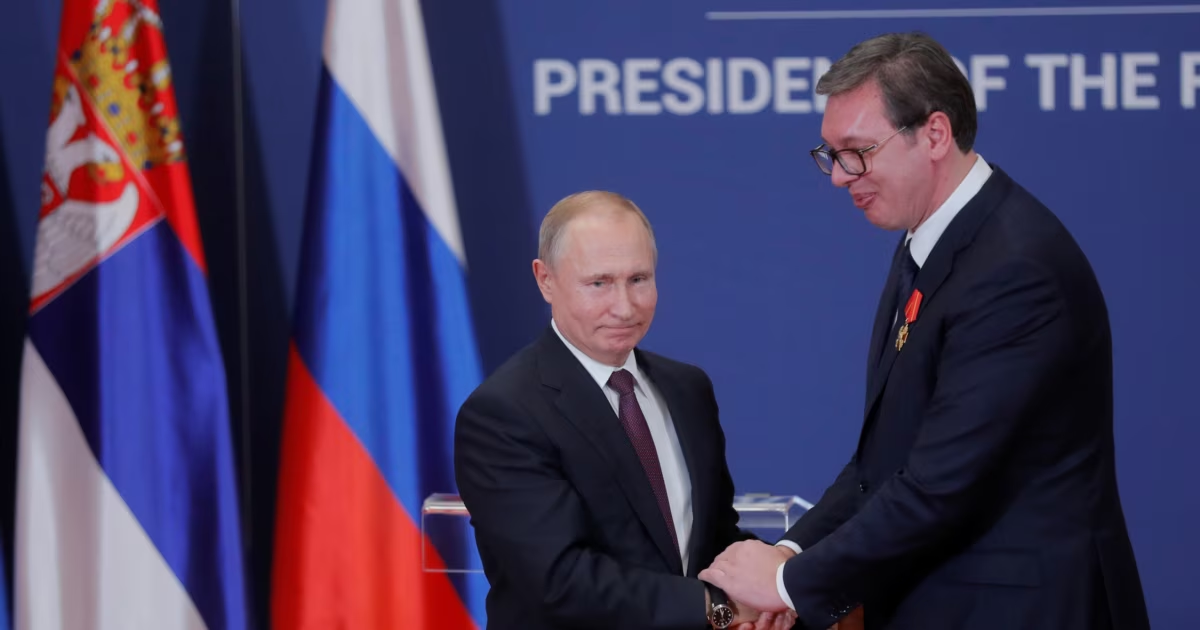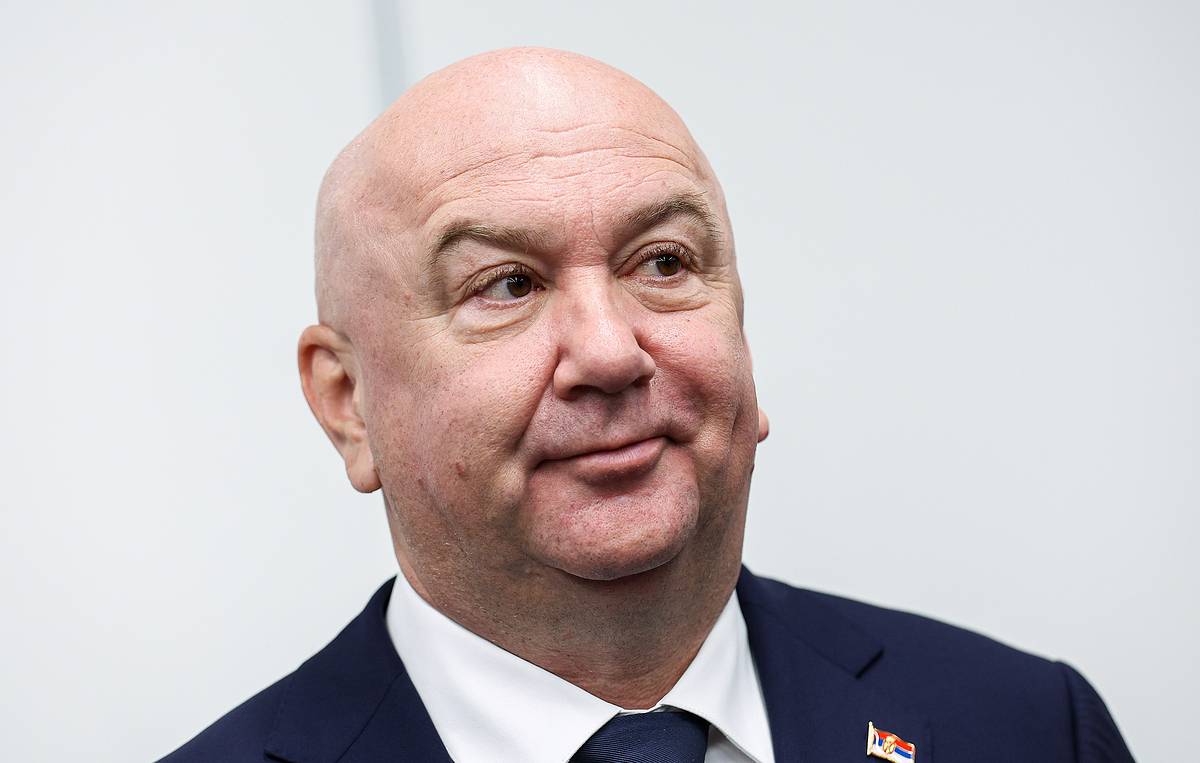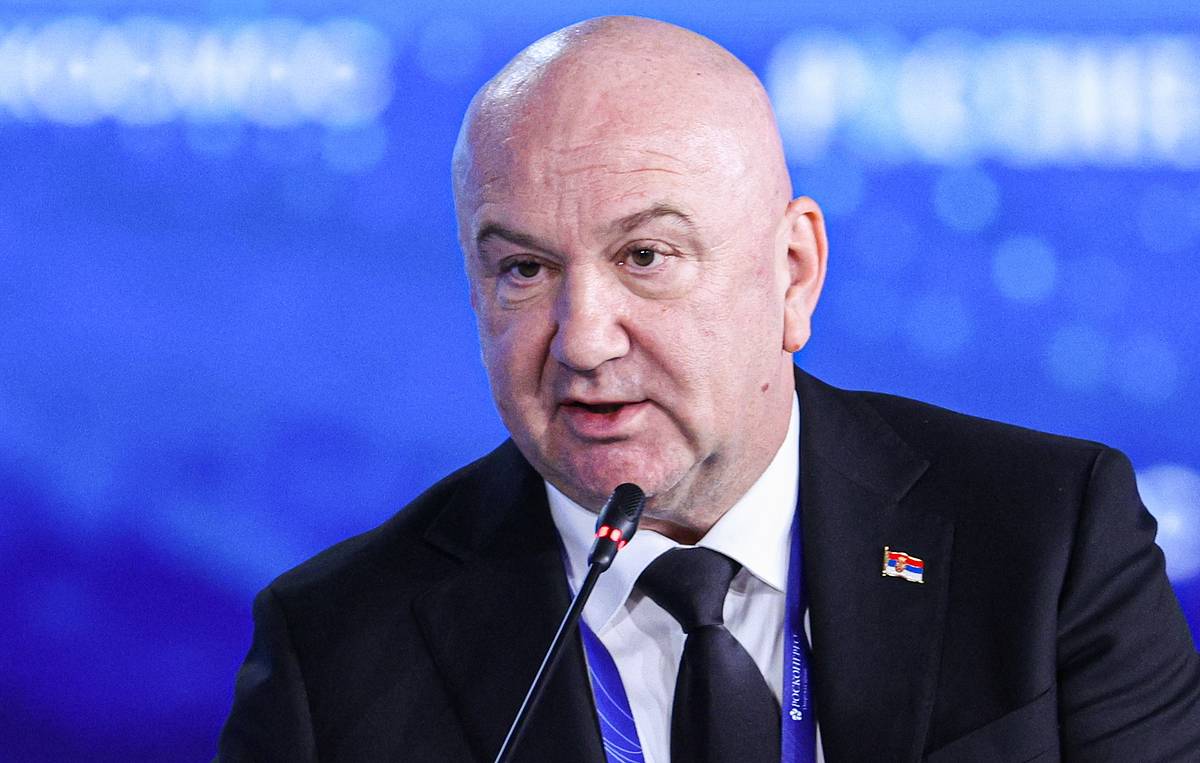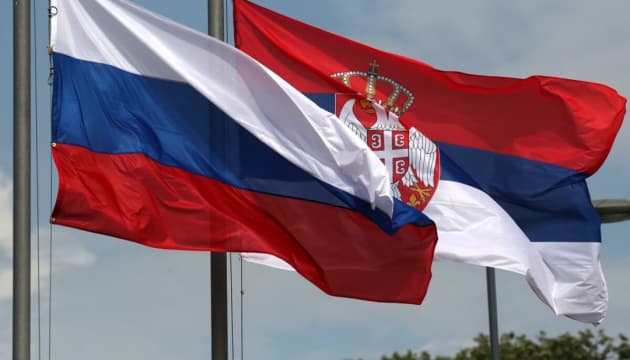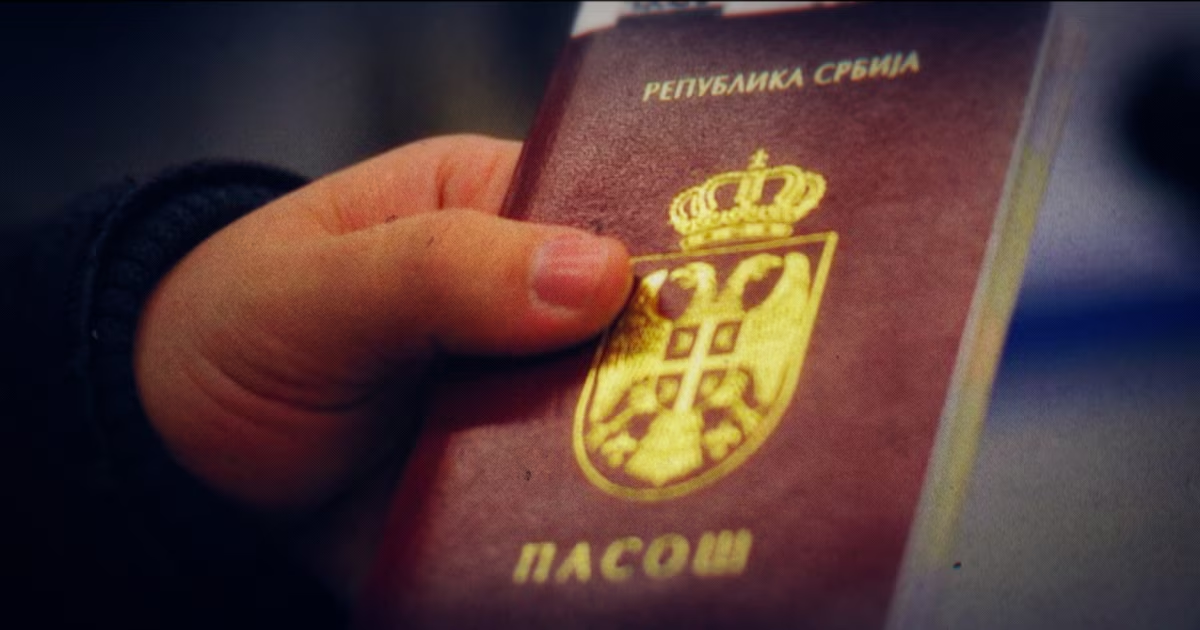
Despite warnings from the EU, Serbia’s government has granted citizenship to four times as many Russian nationals as to all other foreign citizens combined this year -- including individuals under international sanctions, an RFE/RL investigation has found.Serbia grants citizenship through an expedited “national interest” procedure -- a practice that could threaten the country’s visa-free access to the Schengen Area and Belgrade's EU accession prospects.Among those who have benefited from this fast-track procedure is Valery Kazikayev, who has been under US sanctions since April 2023 over business links to Russian oligarch Alisher Usmanov.Fast-TrackedKazikayev, who became a Serbian citizen on January 16, was targeted by the US as part of its efforts to further disrupt imports of critical technologies used by Russia in its war against Ukraine. Usmanov, who is one of Russia's richest men with close ties to the Kremlin, was blacklisted by the US in March 2022.According to the US Treasury’s Office of Foreign Assets Control, Kazikayev serves as a senior manager or board member of metals and mining companies linked to Usmanov, including Metalloinvest and Udokan Copper.
Kazikayev, who RFE/RL was unable to reach for comment, also owns the Slovak company KTH Group Spol SRO, which is also under US sanctions.The Russian was also sanctioned by Ukraine in November 2023. The measures include asset freezes, a ban on doing business, and other financial restrictions.Another Russian who received Serbian citizenship is Sergei Kondratenko, who was naturalized on November 13, 2025. He is under Ukrainian sanctions for actions deemed harmful to Ukraine’s national interests and national security.Ukrainian authorities determined that Kondratenko is the ultimate owner of Royal Pay Europe, a company sanctioned by Ukraine in 2023 for actions harmful to national interests and national security.Royal Pay Europe is registered in Latvia and provides electronic payment and other financial services.In 2023, Ukraine’s State Bureau of Investigation opened criminal proceedings against the company over the alleged misappropriation of more than 30 million euros ($35 million) that foreign banks had transferred to one of Ukraine’s commercial banks.In 2024, Ukraine’s High Anti-Corruption Court confiscated Royal Pay Europe’s assets in the country -- worth about $44 million -- and transferred the funds to Ukraine’s state budget.During the investigation, Ukrainian security authorities also linked Kondratenko, who did not respond to RFE/RL’s request for comment, to a Russian betting network.Another newly minted Serbian citizen was Yakub Zakriev, the nephew of Chechen leader Ramzan Kadyrov. He was granted citizenship in April, although the Serbian government revoked that decision four days later.Zakriyev is under US and UK sanctions for his senior roles in the Chechen government and his ties to Russian institutions.Kadyrov himself is under US and EU sanctions and has long faced accusations of overseeing or tolerating severe human rights abuses in Chechnya, including abductions, torture, extrajudicial killings, and the persecution of LGBT people.The Serbian government did not respond to RFE/RL's questions about either granting or revoking citizenship for Kadyrov’s nephew.In Serbia's Interests?RFE/RL’s analysis of publicly accessible government data shows that the Serbian government granted citizenship on the grounds of “national interest” to 44 Russian citizens in the first five months of 2026 alone. And, since the beginning of 2022, more than 300 Russians have received Serbian citizenship in this way.It is possible that more Russians have received Serbian citizenship through the standard naturalization procedure, but the Interior Ministry did not respond to RFE/RL’s request for information on the total number granted since 2022.While Serbian authorities view the fast-tracking of Russian naturalizations as being in the country’s interest, the EU sees it as a potential security challenge.