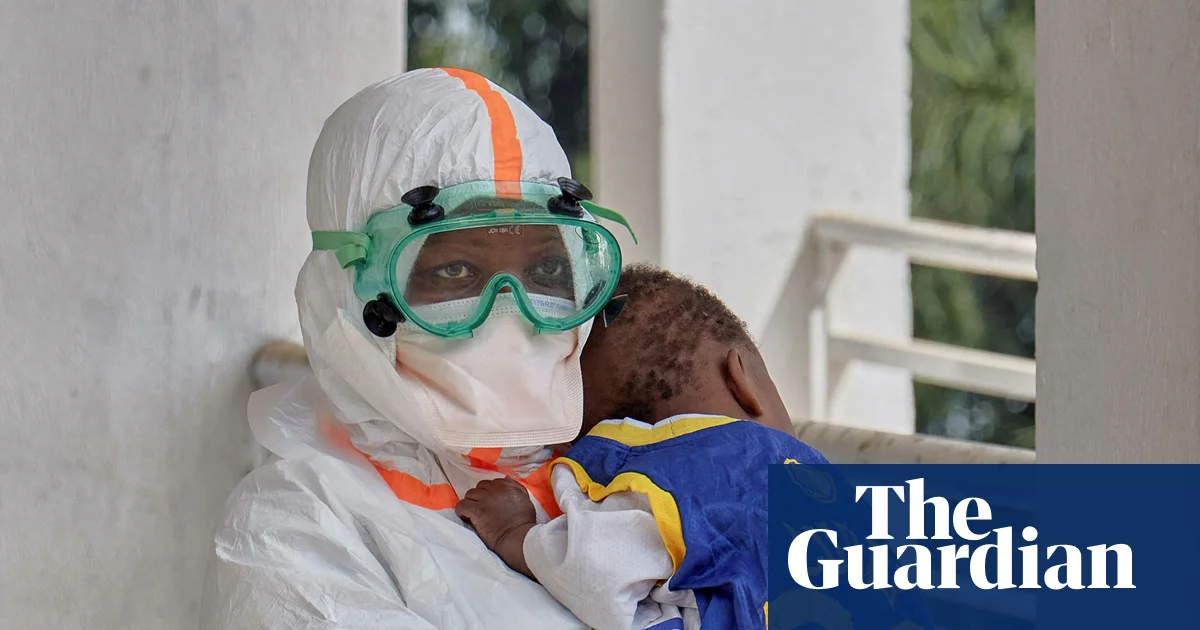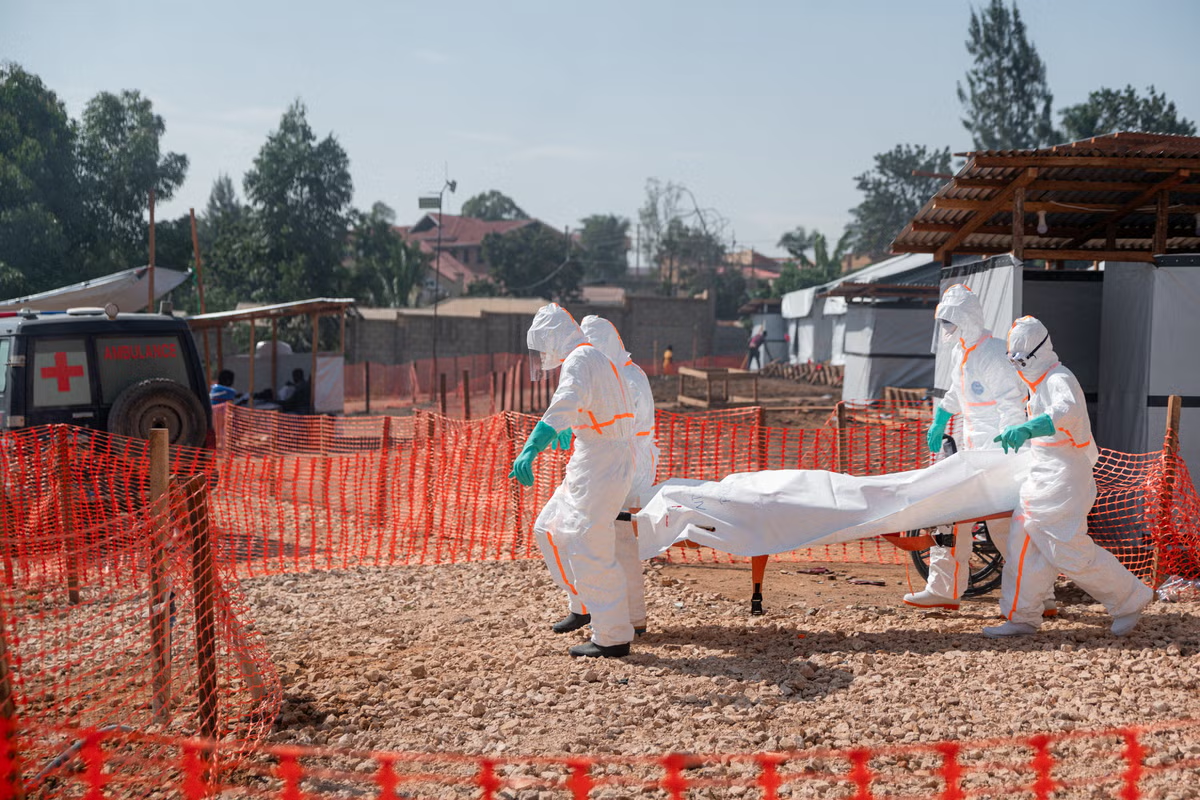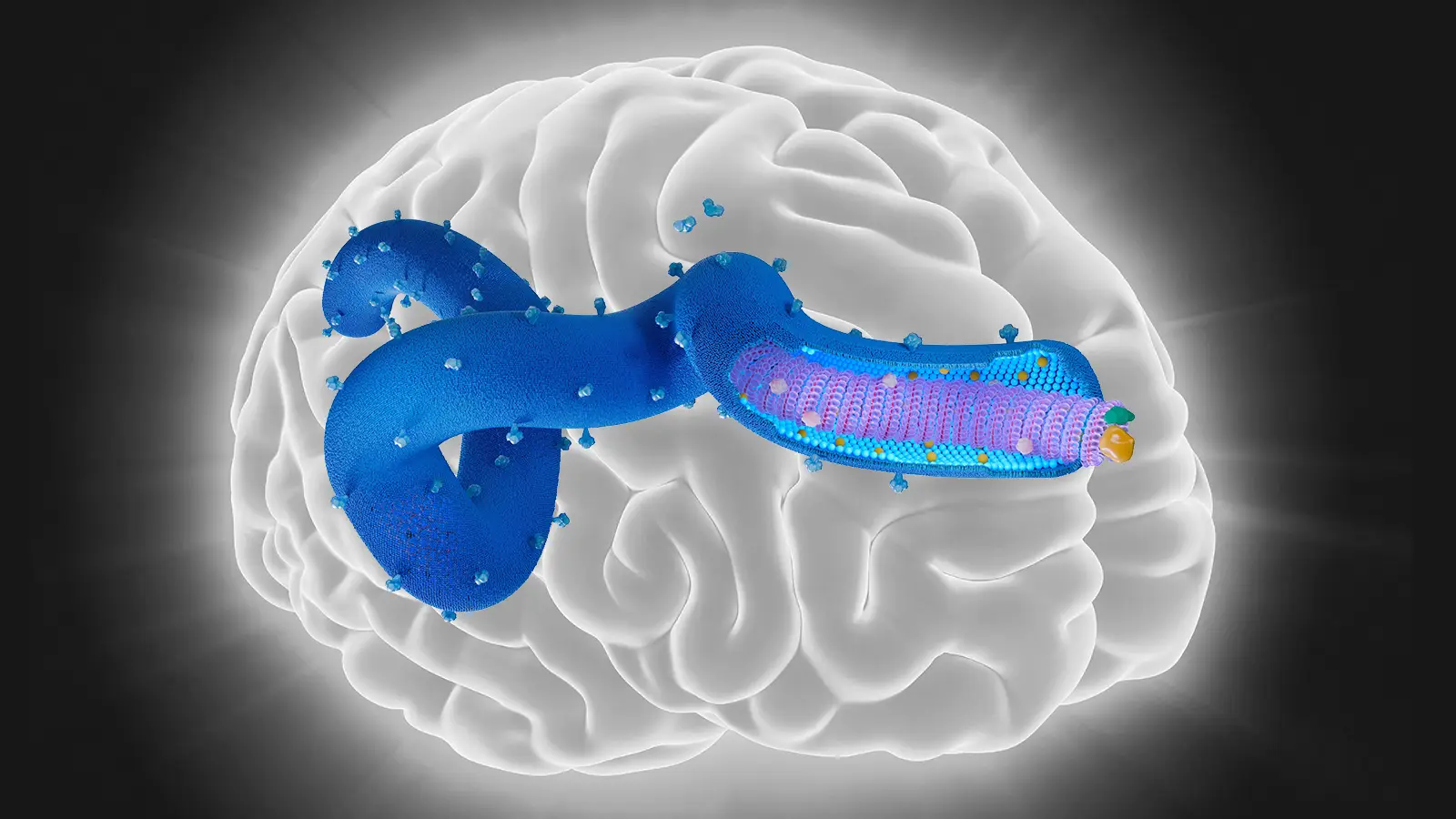
Neurologic symptoms in West African Ebola survivors persisted more than 7 years after infection.Compared with controls, survivors more often reported memory loss, irritability, and trouble concentrating.Bundibugyo, the virus causing the current outbreak, is a different species but experts believe neurologic findings will be similar.
Neurologic manifestations in Ebola survivors persisted more than 7 years after acute infection, data from the prospective PREVAIL III study showed.
Compared with controls, people who survived the 2014-2016 epidemic in West Africa were more likely to have memory loss (57.4% vs 26.2%, P<0.001), irritability (36.5% vs 14.8%, P=0.006), and trouble concentrating (29.6% vs 9.8%, P=0.002) at last follow-up, reported Bridgette Jeanne Billioux, MD, of the National Institute of Neurological Disorders and Stroke (NINDS), and co-authors.
During acute infection, Ebola survivors reported headaches, altered mental status, and stroke-like symptoms. Sequelae involved the entire neuraxis and included cognitive dysfunction, persistent headaches, sleep abnormalities, depression, sexual dysfunction, tremors, fatigue, cranial nerve abnormalities, and abnormal sensations.
Seven years later, most findings improved though many survivors still had neurologic symptoms, most notably memory loss, the researchers wrote in JAMA Neurology.