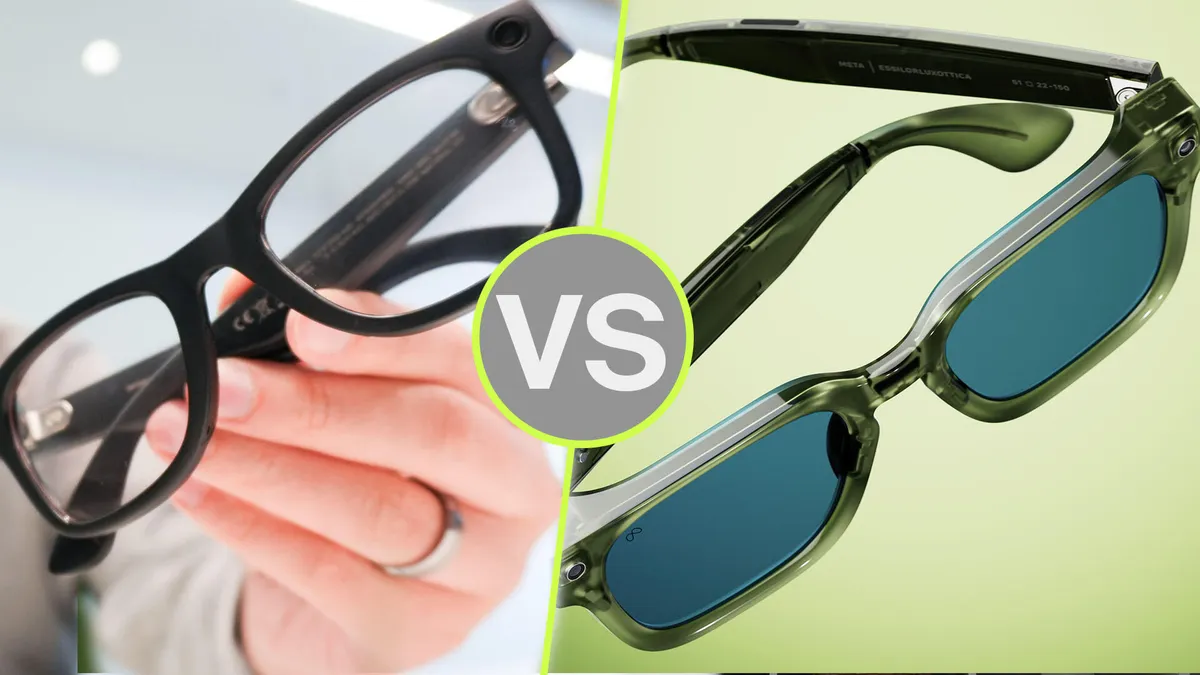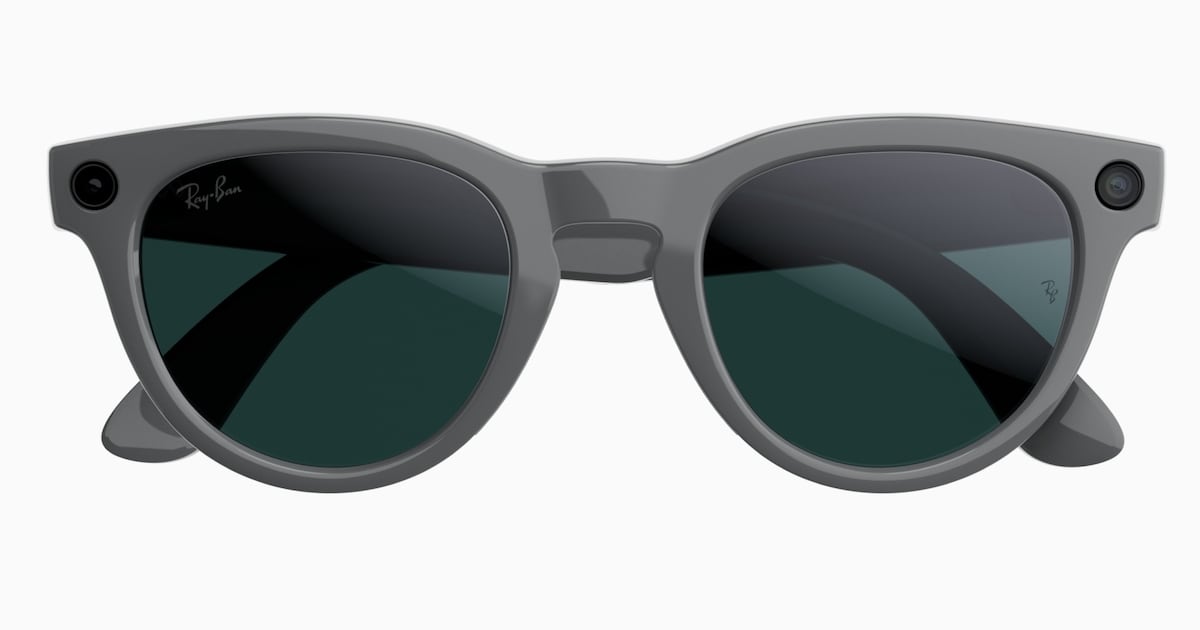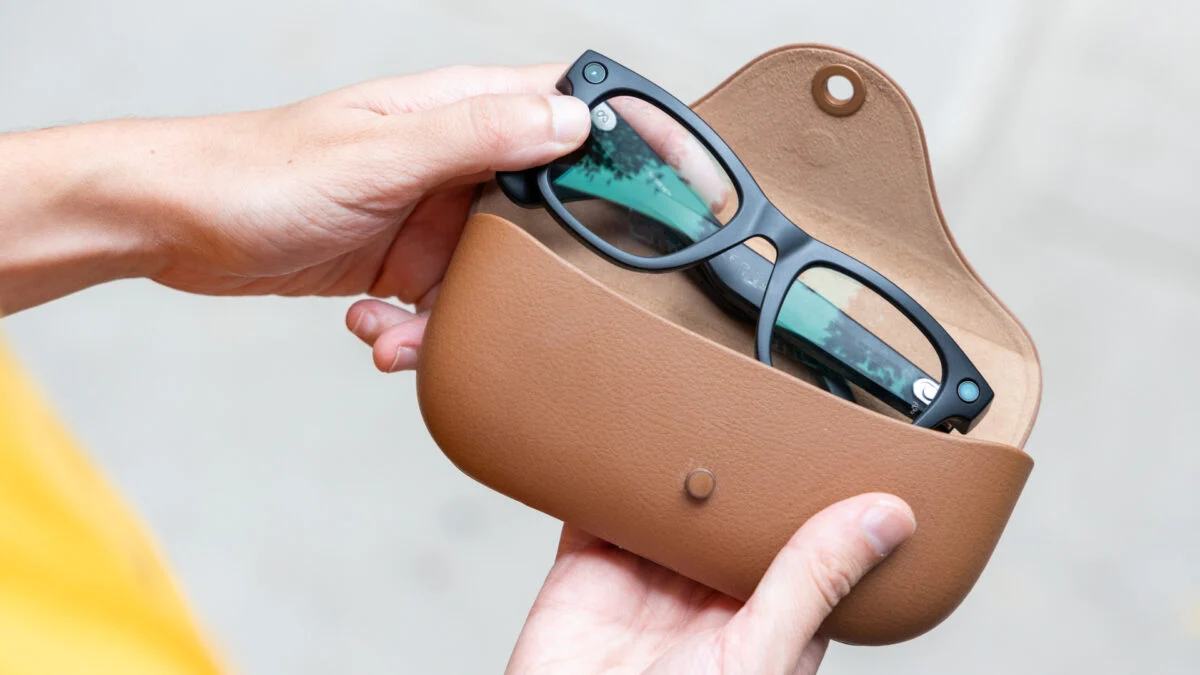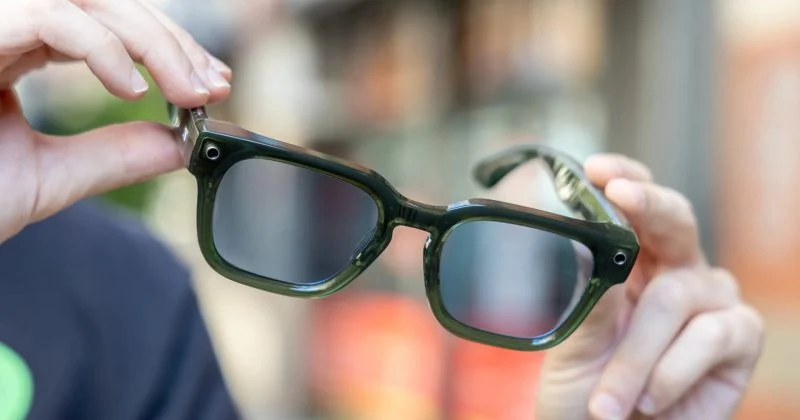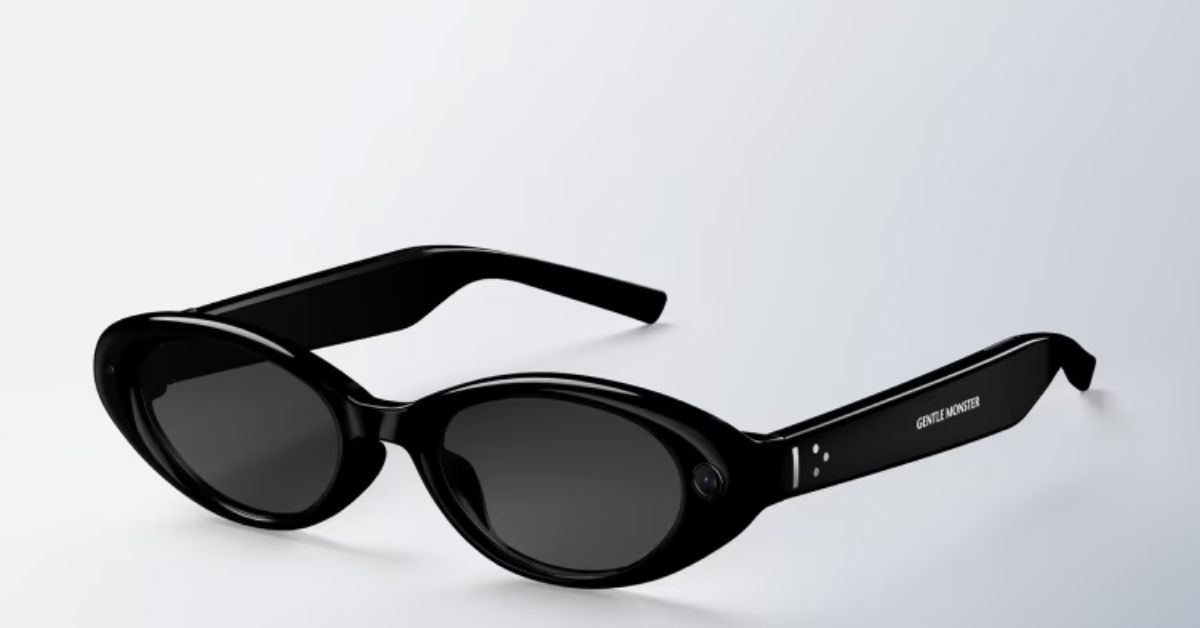
Smart glasses have come a long way since the days of Google Glass. For one, they actually exist in a way that has been commercially viable, thanks mostly to Meta. With the help of Ray-Ban branding, Meta has sold millions of smart glasses, and, if recent reporting is any indication, it already has several more pairs on the way this year alone.
Its initial success hasn’t gone unnoticed, either. Ray-Ban Meta smart glasses have pulled Google, Samsung, and potentially even Apple into the mix, with the former two companies planning to release their own pair this year. And that’s not even counting the various other upstarts that have managed to carve out a niche already. The interest in face-worn wearables is palpable, and in a lot of ways, smart glasses, for all of their obvious flaws, feel concrete. But as concrete as the interest is, the category also feels as nebulous as ever, and Meta, for all its popularity, is a perfect example. © Raymond Wong / Gizmodo Take apps, for instance. Meta has made some strides since the launch of the Meta Ray-Ban Display last year to try to add more functionality, but for the most part, it still feels like there’s not a ton to do once they’re on your face. You can get notifications, you can get directions, and you can swipe through Instagram Reels, and sure, it’s novel to be doing those things on a small screen on your face, but they don’t necessarily add up to a game-changing experience.