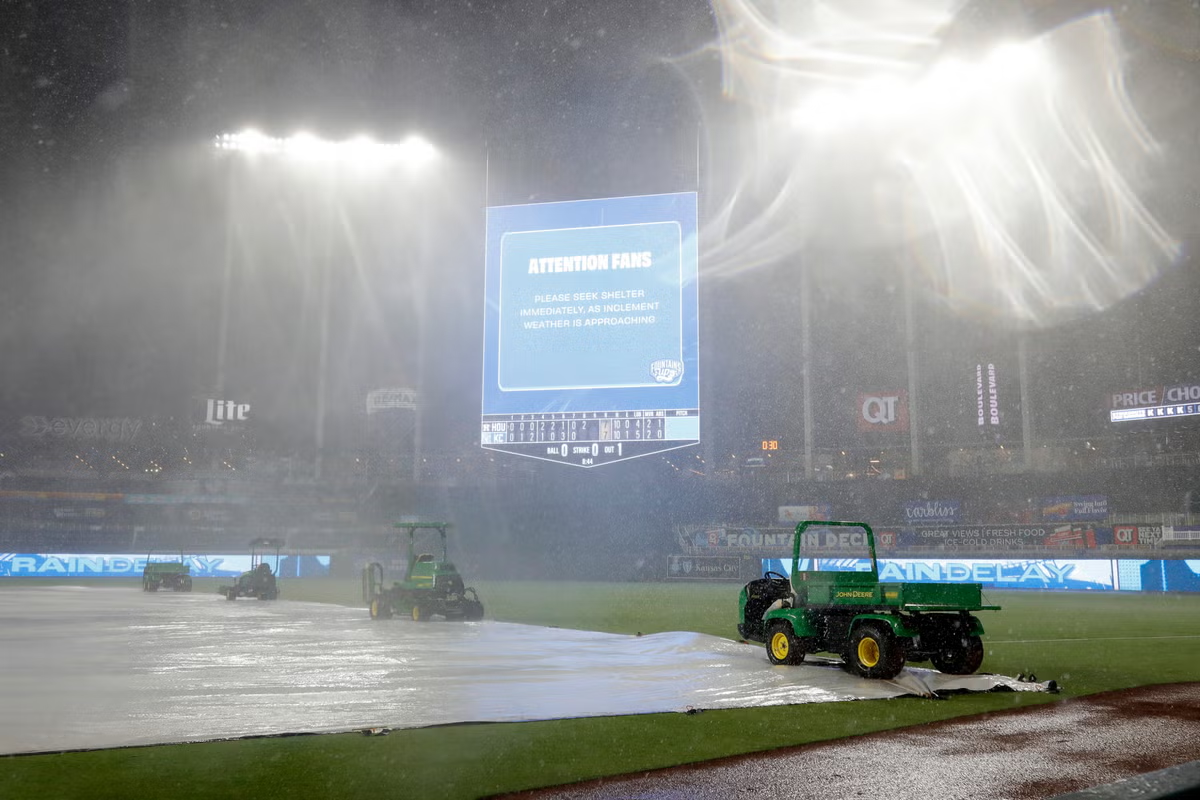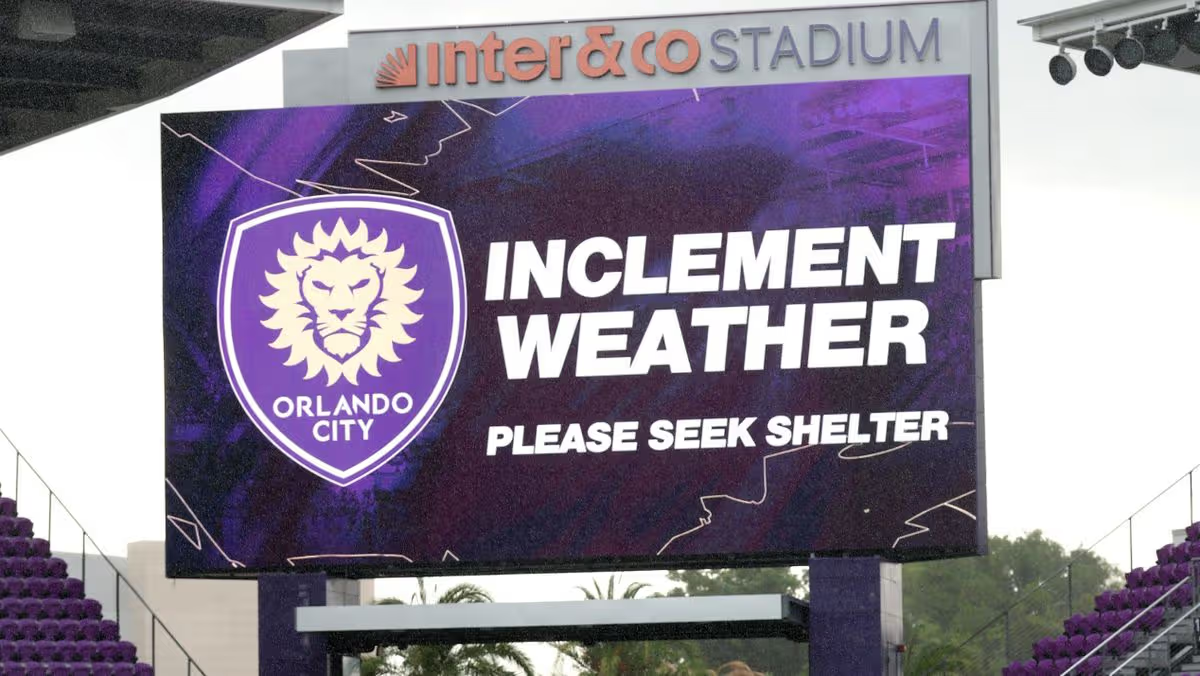
The 2.2m residents of Kansas City Metropolitan area were warned of a possible tornado this week, as a thunderstorm is forecast for Saturday; the day the Three Lions are due to fly into Kansas from Florida14:30, 11 Jun 2026Americans excited by England arrival at Kansas baseThe England team faces yet more World Cup weather chaos after the area of their training base was put on a 'Tornado alert'.The 2.2 million residents of the Kansas City Metropolitan area were warned of a possible tornado into the early hours of today. More worryingly for England, a thunderstorm is forecast for Saturday, the day they are due to fly into Kansas from Florida.They are due to take part in their first training session at the Swope Park training facility on the outskirts of the city shortly after arrival. England fans faced freak weather and a torrential downpour in Florida before the team's convincing 3-0 victory over Costa Rica in their final warm up game on Wednesday.They could do without any further disruption to their schedule after the kick off of their game in Orlando was delayed for an hour due to the storms. Major buildings in Kansas City, including the city's international airport, are prepared to protect the population with 'Tornado evacuation rooms'.Experts say the extreme conditions have been made worse by the impact of global warming and the 'El Nino effect. Tuchel's squad is due to arrive in Kansas City on Saturday for four days of training and preparation before the opening match against Croatia on June 17 in Dallas.Summer thunderstorms are widespread and common in cities such as Miami, Houston and Atlanta, where warm, humid conditions can trigger frequent afternoon and evening storms. If lightning is detected within 10 miles of a stadium, the US official recommendation and standard practice is to suspend play until 30 minutes after the last lightning strike.Kansas City has recently experienced heavy rainfall. When a tornado watch is in place tornadoes are possible in and near the watch area, according to the National Weather Service.The US National Weather Service suggests that people in the warning area review and discuss their emergency plans, check supplies and have a safe room in case the weather takes a turn for the worse. When a tornado warning is issued it means a tornado has been sighted or indicated by weather radar and there is "imminent danger to life and property."The advice to residents includes moving to an interior room on the lowest floor of a sturdy building, and avoiding windows. The Three Lions squad will also face intense humidity and a freak weather phenomenon known as 'corn sweat' in Kansas.The area has average highs reaching 30-32C (87°F–90°F). "Corn sweat" refers to the intense humidity caused by corn plants releasing massive amounts of water vapour into the air during summer days in the area.The process, known as evapotranspiration, can make heat waves feel significantly hotter, pushing dew points into the 70s and making outdoor work dangerous in July. Corn plants draw water from the soil and release it through pores in their leaves to stay cool, similar to human sweat.Tuchel chose the location in the central US state to reduce travel time and prepare for a potential trip to Mexico City in the later rounds of the tournament. The world famous Azteca stadium is at altitude and could provide the toughest conditions of all for his team. In Kansas city, corn sweat can raise humidity levels by 30 to 40 percent on a hot day.Article continues belowAccording to locals, this turns average Kansas summer days into "three-shirt days," making it difficult for human sweat to evaporate and cool the body. Heat, thunderstorms and poor air quality from wildfires mean the weather will be a key factor in the tournament.In parts of the southern United States and Mexico, average daytime highs are typically in the low to mid-30sC (mid-90sF) and can rise toward 40C (104F) during hotter spells.According to experts, a typical summer air temperature of 32°C (90°F) in Miami would regularly feel like 43C (109F). In New York, the location of this year's World Cup final on 19 July, a typical heatwave could result in air temperatures in the mid-30sC (mid 90F).
England's training base on horror tornado alert after storm forecast to smash US
The 2.2m residents of Kansas City Metropolitan area were warned of a possible tornado this week, as a thunderstorm is forecast for Saturday; the day the Three Lions are due to fly into Kansas from Florida
701 words~3 min read