Story audio is generated using AI
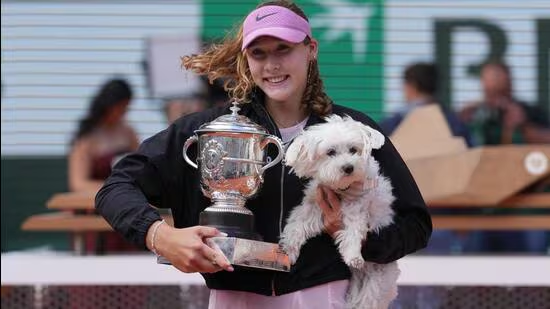
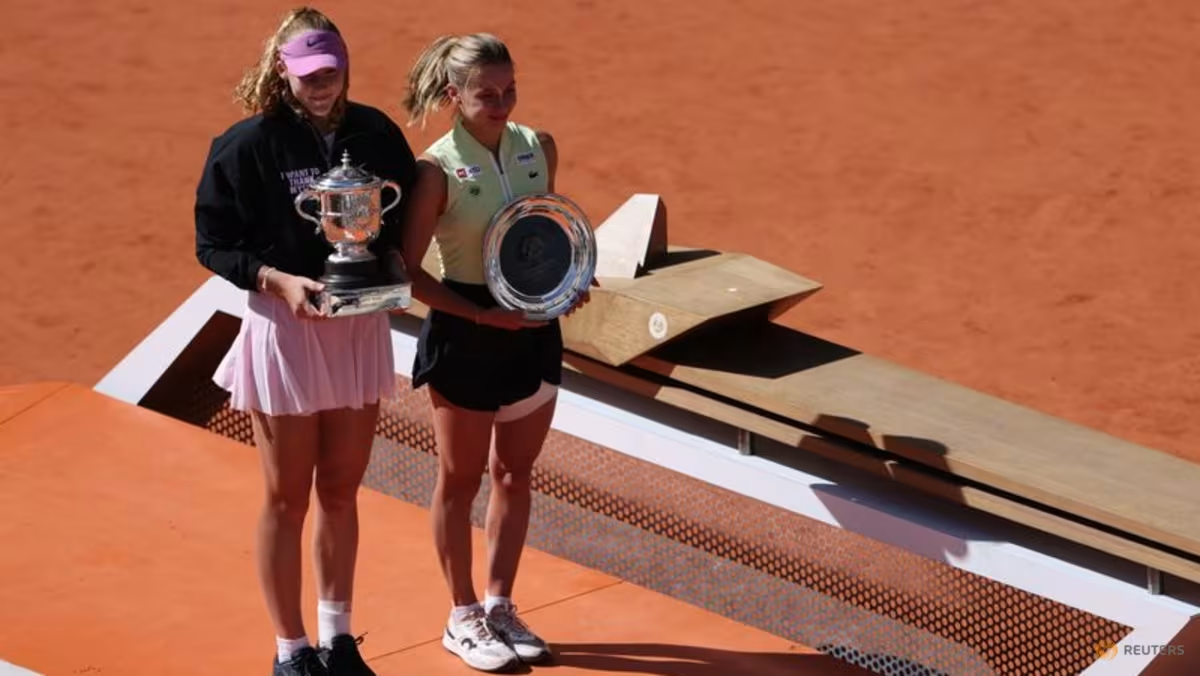
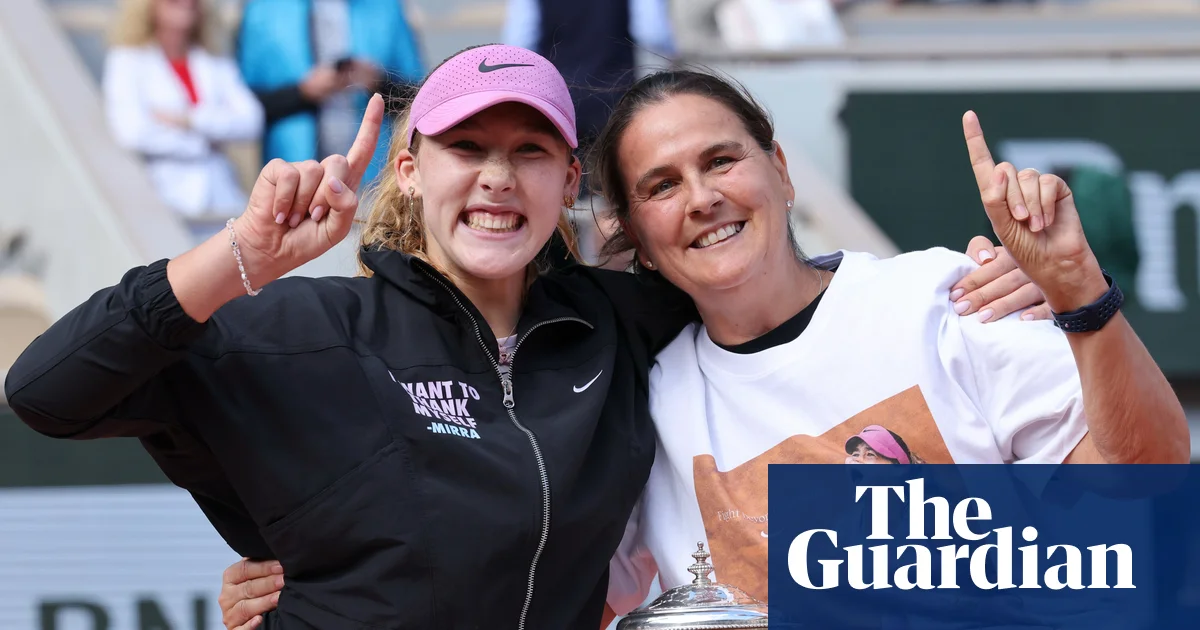
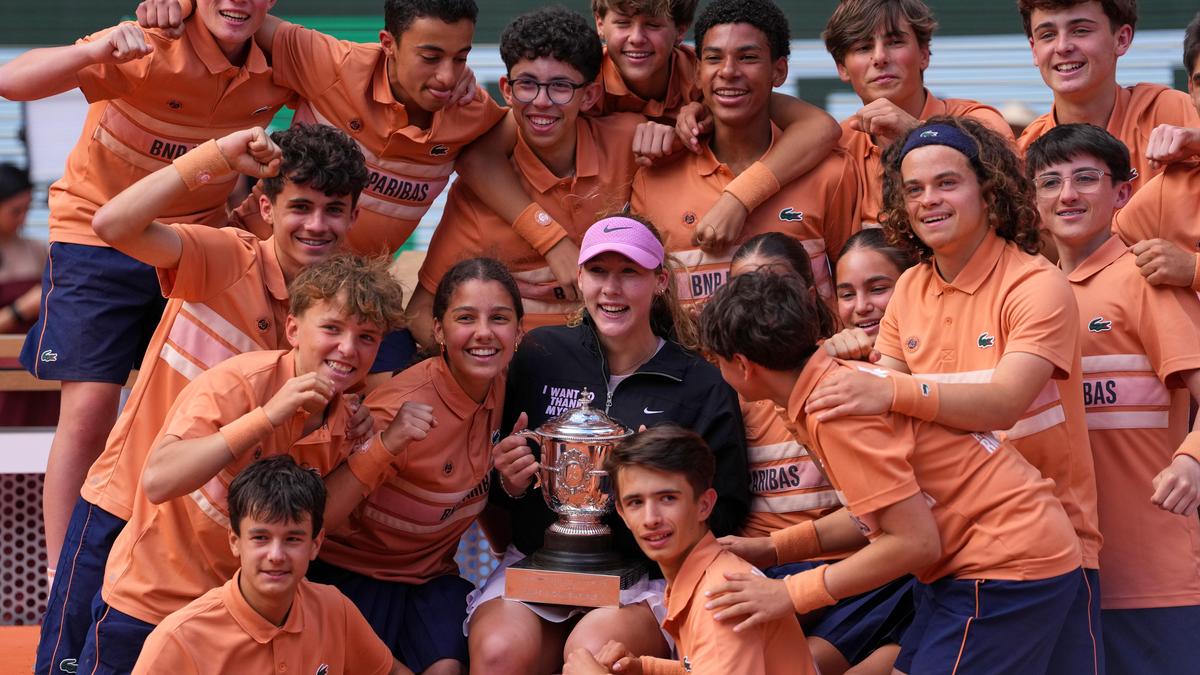
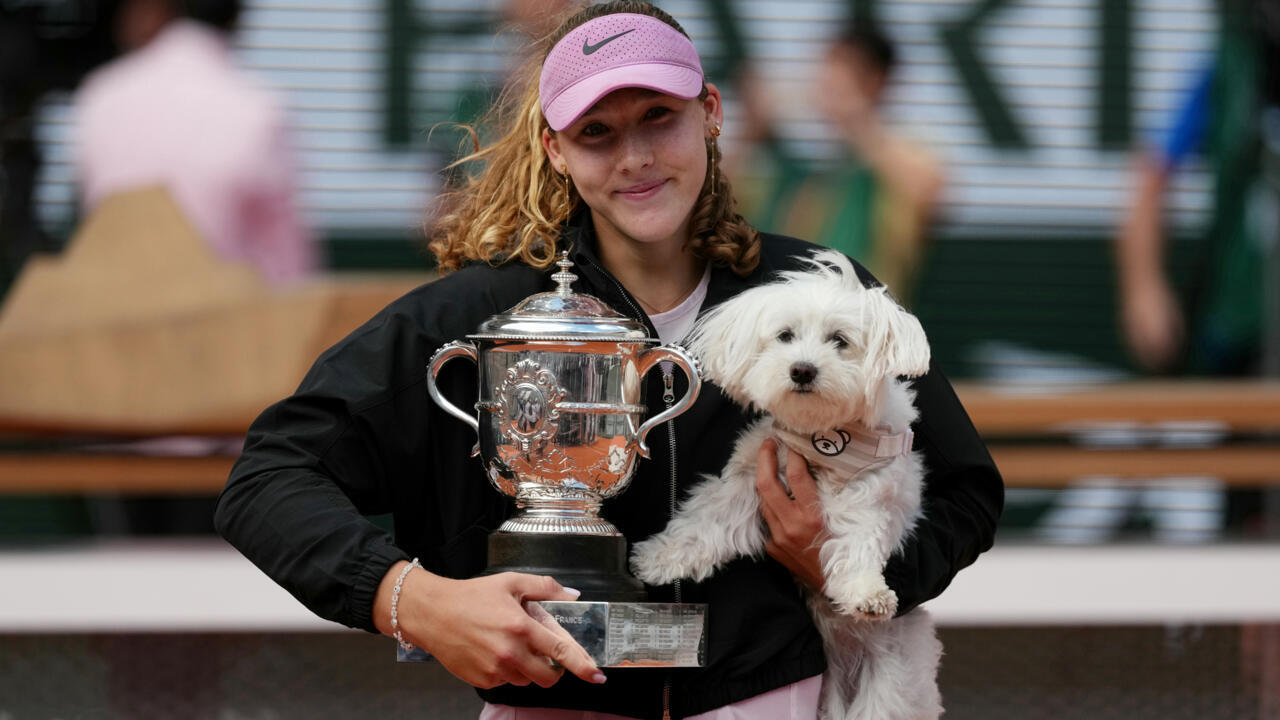
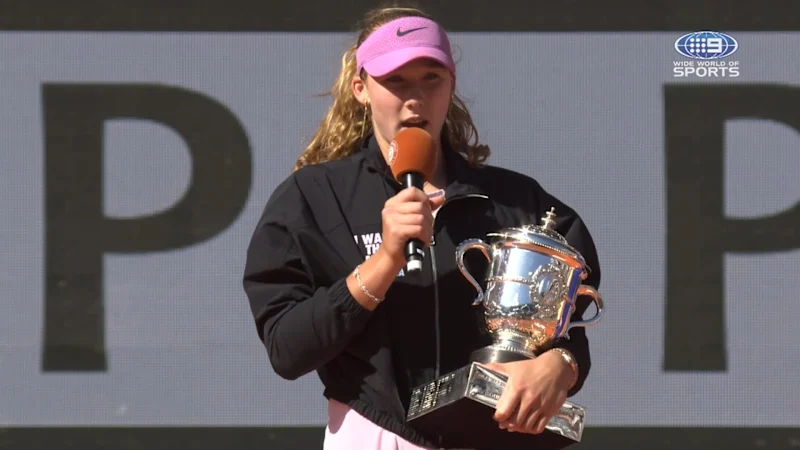
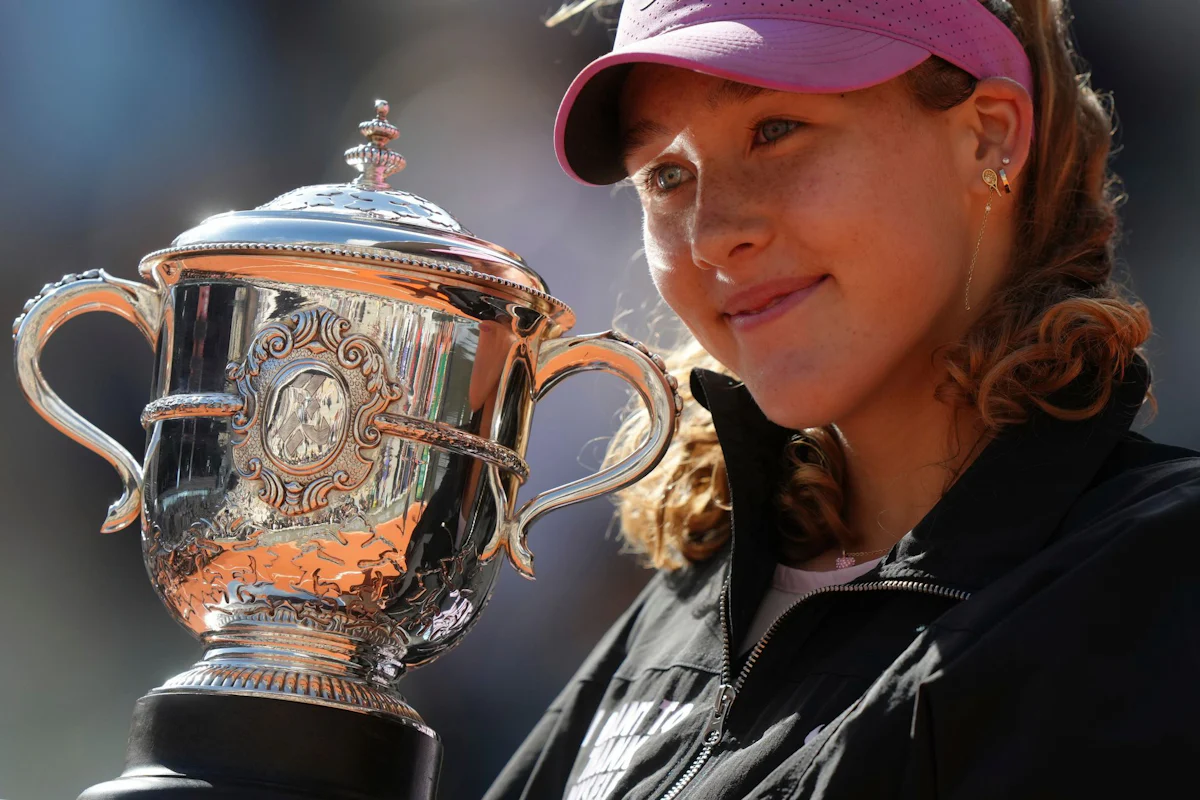
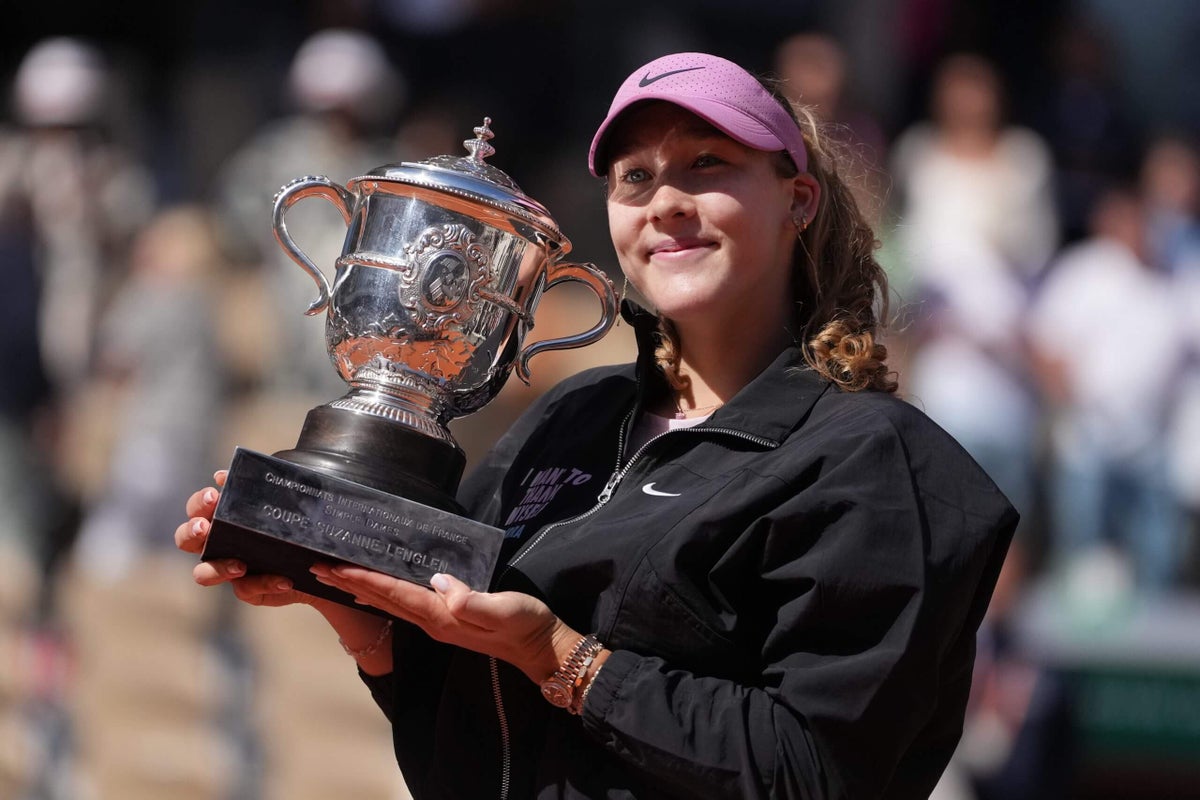
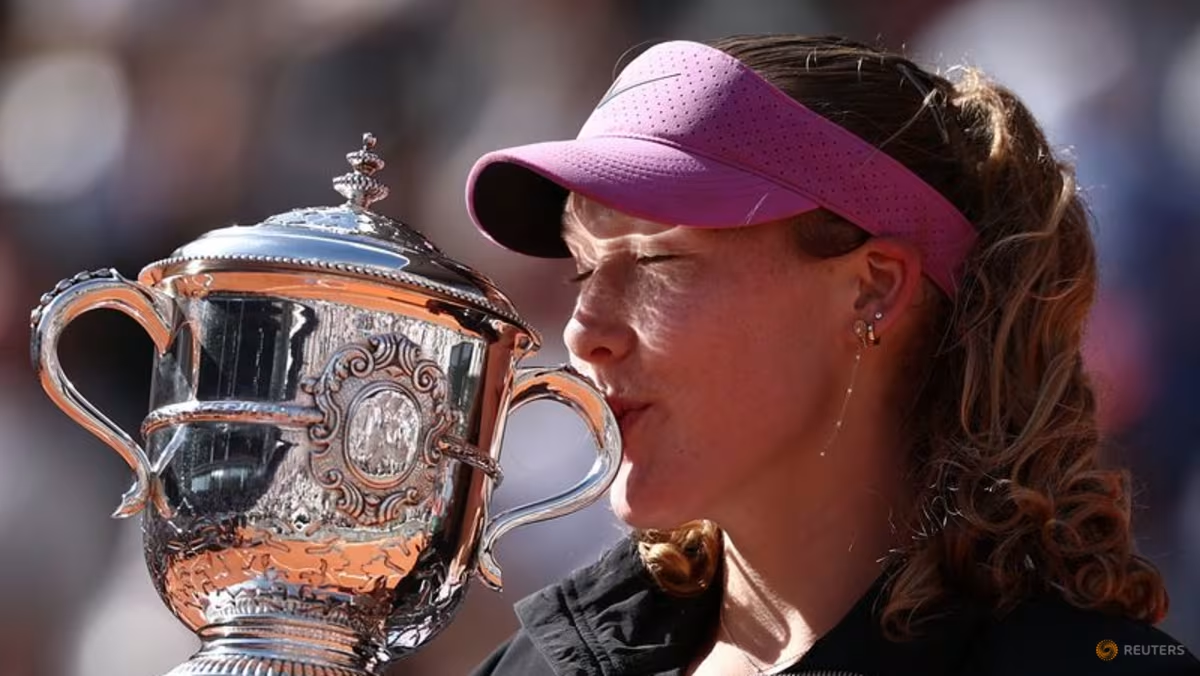
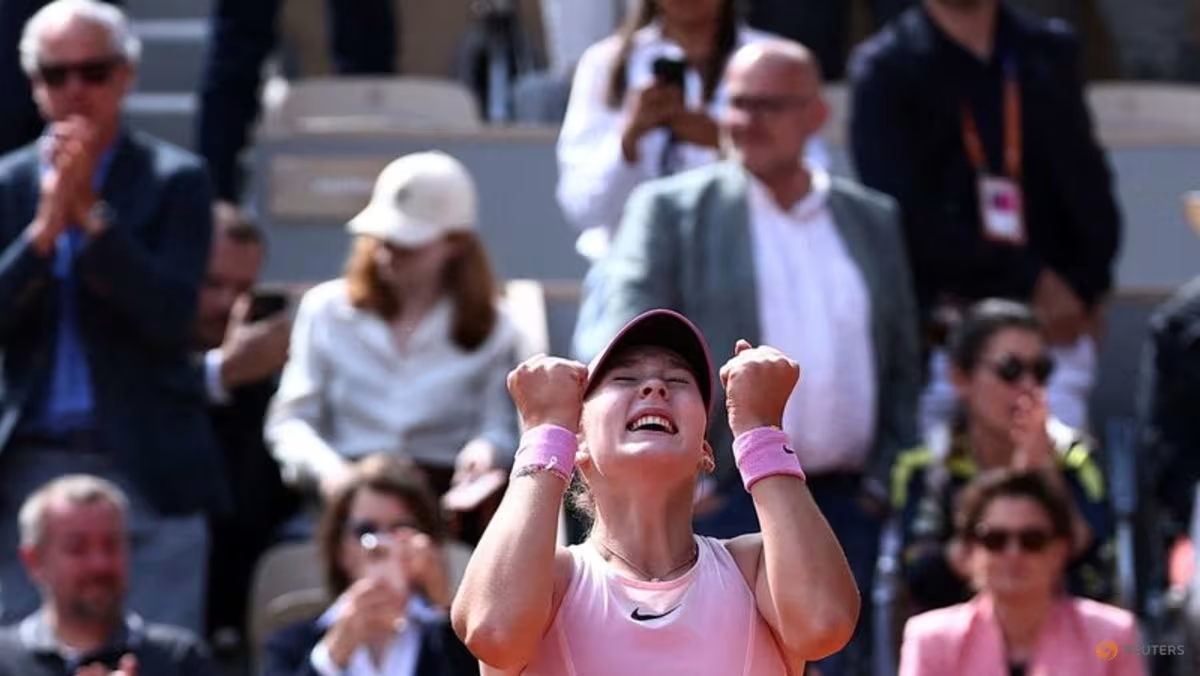
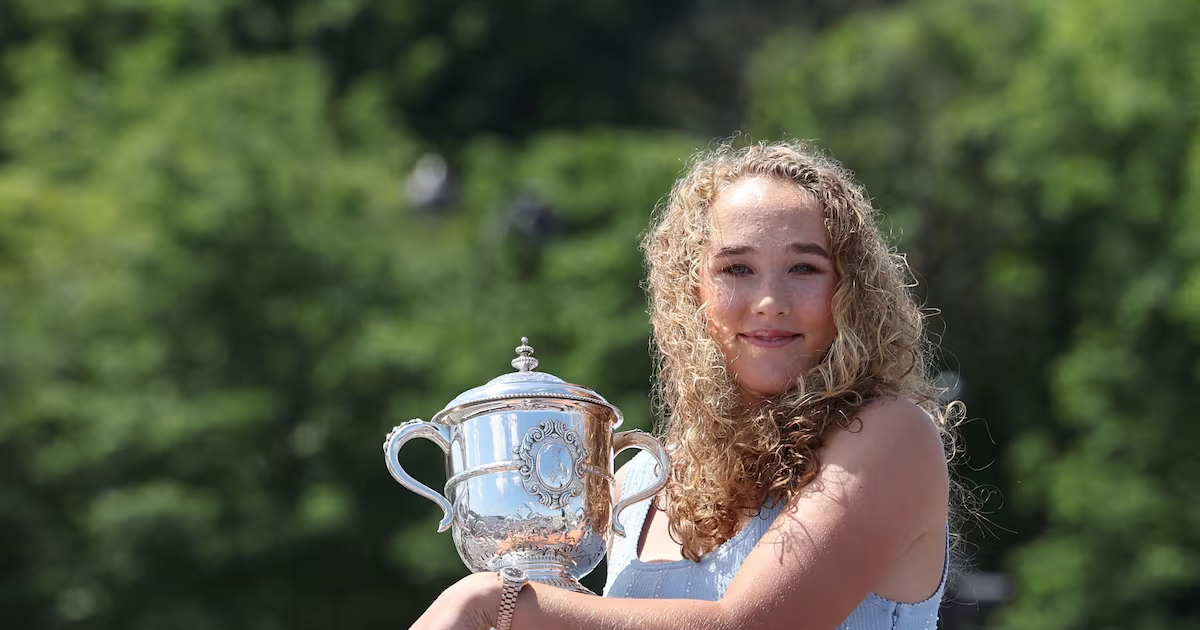
“And last, I want to thank myself.” So said new French Open champion Mirra Andreeva in her victory speech as she clung proudly to the Suzanne Lenglen trophy after beating Polish qualifier Maja Chwalinska at Roland Garros last Saturday.The Russian teenager had already dispatched a litany of thanks to her coach, Major winner Conchita Martinez, her mother, Raisa, tournament organisers and others. However, giving herself some well-deserved credit — as she did when she won her first WTA title at Indian Wells in 2024, beating world No 1 Aryna Sabalenka — caused more of a stir than her first Major triumph. Critics forget Andreeva’s opponent in this French final had suffered severe depression in 2019, and only upon regaining her confidence did Chwalinska, No 336 in the world, return to the Tour to achieve her fair share of success. Not since Emma Raducanu‘s fairytale 2021 US Open win has a qualifier reached a Grand Slam final. In other words, unfettered self-belief is necessary for any aspiring or current champion. And given the constant refrain about the mental fragility of young athletes and the pressure exerted on them in this ruthless social media era — exemplified by former world No 1 Naomi Osaka’s decision to withdraw from media duties at Roland Garros in 2021 to protect her mental health — how refreshing it is to see a teenager gleefully acknowledge that her hard work and discipline have paid off.Moreover, it indicates you are taking full responsibility for your own actions.Lest we forget, a year ago, Andreeva — prone to wearing her heart on her sleeve — had a very public meltdown at Indian Wells, where, as defending champion, she was axed by lower-ranked Katarina Siniakova in a three-hour, three-set thriller, presenting 42 break-point opportunities. The Russian, similarly on occasion to fiery ATP compatriots Daniil Medvedev and Andrey Rublev, destroyed her racket before cursing the American crowd and displaying her full wrath with her middle finger. Coach Martinez immediately enlisted the help of a psychologist, as did Rublev after his 2024 Dubai Open semis implosion and the results are plain to see.Ironically it was Andreeva’s primary sponsor — of “Just do it” fame — who produced her black jacket with “I want to thank myself” embroidered on the back and not the Russian teen herself. I would trust the “Just do it” judgement in celebrating a positive — “I did it” — attitude over and above the naysayers, dismissing self-acknowledgement as sheer arrogance. After all, she did thank her psychologist as well.As for the other maiden major victor and new French Open champion, Alexander Zverev, he was perhaps more modest in victory, in declaring collectively — “We are finally Grand Slam champions” — including father, Alexander and brother Mischa, an indelible part of the winning equation.That said, few would remember that former No 1 Juan Carlos Ferrero, before he took on teenage Carlos Alcaraz as his protégée, walked away from coaching Zverev, having found him ill-disciplined, unfocused and displaying zero work ethic. Like that universal sponsor tells you to do it one way or another, and he ultimately has only himself to thank. He psychologically will now have “Grand Slam winner” etched in his mind’s eyeCloser to the truth, Zverev was struggling with off-court distractions. The German’s work ethic and discipline, post his Olympic gold and two ATP final trophies, have not been in question, neither has his burning desire to win a Slam. Yet definitely his self-belief had been severely eroded after coming so near in three Major finals to lifting his first piece of Major silverware.Whether or not it was the absence of world No 1 and 2, Jannik Sinner and Alcaraz, coupled with Zverev managing to avoid any gruelling five-setters until the final furlong that infused him with sufficient self-belief to shake the monkey off his back, he “just did it”. Like that universal sponsor tells you to do it one way or another, and he ultimately has only himself to thank. He psychologically will now have “Grand Slam winner” etched in his mind’s eye.As for Cobolli, his “thank you list” in defeat was much shorter. He didn’t mention his father, Stefano, who is also his official coach — Zverev had to do that for him in identifying the oversight. But the Italian made no mistake in reminding the German that “I came close” to beating him, which he certainly would have had his previous marathon matches not caught up with him in the fifth set versus Zverev. Thus we should salute this current crop of next-gen stars, be it Andreeva, Joao Fonseca, Rafa Jodar or Cobolli, who, far from being prone to self-flagellation or mired in depression, instead exude a positive self-image, unashamedly ooze self-confidence and enjoy the fruits of and acclaim for their arduous labour.