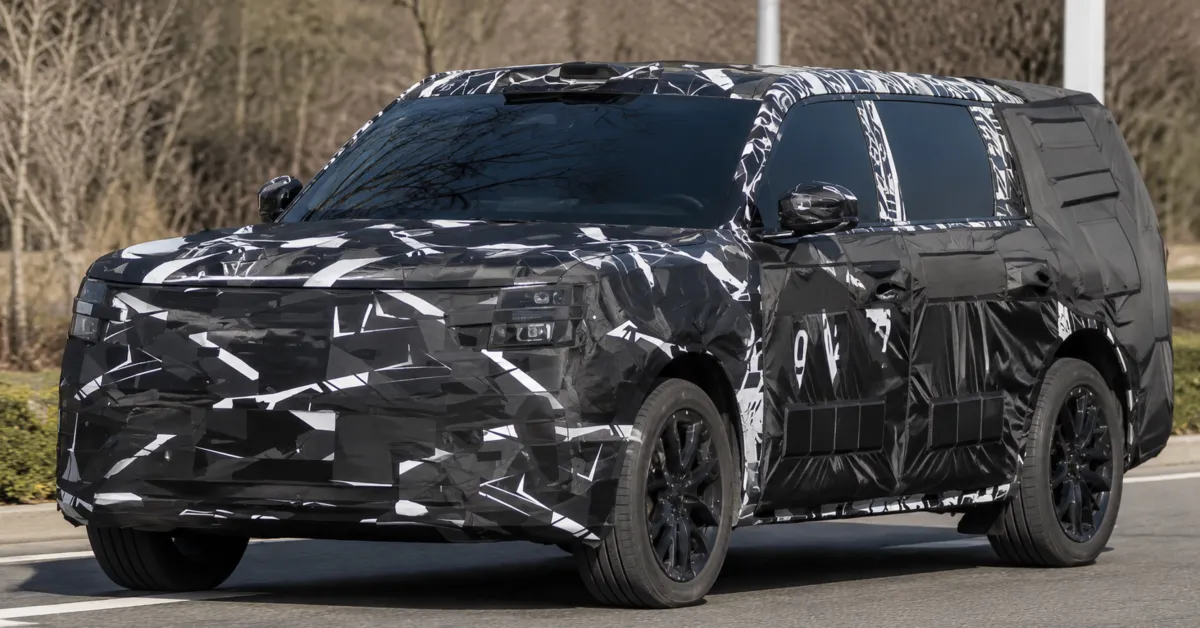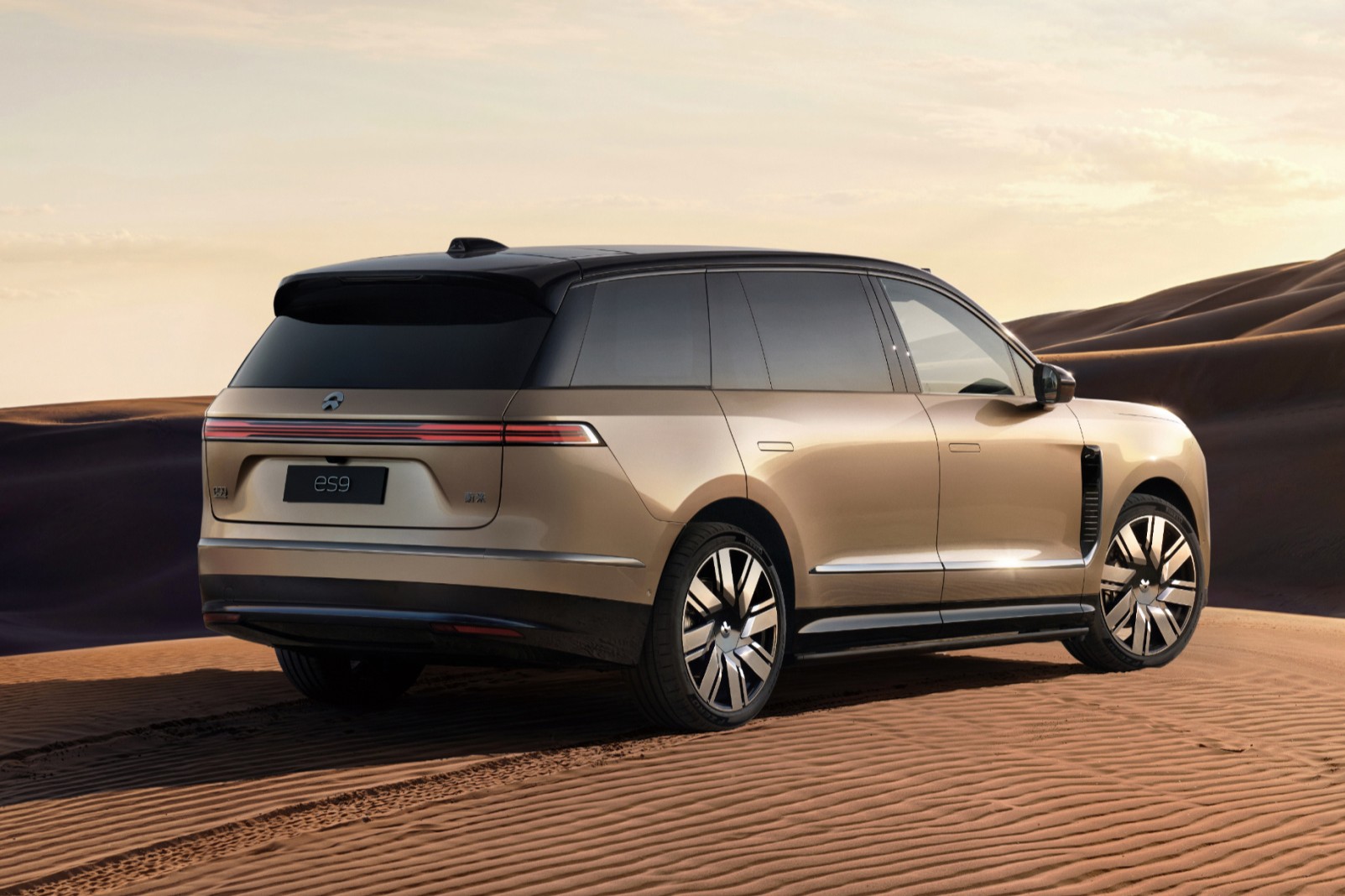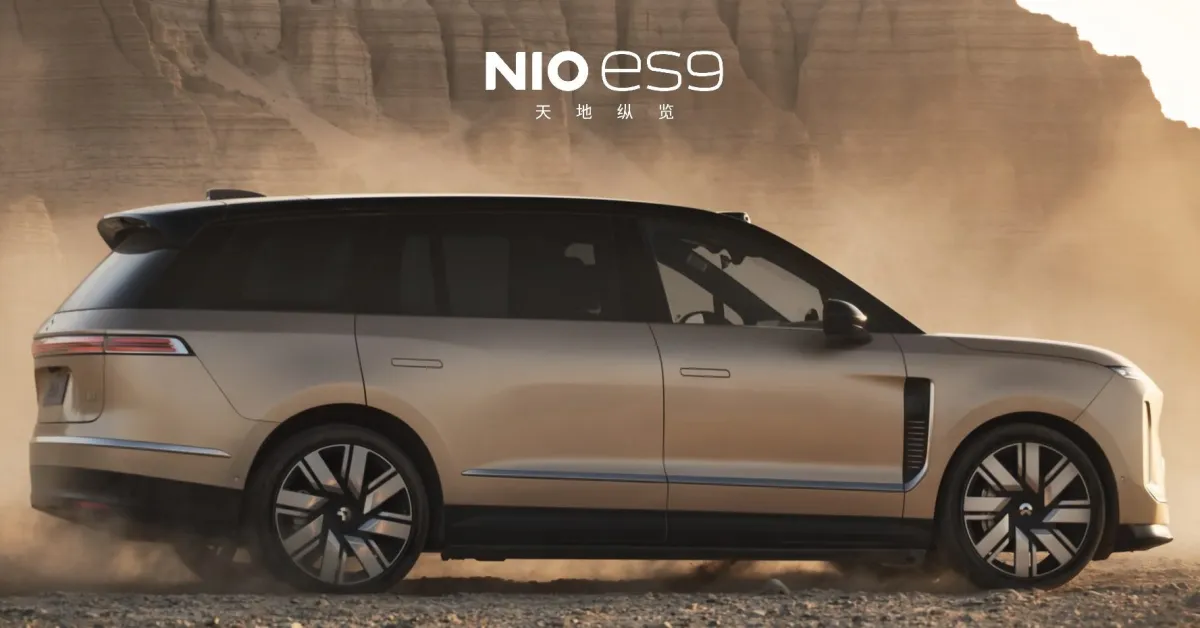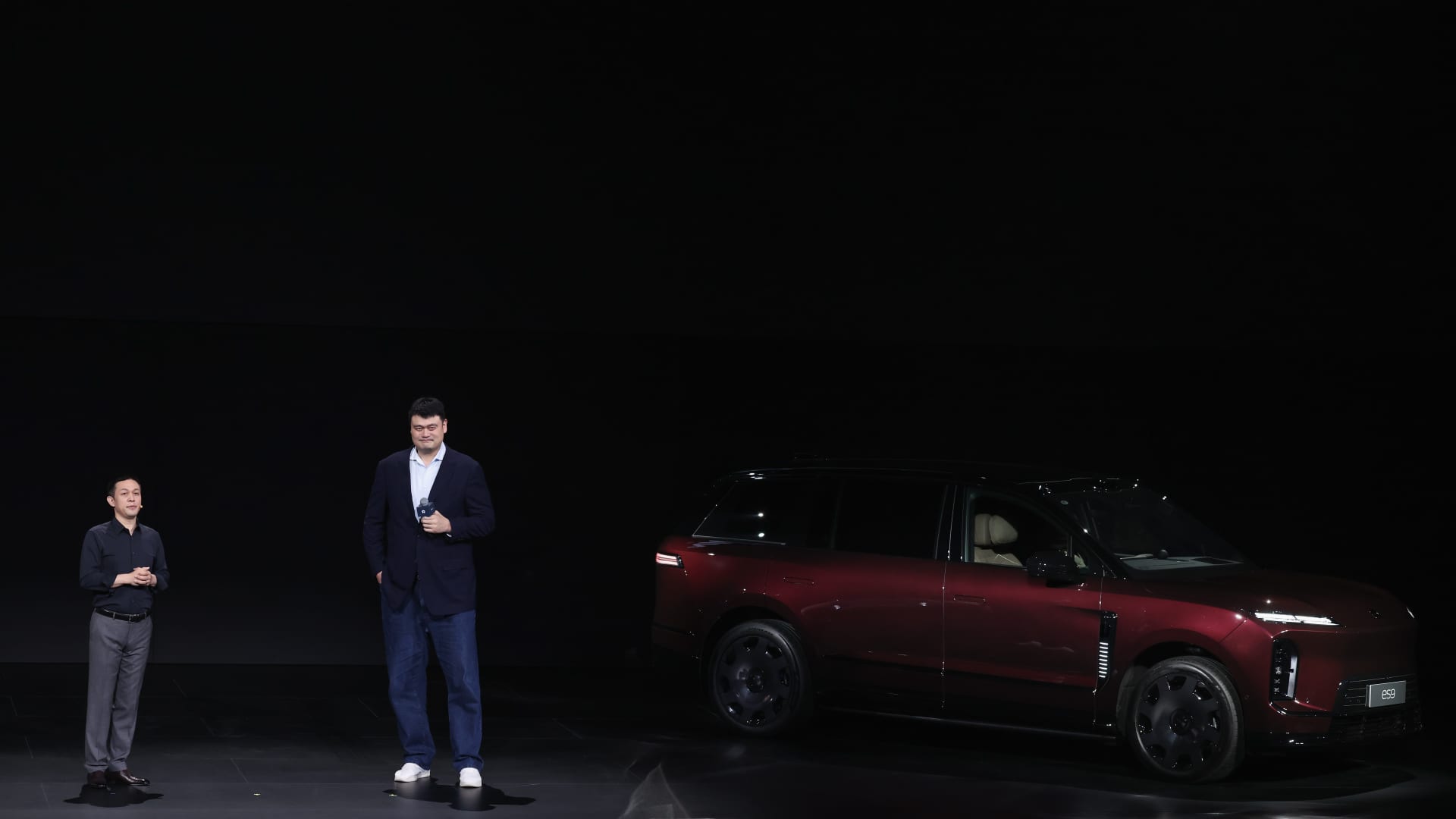
Three new flagship SUVs launched in less than two weeks, intensifying competition in China’s high-end new energy vehicle (NEV) market.
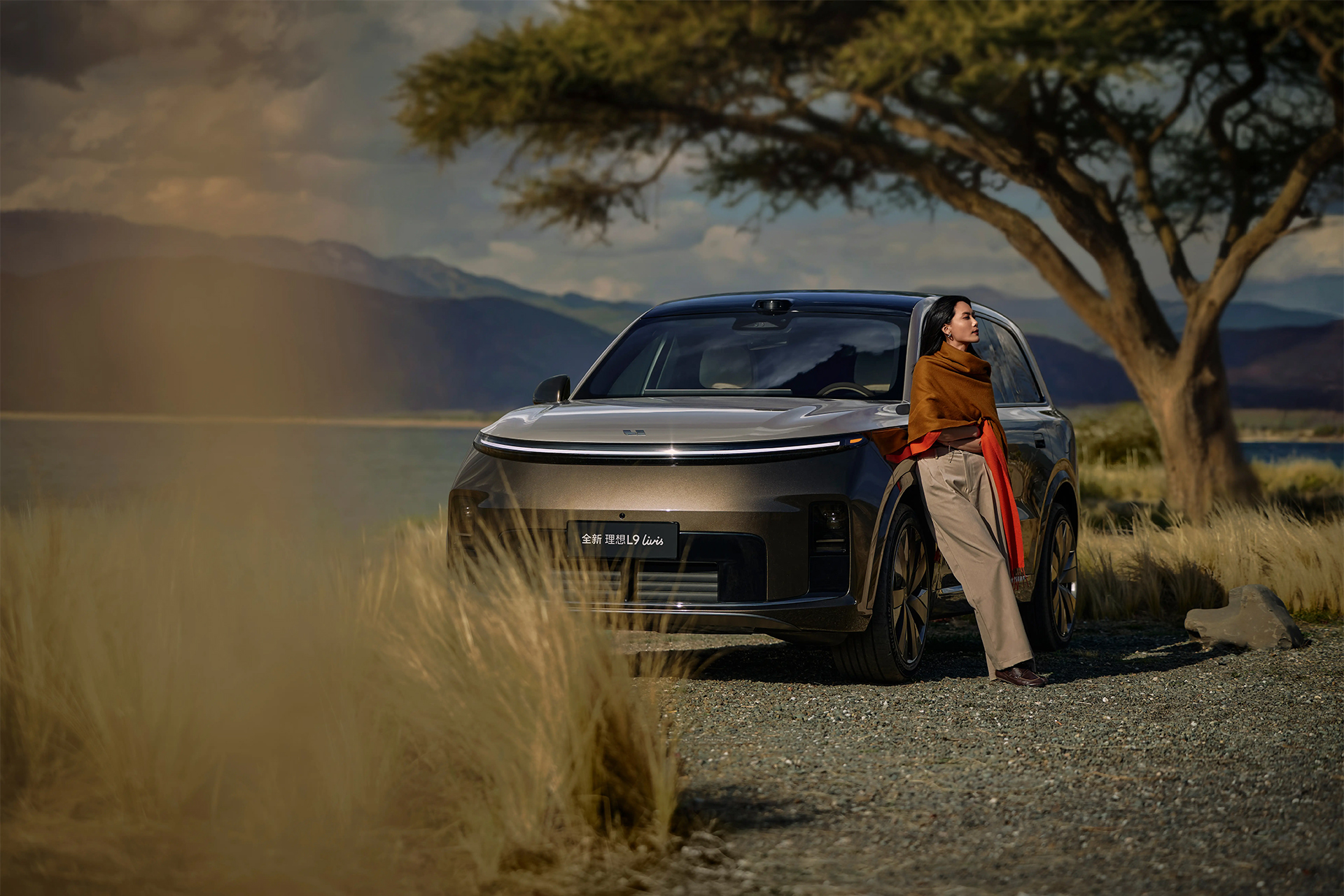
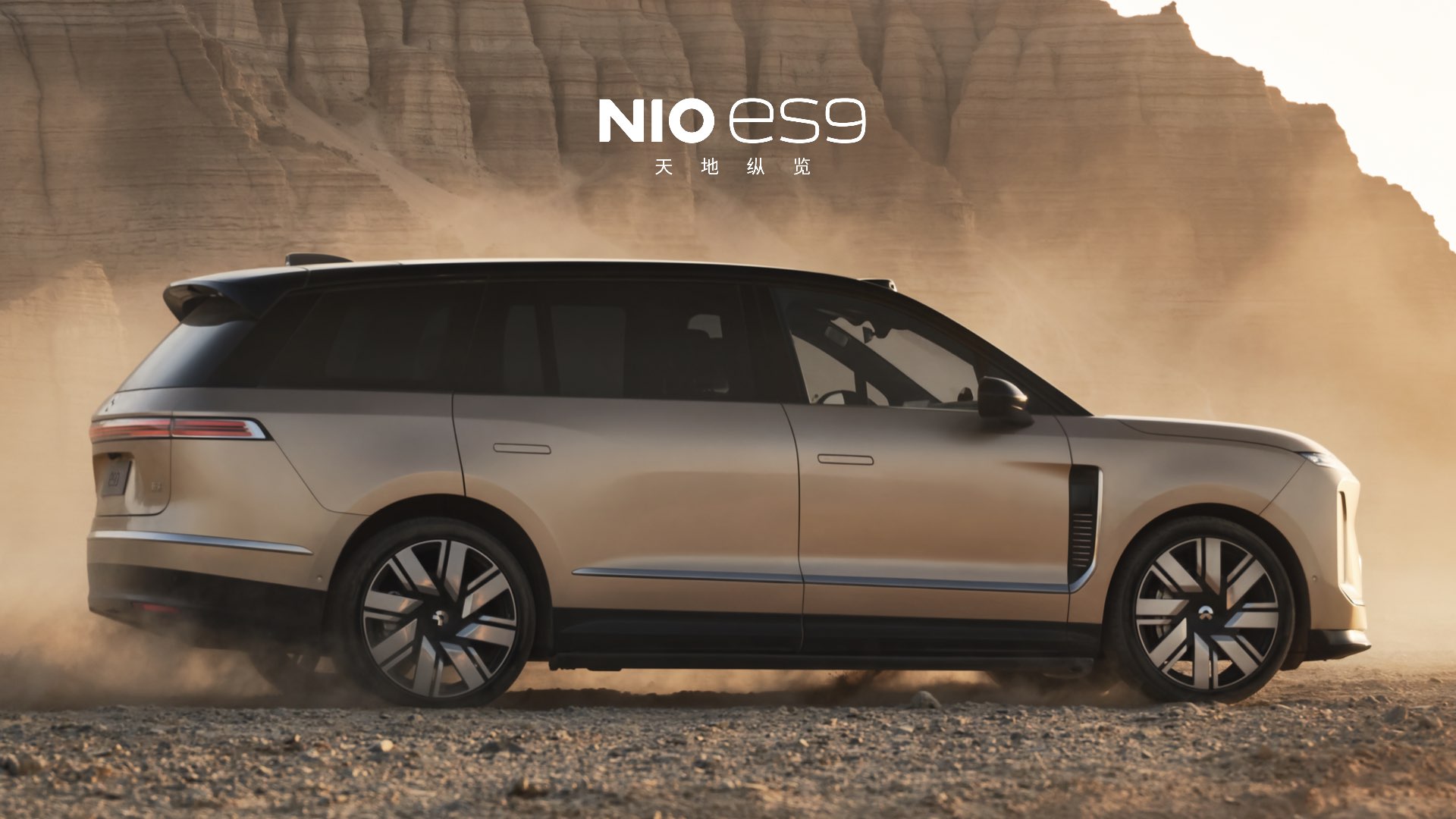
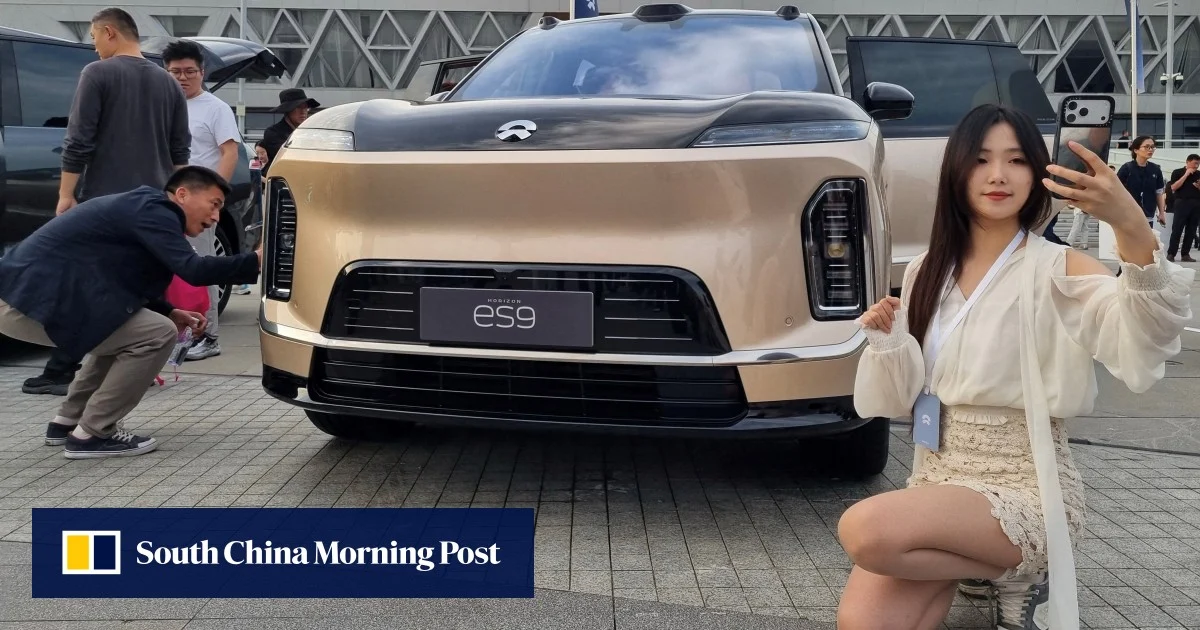
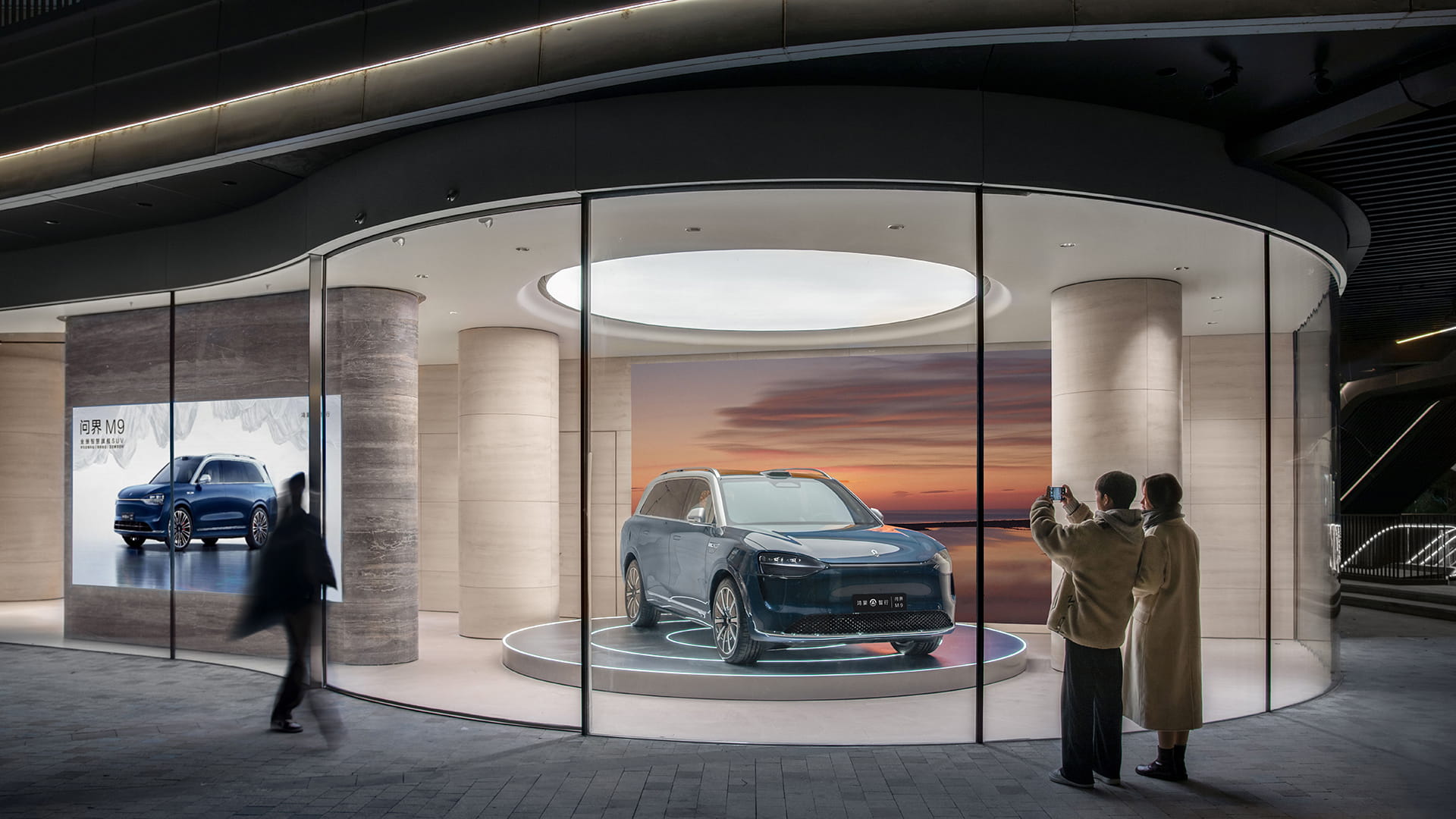
On May 15, Li Auto released the new-generation Li L9. Its Livis version comes with an 8,000-volt active suspension, brake-by-wire, steer-by-wire, and a full drive-by-wire chassis, with prices starting at RMB 509,800 (USD 75,133). On May 27, Nio launched the ES9 on the same day that Aito introduced the latest M9. Nio’s ES9 starts at RMB 498,000, (USD 73,394) while the new Aito M9 starts at RMB 499,800 (USD 73,659.2).
The new Li L9, launched by Li Auto on May 15. Photo source: Li Auto.
Major NEV brands are converging on the RMB 500,000 (USD 73,688.7)-and-above segment for strategic and financial reasons. In the first quarter of 2026, Li Auto’s sales rose year-on-year, but entry-level models such as the Li L6 and i6 accounted for 70% of orders, weighing on its sales mix and pushing the once-profitable automaker back into a quarterly loss. Nio, by contrast, lifted its core sales range to around RMB 400,000 (USD 58,951) with the ES8, while narrower first-quarter losses reflected both higher pricing and stronger scale effects.
After years of configuration and price competition, profit margins for affordable entry-level models have thinned. Moving toward the RMB 500,000 segment is not only a shift in brand positioning, but also a push for more sustainable profitability.