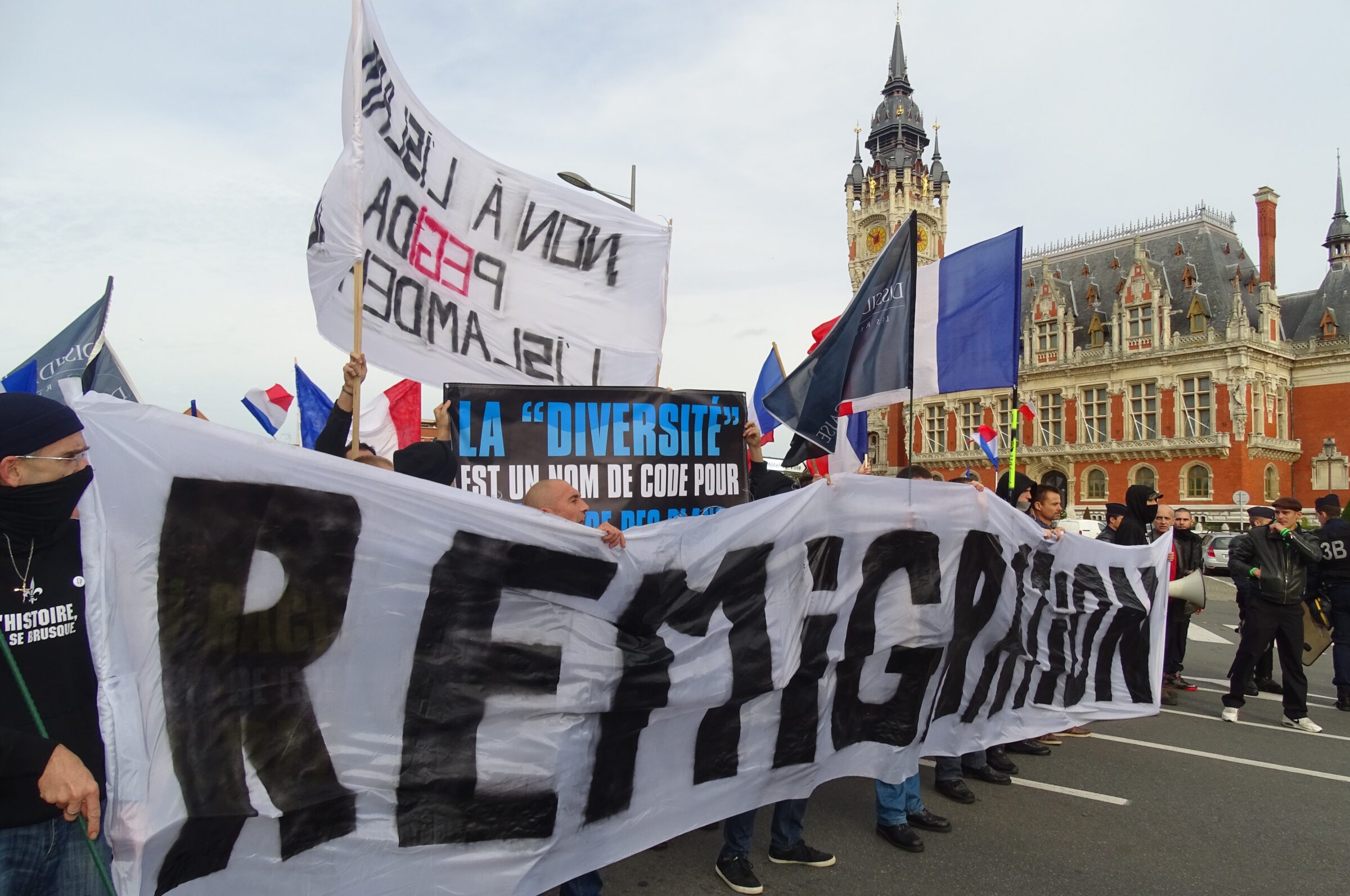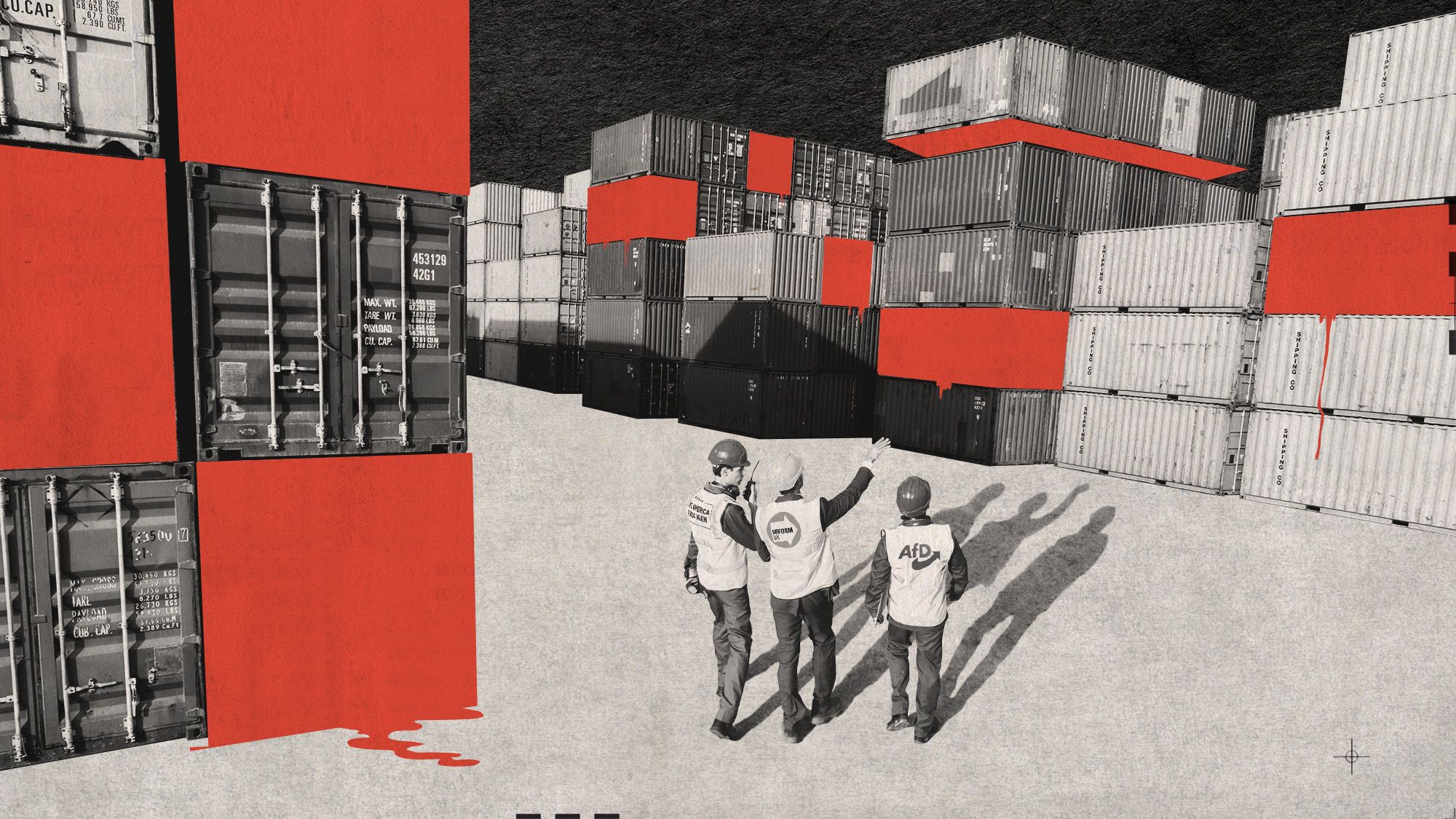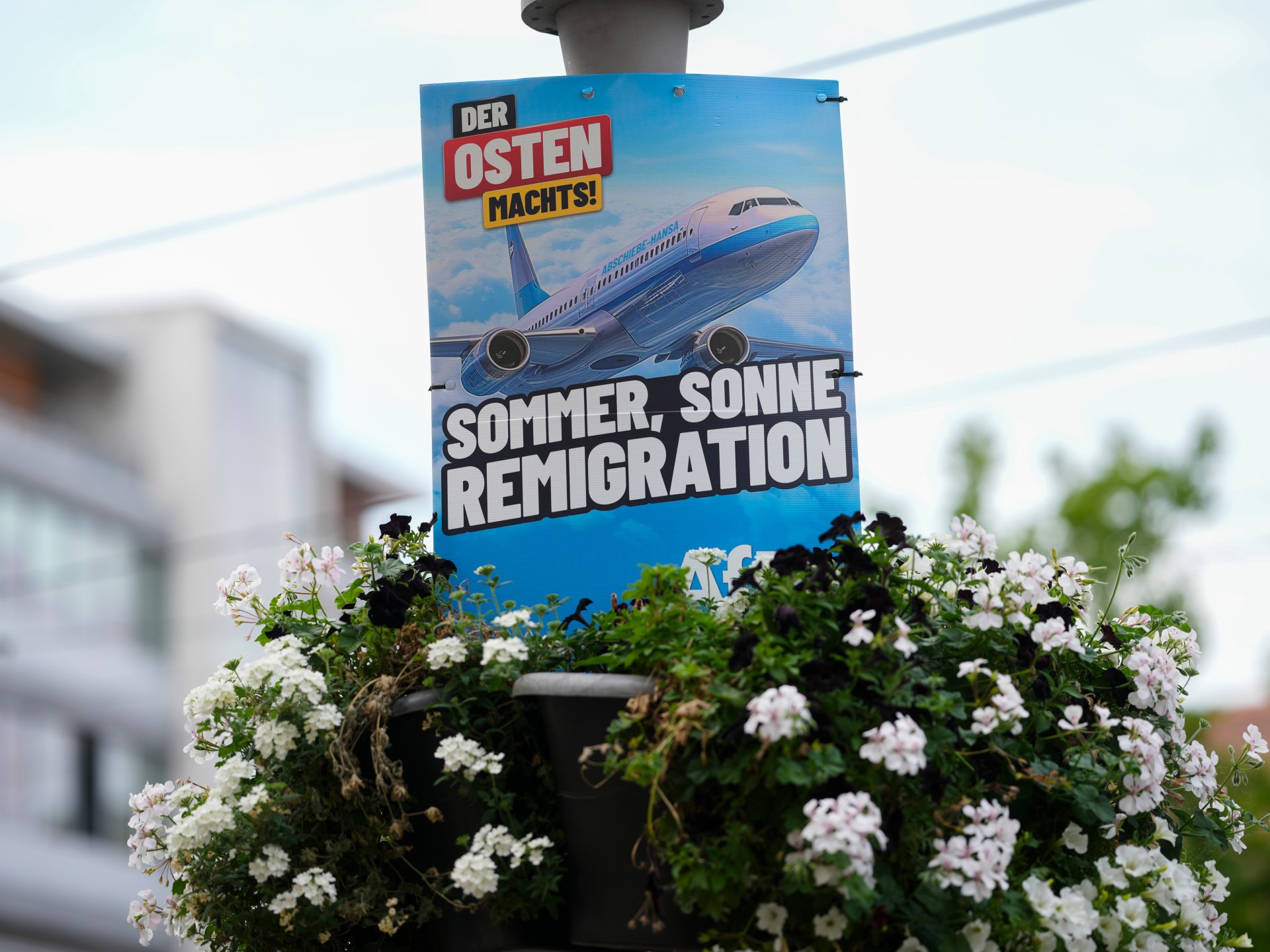
What was once considered a fringe idea is increasingly testing the boundaries of mainstream European politics.
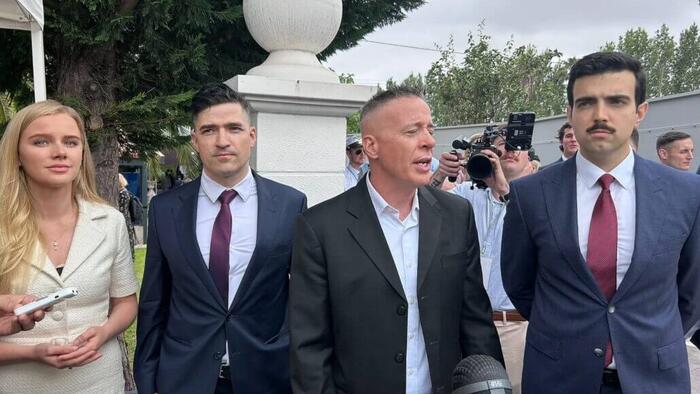
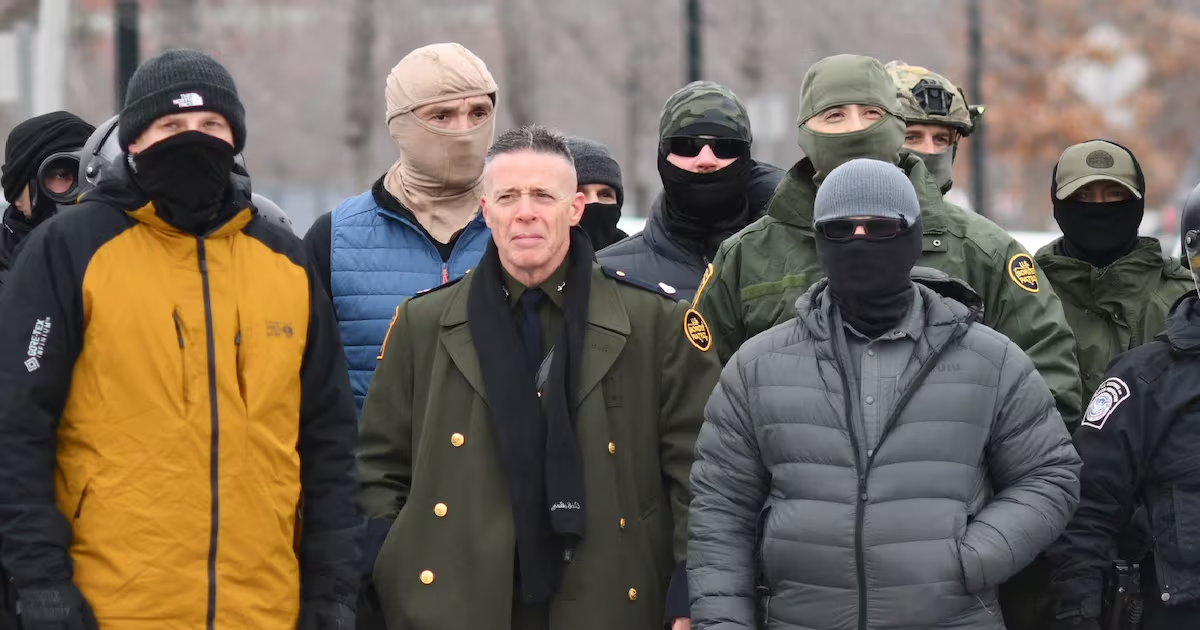
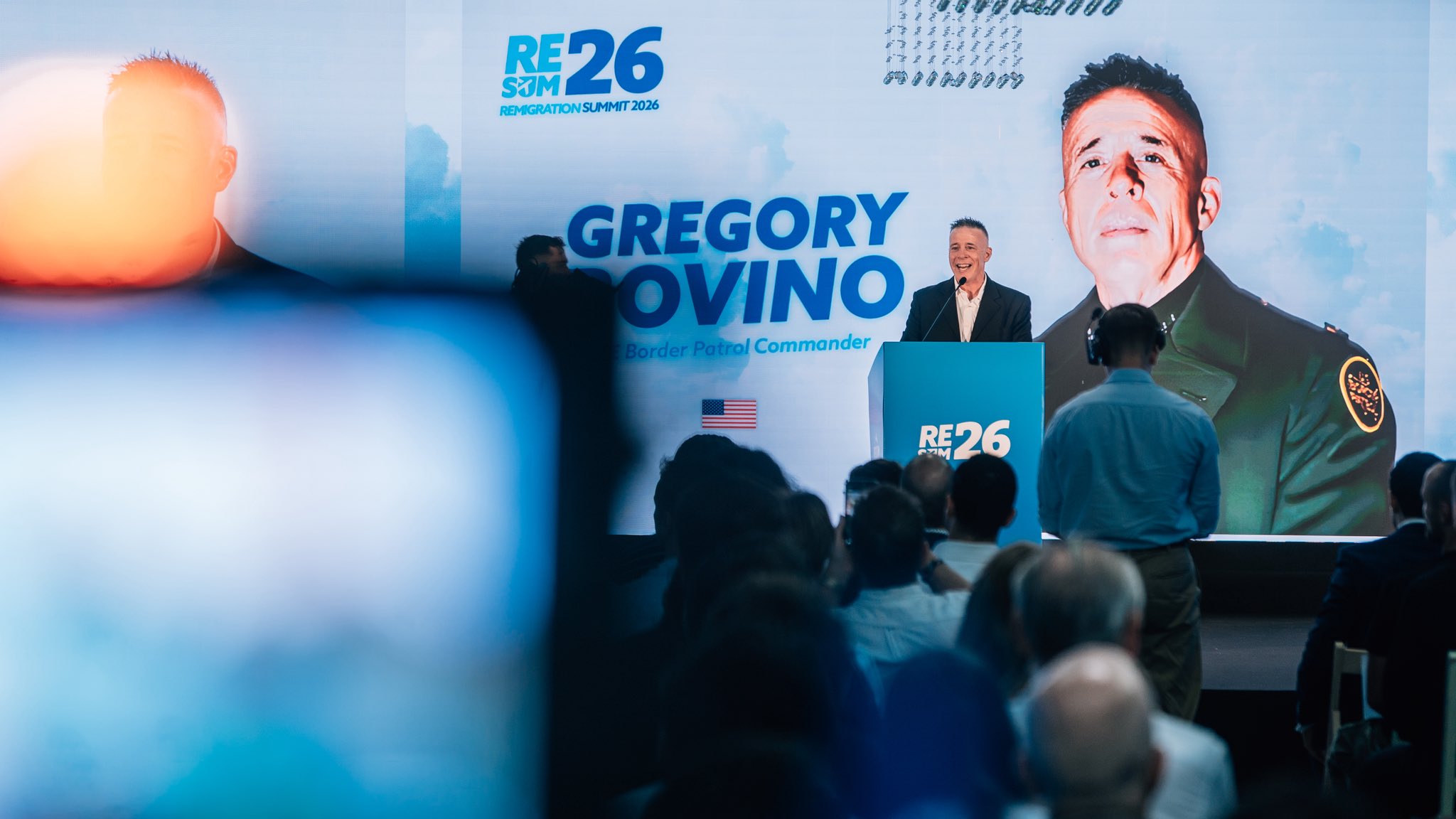
At the end of May, identitarian activists gathered in Porto, Portugal, for the second edition of the Remigration Summit. The event brought together key figures from the movement in Europe, Canada and the United States, including Austria’s Martin Sellner, Dutch Eva Vlaardingerbroek, Belgium’s Dries Van Langenhove, American Gregory Bovino and the local organiser, Afonso Gonçalves.
A mix of young activists and senior politicians provided both experience and new insights for an audience of more than 600 patriots from all over the West — and millions more through social media.Everyone went home with dozens of new contacts, strengthening our worldwide… pic.twitter.com/VY1m7LmlJ8— Remigration Summit (@RESUM26) June 3, 2026
Too often, public debates label everything beyond the traditional right in conservative politics as “far right”. But this oversimplification obscures the ideological fragmentation within the right and prevents a more precise assessment of the risks that different actors pose to social cohesion.
Within this political spectrum, identitarians can be understood as the far right of the far right. Their core argument has evolved, but it now concentrates on one key demand: the restoration of ethno-cultural homogeneity in Europe.