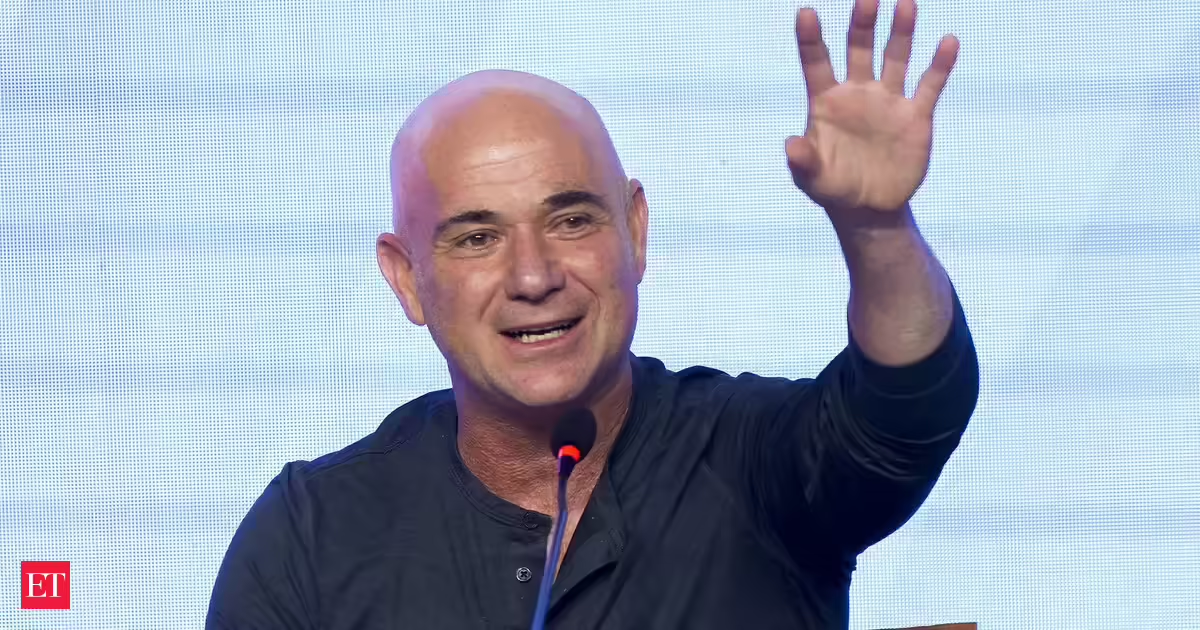
Life advice of the day by Andre Agassi: Life often improves when we push ourselves beyond comfort, where effort turns into endurance and discipline begins to shape character. Physical and mental growth rarely happen in moments of ease; they emerge when we continue forward even after fatigue sets in, testing both resilience and focus.Andre Agassi’s life advice, “Get yourself tired,” reflects this idea of purposeful effort and self-discipline. A longtime trainer once told him, “There is a lot of good waiting for you on the other side of tired. That’s where you get to know yourself.” In modern life, where comfort and convenience are often prioritized, this mindset remains highly relevant. It reminds us that true progress often lies just beyond exhaustion, where persistence builds strength, clarity, and self-awareness. Agassi’s words continue to inspire people to embrace challenges, develop consistency, and discover their deeper potential through sustained effort. “There’s a lot of good waiting for you on the other side of tired. Get yourself tired”Meaning of Andre Agassi’s Life Advice “Get Yourself Tired”Andre Agassi’s life advice, “Get yourself tired,” explores the importance of effort, discipline, and pushing beyond personal comfort in order to discover deeper strength and resilience. The phrase “get yourself tired” symbolizes reaching a point of physical and mental exhaustion through consistent hard work, where limits are tested and real growth begins.The deeper meaning of this advice emphasizes that progress often happens beyond comfort zones. It suggests that when a person continues to work even after feeling tired, they move into a space where excuses fade and determination takes over. In this state, individuals begin to understand their true capacity, both mentally and physically. At its core, Agassi’s message highlights that self-improvement is built through persistence and endurance. The advice encourages people to embrace effort, accept discomfort as part of growth, and recognize that strength, confidence, and self-awareness are often developed in the moments when giving up feels easier than continuing.Why success comes from disciplineSuccess is rarely the result of sudden effort or short-term motivation; it is built through consistent discipline over time. Discipline means doing what needs to be done even when motivation fades, distractions increase, or progress feels slow. It is the habit of showing up every day, staying focused, and following through on commitments regardless of circumstances. While talent and opportunity can open doors, discipline determines how long a person stays on the path to success. It helps individuals develop structure, control impulses, and stay committed to long-term goals instead of giving in to temporary comfort. Over time, disciplined actions compound into meaningful progress and lasting achievement. In this way, success is not just about ability or luck, but about the steady practice of self-control, consistency, and perseverance that shapes results gradually and reliably.Early Life of Andre AgassiAndre Agassi was born on April 29, 1970, in Las Vegas, Nevada, USA, into a family deeply connected to sports. His father, Emmanuel “Mike” Agassi, was an Olympic boxer who played a major role in shaping Andre’s early exposure to athletic discipline and competition. From a very young age, Agassi was introduced to tennis and trained intensely under his father’s strict guidance. His childhood was highly structured around practice, with long hours dedicated to developing speed, accuracy, and control. These early experiences built the foundation of his competitive mindset and relentless work ethic.Early Career and Rise in TennisAgassi turned professional in 1986 at just 16 years old and quickly gained attention for his powerful baseline game and bold playing style. His charisma, long hair, and fearless attitude made him one of the most recognizable figures in tennis. He rose rapidly through the rankings and became known for challenging traditional tennis norms with his aggressive and entertaining style of play. His early success established him as one of the sport’s most promising young talents.Career Breakthrough and Major SuccessAndre Agassi achieved global fame after winning his first Grand Slam title at Wimbledon in 1992. Over the years, he went on to win all four Grand Slam tournaments—Wimbledon, the US Open, the Australian Open, and the French Open—completing a rare career Grand Slam. His ability to adapt his game and remain competitive across different surfaces made him one of the most versatile players in tennis history. Agassi’s career was marked by resilience, as he overcame injuries, form slumps, and personal struggles to return to the top level of the sport.Challenges, Comeback, and Personal GrowthDespite his success, Agassi experienced periods of burnout, loss of motivation, and personal challenges. At one point, his ranking dropped significantly, and many doubted his return to elite tennis. However, through discipline, renewed focus, and mental transformation, he made one of the greatest comebacks in sports history. His later years in tennis were defined not just by victories, but by maturity, self-awareness, and a deeper understanding of purpose. These experiences shaped his perspective on effort, exhaustion, and personal growth.Legacy and Lasting InfluenceAndre Agassi retired from professional tennis in 2006, leaving behind a legacy as one of the greatest players in the sport’s history. Beyond his achievements on the court, he is also known for his philanthropic work, particularly in education through the Andre Agassi Foundation for Education. His life story continues to inspire athletes and individuals worldwide, not only for his victories but also for his honesty about struggle, discipline, and self-discovery. Today, Agassi is remembered as a symbol of resilience, transformation, and the power of pushing beyond limits.Life Lessons from Andre Agassi’s Advice Andre Agassi’s life advice teaches that real growth often comes from effort, discipline, and pushing beyond personal comfort. The idea of “getting yourself tired” reflects the importance of continuing to work even when energy fades, where persistence begins to shape strength, resilience, and character. It suggests that improvement is not found in ease, but in the moments when a person chooses to keep going despite exhaustion.The deeper lesson highlights that true progress requires consistency and mental toughness. When individuals move beyond their comfort zone, they begin to discover abilities they may not have realized before. Fatigue, in this sense, becomes a point of transformation where discipline replaces motivation and effort turns into endurance.Agassi’s message also emphasizes self-discovery through challenge. By pushing through tiredness, individuals gain a clearer understanding of their limits, mindset, and determination. It reminds us that growth is often built in difficult moments, where persistence creates confidence and lasting improvement.Why This Advice Still Matters TodayAndre Agassi’s advice remains highly relevant in today’s fast-paced and comfort-driven world. Many people tend to avoid discomfort, choosing ease over effort, but this mindset often limits personal growth. His message reminds us that real success requires consistent effort, even when motivation fades or challenges increase.In modern life, where distractions and convenience are everywhere, the ability to push beyond fatigue becomes a powerful skill. Whether in sports, studies, career, or personal development, progress often depends on how much effort a person is willing to give when they feel they have nothing left. Agassi’s words continue to inspire because they highlight a simple truth: growth begins where comfort ends. By embracing effort and pushing through tiredness, individuals develop discipline, confidence, and a deeper understanding of their own potential.Life WisdomAndre Agassi’s advice, “Get yourself tired,” reflects a timeless principle about effort, resilience, and self-improvement. It reminds us that true strength is built through persistence and that meaningful progress often comes after moments of exhaustion. Real achievement is not only about talent, but about the willingness to continue when things become difficult. This wisdom remains relevant because it emphasizes the importance of discipline in everyday life. Whether in learning, work, or personal goals, consistent effort leads to growth and improvement. Agassi’s message encourages people to embrace challenges, push past limits, and understand that the path to success often lies just beyond comfort and fatigue.
Life Advice of the Day by Andre Agassi: “There’s a lot of good waiting for… — a longtime trainer once told the tennis champ, offering inspiring life lessons on confidence, overcoming challenges, hard work, and why growth happens outside your comfort zone
Andre Agassis life advice, “Get yourself tired,” reflects a powerful mindset about effort, discipline, and pushing beyond personal limits. It suggests that real growth often happens when a person continues working even after reaching the point of exhaustion. According to his longtime trainer, “There is a lot of good waiting for you on the other side of tired. Thats where you get to know yourself.” The idea emphasizes that beyond fatigue lies deeper strength, resilience, and self-discovery. It reminds us that consistent effort, even in discomfort, is often where true improvement and personal understanding begin.
1,293 words~6 min read