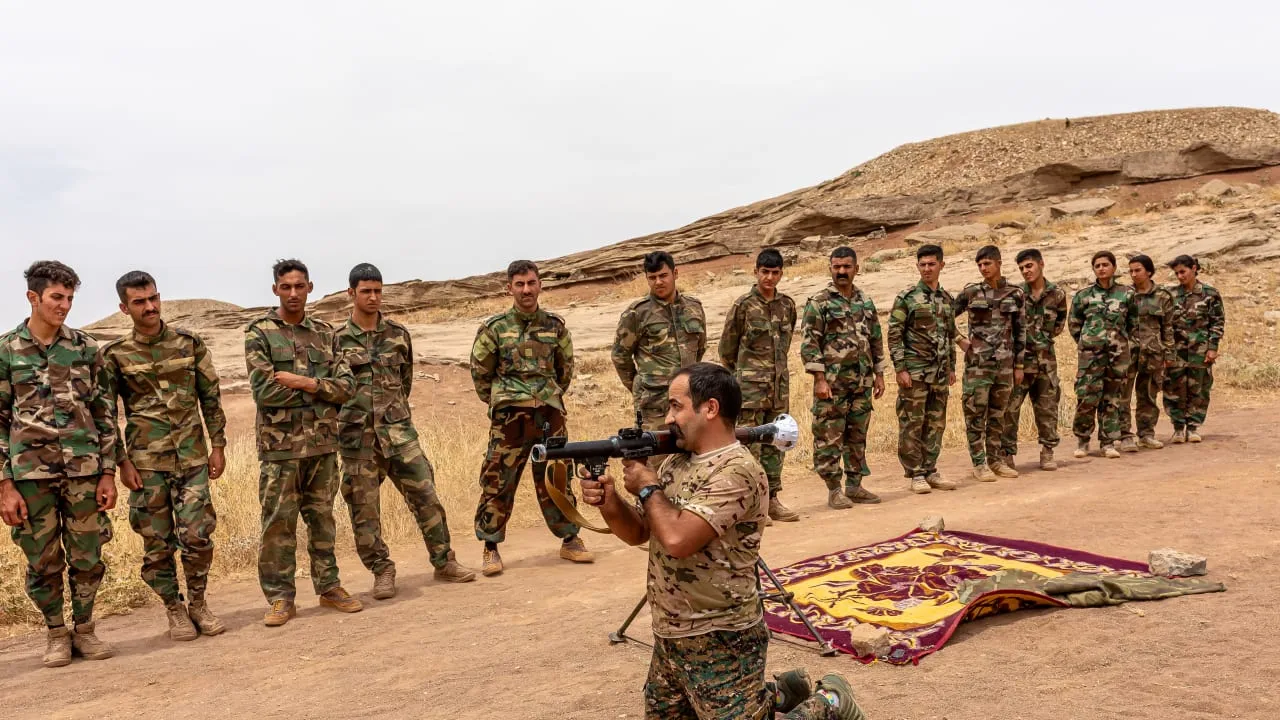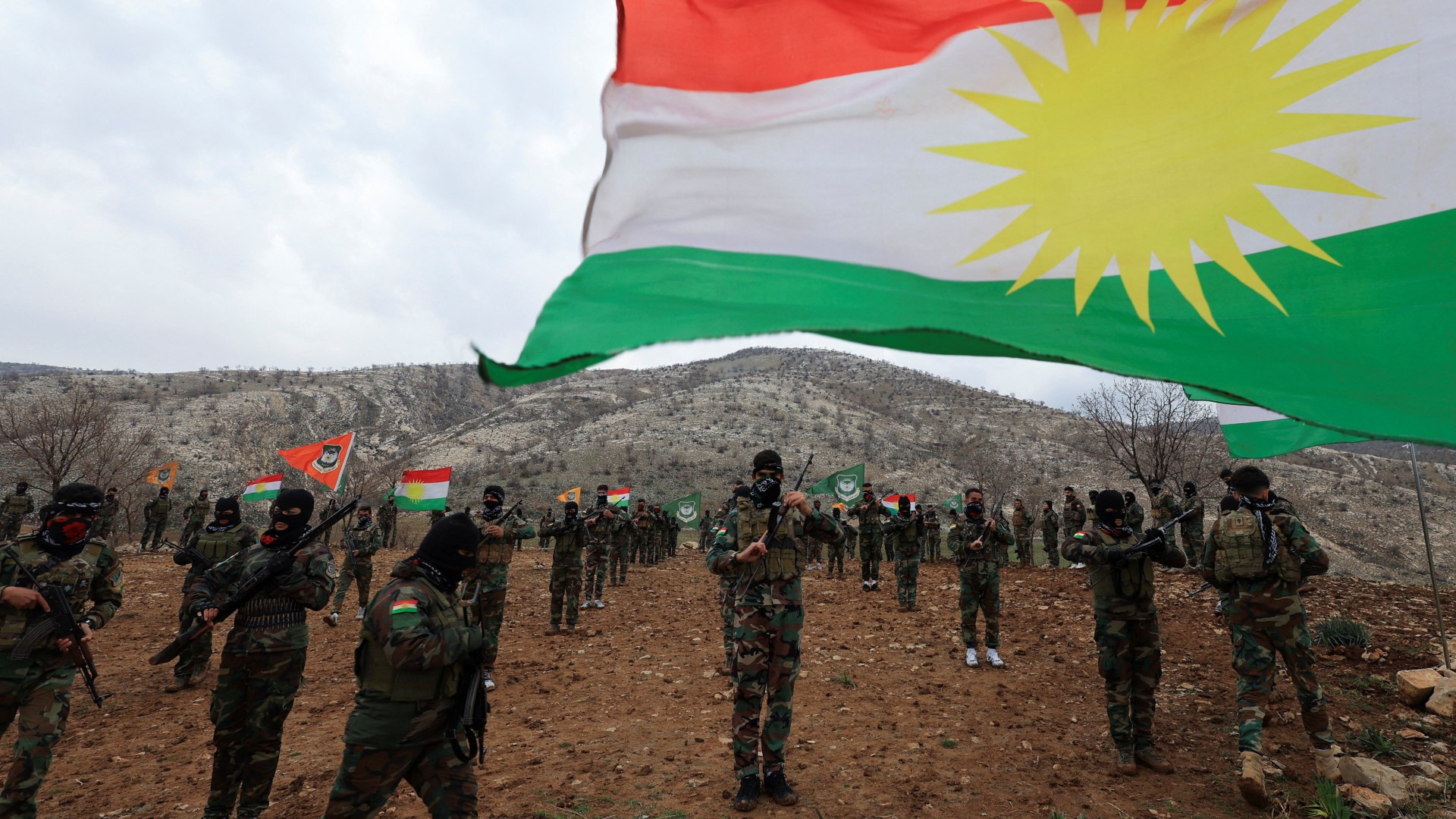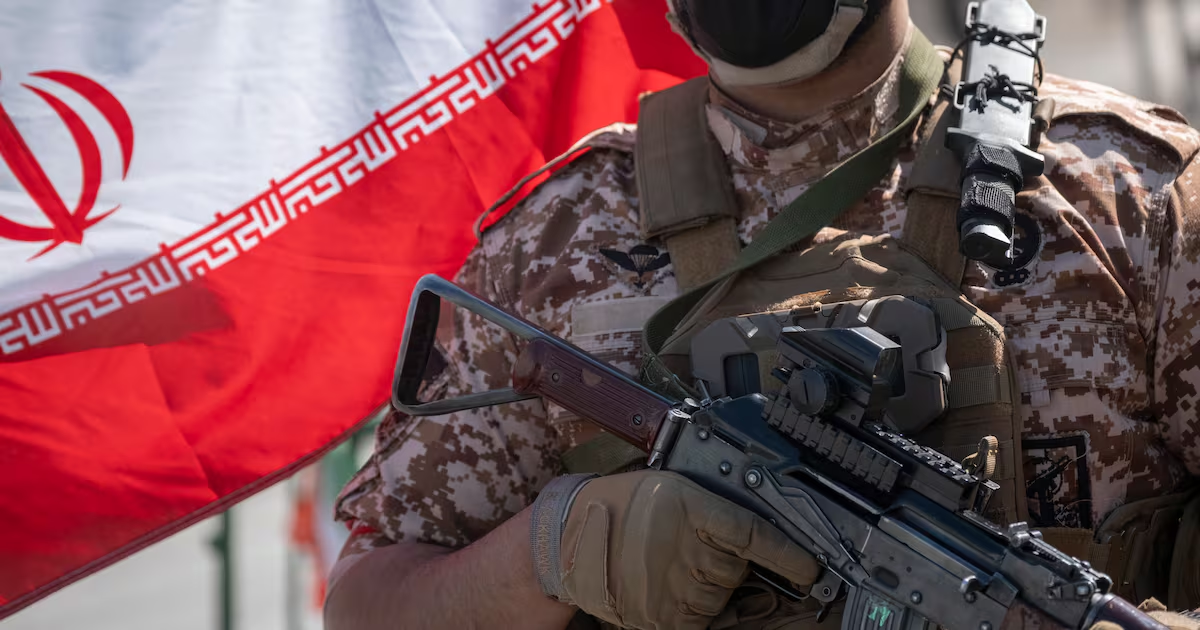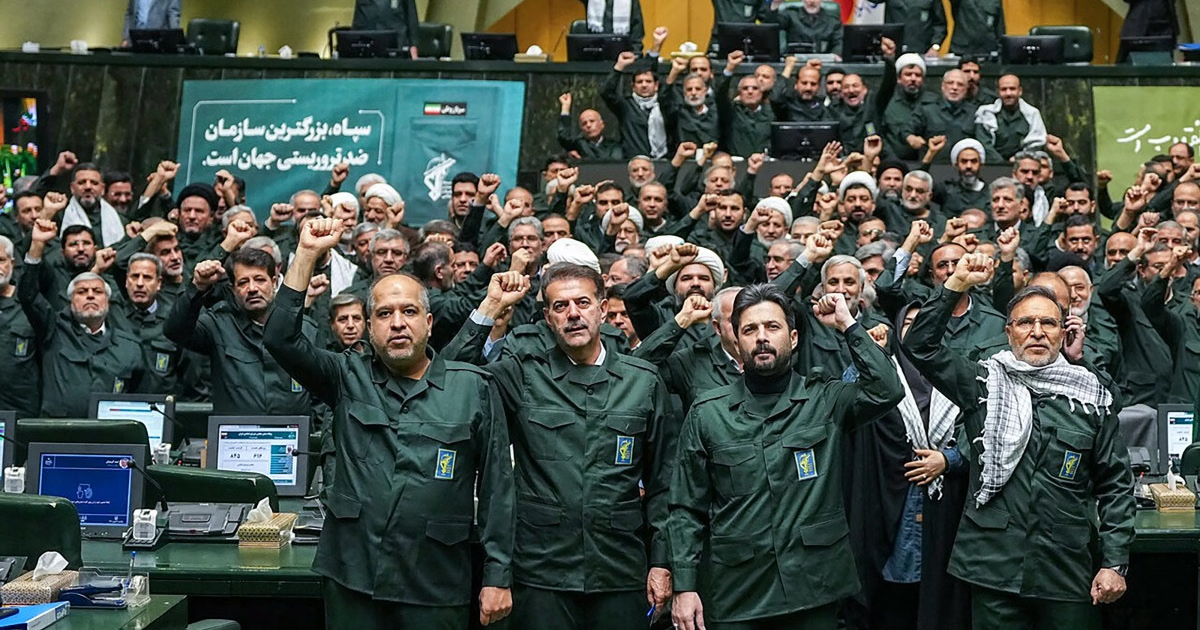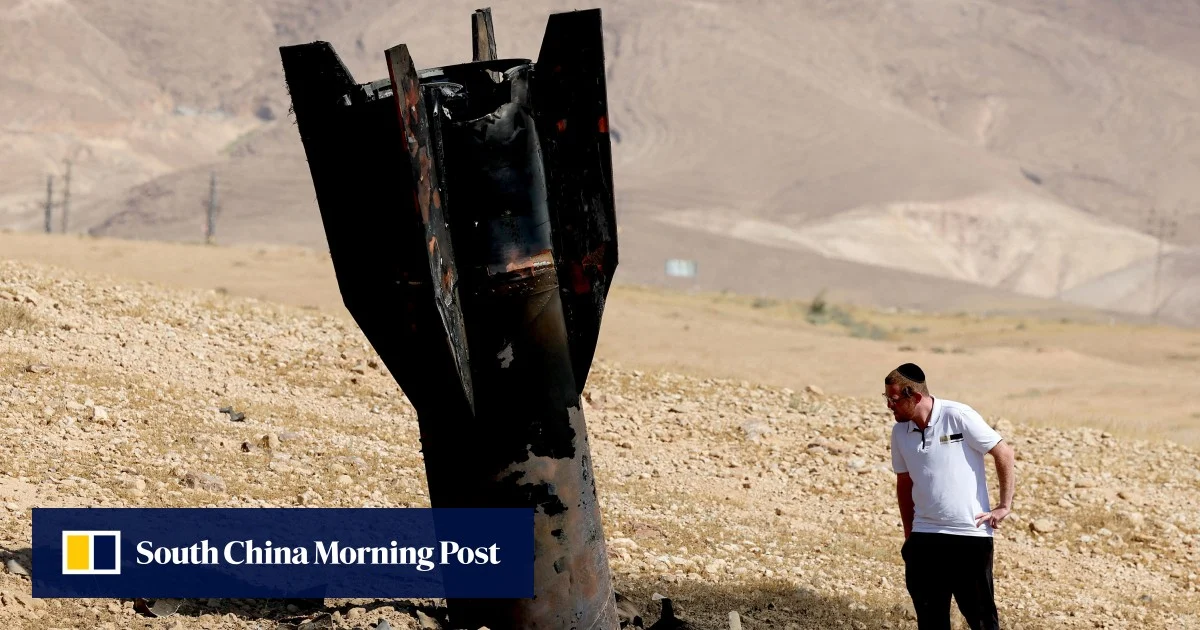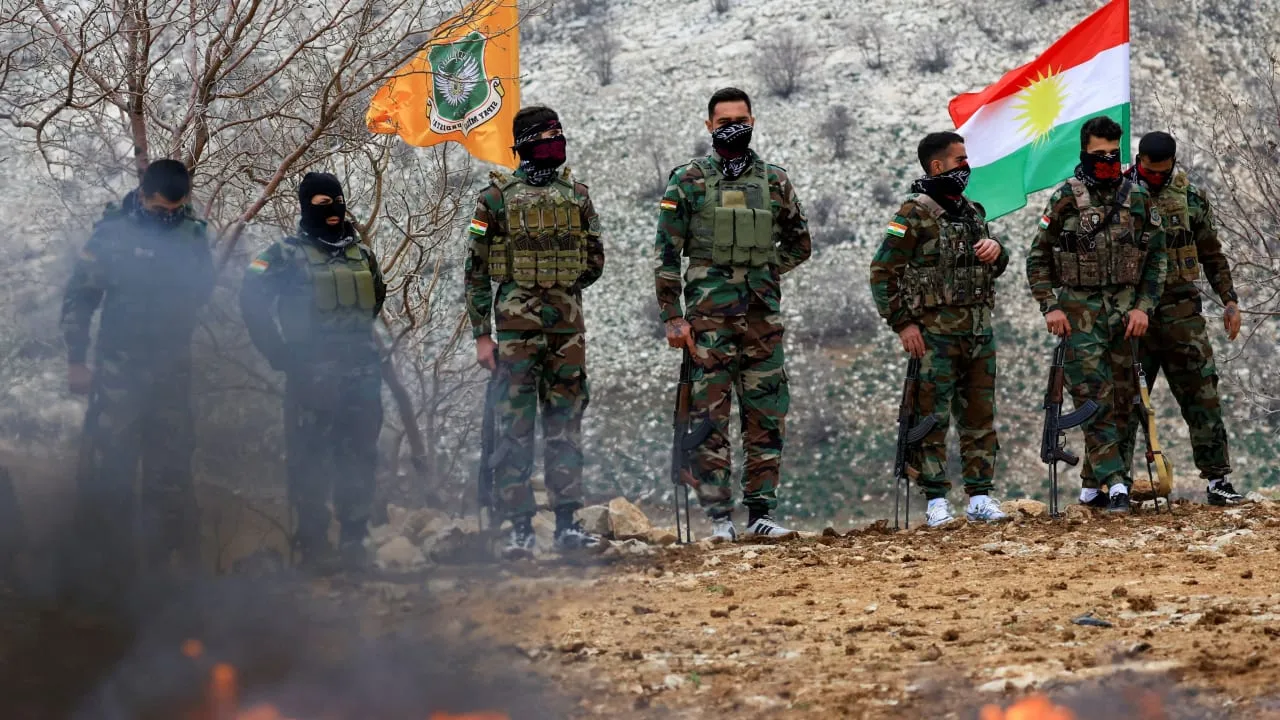
The U.S.-Israeli strikes have degraded the state apparatus of Iran, but the clerical regime has endured the onslaught. Meanwhile, despite the weakening of the regime, the anti-regime opposition has been unable to seize the moment and spark revolutionary upheaval inside Iran. This scenario underscores a gap in the United States’s strategic calculus pertaining to the internal dynamics of Iran.Now that this gap has been identified, U.S. policy makers need to understand a fundamental reality that “Iran is more than Persia.” Otherwise, they may overlook the non-Persian ethnicities that constitute about half of Iran’s population and territory, and could become potential allies of the U.S.Trump administration attacked Iran at a time when non-kinetic measures alone had proven insufficient to contain Iran. When the trigger was finally pulled, Iran’s defense capabilities crumbled instantly, and it saw expanding the impact of the conflict to third countries as the only recipe to preserve its regime and ambitions.
TRUMP’S ISRAEL HYPOCRISY: RULES FOR THEE BUT NOT FOR ME
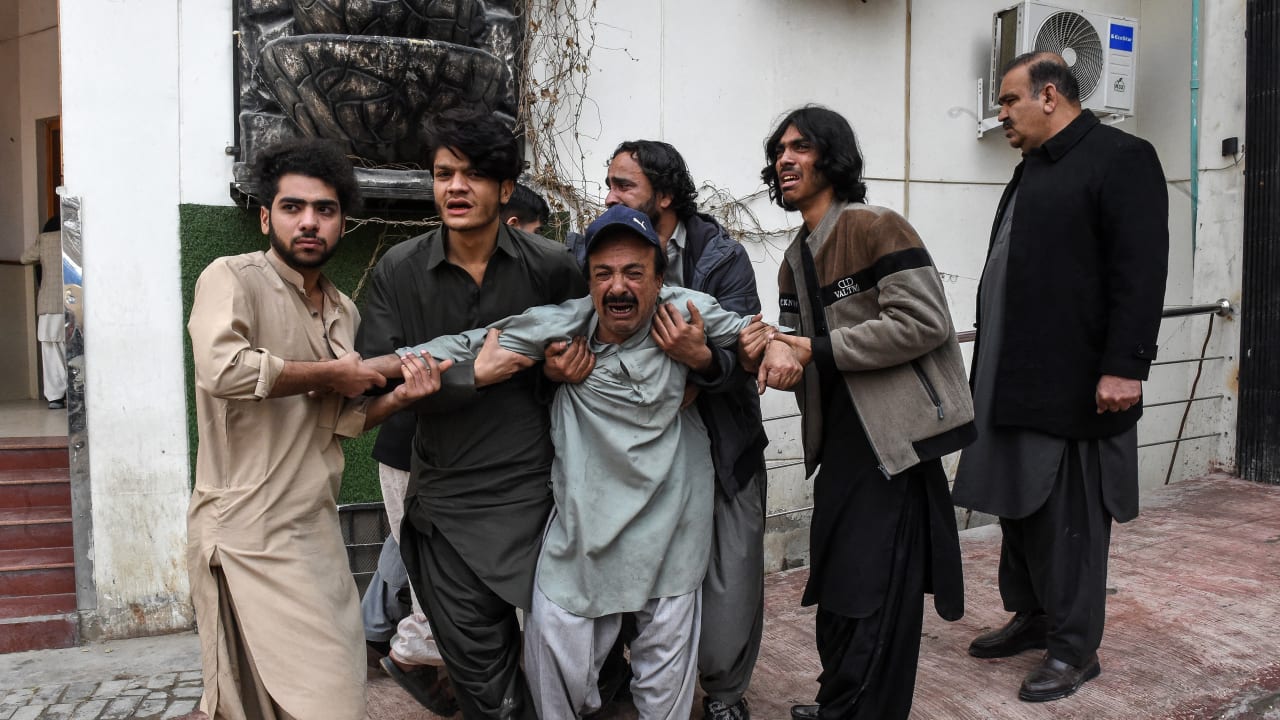
This significant deterioration of the regime occurred when the Iranian people had already expressed their profound desire for change by laying down thousands of lives. However, the Iranian opposition appeared unwilling or unable to transform the prevalent anti-regime sentiment into organized resistance during these crucial times.