As the European Union extends its carbon market to buildings and road transport, the European Council and European Parliament have agreed to strengthen a financial tool designed to stabilise new carbon costs for heating and fuel due to kick in in 2028.
The deal reached by the EU co-legislators on Wednesday evening serves as an economic safety net by issuing emergency permits if carbon prices exceed a certain threshold.
This so-called "market stability reserve" aims to protect households from energy price spikes while funding green infrastructure improvements.
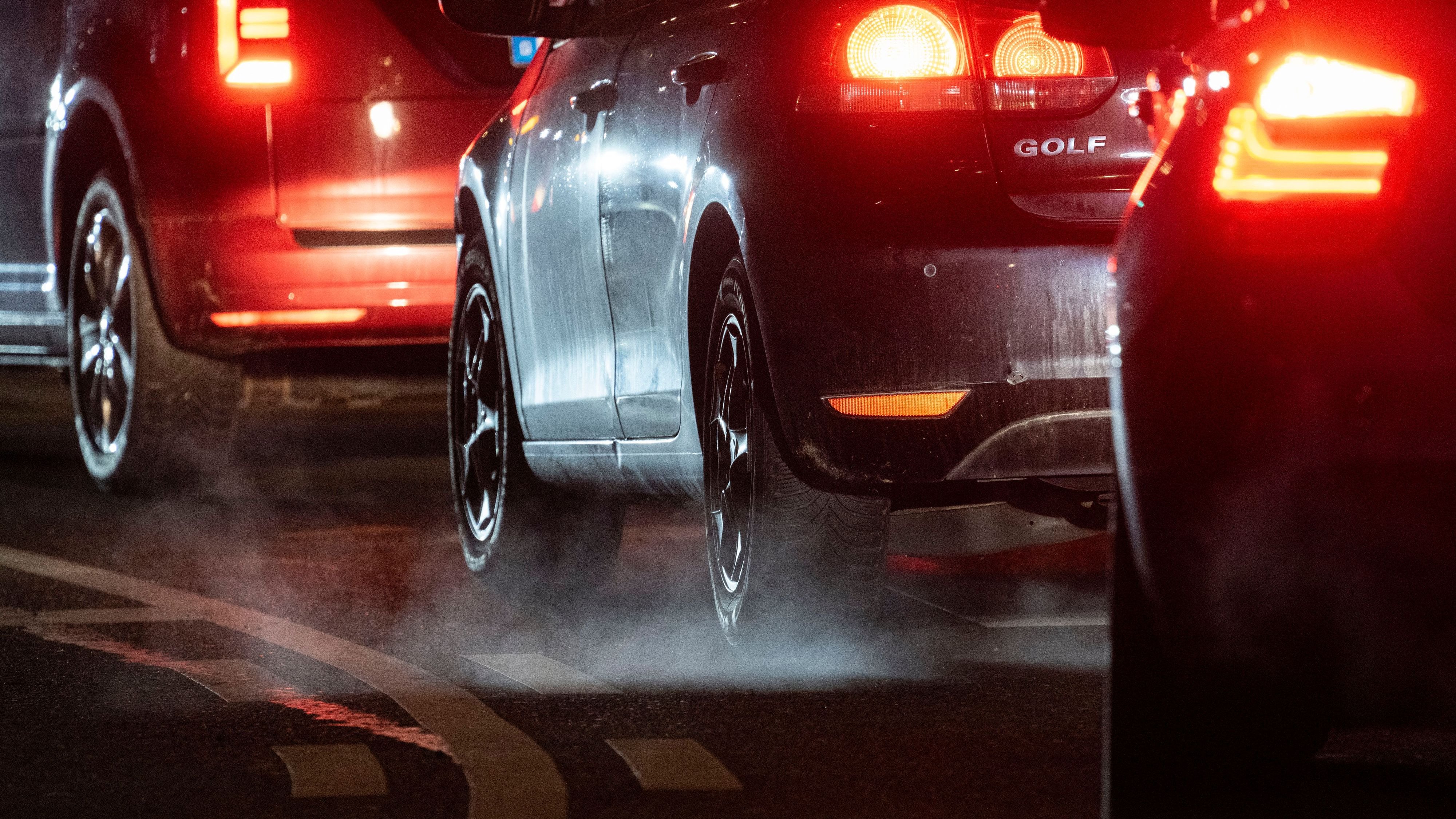
Under the EU’s expanded carbon market, the Emissions Trading System 2 (ETS2), fuel suppliers will need to buy “polluting permits” for the carbon dioxide their products emit.
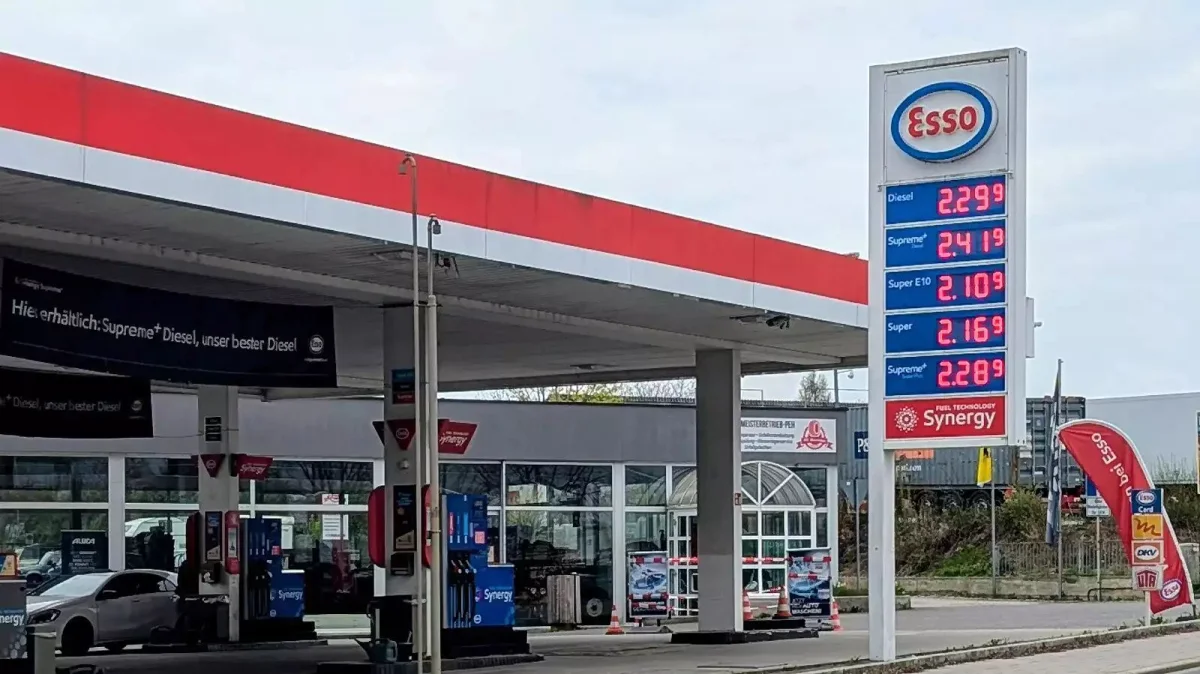
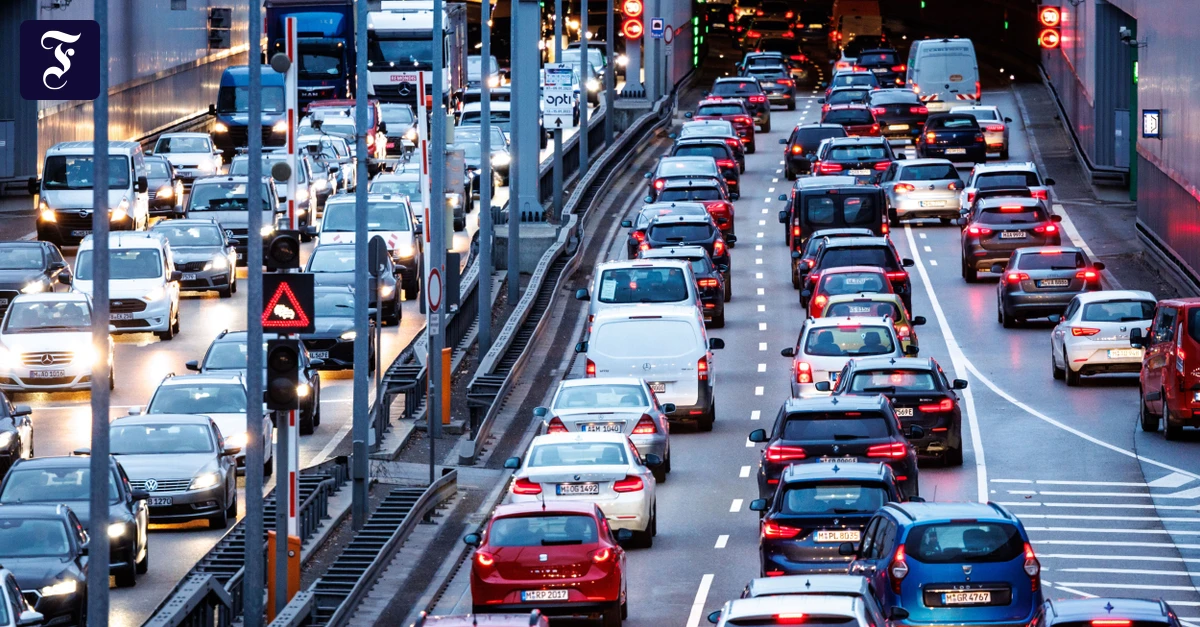
If demand for fuel is high, the price of these permits shoots up – and that could make gas, heating oil and petrol much more expensive for everyday citizens already dealing with high costs due to the US-led war against Iran and the bloc's reliance on imported fossil fuels.