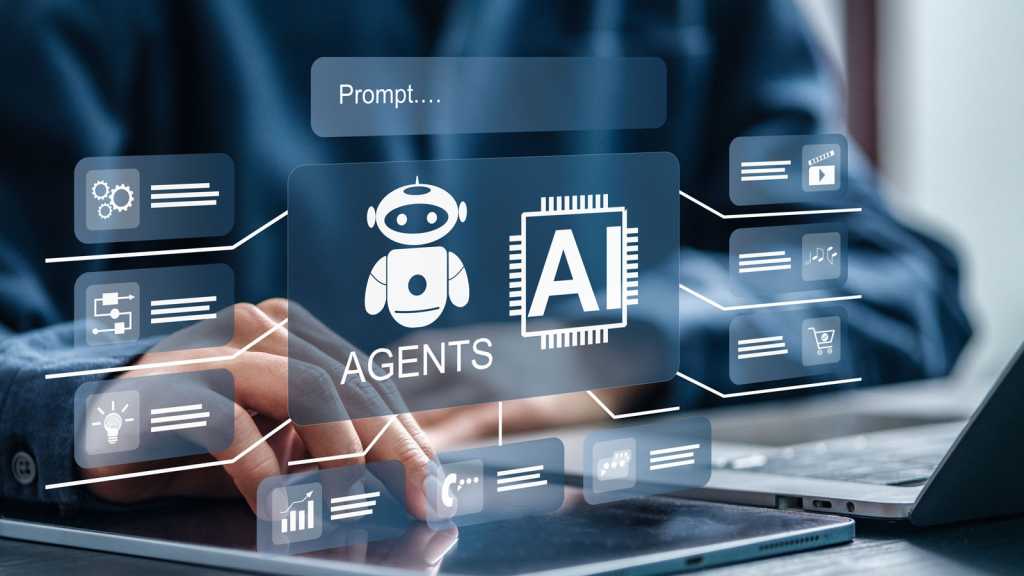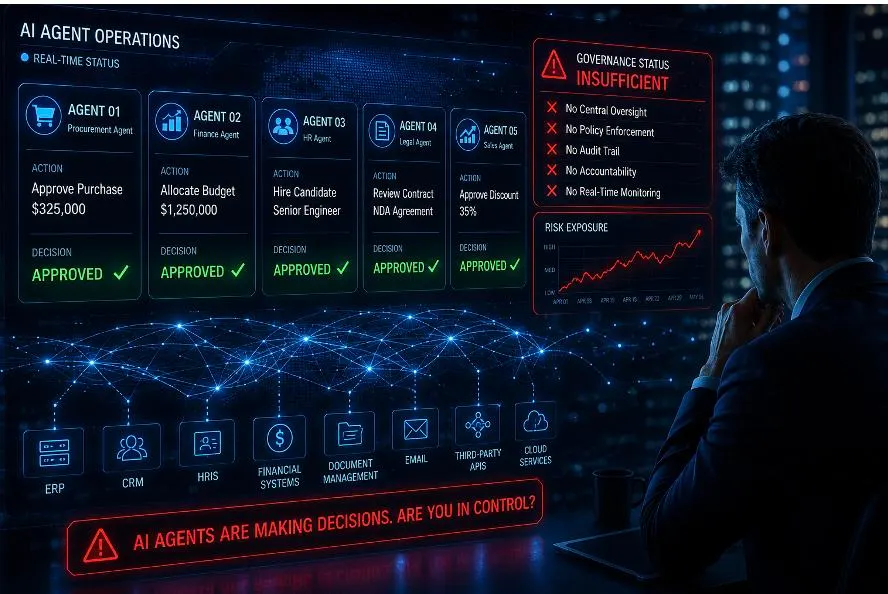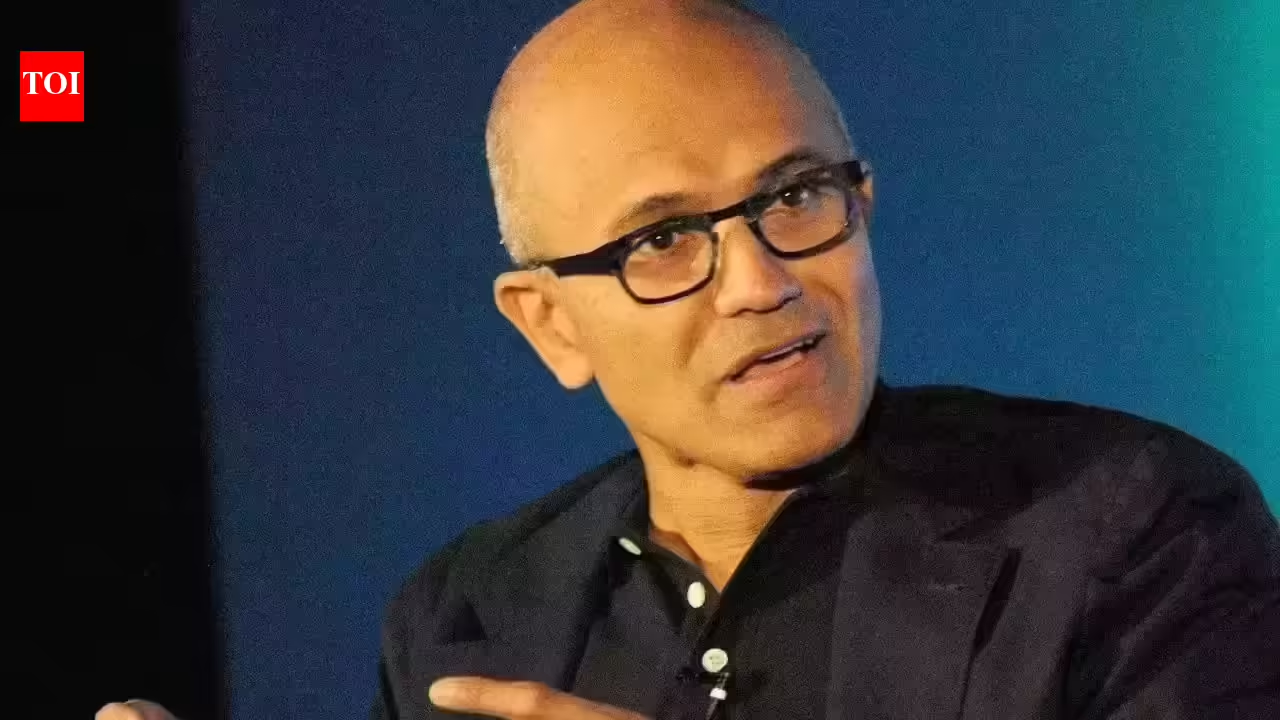
SynopsisMicrosoft CEO Satya Nadella believes businesses should begin treating AI agents more like employees, complete with identities, permissions, oversight, and governance. As AI systems evolve from passive assistants into autonomous agents capable of carrying out tasks independently, a new challenge is emerging for enterprises: accountability.ET OnlineFor years, businesses have viewed software as a tool.A spreadsheet could not approve a transaction. A database could not make a decision. An email platform could not book a meeting on its own.AI agents are beginning to change that assumption.Speaking recently on the Possible Podcast, Microsoft CEO Satya Nadella argued that organisations should start treating AI agents more like employees by giving them identities, permissions, access controls, and governance frameworks. The reasoning is simple: as AI agents become capable of taking action, businesses need to know what they are doing, what they can access, and where responsibility ultimately lies.The significance of Nadella's comments extends beyond Microsoft's own AI ambitions.The technology industry is rapidly moving from AI assistants that respond to prompts towards AI agents that can perform tasks independently. An agent can search for information, complete workflows, update systems, make bookings, interact with applications, and execute multi-step processes with minimal human involvement.That changes the nature of the conversation.The question is no longer whether AI can generate content. It is whether AI can be trusted to act.Consider a workplace where dozens of AI agents are interacting with customers, accessing internal systems, updating records, analysing data, and making recommendations. If an agent accesses the wrong information, approves an incorrect workflow, or creates an unintended outcome, identifying responsibility becomes considerably more complex than troubleshooting traditional software.This is why governance is quickly becoming one of the most important discussions in enterprise AI.Businesses have spent years building frameworks for managing employees. Access rights, security clearances, audit trails, approvals, compliance requirements, and performance monitoring are all designed to ensure accountability. As AI agents become active participants in business processes, many organisations may need similar structures for digital workers.The broader implication is that AI adoption is entering a new phase. Capability remains important, but capability alone is no longer enough. Companies are increasingly asking how AI should be monitored, governed, and managed once it begins acting on their behalf.The race to build more capable AI agents is already underway.The next challenge may be determining how to work alongside them.Disclaimer Statement: This content is authored by a 3rd party. The views expressed here are that of the respective authors/ entities and do not represent the views of Economic Times (ET). ET does not guarantee, vouch for or endorse any of its contents nor is responsible for them in any manner whatsoever. Please take all steps necessary to ascertain that any information and content provided is correct, updated, and verified. ET hereby disclaims any and all warranties, express or implied, relating to the report and any content therein.Read More News onRead More News on
If AI agents can act on their own, who is responsible for their actions?
Microsoft CEO Satya Nadella believes businesses should begin treating AI agents more like employees, complete with identities, permissions, oversight, and governance. As AI systems evolve from passive assistants into autonomous agents capable of carrying out tasks independently, a new challenge is emerging for enterprises: accountability.
480 words~2 min read